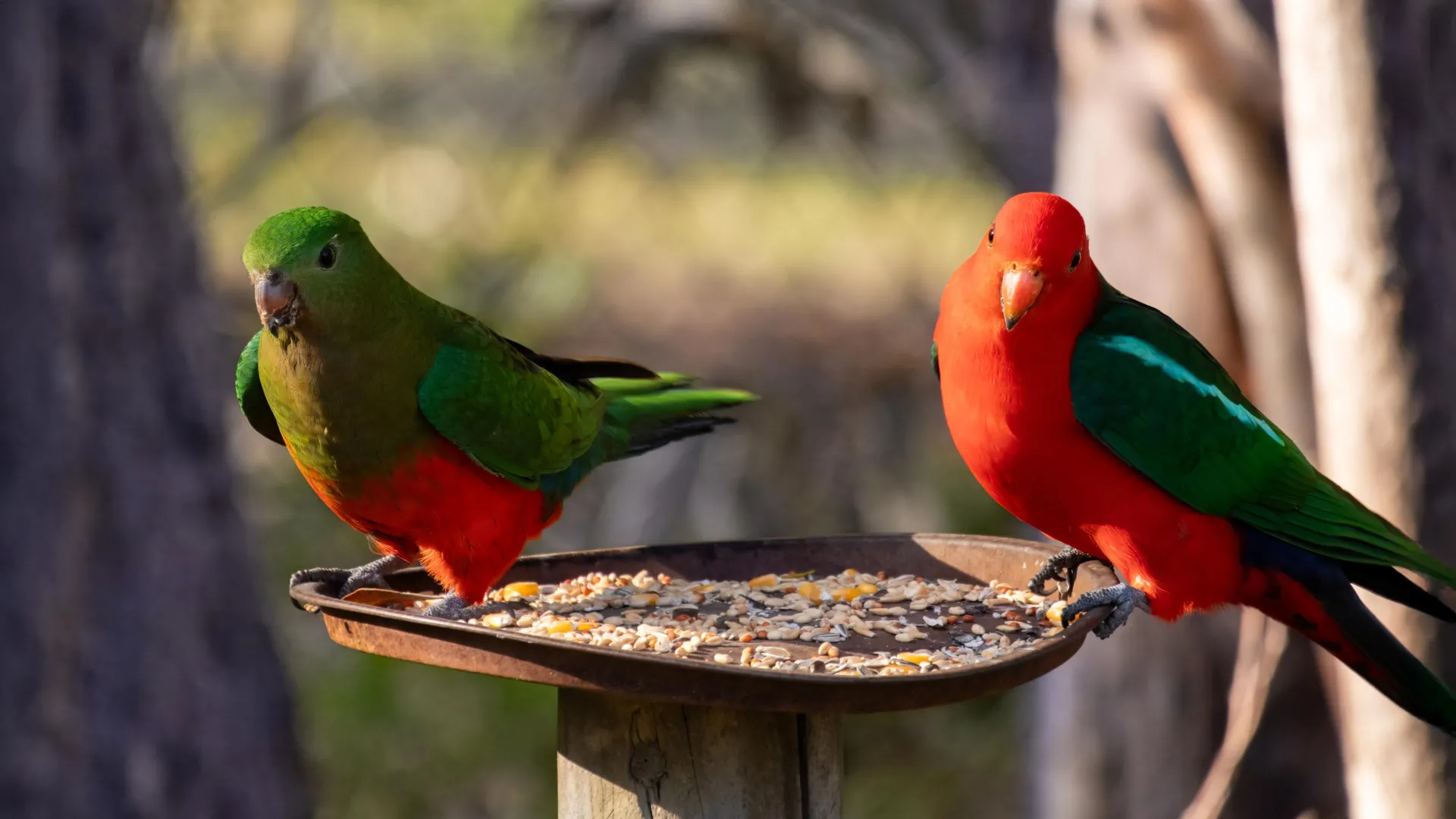
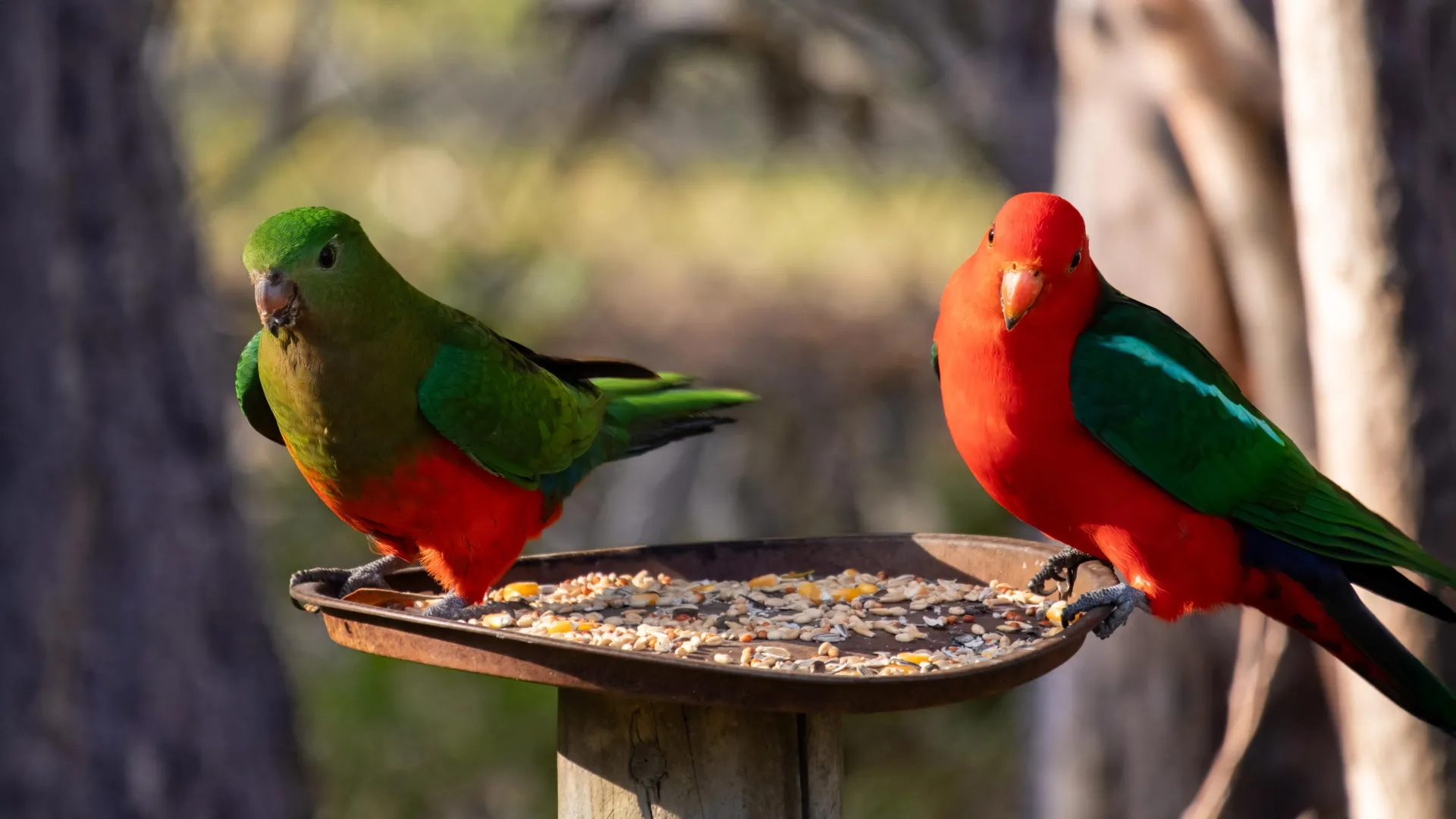
For millions of Australians, the early morning ritual of scattering seeds or placing meat scraps on a backyard tray is more than just a hobby—it is a cherished connection to the natural world. Research indicates that approximately half of all Australian households engage in some form of wild bird feeding, with a significant portion doing so on a daily basis. Driven by a deep empathy for local fauna and a desire to support wildlife through challenging environmental conditions, these citizens view their bird feeders as sanctuaries.
However, as the H5N1 strain of Highly Pathogenic Avian Influenza (HPAI) makes its grim arrival in Australia, this beloved pastime has come under intense scrutiny from biologists, veterinarians, and biosecurity experts. What was once considered a benign act of kindness is now being viewed as a potential "superspreader" event that could accelerate the ecological devastation of the continent’s unique bird and mammal populations.
The Arrival of a Global Killer
The H5N1 virus is not a new threat to the world, but its arrival in Australia marks a terrifying new chapter for the nation’s biodiversity. Having already decimated wild bird colonies and mammal populations across Europe, the Americas, and Antarctica, the virus has now breached Australian borders.
The chronology of this outbreak is as rapid as it is alarming. The most recent data points to a devastating mortality event involving more than 1,000 crested terns, a catastrophe that has rippled through the scientific community. Even more concerning is the recent confirmation of H5N1 in a long-nosed fur seal—the first documented case of the virus crossing into an Australian mainland mammal. This milestone signals that the virus is not merely a threat to the skies, but a pervasive danger to the entire terrestrial and marine food web.
Understanding the "Superspreader" Mechanism
To understand why a backyard feeder is a problem, one must look at the ecology of disease transmission. In a natural environment, birds congregate based on resource availability, often maintaining enough distance to prevent the rapid spread of pathogens. Backyard feeders, however, force a "bottleneck" effect.
By concentrating dozens, sometimes hundreds, of birds from different species in one small area, feeders create a transmission hotspot. If a single infected bird visits a feeder, it leaves behind saliva, droppings, and respiratory secretions that are quickly picked up by others. This density—which would never occur in the wild—allows a virus to jump from species to species with lethal efficiency.
This is particularly perilous for Australia’s most vulnerable avian species, such as the critically endangered orange-bellied parrot. If the virus reaches these fragile populations through the medium of backyard feeders, it could push them from the brink of extinction into total collapse.
The Ripple Effect: Beyond the Birds
The fatal consequences of H5N1 are not limited to the avian world. Australia’s ecosystem is home to a complex web of scavengers, including red foxes, possums, and various bird species that feast on carrion. When a bird dies from H5N1 in a garden, its carcass becomes a vector. Scavenging animals that consume the infected remains are highly likely to contract the virus, extending the reach of the outbreak into urban and suburban environments.
While the primary concern remains the health of wildlife, the human implications cannot be ignored. While human-to-human transmission of H5N1 is currently rare and the risk to the general public remains low, those in close contact with infected wildlife—specifically veterinarians, wildlife carers, and backyard enthusiasts—are at an elevated risk. Though human cases typically present as mild, the potential for viral mutation remains a persistent worry for global health authorities.
Official Responses and Biosecurity Protocols
The Australian government and major biodiversity councils have been quick to issue guidance as the situation evolves. The primary directive from the scientific community is unequivocal: the safest path forward is the total cessation of backyard bird feeding.
Current biosecurity guidelines emphasize the following:
- Do not touch: Under no circumstances should members of the public handle sick or dead wildlife.
- Report sightings: If you encounter mass bird deaths or mammals showing neurological distress, do not attempt to rescue them yourself. Instead, record the location, take photographs from a safe distance, and contact the Emergency Animal Disease Hotline at 1800 675 888.
- Quarantine: Keep pets away from any areas where dead birds have been found to prevent further cross-species transmission.
Can We Feed Birds Safely?
The scientific consensus is that wild birds do not require human-provided food to survive. Extensive research has shown that birds visiting feeders obtain the vast majority of their nutrition from natural sources like insects, worms, and native vegetation. The seeds and scraps provided by humans are, at best, a supplemental snack rather than an essential survival requirement.
However, recognizing that many Australians are unwilling to abandon the practice, experts have outlined a strict "risk-mitigation" framework for those who choose to continue:
1. Drastic Reduction of Feed
The most effective way to limit contact is to reduce the volume of food provided. By keeping feeders sparsely stocked, you discourage large flocks from congregating, effectively implementing a form of "social distancing" for birds.
2. The End of Hand-Feeding
While the image of a wild bird landing on a human hand is a staple of nature photography, it is an exceptionally dangerous practice in the current climate. Hand-feeding creates a direct pathway for the virus to move from bird to human. This intimate interaction must be abandoned immediately to ensure personal safety and to prevent the habituation of wildlife to humans.
3. Rigorous Sanitation
If feeding must occur, hygiene is paramount. Surfaces and equipment must be disinfected regularly using high-grade domestic bleach. If a householder is unable or unwilling to commit to a strict, daily sanitation regimen, they should cease feeding operations entirely. A dirty feeder is significantly more dangerous than no feeder at all.
The Ethical Dilemma
The debate over bird feeding is not new, but it has gained a sharp moral edge in the age of H5N1. Critics of bird feeding have long argued that the practice promotes dependency and the consumption of "junk food" that can lead to poor health in avian populations. Proponents, meanwhile, argue that it fosters a connection to the environment that is essential for conservation advocacy.
Yet, in the shadow of a pandemic that could devastate our native species, the ethical scales have shifted. The "harm" of stopping the feeding—a temporary inconvenience for the human observer and a change in habit for the birds—is vastly outweighed by the potential for a catastrophic ecological event.
Looking Toward a Safer Future
The arrival of H5N1 in Australia serves as a stark reminder of the interconnectedness of our urban environments and the natural world. Every backyard is a part of a larger ecological grid, and our individual decisions have collective consequences.
As we navigate this crisis, the priority must be the health of the species that share our continent. The birds may return to our gardens in search of food, and they may seem to suffer when the trays are empty, but they are resilient. By stepping back and allowing them to forage naturally, we are not abandoning them; we are protecting them from a man-made danger that they are ill-equipped to survive.
Ultimately, the best way to care for our avian companions today is to let them be wild. The silent, empty bird feeder may be a difficult sight for many, but it is a necessary sacrifice in the ongoing effort to prevent a major outbreak from taking root in our backyards. The preservation of Australia’s unique wildlife depends on our ability to adapt, to listen to the science, and to recognize that our love for nature must sometimes be expressed through distance rather than intervention.