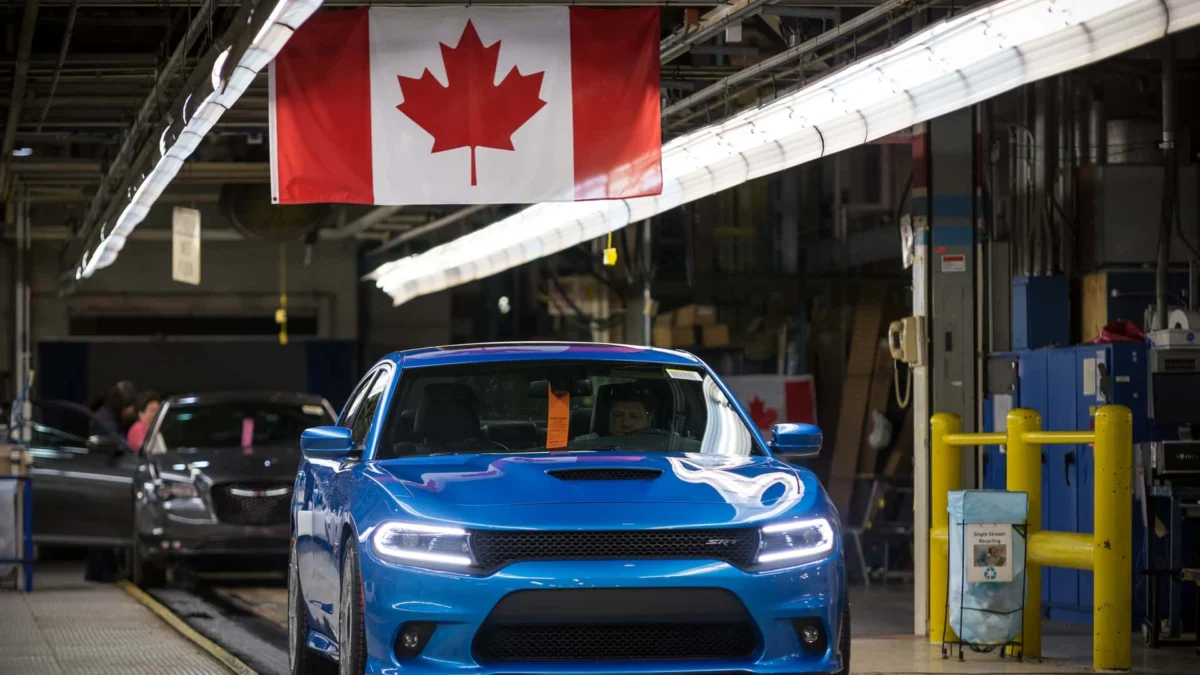
The delicate architecture of North American automotive trade has suffered a catastrophic fracture. After months of grueling negotiations aimed at stabilizing cross-border vehicle commerce, a deal to reduce auto duties from 25% to 15% has collapsed. The failure, confirmed by Prime Minister Mark Carney on August 21, marks a significant escalation in an already volatile trade war. As the dust settles, manufacturers, suppliers, and consumers on both sides of the border are bracing for the impact of a 50% tariff wave that threatens to reshape the industry’s economic landscape.
The Sticking Point: Why Trucks Derailed the Deal
At the heart of the negotiation breakdown was a fundamental disagreement over vehicle classification. The proposed framework, which initially appeared to have broad support, sought to ease the burden on automotive manufacturers by slashing the US tariff on Canadian-made vehicles from 25% to 15%. However, in the final 72 hours of deliberation, the consensus evaporated.
According to reports, the White House insisted on a restrictive interpretation of the agreement, seeking to limit the 15% tariff break exclusively to passenger vehicles and light-duty pickups. This exclusion of medium and heavy-duty trucks was a deal-breaker for the Canadian delegation. Prime Minister Carney, in his address to the press, characterized the American stance as a classic "ask too much, offer too little" scenario.
For Canada, the exclusion of heavy trucks was not a minor technicality; it was an existential threat to its manufacturing sector. Ontario, the industrial heartland of the country, operates a highly integrated supply chain that produces both high-volume consumer vehicles and the heavy-duty commercial trucks that form the backbone of American logistics fleets. By demanding that heavy trucks remain subject to the punitive 25% rate—and potentially higher under broader tariff umbrellas—the US effectively sought to exclude a massive segment of Canadian automotive output from the competitive relief of the deal.
A Chronology of Diplomatic Failure
The breakdown of talks did not happen in a vacuum. It was the culmination of weeks of escalating protectionist rhetoric and failed back-channel diplomacy.
- Early August: Negotiations intensified as both sides recognized the impending threat of 50% duties on a broad range of goods.
- August 15-18: The "final window" for an agreement saw both parties circling a framework that would lower the baseline tariff for most vehicle imports.
- August 19-20: Negotiators from Washington introduced the "light vehicle only" caveat, effectively stalling the proceedings. Canadian officials argued this move undermined the spirit of the entire deal.
- August 21: Prime Minister Mark Carney officially announced that the talks had collapsed, citing the rigidity of the American position regarding truck classifications.
- August 22 – Present: Both nations have entered a period of economic mobilization. Canada has formalized its intent to execute a "dollar-for-dollar" retaliatory tariff strategy, with a go-live date set for September 8.
The Economic Stakes: A $28 Billion Chasm
The collapse of the negotiations has immediate and severe financial implications. The initial estimates of the tariff impact, which hovered around $20 billion, have been revised upward by the Prime Minister’s office to approximately $28 billion.
The 50% tariff wave is not limited to the automotive sector; it encompasses a vast array of Canadian exports, including steel, pulp and paper, and various consumer goods. The retaliatory measures promised by Ottawa are equally broad. Beginning September 8, Canada plans to impose reciprocal duties on a strategic list of US goods, including American-made steel, dairy products, sophisticated agricultural machinery, high-end electronics, furniture, and wine.
This tit-for-tat approach effectively freezes a significant portion of the most integrated supply chain in the world. For economists, the concern is no longer just about the tariffs themselves, but about the long-term decoupling of the US and Canadian economies.
Official Responses and Political Fallout
The political rhetoric following the announcement has been sharp. Prime Minister Carney’s administration has emphasized that it cannot accept a deal that treats essential components of its domestic industry as "second-tier" goods. "We came to the table in good faith to lower costs for consumers and manufacturers," Carney stated. "But we will not preside over a deal that intentionally excludes our most productive sectors to the benefit of protectionist whims."
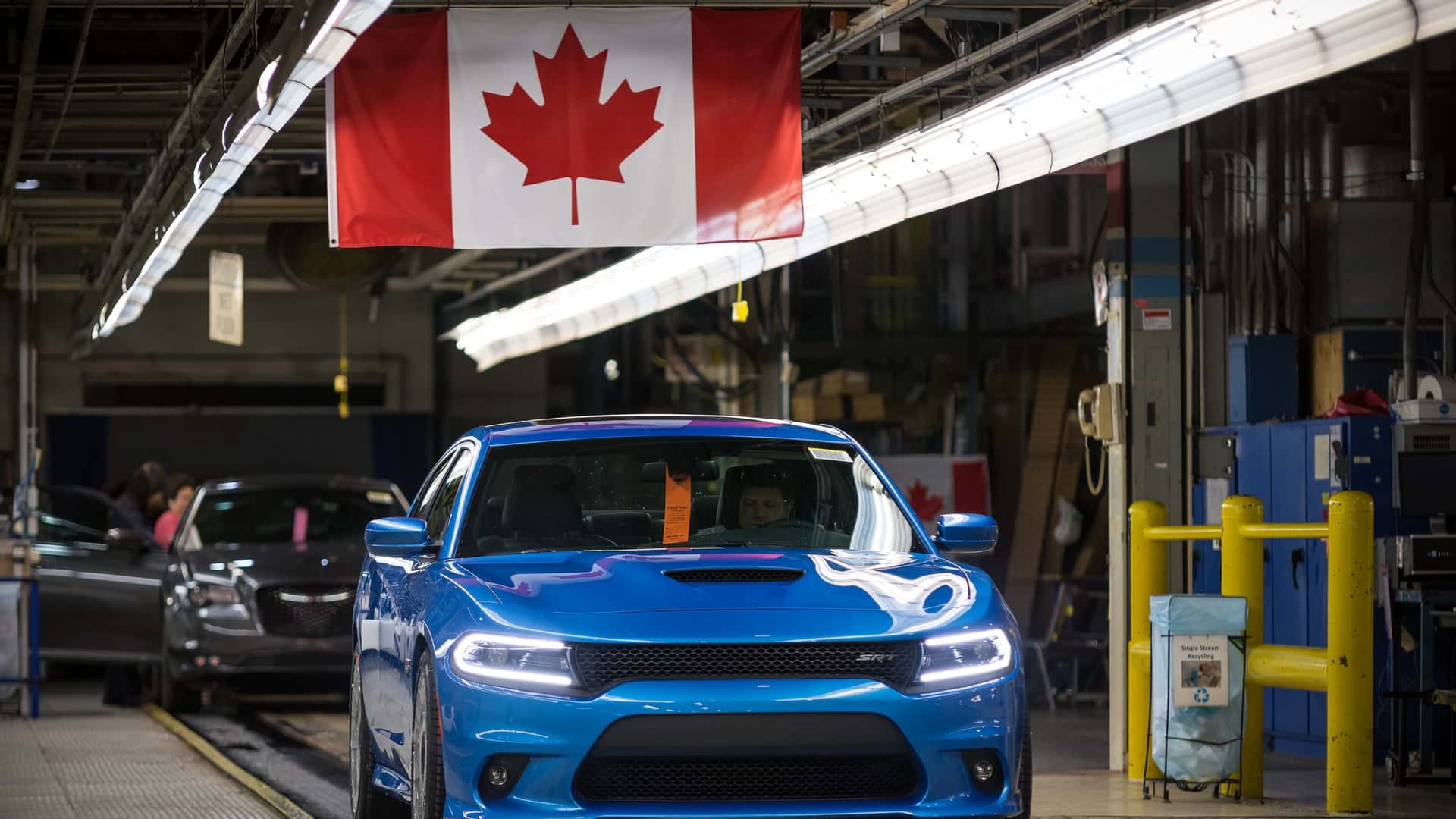
Washington’s position, while less transparent, has been framed by administration officials as a necessary step to protect American manufacturing jobs and incentivize the "onshoring" of heavy vehicle production. The White House maintains that the 50% tariff structure is a lever intended to bring leverage to the negotiating table, though it now appears that the lever has snapped entirely.
Implications for Automakers and the Consumer
The immediate consequence for the automotive industry is a state of profound uncertainty. Automakers with cross-border operations—firms that rely on parts and vehicle assembly flowing freely between Ontario and the US Midwest—are now facing a massive increase in the cost of goods sold.
1. The Cost of Compliance
For manufacturers, the added tariffs on trucks and SUVs built in Canada will likely be passed directly to the consumer. This creates an inflationary pressure on vehicle sticker prices at a time when the auto industry is already struggling with high interest rates and declining affordability.
2. The EV Transition Under Fire
Perhaps the most collateral damage is being felt in the electric vehicle (EV) sector. Many automakers were already in the process of re-evaluating their EV portfolios, citing slow adoption rates and supply chain complexities. The sudden imposition of these tariffs serves as a catalyst for further retrenchment. Several manufacturers have already paused or canceled specific EV production plans for the North American market, fearing that the added cost of cross-border component shipping will make their vehicles non-competitive.
3. Supply Chain Reconfiguration
The long-term strategy for many Tier-1 and Tier-2 suppliers will likely be to abandon the Canada-US integrated model in favor of regional silos. We can expect an acceleration of investment in production facilities located strictly within US borders or, in some cases, Mexico, to avoid the logistical and financial minefield of the Canada-US border.
The Motor1 Perspective: A Looming Headache
The failure to reach an agreement is not merely a political failure; it is an industrial one. Manufacturers and parts suppliers are now left with an untenable scenario: either absorb the costs—which will cannibalize R&D budgets for future vehicle technology—or pass them to the consumer, which risks stalling the market entirely.
The most vulnerable are the small-to-medium-sized suppliers. Unlike massive conglomerates that have the capital to shift production locations, smaller entities often rely on highly specific, single-border-crossing supply chains. For these businesses, the 50% tariff is not a negotiating tactic—it is a potential bankruptcy event.
As we look toward the September 8 deadline, the automotive industry faces a "new normal" defined by friction. The era of seamless, low-cost North American manufacturing is, for the time being, on hold. Whether this leads to a forced, permanent shift in production or a eventual return to the negotiating table remains the primary question for global automotive stakeholders. One thing is certain: the consumer will ultimately pay the price for this diplomatic impasse, whether through higher MSRPs or a reduced selection of vehicles as manufacturers scramble to find their footing in a fragmented market.
For ongoing updates regarding the impact of these tariffs on vehicle pricing, production schedules, and the broader EV market, stay tuned to our rolling coverage.