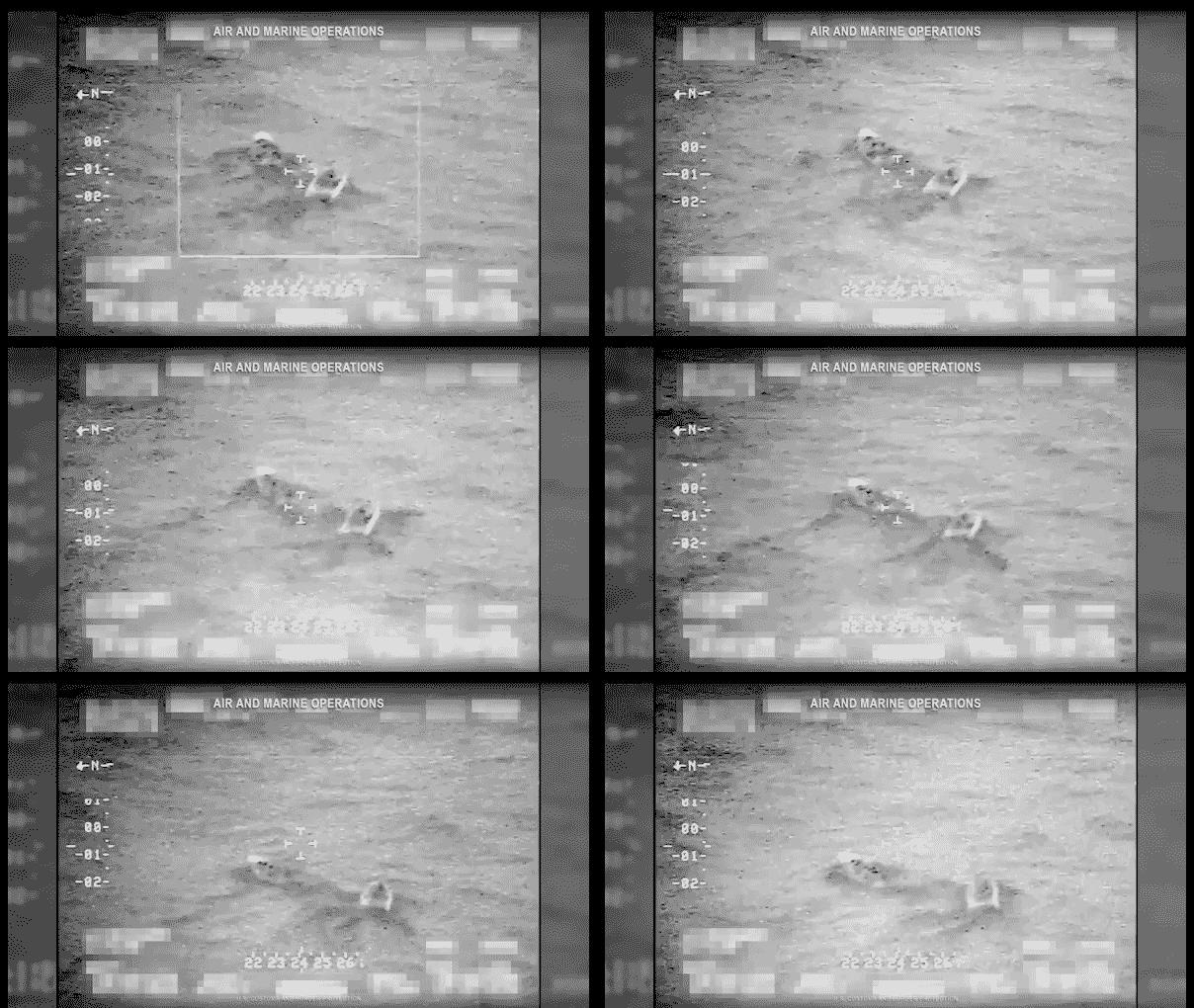
In the dark, turbulent waters of the Mona Passage, a high-stakes maritime interdiction unfolded in the early hours of June 6. A joint operation involving U.S. Customs and Border Protection (CBP) and the U.S. Coast Guard (USCG) successfully intercepted an overloaded, rustic vessel carrying 40 migrants. The incident, which occurred near the uninhabited wildlife refuge of Desecheo Island, Puerto Rico, highlights the increasingly diverse and globalized nature of maritime smuggling routes into United States territories.
Among those detained were citizens from the Dominican Republic and Haiti, as well as a migrant from Uzbekistan—a striking detail that underscores how transnational smuggling networks are utilizing Caribbean routes to transport migrants from far beyond the Western Hemisphere.
Main Facts of the Interdiction
The interception took place approximately 13 miles off the western coast of Puerto Rico, near Desecheo Island, a rugged landmass situated in the Mona Passage. The vessel involved was a rustic, wooden boat—often referred to locally as a "yola"—measuring between 25 and 30 feet in length.
According to federal authorities, the vessel was dangerously overcrowded, lacking basic safety equipment, navigation lights, and adequate life preservers for the passengers aboard. A total of 40 individuals were detained during the operation. The demographic breakdown of the passengers consisted of:
- Dominican Republic: 36 nationals (34 adult males and 2 adult females)
- Haiti: 3 adult males
- Uzbekistan: 1 adult male
The operation was a coordinated effort utilizing advanced aerial surveillance from CBP’s Air and Marine Operations (AMO) and tactical surface interception by the U.S. Coast Guard. No injuries were reported among the migrants or the law enforcement personnel during the operation.
Chronology of the Intercept
The successful apprehension was the result of a rapid, multi-agency response that began in the dead of night.
12:30 AM – Detection
The operation commenced just before 12:30 a.m. local time on June 6, when operators at the Caribbean Air and Marine Operations Center (CAMOC) detected a suspicious radar target west of Puerto Rico. The vessel was riding low in the water and displaying no navigation lights, a common tactic used by maritime smugglers to evade detection.
12:45 AM – Aerial Tracking
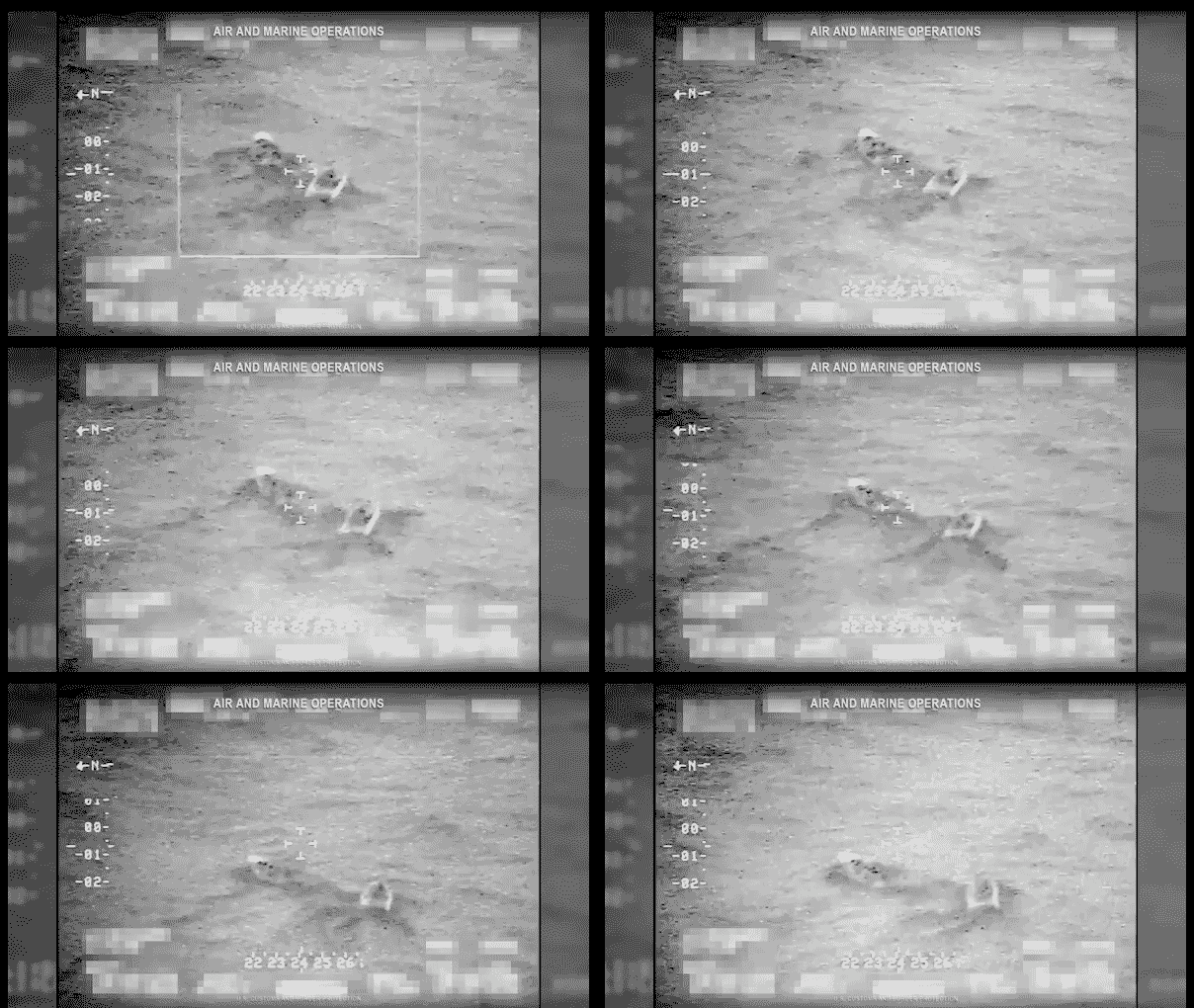
CAMOC immediately relayed the target’s coordinates to a National Air Security Operations Center (NASOC) DHC-8 maritime patrol aircraft. The twin-engine turboprop aircrew quickly located the vessel using infrared and electro-optical sensors. Aerial observers confirmed that the 25-to-30-foot rustic craft was heavily loaded with passengers. At this stage, the boat appeared to be disabled, wallowing in the swells and "unable to make way."
1:15 AM – Surface Vectoring
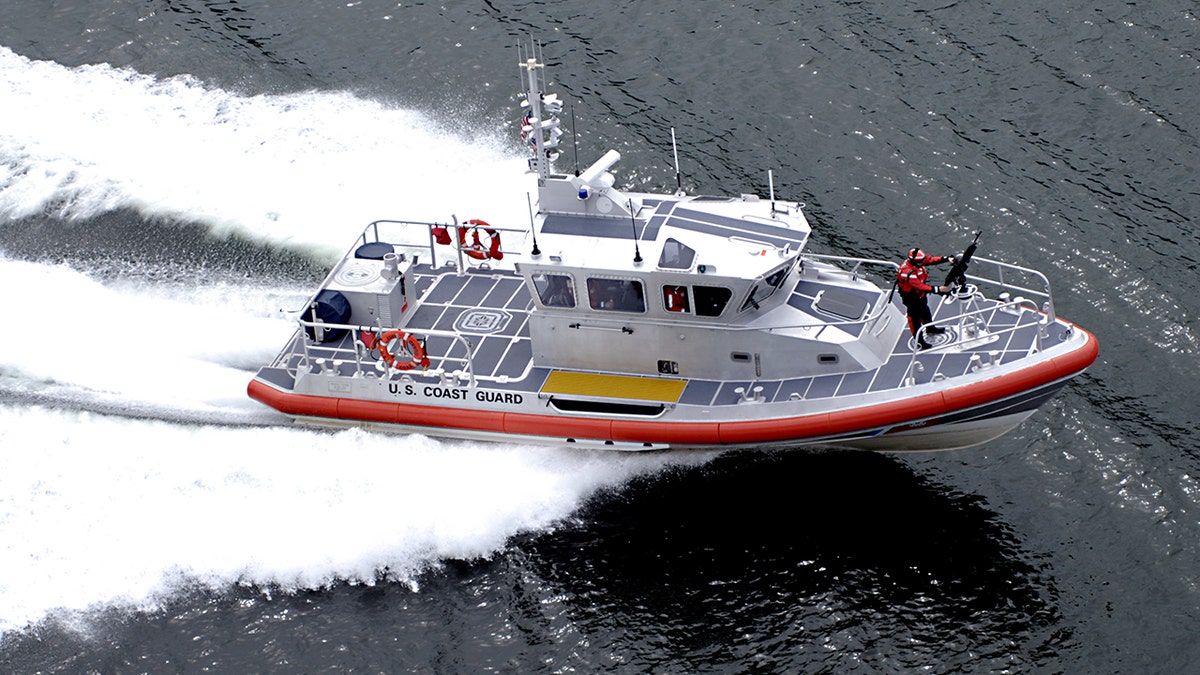
While the DHC-8 aircrew maintained high-altitude surveillance from above, they established communication with a nearby U.S. Coast Guard cutter. The aircrew guided the cutter toward the disabled vessel’s exact GPS coordinates, providing real-time updates on the boat’s status and the behavior of those on board.
1:45 AM – The Pursuit
As the U.S. Coast Guard cutter closed the distance and illuminated the vessel, the boat suddenly regained propulsion. In a desperate bid to evade federal authorities, the operator of the migrant vessel turned the craft toward the Puerto Rican shoreline, accelerating through the dark waters.
2:00 AM – Interception and Apprehension
The Coast Guard cutter quickly maneuvered to block the vessel’s path. By approximately 2:00 a.m., crew members successfully intercepted the boat, bringing the pursuit to a safe conclusion. Coast Guard personnel boarded the vessel, secured the engine, and began the systematic transfer of all 40 migrants to the cutter for medical screening, biometric processing, and repatriation proceedings.
Supporting Data: The Treacherous Caribbean Migration Route
The Mona Passage, which separates the Dominican Republic from Puerto Rico, is one of the most hazardous maritime transit zones in the Americas. Spanning roughly 80 miles, it is characterized by violent, unpredictable currents, heavy swells, and sudden weather shifts.
+------------------------------------------------------------+
|             Mona Passage Interception Demographics         |
+------------------------------------+-----------------------+
| Nationality                        | Count (Gender)        |
+------------------------------------+-----------------------+
| Dominican Republic                 | 36 (34 Men, 2 Women)  |
| Haiti                              | 3 (Men)               |
| Uzbekistan                         | 1 (Men)               |
+------------------------------------+-----------------------+
| Total Apprehended                  | 40                    |
+------------------------------------+-----------------------+
The Perils of "Yola" Transits
Smugglers routinely use makeshift wooden boats powered by a single, often unreliable outboard motor. These vessels are prone to capsizing, taking on water, or suffering engine failure. When a boat becomes disabled in the Mona Passage, the strong currents can quickly sweep it north into the open Atlantic Ocean, far from shipping lanes and rescue services. Over the last decade, hundreds of migrants are believed to have drowned in these waters, their bodies rarely recovered.
Evolving Demographics
Historically, the vast majority of migrants attempting to cross the Mona Passage have been Dominican nationals seeking economic opportunities, joined in recent years by thousands of Haitians fleeing severe political instability, gang violence, and humanitarian crises.
However, the inclusion of an Uzbek national in this transit indicates a growing trend. Transnational criminal organizations are increasingly offering "global packages," smuggling individuals from Central Asia, the Middle East, and Africa through South and Central America, before routing them through the Caribbean to bypass heavily fortified land borders in the southern United States.
Official Responses and Law Enforcement Actions
Federal officials emphasized that the successful intercept saved lives while securing the nation’s maritime borders.
CBP and Coast Guard representatives reiterated the severe dangers of maritime smuggling, warning potential migrants against trusting their lives to criminal organizations.
"Smugglers do not value human life," a CBP spokesperson stated following the operation. "They crowd desperate people onto unseaworthy vessels with no regard for their safety, solely for financial gain. Our priority remains detecting these vessels early to prevent tragic loss of life at sea, while ensuring the integrity of our borders."
The 40 detained migrants were processed under Title 8 immigration authority. Under this framework, individuals who enter the United States unlawfully face rapid repatriation to their country of origin or last departure, along with a minimum five-year ban on re-entry and potential criminal prosecution if they attempt to return illegally.
Implications: Geopolitics, Smuggling Networks, and Border Security
This incident highlights several shifting dynamics in regional border security and geopolitics:
1. Puerto Rico as a Strategic Gateway
Puerto Rico’s status as an unincorporated U.S. territory makes it a primary target for human smuggling. Once a migrant successfully steps foot on Puerto Rican soil, they have reached U.S. territory. From there, domestic flights to the mainland United States do not require passing through federal customs or passport control in the same manner as international arrivals, making mainland travel far easier for those who successfully evade detection.
2. Globalized Smuggling Networks
The presence of an Uzbek national on a rustic boat in the Caribbean highlights the expansive reach of modern human smuggling networks. Migrants from Central Asia often fly to countries in South or Central America that have lenient visa requirements. From there, they are guided through overland routes or maritime corridors by organized smuggling rings. The diversification of these routes suggests that border enforcement measures on the U.S.–Mexico land border are prompting smuggling syndicates to redirect their clients to maritime entry points.
3. Increased Strain on Maritime Assets
The continuous need for aerial surveillance and surface patrols in the Caribbean places a heavy demand on federal resources. To counter these threats, the U.S. Coast Guard and CBP have expanded their joint operations, utilizing advanced radar, long-range patrol aircraft like the DHC-8, and fast-response cutters. However, as smuggling networks become more sophisticated and adapt to law enforcement patterns, maintaining a continuous, effective deterrent across thousands of square miles of open ocean remains an ongoing operational challenge.