Main Facts: The Hawk Fire Crisis in Washoe County
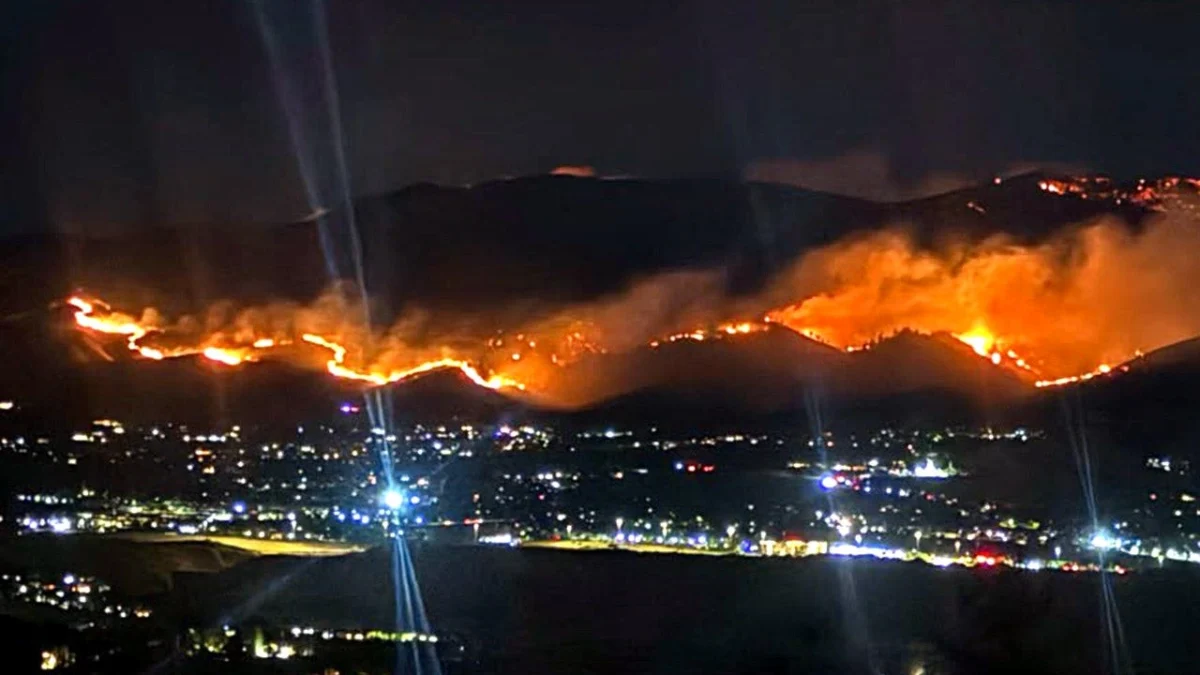
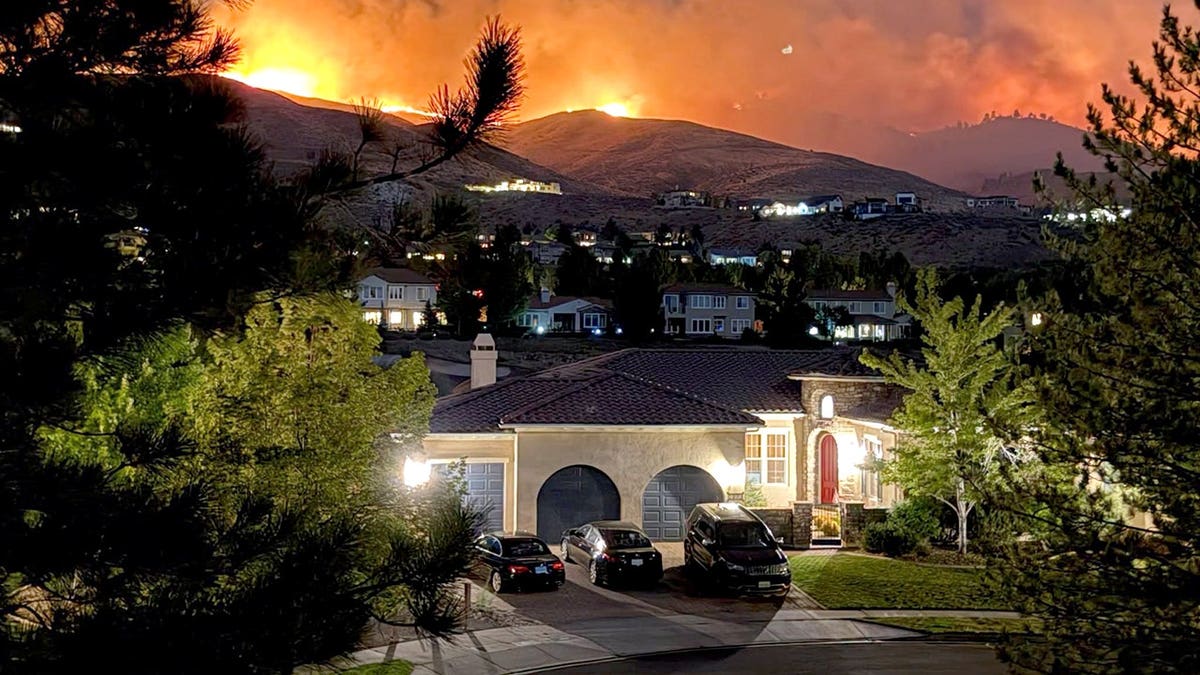
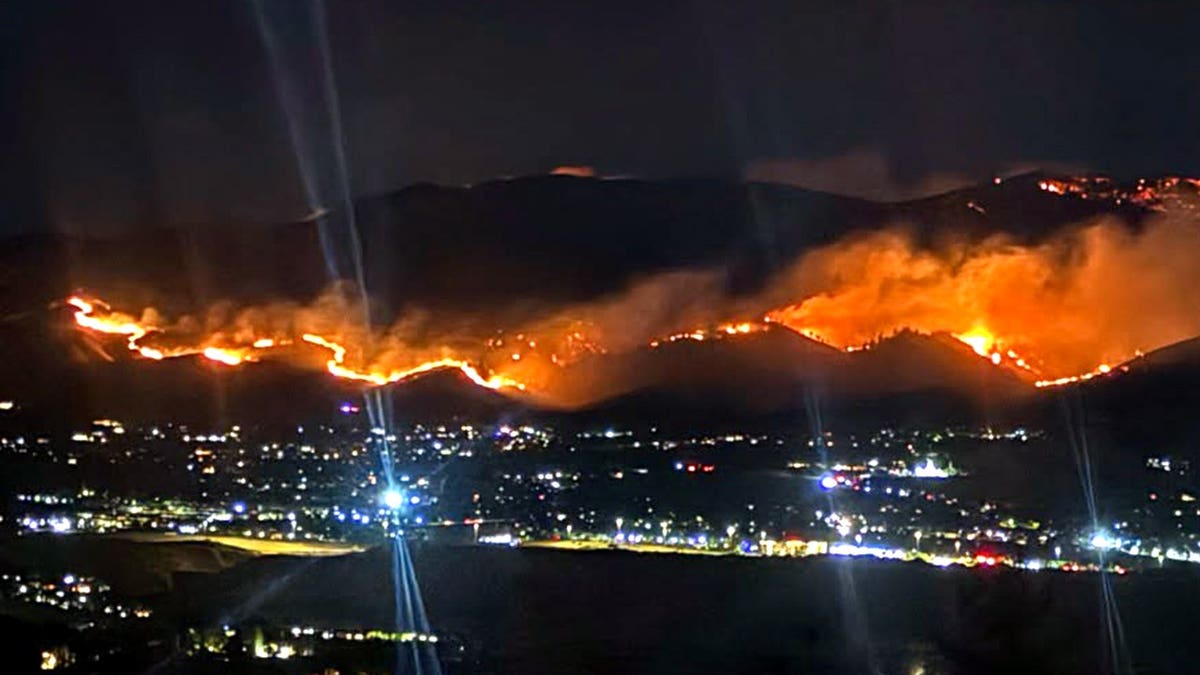
A fast-moving, wind-driven brush fire, designated as the Hawk Fire, has triggered a major public safety emergency in northern Nevada. On Saturday, the blaze exploded across more than 10,500 acres of dry vegetation and rugged terrain just outside Reno, placing approximately 1,000 homes under immediate threat and forcing hundreds of residents to flee. The rapid expansion of the fire prompted Nevada Governor Joe Lombardo to officially declare a state of emergency for Washoe County, unlocking critical state resources and streamlining interagency coordination to combat the growing disaster.
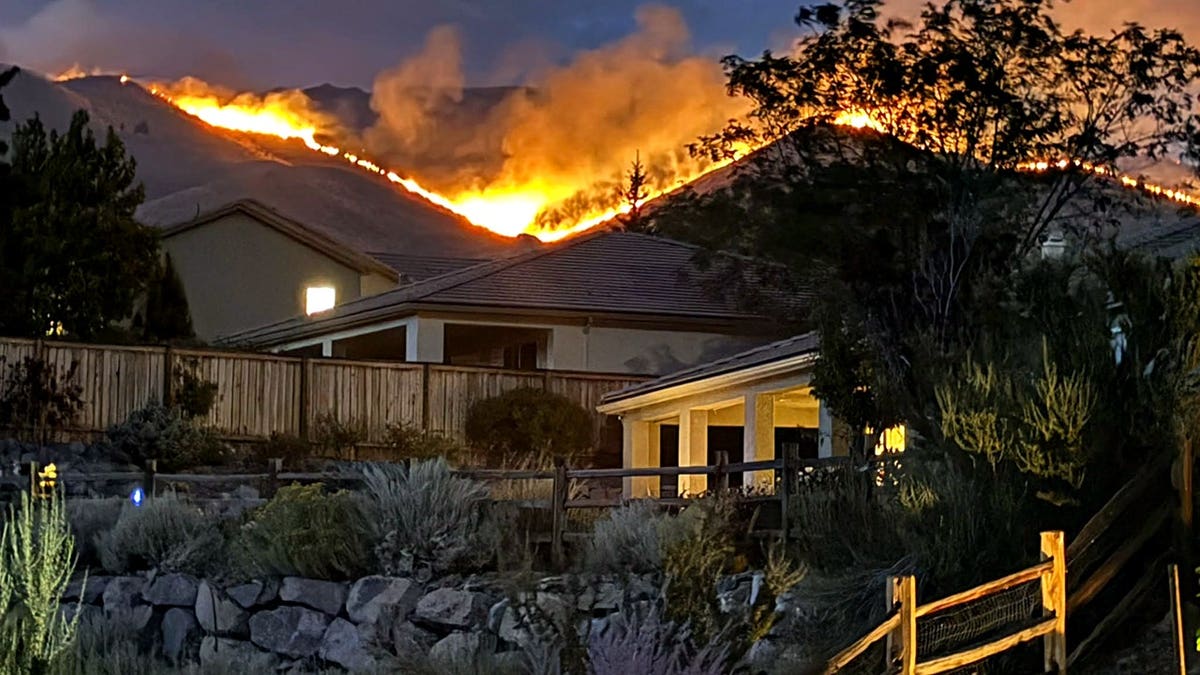
Fueled by a combination of powerful, gusty winds, critically low relative humidity, and highly combustible dry brush, the Hawk Fire has presented extreme challenges to emergency personnel. Fire officials have confirmed that the blaze has already breached residential boundaries, destroying or damaging an unspecified number of structures.
As of Saturday evening, approximately 400 firefighters and emergency personnel from local, state, and federal agencies were actively engaged in suppression efforts. The response is a highly coordinated, multi-jurisdictional operation utilizing both ground crews and aerial assets. To maintain pressure on the fire line during the perilous nighttime hours, officials cleared three specialized helicopters to conduct overnight flight operations, targeting hot spots and protecting vulnerable subdivisions.
Chronology of the Blaze: From Spark to 10,500-Acre Conflagration
Initial Outbreak and Wind-Driven Surge
The Hawk Fire ignited on Saturday amid critical weather conditions characterized by a regional Red Flag Warning. Driven by powerful downslope winds cascading off the eastern slopes of the Sierra Nevada mountains, the fire quickly found purchase in the thick sagebrush and invasive cheatgrass that cover the high-desert hillsides surrounding the Truckee Meadows. Within hours of ignition, the fire exhibited extreme behavior, characterized by rapid rates of spread and spotting, where wind-blown embers ignite new fires ahead of the main front.
As the afternoon progressed, the wind intensified, pushing the fire front directly toward populated suburban communities on the western and northwestern fringes of Reno. The fire’s rapid advance left emergency managers with very little lead time, necessitating swift tactical shifts from offensive containment strategies to defensive structure protection and life-safety operations.
[Saturday Morning]
  │  Ignition of Hawk Fire amid high winds and low humidity.
  ▼
[Saturday Afternoon]
  │  Blaze swells past several thousand acres; extreme fire behavior observed.
  │  First evacuation warnings ("Get Set") issued for Somersett and adjacent areas.
  ▼
[Late Saturday Afternoon]
  │  Governor Joe Lombardo declares a State of Emergency for Washoe County.
  │  Evacuation orders upgraded to mandatory ("Go") for multiple neighborhoods.
  ▼
[Saturday Evening / Night]
  │  Acreage surpasses 10,500 acres; structures confirmed damaged.
  │  Over 400 personnel deployed; overnight helicopter drops commence.
Escalation and Evening Operations
By late Saturday afternoon, the fire had grown exponentially, surpassing the 10,500-acre mark. The smoke plume was visible for miles across the Truckee Meadows basin, casting a dark pall over Reno and Sparks. As evening approached, wind gusts continued to buffet the region, preventing firefighters from establishing secure containment lines.
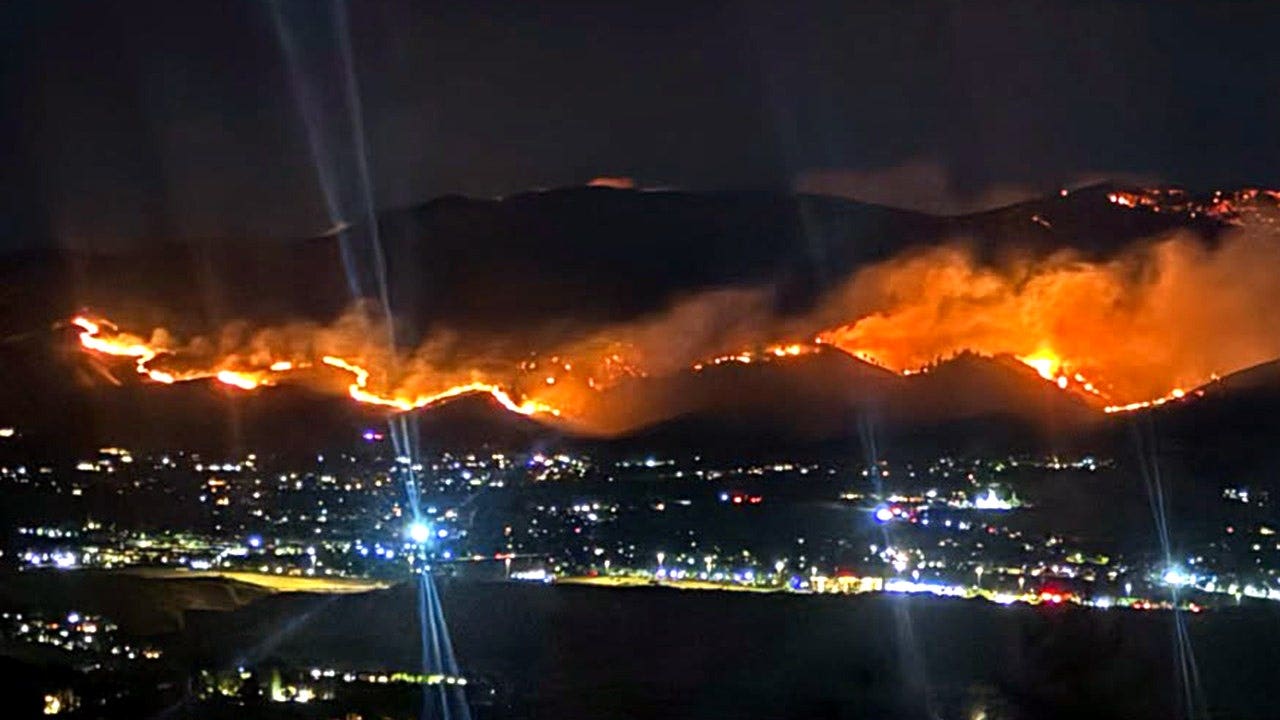
As darkness fell, the tactical approach shifted. While ground crews focused on defending homes in the Somersett and West 7th Street corridors, air operations transitioned to night-flying assets. Three helicopters equipped with specialized night-vision and thermal imaging technology were deployed to perform water drops through the night, a critical measure aimed at cooling the fire’s active edge before the return of diurnal winds the following morning.
Supporting Data: Environmental Conditions and Firefighter Deployment
Atmospheric and Fuel Conditions in Northern Nevada
The rapid escalation of the Hawk Fire was dictated by a combination of meteorological and botanical factors unique to the Great Basin region. Northern Nevada had been experiencing a prolonged period of hot, dry weather, which desiccated local fuels.
| Environmental Metric | Observed Levels during Hawk Fire | Critical Threshold for Extreme Fire Behavior |
|---|---|---|
| Wind Speed / Gusts | 35–45 mph | > 25 mph |
| Relative Humidity | 8% – 12% | < 15% |
| Fuel Moisture Content | Critically Low | < 5% (1-hour fine fuels) |
| Ambient Temperature | Mid-to-High 90s (°F) | > 90°F |
The primary fuels feeding the Hawk Fire are sagebrush, rabbitbrush, and cheatgrass. Cheatgrass, an invasive annual grass that thrives in disturbed Great Basin soils, acts as a "fine fuel" that ignites easily and carries fire rapidly across vast distances. Once the fire transitions from grass to woody sagebrush, the energy release increases significantly, creating high-intensity flame fronts that are difficult to manage with direct attack methods.
Resource Allocation and Tactical Operations
To combat a fire of this magnitude, emergency managers activated a mutual aid network encompassing local, state, and federal entities.
- Personnel deployed: Approximately 400 firefighters, including hand crews, engine modules, and heavy equipment operators.
- Participating Agencies: Truckee Meadows Fire Protection District (TMFPD), Reno Fire Department, Washoe County Sheriff’s Office, Nevada Division of Forestry (NDF), Bureau of Land Management (BLM), and the U.S. Forest Service (USFS).
- Aerial Assets: Air tankers (operating during daylight hours) and three specialized helicopters designated for overnight water drops and reconnaissance.
- Ground Assets: Dozer crews working to cut emergency containment lines, alongside structural protection engines stationed directly within threatened neighborhoods.
Evacuation Zones and Community Impact Metrics
The path of the Hawk Fire directly intersected Reno’s expanding Wildland-Urban Interface (WUI). The following zones were established by emergency management:
- Mandatory Evacuation Zones ("GO"):
- The Somersett community, specifically areas north of Somersett Parkway extending to Robb Drive.
- Neighborhoods located north of West 7th Street extending to North McCarran Boulevard.
- Evacuation Warning Zones ("GET SET"):
- Approximately 1,000 homes in adjacent neighborhoods were placed on high alert, with residents instructed to pack essential belongings, prepare pets, and be ready to depart at a moment’s notice.
Official Responses: Leadership and Emergency Declarations
State Leadership: Governor Joe Lombardo’s Emergency Declaration
Governor Joe Lombardo’s declaration of a state of emergency for Washoe County served as the formal administrative catalyst to accelerate the state’s disaster response. By declaring an emergency, the governor enabled the state to bypass certain procurement barriers, mobilize the Nevada National Guard if necessary, and request immediate assistance from federal partners.
"This is an active and rapidly evolving situation, and I urge everyone in the affected areas to remain vigilant and follow the direction of local officials," Governor Lombardo said in an official statement. He emphasized that the state would remain in constant communication with Washoe County emergency managers to ensure all necessary resources are deployed to protect lives and property.
Municipal Action: Reno Mayor Hillary Schieve’s Urgent Directives
Reno Mayor Hillary Schieve issued a direct, impassioned appeal to residents within the evacuation zones, urging them to prioritize human life over material possessions. Her warning came alongside the sobering confirmation that the fire had already breached residential perimeters and impacted structures.
"If you have been told to evacuate, please don’t wait! Structures have already been burned in this fire and your life is more important than a building."
— Hillary Schieve, Mayor of Reno
Mayor Schieve pointed out that delayed evacuations put a double strain on first responders. When residents refuse to leave, firefighters must divert their attention from active fire suppression to perform emergency rescues, compounding the danger for everyone involved.
Tactical Leadership: Chief Richard Edwards on Wind Dynamics
Truckee Meadows Fire and Rescue Chief Richard Edwards highlighted the tactical challenges presented by the extreme weather conditions. In a video address shared on social media platforms, Chief Edwards explained how the wind acted as the primary driver of the fire’s erratic behavior.
"The Hawk Fire is a very dynamic incident for us as it’s being driven by the winds," Chief Edwards stated. "The wind-driven fires move very rapidly into our residential areas, creating a lot of challenges for our firefighters to save homes and protect lives."
Edwards noted that under high wind conditions, traditional firefighting tactics, such as laying hose lines or cutting hand lines directly at the fire’s edge, are often too dangerous. Instead, crews must focus on structural triage—prepping homes by removing flammable materials nearby, wetting down roofs, and extinguishing spot fires as they arise.
Public Safety and Correctional Infrastructure: Sheriff Darin Balaam
A significant logistical concern during the initial hours of the Hawk Fire was the proximity of the active fire front to a Washoe County correctional facility. Washoe County Sheriff Darin Balaam assured the public that his office was working hand-in-hand with fire commanders to monitor the situation closely.
"The safety and security of every incarcerated individual, as well as our staff, remains a top priority," Sheriff Balaam said in a statement. "We will continue to evaluate conditions and respond accordingly."
Sheriff’s deputies were also heavily deployed throughout the evacuation zones to manage traffic control, secure evacuated neighborhoods against potential property crimes, and assist elderly or disabled residents who required physical assistance to evacuate.
Broader Implications: The WUI Challenge and Future Fire Management
The Wildland-Urban Interface (WUI) Dilemma in the Mountain West
The Hawk Fire is a stark reminder of the escalating risks associated with the Wildland-Urban Interface (WUI)—the zone of transition between unoccupied land and human development. Over the past few decades, communities like Reno have expanded outward into the surrounding hills, placing residential subdivisions in direct contact with ecosystems that are historically adapted to burn.
[Wildland Area: Sagebrush/Cheatgrass] ──> [WUI Zone: Somersett/West 7th] ──> [Urban Core: Reno]
       ▲                                         ▲
       │                                         │
  Natural Fire Regime                       Increased Risk
  (High-intensity brush fires)              (Life & property loss)
In areas like Somersett, homes are built along steep ridges and canyons that act as natural chimneys, drawing wind and heat upward. When a fire ignites in these corridors, it can sweep up a slope in a matter of minutes, leaving homeowners with little time to escape. This reality has forced urban planners and emergency managers to reconsider building codes, landscaping ordinances, and evacuation route designs for all future developments in the Western United States.
Economic, Health, and Environmental Toll on the Truckee Meadows
While the immediate focus remains on containment and life safety, the long-term implications of the Hawk Fire will be felt across several sectors:
- Infrastructural and Property Losses: The destruction of structures will result in millions of dollars in insurance claims. It also places a heavy burden on municipal infrastructure, as utility companies like NV Energy must work to replace burned power poles, transformers, and downed lines to restore power to affected neighborhoods.
- Public Health Impacts: The heavy smoke generated by 10,500 acres of burning sagebrush and grass creates hazardous air quality conditions across the Truckee Meadows basin. Particulate matter ($PM_2.5$) can settle in the valley, posing severe health risks to children, the elderly, and individuals with pre-existing respiratory conditions such as asthma or chronic obstructive pulmonary disease (COPD).
- Ecological Rehabilitation: The destruction of native sagebrush habitat opens the door for further colonization by invasive cheatgrass. This creates a destructive feedback loop: more cheatgrass leads to more frequent and intense fires, which in turn wipes out native plants and allows cheatgrass to dominate the landscape completely.
Technological Innovations in Modern Wildfire Suppression
As fires grow larger and more unpredictable due to climate variability and fuel accumulation, firefighting agencies are turning to advanced technologies to gain an upper hand. Among these innovations is the deployment of artificial intelligence (AI) and unmanned aerial vehicles (UAVs).
AI-powered cameras, mounted on high-altitude lookouts across the Sierra Nevada and Great Basin, are increasingly used to detect smoke plumes automatically, often flagging fires before they are reported via 911 calls. Additionally, firefighting drones are being utilized to map fire perimeters through heavy smoke, identify heat signatures, and even launch targeted ignition operations to burn out fuels ahead of an advancing fire front.
In the case of the Hawk Fire, the use of night-vision-equipped helicopters represents a significant technological leap. Historically, air operations were grounded at sunset due to the extreme hazards of flying low over mountainous terrain in the dark. Today, advanced thermal sensors and night-vision goggles allow pilots to safely navigate the night skies, providing continuous aerial suppression that prevents fires from recovering during the cooler overnight hours.