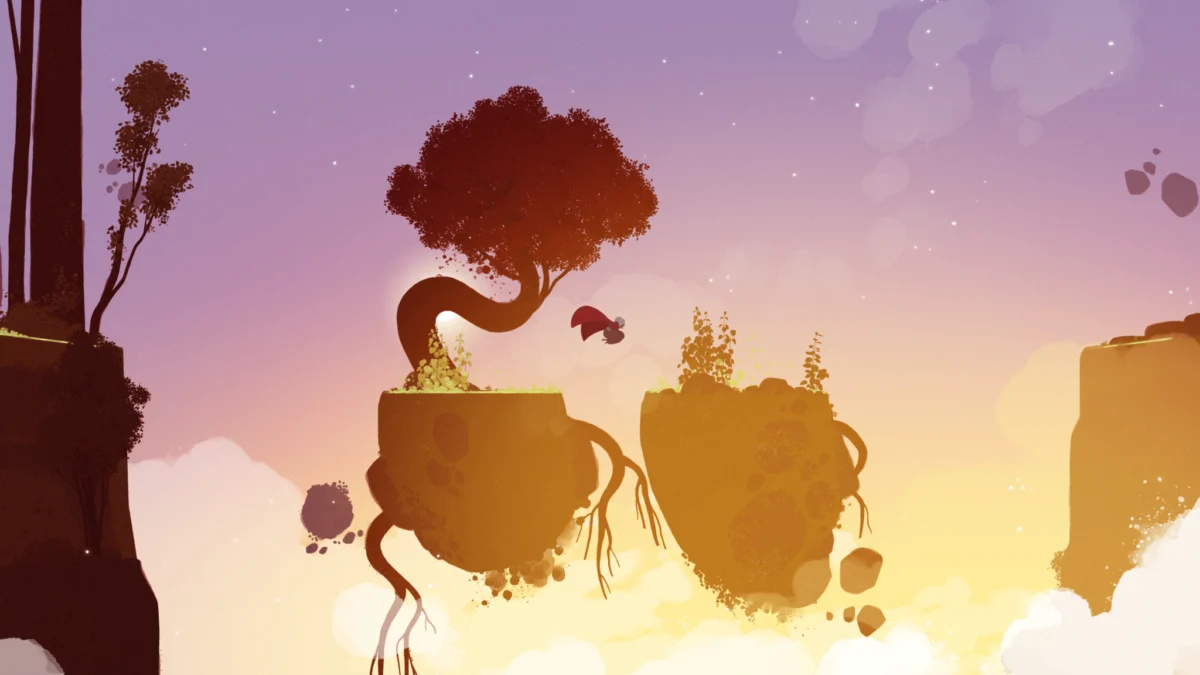
In the vast, often noisy landscape of modern gaming, few studios manage to communicate the raw, unfiltered spectrum of human emotion without uttering a single syllable. In 2018, Nomada Studio captivated the industry with Gris, a platformer that turned the abstract, agonizing topography of grief into a literal, painterly landscape. It was a game that didn’t just ask players to jump and climb; it asked them to sit with their sadness.
Six years later, the studio has returned with Neva—a title that functions not merely as a successor to Gris, but as an evolution. While Gris was a solitary meditation on loss, Neva is an exploration of the profound, often painful bonds we form with those we love. Currently available for subscribers of PlayStation Plus Extra and Premium, Neva stands as one of the definitive gaming experiences of the 2020s, blending technical platforming finesse with a narrative weight that feels both intimate and mythic.
The Evolution of Nomada Studio: From Grief to Companionship
To understand the weight of Neva, one must first appreciate the legacy of its predecessor. Gris established a specific "Nomada language": high-contrast, watercolor aesthetics, a haunting, reactive soundtrack, and a complete absence of traditional dialogue. The studio proved that mechanics could be metaphors—that a character losing their voice or the ability to progress was a poignant commentary on depression.
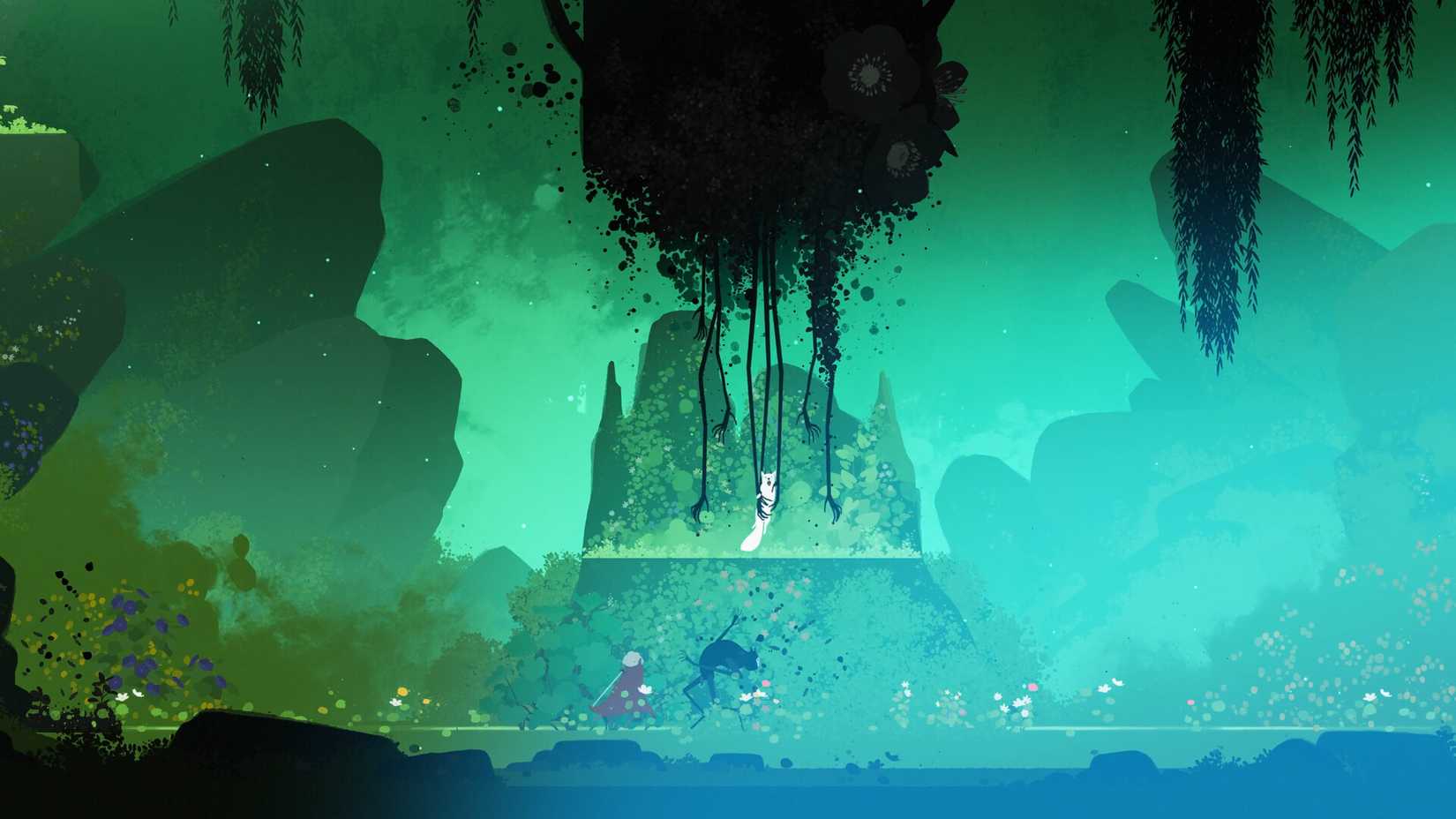
Neva takes this established vocabulary and expands the sentence structure. In the world of Neva, players step into the shoes of Alba, a young woman navigating a forest caught in the throes of a spreading, corruption-fueled decay. The environment is vibrant—drenched in greens and pinks—but the threat is palpable. Where Gris was about the internal landscape, Neva is about the external world we protect and the inevitable pain of watching that world change.
The core of the game is the eponymous dog companion, Neva. Unlike the silent protagonists of the studio’s past, this relationship is built on a single, recurring vocalization. Alba speaks the name "Neva"—sometimes in a whisper of comfort during a quiet moment, other times in a desperate, guttural shriek when the pup is cornered by the game’s encroaching darkness. For any dog owner, these moments are not just game design; they are a mirror held up to the visceral, protective instinct that defines the human-canine bond.
A Chronology of Conflict: Growing Up in a Dying World
The narrative of Neva is a masterclass in pacing, structured around the growth of its titular character. The game begins with a shared tragedy, a catastrophic event that irrevocably alters the lives of both Alba and her lupine companion.
The Puppy Phase
In the opening hours, Neva is small, vulnerable, and largely incapable of defending themselves. The gameplay here mirrors the protective nature of the bond; Alba is the primary actor, solving environmental puzzles and maneuvering through platforming segments while keeping an eye on the puppy. It creates a sense of dependency that makes the player feel truly responsible for the creature’s safety.
The Adolescent and Adult Stages
As the narrative progresses, Neva grows. The puppy that once stumbled through tall grass eventually matures into a formidable, wolf-like guardian. This growth is mirrored in the gameplay mechanics. Nomada Studio has introduced combat and fail states—elements intentionally absent from Gris—to illustrate the escalating hostility of the world. As Neva grows, their ability to assist in combat increases, transforming from a liability into a partner. The "hack and slash" mechanics here are purposefully limited, emphasizing the emotional stakes of the encounter over the thrill of the kill. You aren’t fighting for loot or experience points; you are fighting for the survival of your companion.

Visuals and Mechanics: The Art of the "Soulful" Platformer
Neva distinguishes itself through its aesthetic discipline. The enemies—inky, bulbous creatures with white, expressionless masks—evoke the terrifying, fluid shapes found in Hayao Miyazaki’s Spirited Away. These creatures act as a visual manifestation of the corruption, a contrast to the soft, hand-drawn elegance of the protagonist.
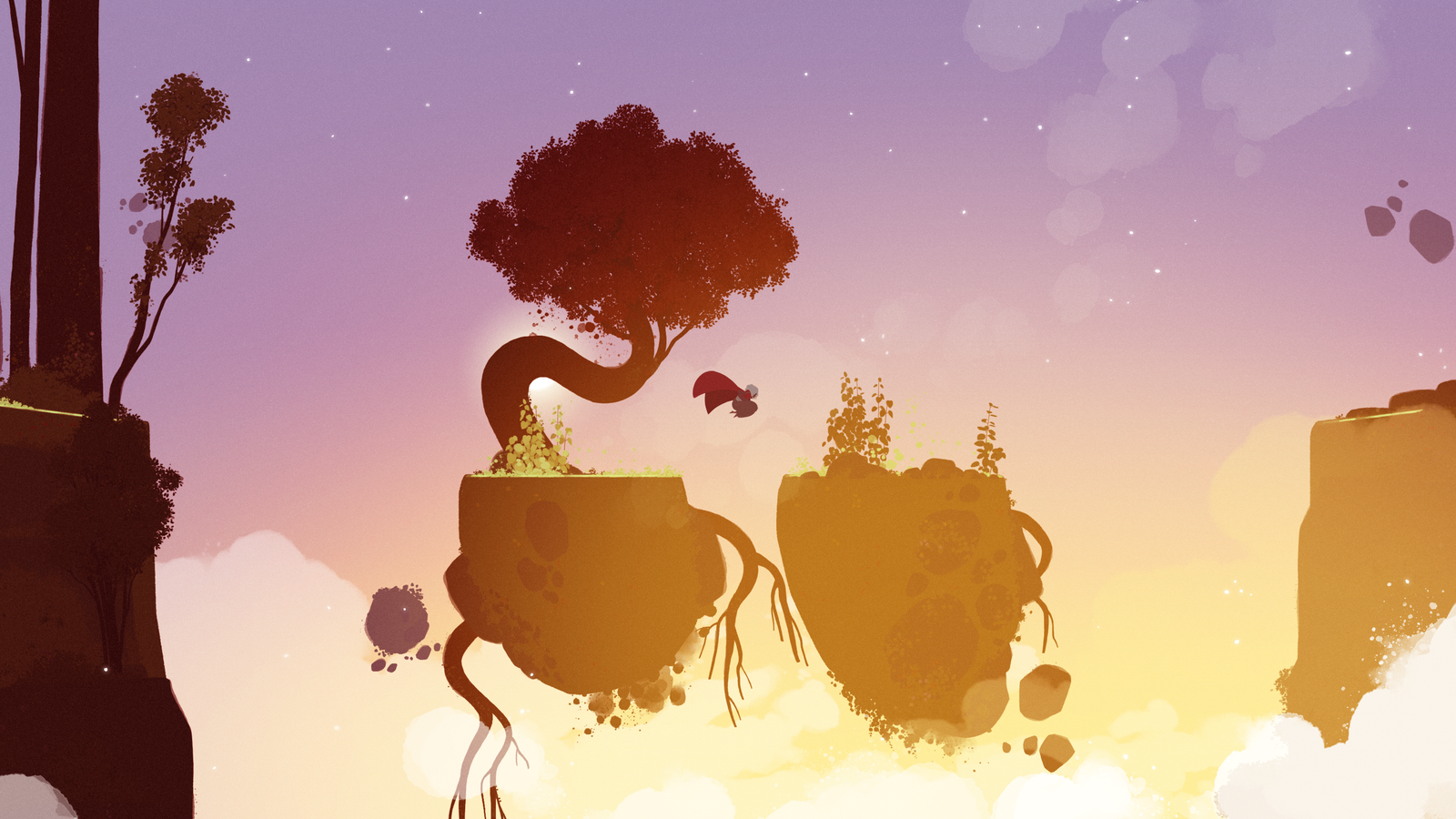
The platforming, too, has been refined. Alba’s movement is fluid, allowing for acrobatic traversal across ruined, towering architecture and floating, surreal landscapes. The game demands precision, yet it remains accessible, ensuring that the player is never so frustrated by the difficulty that they lose sight of the atmospheric beauty. Every screenshot, every frame of animation, functions as a piece of concept art—a testament to the studio’s commitment to visual storytelling.
Supporting Data: Why Four Hours is Enough
In an era of "live service" games that demand hundreds of hours of repetitive engagement, Neva is a refreshing anomaly. With a completion time of roughly four hours, it is designed as a focused, singular experience—a "weekend binge" that respects the player’s time.
The game’s impact is supported by the reception of its prequel, the Neva: Prologue DLC. Released earlier this year, the prologue provides the necessary context for the bond between Alba and her companion, effectively functioning as the emotional bedrock for the main campaign. By separating the origin story from the main game, Nomada allows the player to choose their depth of engagement while ensuring that the core four-hour experience remains tightly curated and emotionally impactful.
Implications for the Industry
The success of Neva suggests a significant shift in player appetite. As gaming continues to mature as an artistic medium, titles like Neva are proving that there is a massive, underserved market for games that prioritize "the cry."
- Narrative Minimalism: By eschewing complex dialogue trees, Neva transcends language barriers, making its themes of loss and protection universal.
- Mechanics as Metaphor: The integration of combat into a story about love and protection demonstrates that "indie" games can handle complex gameplay systems without sacrificing their narrative soul.
- Subscription Value: The inclusion of Neva in PlayStation Plus Extra and Premium is a strategic move, positioning high-art, short-form narrative games as a cornerstone of value for subscription services.
Conclusion: A Mirror for Our Own Loves
Ultimately, Neva is not just a game; it is an experience that demands emotional vulnerability. It captures the fleeting nature of childhood, the inevitability of growth, and the agony of watching those we love face a dangerous world. Nomada Studio has once again proven that video games can be as profound as the best literature or cinema.
If you have ever loved a pet, if you have ever felt the weight of protecting someone smaller than yourself, or if you simply need to be reminded of the beauty that can exist within sorrow, Neva is an essential journey. It does not just provide a challenge to be overcome; it provides a memory to be carried long after the credits roll. Whether you play it for the fluid platforming or the heartbreaking narrative, you will leave the experience changed. Just remember to have a box of tissues nearby.