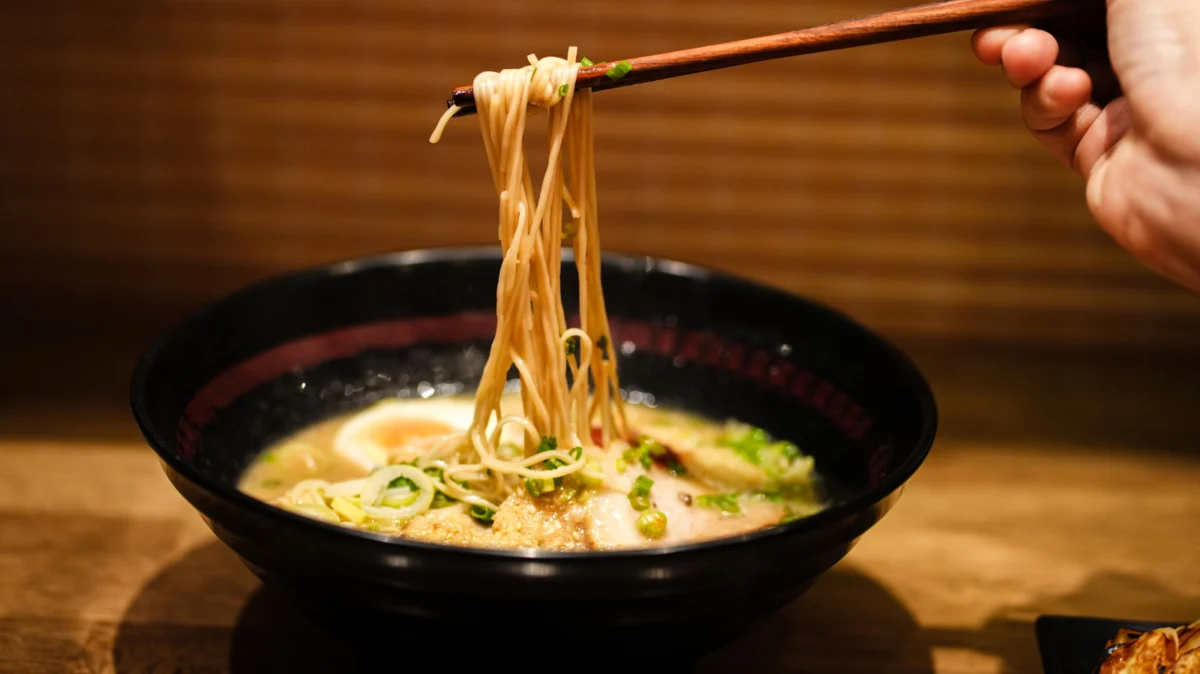
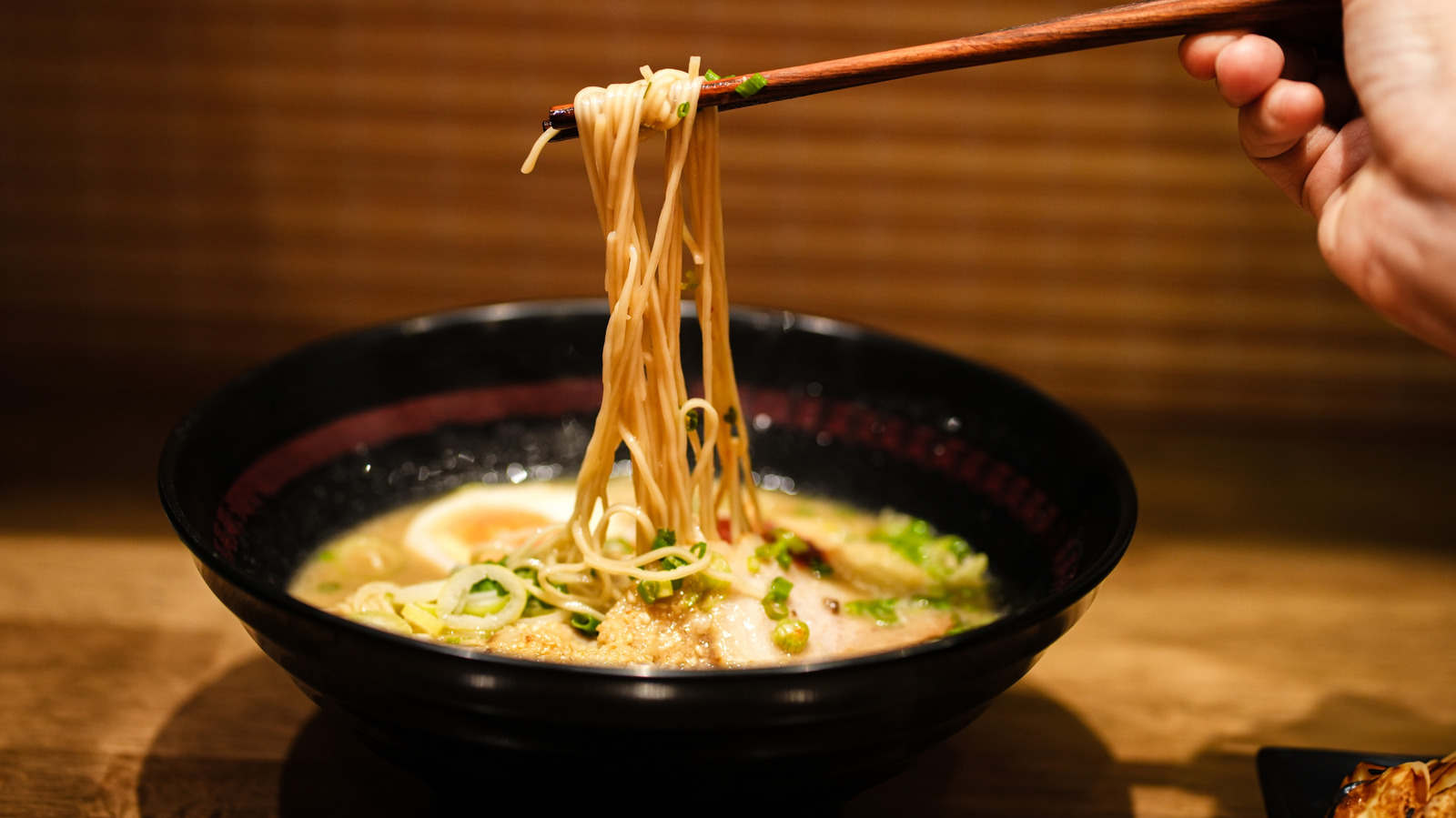
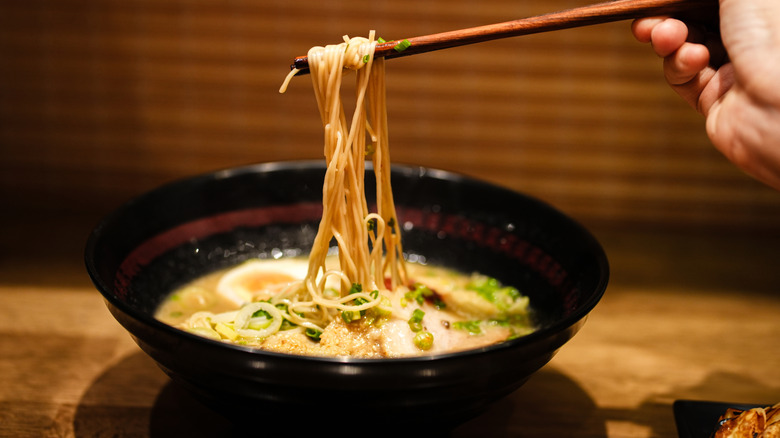
From its humble origins in 19th-century Japan to its global transformation into a symbol of both culinary artistry and instant convenience, ramen has firmly cemented itself in the American dining landscape. What was once considered a budget-friendly college staple has evolved into a sophisticated craft. Today, a "ramen renaissance" is sweeping the United States, with high-quality noodle houses popping up in every corner of the country.
Modern American ramen shops are no longer just serving standardized broth; they are sourcing local ingredients, experimenting with fusion techniques, and creating immersive, welcoming dining environments. Whether you are looking for a classic, slow-simmered tonkotsu or a bold, inventive bowl featuring local regional flavors, the U.S. now offers a world-class ramen experience. This guide highlights the premier destination in every state, selected through a rigorous combination of national accolades, critical acclaim, customer reviews, and extensive firsthand experience.
The Evolution of Ramen: A Brief Chronology
Ramen’s journey to the American mainstream is a story of adaptation.
- Late 19th Century: Ramen emerges in Japan, heavily influenced by Chinese wheat noodle dishes. It evolves into a distinct Japanese culinary staple, with regional variations appearing across prefectures.
- Mid-20th Century: The invention of instant ramen revolutionizes global consumption, making the dish accessible and synonymous with convenience.
- Early 21st Century: The "ramen boom" hits the United States. Chefs begin treating ramen with the same reverence as French or Italian cuisine, focusing on complex broths, alkaline noodles, and curated toppings.
- Present Day: Ramen has become a cornerstone of the American food scene, with award-winning chefs and James Beard nominees pushing the boundaries of what a bowl of noodles can be.
Regional Champions: The Best Ramen by State
The South and Southeast
In Alabama, Kamado Ramen (Huntsville) has become a staple, known for its garage-style urban atmosphere and pitch-perfect tonkotsu. In Arkansas, Ramen Nara (Rogers) offers an industrial-chic setting where critics praise the chicken shoyu as an elevated take on comfort food. Moving to Florida, Domu (Orlando) is a Michelin-recommended powerhouse, famous for unique creations like the Lemon Shio Scallop ramen.
Georgia’s Okiboru (Atlanta) holds the distinct honor of being the only restaurant in the area to earn a Michelin Bib Gourmand, serving rich, competitive tsukemen. In Louisiana, Nomiya (New Orleans) successfully bridges the gap between NOLA flavor profiles and traditional Japanese technique, while Tennessee’s Two Ten Jack (Nashville) stands as a pioneering izakaya that defines the local food scene.
The Northeast and Mid-Atlantic
New York’s Ivan Ramen (NYC) remains the gold standard for innovation, with owner Ivan Orkin’s unconventional rye noodles and "Chef’s Table" pedigree. Massachusetts boasts Bosso Ramen Tavern (Cambridge), a crowd favorite that allows diners to customize bowls by flavor profile. In New Jersey, Ramen Nagomi delivers comfort through slow-simmered broths in a gallery-like setting, while Philadelphia’s Terakawa Ramen (Pennsylvania) serves authentic Kumamoto-style recipes that have defined the local scene for years.
The Midwest
The Midwest is home to some of the most surprising ramen innovations. In Michigan, Johnny Noodle King (Detroit) creates singular bowls like Cajun catfish ramen. Ohio’s Cafe Mochiko (Cincinnati) has garnered national attention from The Food & Wine and the James Beard Foundation for its daring Cincinnati-style chili ramen. Ramen-san (Chicago, Illinois) pairs top-tier noodles with a ’90s hip-hop soundtrack, creating a high-energy experience that remains a local favorite.
The West and Mountain States
In Colorado, Uncle (Denver) blends modernity with tradition, featuring inventive dishes like duck ramen with confit leg. The Pacific Northwest shines with Takibi (Portland, Oregon), which utilizes snow-aged wheat flour for an unmatched noodle texture. Nevada’s Monta Japanese Noodle House (Las Vegas) remains the gold standard for authentic Kurume-style tonkotsu, while Washington’s Kizuki Ramen & Izakaya (Seattle) brings true Tokyo-inspired methods to the U.S. market.
Methodology: What Makes a Bowl "The Best"?
To determine the best ramen in every state, we utilized a multi-faceted selection process. The criteria focused on three core pillars:
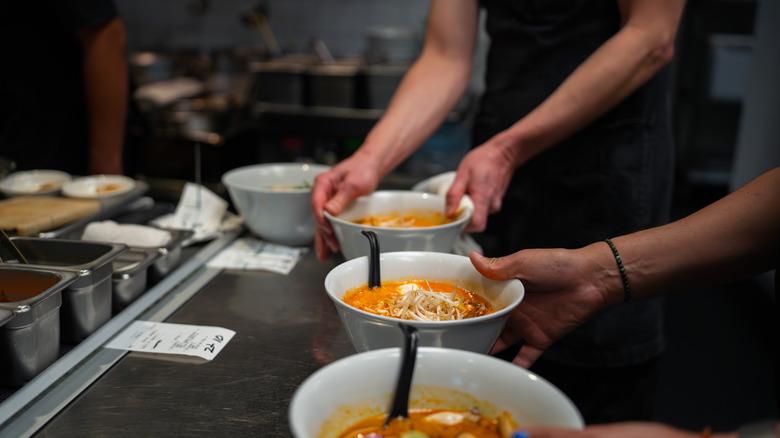
- Culinary Craftsmanship: The use of high-quality, often house-made, alkaline noodles and broths simmered for extensive periods to ensure depth of flavor.
- Atmospheric Excellence: Restaurants were evaluated based on the "vibe" of the dining room. Whether it is an intimate, minimalist space or a vibrant, art-filled izakaya, the environment must enhance the meal.
- National and Local Accolades: We cross-referenced our findings with awards from the James Beard Foundation, Michelin Guide, and major local publications (e.g., The Chicago Reader, The Indy Star, Boston Magazine).
- Customer Consistency: We analyzed thousands of customer reviews to ensure that the quality described by critics is consistent with the experience of the average diner.
Supporting Data: Why Ramen Culture is Here to Stay
The rise of these establishments is not merely a trend; it is supported by shifting consumer demographics. According to industry reports, consumers are increasingly seeking "experience-based dining." Ramen, which is inherently interactive—slurping, customizing spice levels, and choosing toppings—fits perfectly into this desire.
Furthermore, the "pop-up" phenomenon seen in shops like Indiana’s Shoyu Shop indicates that ramen is becoming a platform for culinary creativity. Chefs are no longer restricted to traditional recipes; they are incorporating local ingredients—such as Maine eel in Rosella KPT or bison in South Dakota’s Bokujo Ramen—to create regionalized versions of a global dish. This localization ensures that the ramen market remains vibrant and relevant to the specific agricultural and cultural strengths of each state.
Official Responses and Culinary Impact
Industry experts note that the success of these shops has had a profound impact on the local economies. In cities like Rogers, Arkansas, or Cheyenne, Wyoming, the presence of an award-winning ramen house often serves as an anchor for downtown revitalization.
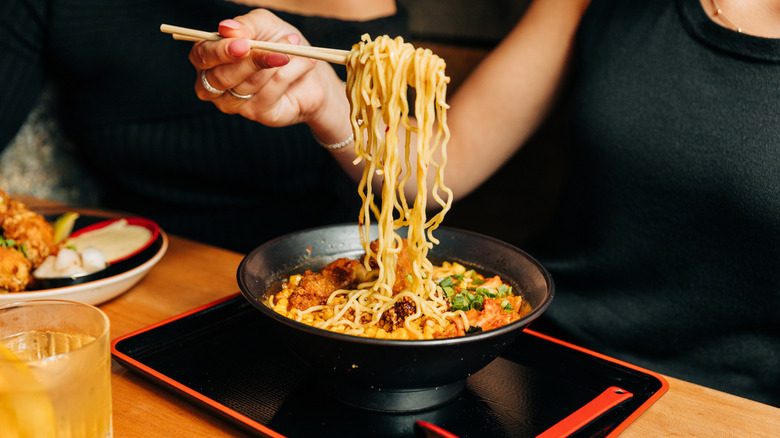
"Ramen is the ultimate equalizer," says one industry analyst. "It is accessible to everyone, yet it requires a level of technique that commands respect from the most discerning food critics."
The restaurants featured in this guide frequently cite their commitment to authenticity as the primary driver of their success. Even when utilizing local ingredients, the "soul" of the bowl—the broth and the noodle—remains anchored in Japanese techniques. This respect for heritage, combined with the freedom of American innovation, creates a sustainable culinary model that continues to expand.
Implications for the Future of American Dining
As we look toward the future, the ramen landscape in the U.S. is poised for further diversification. We are already seeing a rise in specialized shops, such as those focusing exclusively on tsukemen (dipping noodles) or vegan tonkotsu, which challenges the long-held belief that a pork-based broth is the only way to achieve depth.
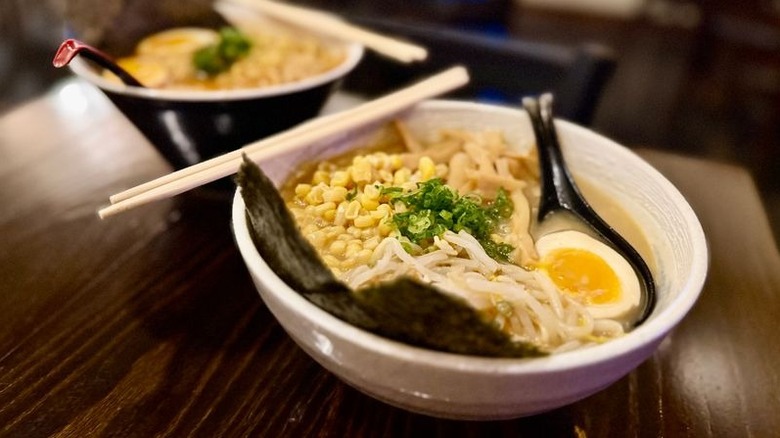
For the traveler and the local diner alike, this "ramen road trip" serves as a testament to the fact that you no longer need to visit Tokyo to find a world-class bowl. Whether you are in the heart of the Midwest or the coast of Maine, the dedication of these chefs ensures that a warm, expertly crafted bowl of noodles is never more than a short drive away. The American ramen renaissance is not just about eating; it is about the celebration of a craft that bridges cultures and communities, one slurp at a time.