The Democratic Republic of Congo (DRC) and the Rwanda-backed AFC/M23 armed group have reached a critical juncture in their long-standing conflict. Following a week of intensive, closed-door negotiations in Switzerland, both parties have committed to a structured roadmap intended to operationalize peace talks under the existing Doha Framework Agreement. This development, confirmed by a joint statement released on Sunday, offers a glimmer of hope for a region that has endured decades of instability, violence, and humanitarian catastrophe.
While the agreement signals a potential thawing of diplomatic hostilities, observers remain cautious. Previous attempts at peace—most notably the initial framework signed in Qatar late last year—have failed to halt the violence on the ground. As diplomats from the United States, Qatar, Switzerland, Togo, and the African Union look toward the next phase, the efficacy of this new roadmap will depend heavily on whether the warring parties can move beyond procedural commitments toward tangible de-escalation.
Main Facts: The Anatomy of the New Agreement
The negotiations, which took place from August 17 to August 21 in Switzerland, were designed to move beyond abstract diplomatic rhetoric and into actionable timelines. The joint statement emphasized that the parties have successfully “developed a roadmap setting out sequenced steps and timelines for negotiations.”
Key components of the agreement include:
- The Doha Framework Alignment: The parties reaffirmed their commitment to the framework established in Qatar, pledging “flexibility and creativity” to ensure the existing structure remains functional.
- Ceasefire Monitoring: A major point of contention has been the lack of accountability regarding active combat. To address this, both sides have agreed to a standardized, universal method for reporting and verifying ceasefire violations.
- Field Verification: As an immediate test of this commitment, a verification mission is scheduled to deploy to Minembwe, in the volatile South Kivu province, effective Monday.
- Implementation Oversight: A new oversight mechanism will be established to monitor the progress of both the government and the AFC/M23 rebels, ensuring that obligations under the Doha Framework are met with more than just verbal assent.
Chronology: A History of Fractured Peace
To understand the weight of the current roadmap, one must look at the turbulent history of the M23 insurgency and the cyclical nature of peace efforts in the eastern DRC.
2022–2023: The Resurgence
The M23 (March 23 Movement), dormant for years, re-emerged in late 2021 and escalated its campaign throughout 2022. By early 2023, the group had seized significant swathes of territory in North Kivu, displacing hundreds of thousands of civilians and creating a humanitarian crisis of immense proportions.
November 2025: The Doha Agreement
In a bid to stem the bloodshed, the DRC government and the M23 leadership met in Doha, Qatar. The resulting "Doha Framework Agreement" was hailed as a breakthrough. It established a set of principles for political dialogue and the cessation of hostilities. However, the agreement lacked a robust enforcement mechanism, and fighting continued sporadically throughout the following months, rendering the document largely ineffective in the face of ongoing territorial disputes.
August 2026: The Swiss Pivot
Recognizing the failure of the Doha agreement to stop the violence, international mediators—including Switzerland, Togo (representing the African Union), and the United States—convened the parties in Switzerland. This week-long session sought to bridge the gap between the original Doha promises and the reality on the ground, resulting in the roadmap unveiled this past Sunday.
Supporting Data: The Cost of Conflict
The eastern DRC is one of the most resource-rich yet impoverished regions in the world. The conflict is deeply rooted in the competition for mineral wealth, including coltan, gold, and tin, which are essential for global technology industries.
Humanitarian Impact
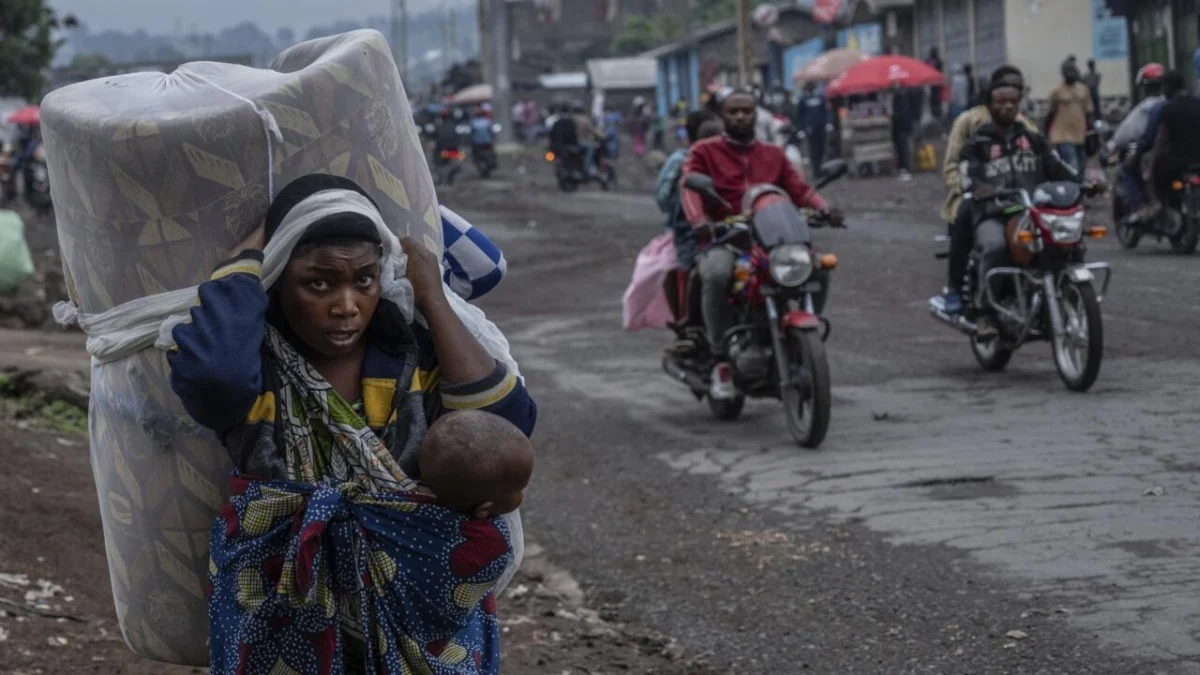
- Displacement: According to UN figures, the fighting between the Congolese military (FARDC) and the M23 has displaced over 1.5 million people since the resurgence of the insurgency.
- Civilians at the Brink: Human rights organizations have documented numerous instances of sexual violence, forced recruitment of child soldiers, and extrajudicial killings. The instability has effectively crippled regional infrastructure, preventing humanitarian aid from reaching the most vulnerable populations.
- Economic Stagnation: The conflict has disrupted agricultural production and trade routes, plunging millions into food insecurity. In provinces like North and South Kivu, the local economy has been replaced by a "war economy" where armed groups extract illegal taxes from mining operations and border crossings.
The Regional Dimension
The involvement of Rwanda remains a central, albeit highly sensitive, aspect of the conflict. The DRC government, supported by various UN expert reports, has long accused Kigali of providing direct military and logistical support to the M23. Rwanda has consistently denied these allegations, claiming that the DRC’s security problems are internal and a result of the government’s inability to manage its own borders and armed groups. The presence of the African Union and international observers in the recent talks indicates a collective effort to address these cross-border tensions.
Official Responses and Diplomatic Stakes
The success of the Swiss-brokered roadmap relies heavily on the political will of the signatories.
The DRC Government: President Félix Tshisekedi’s administration remains under immense domestic pressure to end the war. The government views the roadmap as a necessary step toward regaining control over the east, though it faces skepticism from a Congolese public that has grown weary of failed peace deals.
The AFC/M23 Leadership: The rebel group has framed its participation as a pursuit of legitimate grievances, including the protection of Kinyarwanda-speaking communities in the DRC. By agreeing to the roadmap, the M23 leadership is signaling a desire to transition from an armed insurgency to a political entity, though critics argue this is merely a stalling tactic to consolidate territorial gains.
International Mediators: For the U.S., Qatar, and Switzerland, the objective is regional stability. A collapse of the peace process would likely lead to a further escalation that could draw in neighboring states, potentially triggering a regional war. Togo’s role as the African Union mediator highlights the importance of "African solutions to African problems," a narrative the AU is eager to solidify.
Implications: Can the Roadmap Hold?
The transition from a "Framework Agreement" to a "Roadmap" is a pivot from theory to practice. However, several critical challenges remain:
1. The Trust Deficit
The most significant hurdle is the profound lack of trust between the Congolese state and the M23. Every failed ceasefire has eroded the credibility of the negotiators. For the roadmap to succeed, the parties must deliver on small, visible "wins"—such as the successful verification of the ceasefire in Minembwe—to build confidence.
2. External Actors
The role of Rwanda cannot be understated. Even if the DRC and the M23 reach an agreement, the conflict may persist if the broader regional geopolitical competition is not addressed. Diplomatic channels must remain open with Kigali to ensure that external support for armed groups is curtailed.
3. Sustainability and Inclusion
Past agreements have been criticized for being "top-down," often excluding civil society and local community leaders. The new roadmap must incorporate mechanisms for community-led peacebuilding, ensuring that the people who have suffered most from the violence have a voice in the resolution process.
4. The Role of the International Community
The active participation of the United States and the African Union is a double-edged sword. While it provides the necessary diplomatic weight to keep the parties at the table, it also subjects the process to shifting international priorities. Sustained, long-term commitment will be required to ensure that the monitoring mechanisms do not lose their funding or political backing.
Conclusion
The agreement reached in Switzerland is, at best, a fragile foundation. It does not promise an immediate end to the decades of suffering in the eastern DRC, but it does provide a structured path where previously there was only chaos. The upcoming verification mission in Minembwe will serve as the first litmus test for the sincerity of the signatories.
If the parties can adhere to the sequenced steps and maintain the "flexibility and creativity" promised in their statement, there is a path toward a comprehensive peace. However, if the roadmap becomes another document relegated to history without implementation, the humanitarian cost for the people of the DRC will continue to rise. As the international community watches, the world waits to see whether this time, the promise of peace can be translated into the reality of security.