Introduction: A Fragile Democratic Victory Under Siege
Three years after the citizens of Ecuador made global headlines by voting to protect the Yasuní National Park from the ravages of oil extraction, the democratic mandate is being tested by a systematic administrative crackdown. Amnesty International has issued a scathing rebuke of the Ecuadorian government, demanding an immediate end to the legal and financial harassment of the activists who championed the historic 2023 Yasuní Referendum.
At the heart of the controversy is a series of punitive fines levied against YASunidos, the primary environmental coalition responsible for the referendum, for alleged financial discrepancies in their campaign records. Human rights observers argue that these penalties are not merely administrative errors, but a calculated strategy by the administration of President Daniel Noboa to stifle environmental dissent and erode the autonomy of civil society.
The Chronology of a Disputed Legacy
To understand the current crisis, one must look at the decades-long tug-of-war between the Ecuadorian state and its most precious ecological treasure.
2007: The Yasuní-ITT Initiative
The saga began with a bold, unprecedented proposal. The government of Ecuador offered to leave 1.7 billion barrels of crude oil—located in the Ishpingo-Tambococha-Tiputini (ITT) fields—untapped beneath the Yasuní National Park. In exchange, they requested $3.6 billion in international contributions to fund sustainable development. The initiative was a precursor to modern climate finance models, but it ultimately failed to garner the necessary global support.
2016: The Commencement of Extraction
With the international community failing to meet funding targets, the Ecuadorian government officially authorized oil drilling in the park. This decision ignited a firestorm of protest, leading to the formation of grassroots collectives, most notably YASunidos, which began the arduous task of gathering signatures to force a national vote on the issue.
2023: The Historic Referendum
After years of legal battles, bureaucratic obstruction, and social mobilization, the Yasuní Referendum was finally held in August 2023. The result was a resounding victory for the environment: an overwhelming majority of Ecuadorians voted to end oil extraction in the park. The international community hailed the result as a landmark victory for climate action and the protection of indigenous sovereignty.
2025–2026: The Administrative Backlash
Despite the clear democratic mandate, drilling has continued. In 2025, election authorities targeted YASunidos with proceedings regarding campaign financing, specifically citing a discrepancy of just 39 cents. These proceedings resulted in $18,000 in fines, a move critics characterize as "administrative warfare." As of August 2026, the organization is challenging these fines in the Constitutional Court, while Amnesty International has formally intervened to label the situation a threat to civic space.
The Ecological and Human Cost
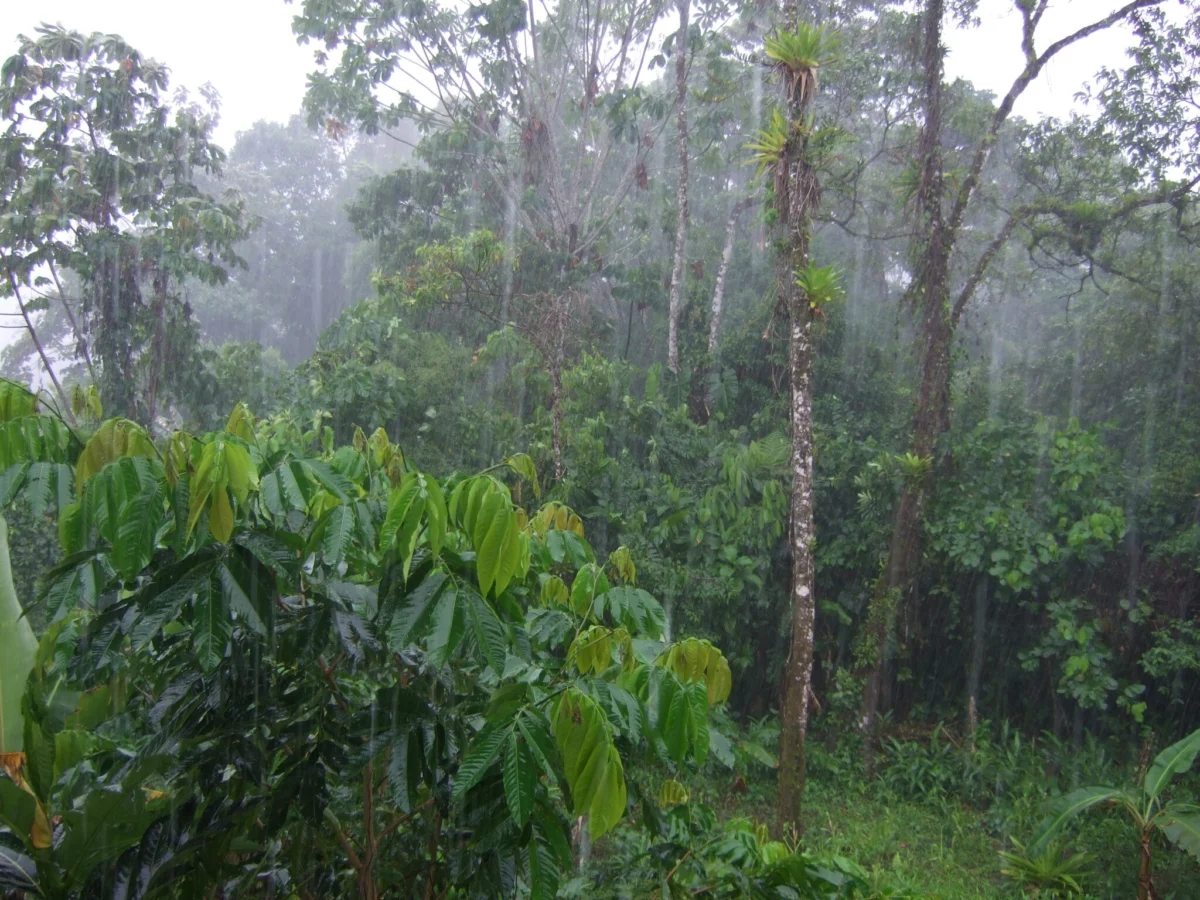
Yasuní National Park is not merely a collection of oil reserves; it is one of the most biologically diverse places on Earth. Spanning over 2.5 million acres, it contains more tree species in a single hectare than all of North America combined.
More importantly, the park serves as the ancestral home of the Tagaeri and Taromenane, two indigenous groups living in voluntary isolation. For these groups, the intrusion of oil infrastructure is not just an environmental disaster—it is an existential threat. The presence of roads, machinery, and industrial noise disrupts the delicate balance of their forest habitat and brings them into dangerous, often fatal, contact with the outside world.
The persistence of oil drilling despite the 2023 vote is, according to environmental scientists, a direct violation of the precautionary principle. Each day of continued operation increases the risk of spills, habitat fragmentation, and the degradation of the water sources upon which local communities depend.
Official Responses and the Stance of Amnesty International
The response from the Noboa administration has been largely characterized by silence or dismissive legalism. Government spokespeople have argued that the electoral proceedings against YASunidos are standard audits conducted by independent regulatory bodies.
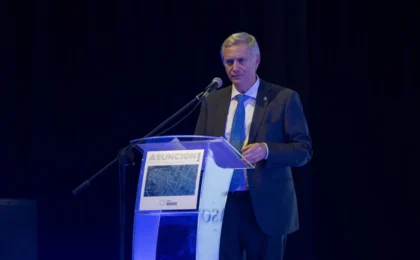
However, Ana Piquer, Amnesty International’s Americas Director, rejects this framing. "Three years ago, millions of people made history by voting to protect Yasuní," Piquer stated during the organization’s recent call to action. "Today, those who dedicated years of their lives to securing the park’s protection are facing fines of $18,000. This is clear harassment of civil society."
Amnesty International has positioned the case as a litmus test for the rule of law in Ecuador. They argue that if the government can use the machinery of the state to bankrupt organizations that successfully challenge the status quo, then the democratic process itself has been hollowed out.
Implications for Civic Space in Ecuador
The targeting of YASunidos is not an isolated incident. It is part of a "long pattern" of behavior attributed to President Noboa’s administration. Observers note that the government has frequently utilized administrative tools to weaken NGOs, environmental groups, and human rights defenders.
The "Chilling Effect"
By imposing exorbitant fines and launching protracted investigations into minor clerical errors, the state creates a "chilling effect." Smaller NGOs, lacking the resources to fight long-term legal battles, are forced to scale back their operations or cease activism altogether. This effectively narrows the space for public debate, ensuring that environmental concerns remain marginalized within the political sphere.
The Erosion of Democratic Integrity
The struggle over Yasuní has become a barometer for the state of democracy in Ecuador. If the government refuses to implement a referendum result that is legally binding, the authority of the ballot box is diminished. When that refusal is accompanied by the active persecution of the referendum’s organizers, it signals a transition from a democratic framework to one of executive overreach.
The Path Forward: What Must Change?
Amnesty International’s demands are clear: the Ecuadorian authorities must drop all legal and financial penalties against YASunidos and immediately honor the result of the 2023 referendum by ceasing all oil extraction activities in the Yasuní-ITT fields.
Furthermore, there is a call for a broader restoration of legal protections for non-governmental organizations. The international community is being urged to pay close attention to the proceedings in Ecuador’s Constitutional Court. If the court rules against the activists, it could set a dangerous precedent, signaling that in Ecuador, the rights of industry supersede the rights of the people and the environment.
A Test of Democratic Integrity
As the world watches, the situation in Ecuador remains a critical juncture. The protection of Yasuní is a global cause, but the defense of the people who fight for it is a local, urgent necessity. Without intervention and a return to the democratic spirit that characterized the 2023 vote, the government risks losing not only its ecological credibility but its legitimacy as a democratic actor on the world stage.
"The Yasuní referendum was a non-negotiable test of democratic integrity," says Piquer. "As of today, the government is failing that test."
The eyes of the international community are now fixed on the Constitutional Court of Ecuador, where the future of the Amazon and the future of civil society in Ecuador remain inextricably linked. Whether the state chooses to uphold the will of the people or to silence them through bureaucratic harassment will define the legacy of the Noboa administration and the trajectory of Ecuadorian democracy for years to come.