For decades, the Walt Disney Company has stood as the titan of global entertainment, a studio capable of turning animation into gold and superhero sagas into multi-billion-dollar cultural phenomena. From the digital frontiers of Pixar to the cosmic reach of the Marvel Cinematic Universe, Disney has mastered the art of spectacle. However, beneath the veneer of its consistent successes lies a history of high-stakes gambling that occasionally resulted in catastrophic financial failure.
When a studio as massive as Disney swings for the fences with big-budget science fiction, the cost of missing is immense. These are not merely modest underperformers; they are tentpole productions backed by A-list talent, industry-leading visual effects, and marketing budgets that rival the GDP of small nations. Yet, when these ambitious projects failed to connect with the public, they left scars on the studio’s balance sheet and forced a total rethink of their creative strategies.
Here is an in-depth examination of Disney’s five most significant science fiction box office disasters, the context of their failures, and the lasting impact they left on the studio’s operational philosophy.
1. John Carter (2012): The Legend of the Barsoom Debacle
The gold standard for Hollywood "bombs" remains John Carter. Based on the seminal Barsoom novels by Edgar Rice Burroughs—works that arguably birthed the entire genre of planetary romance—Disney envisioned the film as the start of a massive, multi-generational franchise. They entrusted the project to Andrew Stanton, the visionary director behind Pixar’s Finding Nemo and WALL-E.

The Anatomy of the Failure
The production was plagued by a ballooning budget that reached $250 million, with an additional $100 million poured into marketing. The disaster began with a lack of brand recognition among modern audiences, compounded by a desperate marketing pivot. Terrified by the failure of Mars Needs Moms just a year prior, studio executives deemed the word "Mars" to be "toxic." Consequently, they stripped the title of its context, leaving the public with the aggressively generic John Carter.
The Financial Fallout
When the film opened domestically to a dismal $30.2 million, the writing was on the wall. While it scraped together $284.1 million globally, the math was never in Disney’s favor. The studio eventually acknowledged an operating loss of approximately $200 million. The failure was so profound it served as a cautionary tale for the industry: no amount of technical brilliance can save a film if the audience has no idea what they are watching or why they should care.
2. Mars Needs Moms (2011): A Warning from the Red Planet
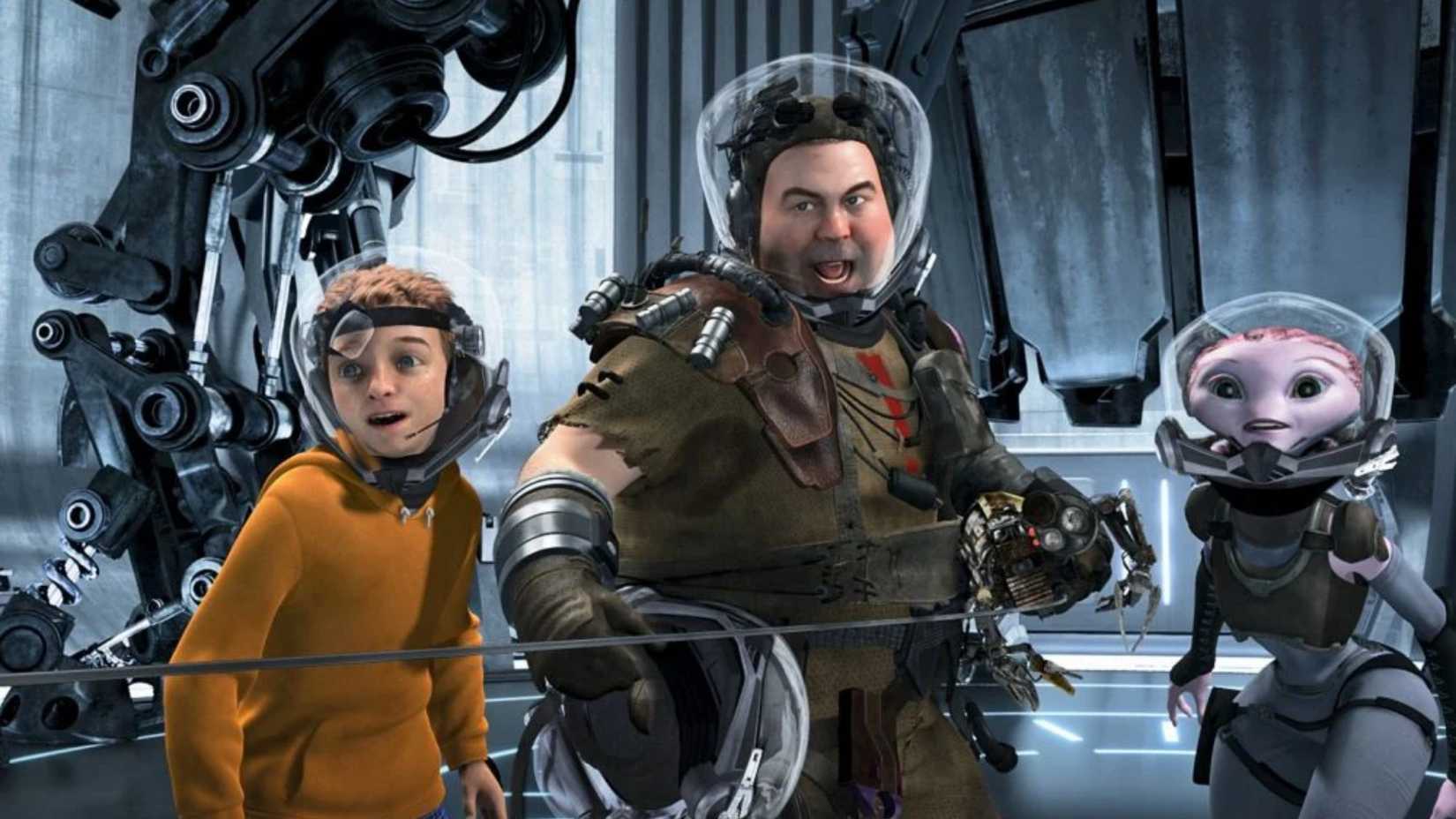
Before John Carter turned into a historic loss, Disney received a premonitory warning with Mars Needs Moms. Produced by Robert Zemeckis’s ImageMovers Digital, the film was a high-tech motion-capture experiment that felt disconnected from the warmth of traditional animation.
Chronology and Execution
The film followed a young boy who journeys to Mars to rescue his kidnapped mother. Despite the pedigree of Zemeckis—the architect of Back to the Future—the project suffered from an uncanny aesthetic that alienated family audiences. With a $150 million production budget and massive marketing spend, the film’s $6.9 million domestic opening weekend was nothing short of apocalyptic.

The Institutional Consequence
The fallout was immediate. Disney shuttered ImageMovers Digital entirely, acknowledging that the motion-capture medium was not yielding the return on investment they required. The studio took a $70 million write-down on the film, but when marketing and distribution overheads were factored in, the true cost was far higher. It remains one of the most cited examples of technology-driven hubris in the studio’s history.
3. Tomorrowland (2015): The Originality Paradox
Tomorrowland occupies a unique space in Disney’s history. Directed by Brad Bird and written by Damon Lindelof, it was a rare beast: a high-budget, original, non-franchise sci-fi epic. It was intended to be an optimistic, visionary film rooted in the history of Walt Disney’s own futurism.
The Marketing Mystery
The film’s marketing strategy was notoriously opaque. Disney, perhaps over-relying on the intrigue generated by their "mystery box" trailers, hid the core narrative from potential viewers. Audiences left the theater confused, unable to parse whether the film was a period piece, a dystopian thriller, or a family adventure.
Financial Implications
With a $190 million production budget, the film grossed only $209 million globally. Analysts estimated total losses between $120 million and $140 million. The irony remains that while critics and audiences often complain about the lack of original intellectual property in Hollywood, Tomorrowland attempted exactly that—and failed to find a foothold. Its failure reinforced a conservative streak in Disney’s greenlighting process, pushing them further toward sequels and pre-existing IPs.

4. Lightyear (2022): The Identity Crisis
Perhaps the most surprising entry on this list is Lightyear, a spin-off of the untouchable Toy Story franchise. By focusing on the "in-universe" movie that inspired the Buzz Lightyear action figure, Pixar attempted to pivot to a conventional, high-stakes space opera.
The Pandemic Shift
The failure of Lightyear was as much about logistics as it was about content. After Pixar movies like Soul and Turning Red were sent directly to Disney+, audiences had been trained to view Pixar releases as streaming commodities rather than theatrical events. Asking families to pay for a theatrical ticket to see a spin-off that felt like a "conventional" sci-fi movie—rather than the heart-warming, character-driven comedy they expected from the Toy Story brand—proved a bridge too far.
Data and Deficit
The film grossed $226.4 million against a $200 million budget. According to industry tracking, the film resulted in a net loss of roughly $106 million. It highlighted the danger of brand dilution: attempting to stretch a franchise in a direction that contradicts its established tone often results in lukewarm audience reception.
5. Strange World (2022): The Lost Voyage
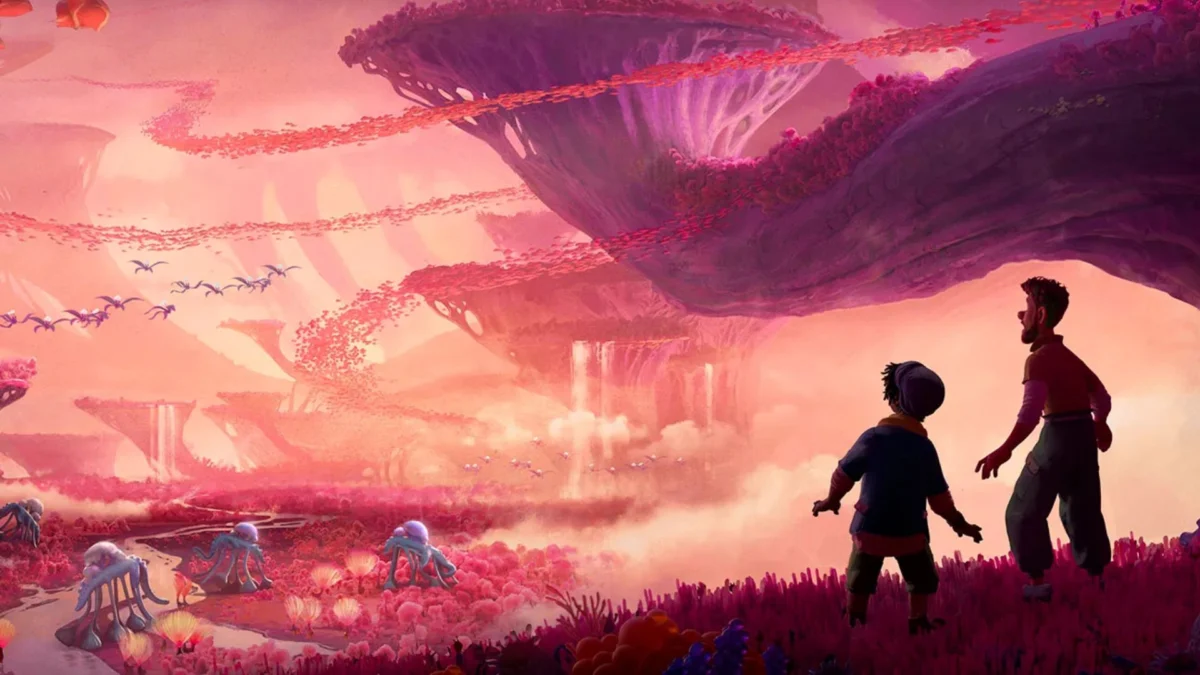
Released in the same year as Lightyear, Strange World serves as the final, stinging example of how Disney’s theatrical animated output struggled in the post-pandemic landscape. Featuring a visually stunning, vibrant, and imaginative alien landscape, the film was intended to evoke the pulp-adventure serials of the 1930s and 40s.
The Box Office Collapse
Despite the creative talent behind the project, Strange World suffered from a lack of clear marketing and the same "streaming-first" stigma that plagued Lightyear. It earned only $73.6 million globally against a production budget of $180 million.
Financial Totals
When factoring in marketing and the sheer scale of the theatrical release, Deadline estimated the total expenses reached $317.4 million, resulting in a staggering loss of nearly $197 million. This failure was a wake-up call for Disney Animation, signaling that in an era of infinite streaming options, a film must have an undeniable hook to justify a trip to the cinema.
The Broader Implications for Disney
When looking at these five films collectively, several patterns emerge that have fundamentally altered the landscape of modern blockbusters:
1. The Death of the "Original" Tentpole
The most significant impact of these flops is the retreat from "original" high-concept sci-fi. When Tomorrowland and John Carter failed, the message received by executives was that original concepts are too risky. This explains the industry’s obsession with established IPs, comic book adaptations, and sequels.

2. Streaming vs. Theatrical Cannibalization
The dual-distribution model necessitated by the COVID-19 pandemic effectively eroded the "event" status of Disney animation. When the studio made it clear that movies would be on Disney+ shortly after their theatrical release, they inadvertently taught their core audience to wait. This resulted in the catastrophic underperformance of Strange World and Lightyear.
3. The "Marketing Gap"
In every one of these cases, there was a disconnect between the film’s actual content and the way it was sold. Whether it was the rebranding of John Carter, the vague mystery of Tomorrowland, or the tonal confusion of Lightyear, the marketing failed to bridge the gap between studio ambition and audience interest.
4. Financial Accountability
The losses incurred by these projects, specifically the near-$200 million hits taken by John Carter and Strange World, have forced a shift toward stricter budget controls and a more cautious approach to greenlighting. The era of the "blank check" for directors—even those with the pedigree of Andrew Stanton or Brad Bird—has largely concluded.
Conclusion
Disney’s journey through the annals of sci-fi failure is a testament to the immense difficulty of balancing artistic ambition with commercial reality. While these films represent massive financial losses, they also highlight the volatile nature of the movie business. As the studio continues to evolve, these five disasters remain essential case studies for any filmmaker or executive: the audience is not just a consumer of content, but an active participant who demands clarity, identity, and a reason to leave their home and walk into a theater. For Disney, the lesson has been expensive, but it has defined the company’s current, more cautious strategy in an ever-shifting media landscape.