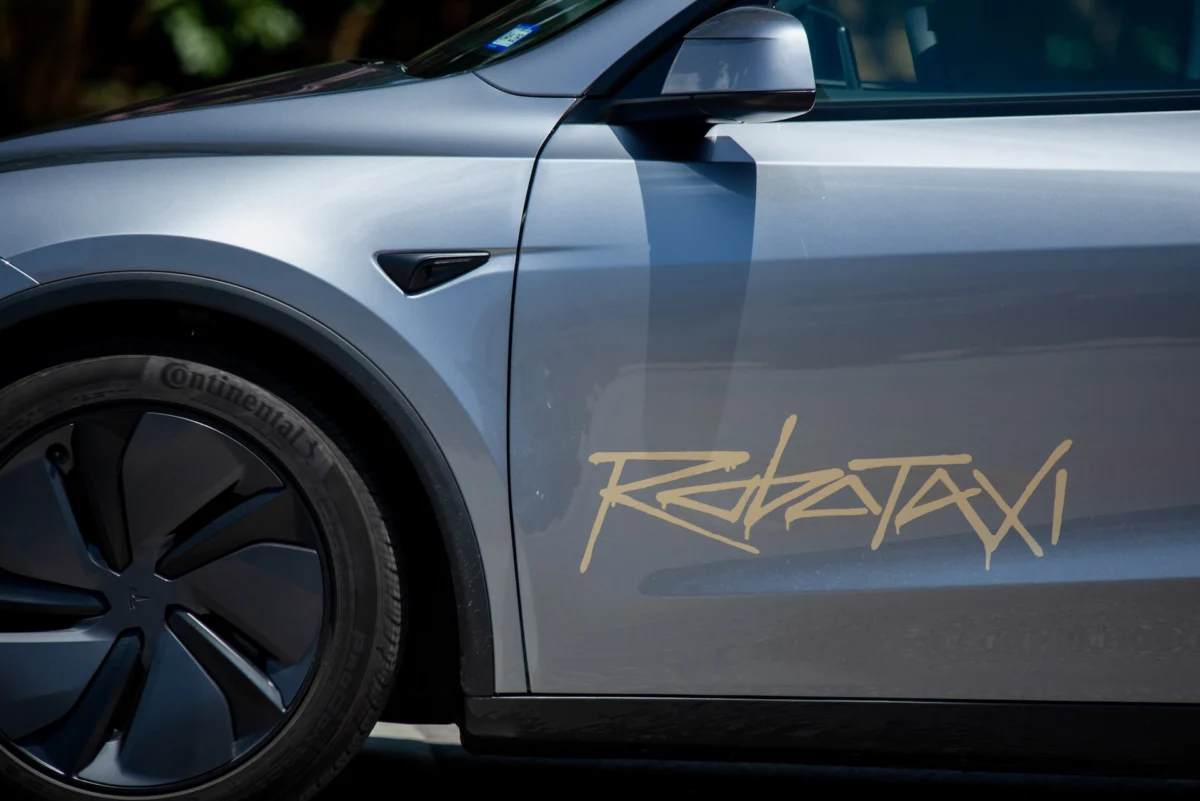
Nevada, a long-standing testing ground for the frontiers of automotive technology, has officially signaled the dawn of a new era. In a landmark decision that could redefine urban mobility, the Nevada Transportation Authority (NTA) unanimously approved three pivotal permits this past Thursday. The green light paves the way for Tesla, Uber, and Waymo to launch large-scale commercial robotaxi operations across Clark County—the bustling heart of Las Vegas and its surrounding metropolitan area.
The scale of this approval is unprecedented. Over the next 12 months, the combined permits authorize the deployment of up to 8,000 autonomous vehicles (AVs). While the sheer volume suggests a rapid transformation of the Las Vegas Strip and beyond, the reality of the rollout—and the intense friction between legacy transport providers and high-tech disruptors—reveals a much more complex picture.
The Breakdown: Who Gets What?
The NTA’s decision provides specific quotas for the three industry giants, each taking a slightly different approach to the autonomous landscape:
- Tesla: The EV behemoth secured the largest individual permit, allowing for the deployment of up to 5,000 robotaxis.
- Waymo: A veteran in the autonomous space, Waymo was granted approval for 1,000 vehicles.
- Uber: Also authorized for 1,000 robotaxis, Uber’s strategy relies on strategic partnerships. The ride-hailing giant plans to operate these units through alliances with Motional (a Hyundai subsidiary) and Zoox. It is worth noting that Zoox already maintains an independent permit allowing for the operation of 100 autonomous units.
While these figures are eye-catching, they represent an upper limit rather than a guaranteed deployment schedule. The logistical, regulatory, and mechanical challenges of fielding thousands of driverless vehicles in a high-traffic, high-stakes environment like Las Vegas mean that the actual number on the road may look very different a year from now.
A Reality Check on Deployment Timelines
Despite the aggressive authorization numbers, representatives from the companies involved were quick to temper expectations. During the NTA hearing, it became clear that "ceiling" numbers provided in permits do not always align with operational reality.
Eric Early, chief engineer for Tesla’s "Cybercab," offered a dose of pragmatism to the board. "The 5,000 has always been a ceiling for us," Early stated. "I don’t think we’ll be in a position by this time next year to deploy 5,000 vehicles, and it’s not [because of] the technology. I think we would be extremely happy and satisfied if we could get ourselves up to 2,500, maybe a bit higher than that in the next year."
This candid admission underscores the "growing pains" inherent in scaling autonomous fleets. Factors such as vehicle manufacturing throughput, charging infrastructure, local fleet maintenance, and the complexities of mapping and navigating the unique, neon-lit chaos of the Las Vegas Strip mean that the "robotaxi revolution" will likely be a gradual evolution rather than an overnight switch.
The Battleground: Infrastructure and Congestion
The focal point of this expansion is what industry insiders call the "Golden Triangle"—the high-density corridor spanning the stretch from Harry Reid International Airport to the Las Vegas Boulevard. This area, already synonymous with heavy tourist traffic and complex road geometries, is where the majority of AV testing has taken place to date.
The introduction of thousands of additional autonomous units into this specific geographic bottleneck has ignited fierce opposition from traditional stakeholders. The Livery Operators Association and various local taxi companies have voiced significant concerns regarding the rapid pace of the approvals.
"These applications raise two grave concerns," said Kimberly Maxson-Rushton, legal counsel for the Livery Operators Association. "One deals with the oversaturation of the commercial transportation industry as a whole in Nevada, and the second one deals with the overcrowding of the roadways, and specifically the Golden Triangle."
For traditional taxi operators, the fear is twofold: economic displacement and physical gridlock. They argue that by flooding the market, the NTA is ignoring the existing balance of supply and demand, potentially creating a "race to the bottom" that favors deep-pocketed tech giants at the expense of local small-business operators and long-time drivers.
Uber’s "Goldilocks" Strategy: A Hybrid Future
As the regulatory environment shifts, Uber has positioned itself as a bridge between the old world and the new. Rather than pushing for a pure-play autonomous model, Uber is advocating for a "hybrid approach."
Under this vision, the company aims to integrate robotaxis into its existing network, which would continue to rely heavily on human-driven vehicles. Uber’s argument is that a hybrid system allows cities to modulate supply according to peak demand—using human drivers during massive events like the Formula 1 Las Vegas Grand Prix or major trade shows—while deploying robotaxis for more predictable, routine trips.
This stance also serves as a strategic hedge. By lobbying for a regulatory requirement that mandates robotaxis to operate on ride-hailing networks that also feature human drivers, Uber creates a barrier to entry for pure-autonomous competitors like Waymo. It effectively forces the market to adopt Uber’s infrastructure, ensuring the company remains relevant even if its own autonomous technology lags behind Tesla or Waymo.
The Workforce Dilemma: Disruption or Evolution?
The most profound implications of this expansion relate to the workforce. Las Vegas, a city whose economy relies heavily on service-sector and hospitality jobs, stands at the epicenter of the debate over automation.
The Case for Job Loss
Critics argue that the replacement of human drivers with AI will lead to the total evaporation of the "gig economy" as it exists today. For thousands of taxi, limo, and ride-share drivers, the shift represents a existential threat to their livelihoods. If an algorithm can perform the task of a human driver at a lower cost, the market incentive to remove the human element is overwhelming.
The Case for Job Creation
Conversely, proponents of the AV industry argue that the transition will simply shift the nature of employment. They point to the need for a massive support infrastructure:
- Fleet Maintenance: Technicians required to repair high-tech sensors and onboard computers.
- Sanitation: Teams dedicated to cleaning and prepping cabins between passenger cycles.
- Operations Centers: Remote supervisors and dispatchers who monitor vehicle performance and step in when the AI encounters an "edge case" it cannot solve.
Whether these new roles will provide the same income stability and accessibility as traditional driving jobs remains the central question for policymakers in Nevada.
Looking Ahead: The Next 12 Months
As the 8,000-vehicle permit takes effect, the next year will be a "proof of concept" period for the entire autonomous industry. The NTA’s decision essentially turns Las Vegas into a living laboratory.
If Tesla, Waymo, and Uber can scale their operations without causing gridlock or public safety incidents, it will likely accelerate the adoption of autonomous transport in other major metropolitan areas across the United States. However, if the integration leads to increased accidents, significant traffic congestion, or an unmanageable labor crisis, it may force state regulators to pull the emergency brake.
For now, the technology is moving faster than the infrastructure designed to manage it. The citizens of Las Vegas and the millions of tourists who visit annually will be the first to experience the practical reality of this transition. The question remains: when the cars are driving themselves, who is really in control?
The events in Nevada suggest that the answer is being written in real-time, one permit—and one deployment—at a time.