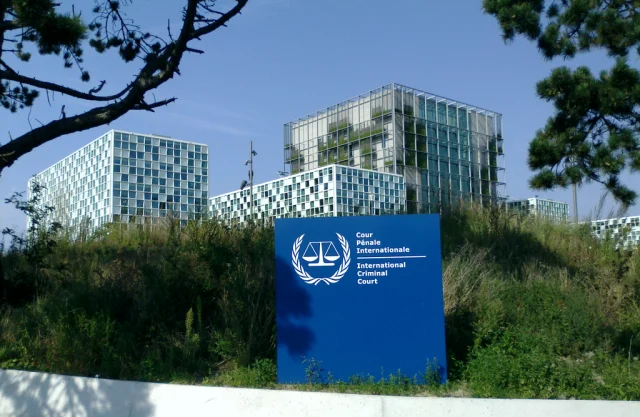
The International Criminal Court (ICC) finds itself at the epicenter of a geopolitical firestorm as the United States intensifies its campaign to dismantle the institution. In a move that has sent shockwaves through the corridors of international diplomacy, the US government has imposed sweeping sanctions against the Court’s highest-ranking officials, including President Tomoko Akane and senior prosecutor Abdoulaye Seye. This latest escalation marks a definitive shift in the US-ICC relationship, moving from diplomatic friction to an explicit, executive-led effort to neutralize the Court’s jurisdiction.
The Core Conflict: Judicial Independence vs. National Sovereignty
The International Criminal Court, established by the Rome Statute in 2002, serves as the court of last resort for the prosecution of genocide, crimes against humanity, war crimes, and the crime of aggression. However, the current US administration, under President Donald Trump, has framed the Court’s recent activities as a dangerous overreach of judicial authority.
The sanctions, authorized by a February executive order, target the very individuals responsible for the Court’s day-to-day operations. By freezing assets and barring entry to the United States, the US administration aims to exert coercive pressure on the judiciary. For the ICC, this is not merely a policy disagreement; it is described by the Court as a “flagrant attack” on judicial independence. The Court argues that the sanctions impede its mandate under the Rome Statute, effectively attempting to intimidate judges and prosecutors into abandoning investigations that the United States deems contrary to its national interests.
A Chronology of Escalation
The friction between Washington and The Hague is not a recent development, but it has accelerated with unprecedented speed over the last eighteen months:
- June 2024: A broad coalition of 93 ICC member states issued a joint declaration reaffirming their support for the Court’s independence, anticipating potential US intervention.
- February 2025: President Trump signed an executive order establishing the legal framework for sanctions against ICC officials, citing the "protection of American citizens" and sovereignty. A second wave of international support saw 79 countries reaffirm their commitment to the Rome Statute.
- July 2026: Secretary of State Marco Rubio launched a formal diplomatic and economic campaign, explicitly stating the US intent to dismantle the Court “brick by brick.”
- August 2026: The US Treasury, under the guidance of the State Department, expanded the scope of the sanctions. This latest round impacts nine of the 18 ICC judges, two deputy prosecutors, former prosecutor Karim Khan, and various staff members.
The timeline reflects a calculated progression from rhetorical threats to systemic, punitive measures intended to paralyze the Court’s ability to function as an independent arbiter of international law.
The Specific Targets and Legal Justifications
The latest round of sanctions focuses on specific figures who have spearheaded high-profile investigations. Secretary of State Marco Rubio justified the move by claiming that Judge Tomoko Akane and prosecutor Abdoulaye Seye have engaged in “dangerous precedents” by targeting officials from nations outside the Court’s jurisdiction.
Of particular concern to the US administration is the ongoing investigation into activities in the West Bank. Reports confirm that Abdoulaye Seye has been spearheading inquiries into the funding and provision of weaponry to settlers—a sensitive issue that has drawn sharp criticism from the US executive branch. By linking these specific investigations to the sanctions, the US is attempting to signal that investigations into the actions of its allies will be met with direct personal consequences for those involved in the judicial process.
Supporting Data: The Scope of the Sanctions
The reach of the current sanctions is comprehensive, designed to create a "chilling effect" across the entire institution. The inclusion of nine out of 18 judges suggests a deliberate attempt to achieve a quorum-breaking impact, potentially rendering the Court unable to issue rulings or conduct trials.
- Administrative Impact: The inclusion of support staff and deputy prosecutors indicates that the sanctions are not merely symbolic but are designed to hamper the operational, logistical, and investigative capabilities of the Office of the Prosecutor.
- The "Brick by Brick" Strategy: As articulated in Secretary Rubio’s Wall Street Journal op-ed, the US goal is to isolate the Court, urging allied governments to withdraw their support and funding, thereby effectively bankrupting the institution and stripping it of its international legitimacy.
Official Responses and Global Backlash
The international reaction to the sanctions has been one of alarm and firm condemnation. The UN Secretary-General, António Guterres, has expressed "serious concern," warning that such actions threaten the integrity of the international legal order.
The View from Japan
The sanctioning of Tomoko Akane, a Japanese jurist, has drawn specific ire from Tokyo. Prime Minister Sanae Takaichi labeled the move "very unfortunate," pledging to maintain open channels of communication with the United States to de-escalate the situation. The Japanese Foreign Ministry reiterated that the country remains a steadfast supporter of the international rule of law and will not be swayed by unilateral coercive measures.
European Solidarity
France has emerged as one of the most vocal defenders of the ICC. In a formal statement, the French government reaffirmed its "unwavering support" for the Court, explicitly condemning the threats directed at the judiciary. This support is echoed across many of the 125 state parties to the Rome Statute, who view the US actions as an assault on the multilateral framework established following the horrors of the 20th century.
The Domestic Legal Battle in the US
While the administration pursues its international campaign, it faces significant legal challenges within the United States. Several human rights organizations, Palestinian-advocacy groups, and even ICC judges themselves have filed lawsuits against the Trump administration.
The plaintiffs argue that the executive order is unconstitutional on several grounds:
- First Amendment Violations: Lawyers argue that the sanctions effectively punish individuals for their speech and judicial opinions.
- Fifth Amendment Protections: The lack of due process in the application of these sanctions violates fundamental rights.
- Administrative Procedure Act (APA): Critics contend that the administration exceeded its statutory authority, making the sanctions "arbitrary and capricious" under domestic law.
These legal battles represent a critical domestic front in the conflict. Should a federal court rule against the administration, it could force a rollback of the sanctions, though the political resolve of the White House suggests that the conflict is far from resolution.
Implications for the Future of International Law
The implications of this standoff extend far beyond the individuals currently sanctioned. We are witnessing a fundamental stress test of the post-WWII international order.
If the United States—a global superpower—succeeds in delegitimizing and crippling the ICC, the precedent will be profound. Other nations may feel emboldened to ignore international warrants or threaten judicial bodies that attempt to hold their officials accountable. Conversely, if the ICC survives this assault, it may emerge with a stronger sense of purpose and a more unified coalition of supporting nations.
The Court’s statement that these sanctions place the “international legal order at risk” is a sober assessment of the current environment. The ability of victims to seek redress for international crimes—whether in the West Bank, Afghanistan, or elsewhere—now hinges on the Court’s capacity to withstand the economic and diplomatic weight of a superpower determined to see it dismantled.
As the legal challenges continue to move through US courts and the diplomatic pressure mounts in the international arena, the world watches to see whether the rule of law can withstand the force of national interest. For now, the ICC remains defiant, maintaining its commitment to accountability, while the US administration shows no sign of abandoning its campaign to rewrite the rules of international justice.