1. Executive Overview: Main Facts
Florida’s primary elections delivered sweeping political shifts across the state’s congressional delegation and major statewide contests, marked by the defeat of an embattled Republican incumbent, a dramatic progressive upset in the Democratic U.S. Senate primary, and the solidification of competitive battlegrounds reshaped by a newly redrawn congressional map.
Incumbency Losses and High-Stakes Primary Results
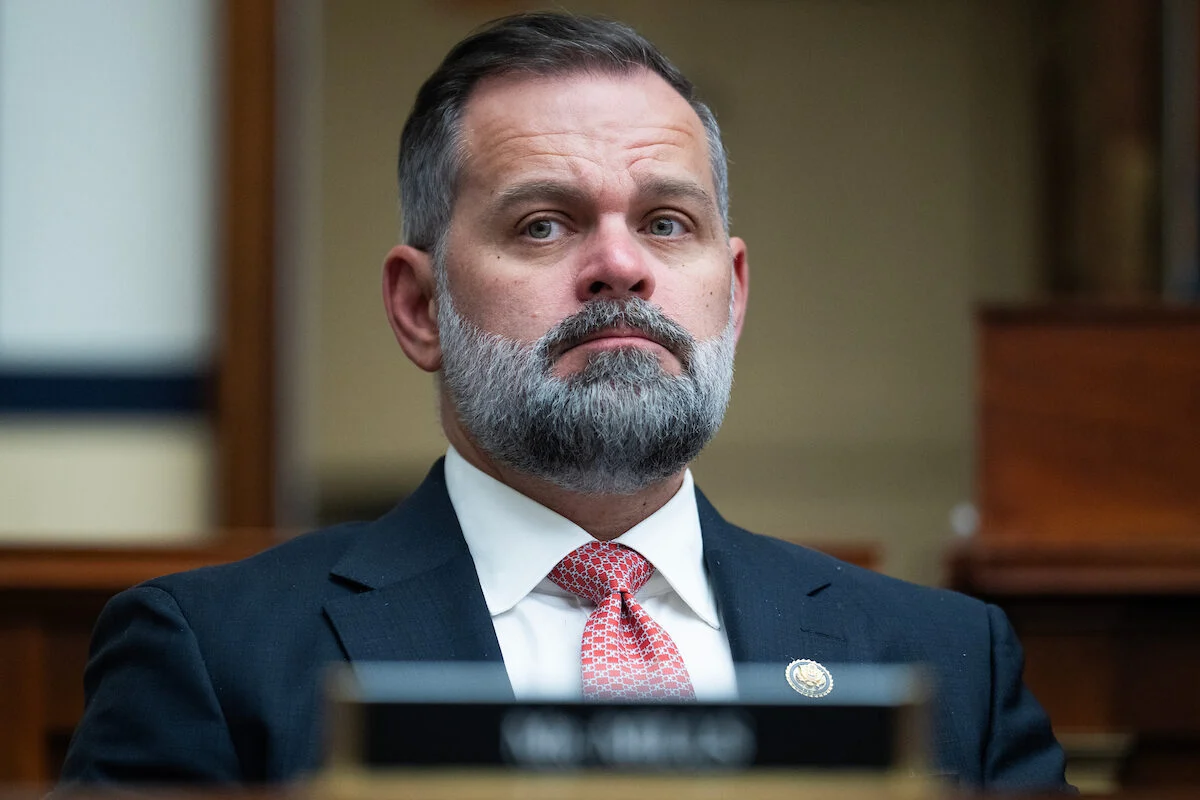
U.S. Representative Cory Mills (R-FL-07) became the tenth House incumbent nationwide—and the second embattled House Republican this month—to lose a reelection bid during the 2026 primary cycle. Mills, who has been under investigation by the House Ethics Committee over allegations of sexual misconduct, assault, and financial disclosure misrepresentations, was defeated in the Republican primary by former television news anchor Ryan Elijah. Elijah secured a decisive lead of 47 percent to Mills’s 34 percent with over 95 percent of the votes counted, according to data from The Associated Press.
In the Democratic primary for the 7th District, former NASA Chief of Staff Bale Dalton captured the nomination with approximately 45 percent of the vote, defeating Navy veteran Marialana Kinter and former U.S. Representative Alan Grayson.
FL-07 Republican Primary Results (95%+ Votes Counted)
┌──────────────────┬──────────┐
│ Candidate        │ Vote %   │
├──────────────────┼──────────┤
│ Ryan Elijah      │ 47%      │
│ Rep. Cory Mills  │ 34%      │
│ Other Candidates │ 19%      │
└──────────────────┴──────────┘
Elsewhere in the state, senior Democratic incumbents successfully fended off primary challenges. Representative Debbie Wasserman Schultz won the Democratic nomination in Florida’s redrawn 20th Congressional District, while Representative Jared Moskowitz comfortably defeated a progressive primary opponent in the 25th Congressional District.
Upset in the Senate Democratic Primary
In an unexpected primary outcome, state Representative Angie Nixon, a self-described democratic socialist, won the Democratic nomination for Florida’s U.S. Senate special election. Nixon defeated former Army officer Alexander Vindman, a prominent national figure and key witness in Donald Trump’s first impeachment trial. Vindman had been considered the front-runner, possessing a dramatic financial advantage after raising more than $16 million. Nixon will face appointed Republican Senator Ashley Moody, who easily secured the GOP nomination to complete the remainder of Marco Rubio’s Senate term.
Gubernatorial and Battleground Ticket Realignment
In the race to succeed term-limited Governor Ron DeSantis:
- Representative Byron Donalds won the Republican gubernatorial nomination with 48 percent of the vote in a multi-candidate field, defeating Lieutenant Governor Jay Collins (25 percent).
- If elected in November, Donalds would become Florida’s first Black governor.
- He will face Democratic nominee David Jolly, a former Republican congressman who switched parties and easily won his primary.
Concurrently, a new Republican-backed congressional map signed into law by DeSantis earlier this year established several high-stakes battleground seats across Central and South Florida, creating prime pickup opportunities for Republicans in seats previously held by or targeted by Democrats.
2. Chronology of Event Development
Pre-Election Setup and Redistricting Context
- Spring 2026: Florida state lawmakers passed a new Republican-favored congressional map, signed into law by Governor Ron DeSantis. The reconfigured lines shifted several districts to the right, transforming previously secure Democratic districts—such as the 9th, 14th, 22nd, and 25th Districts—into highly competitive battlegrounds based on 2024 presidential performance metrics.
- April – July 2026: House Ethics Committee scrutiny intensified surrounding Representative Cory Mills over allegations involving a former partner and inaccuracies in financial disclosure filings. Simultaneously, former Representative Sheila Cherfilus-McCormick resigned from Congress amid an ethics investigation, leaving the plurality-Black 20th District open for realignment. Representative Debbie Wasserman Schultz subsequently opted to switch to run in the 20th District after her previous district was redrawn to lean Republican.
Campaign Campaign Dynamics and Endorsements
- Mid-Summer 2026: Campaign finance filings through July 29 highlighted a massive divide in the Democratic Senate primary. Alexander Vindman amassed $16.3 million, whereas Angie Nixon raised $975,000.
- Late July / Early August 2026: High-profile endorsements split Florida Republicans. While Donald Trump had backed Mills in previous cycles, he refrained from reiterating support for Mills in the final week leading to the primary. Florida Representatives Anna Paulina Luna and Mike Haridopolos, alongside Governor DeSantis, publicly withheld support for Mills or actively endorsed Ryan Elijah.
- August Pre-Primary Week: Progressive U.S. Representatives Rashida Tlaib and Maxwell Alejandro Frost campaigned alongside Angie Nixon in Florida, boosting grassroots progressive turnout against Vindman.
Election Night Outcome Timeline
- 7:00 PM – 8:00 PM EST: Polls closed across Florida. Early returns indicated strong performance for challenger Ryan Elijah in District 7 and an unexpectedly tight tally in the Senate Democratic primary.
- 9:00 PM EST: The Associated Press projected Byron Donalds as the winner of the GOP gubernatorial primary. Appointed Senator Ashley Moody was confirmed as the Republican Senate nominee.
- 9:45 PM EST: With over 95 percent of precincts reporting, AP data confirmed Ryan Elijah’s victory over Rep. Cory Mills. Concurrently, state Rep. Angie Nixon secured an upset over Alexander Vindman, and Rep. Debbie Wasserman Schultz maintained her lead in the 20th District.
3. Quantitative Analysis and Data Highlights
Primary Victory Margins and Electoral Returns
Primary Election Results Overview
┌─────────────────────────┬──────────────────────────┬──────────────┬──────────────┐
│ Race                    │ Candidate                │ Vote Share % │ Status       │
├─────────────────────────┼──────────────────────────┼──────────────┼──────────────┤
│ FL-07 GOP Primary       │ Ryan Elijah              │ 47%          │ Won          │
│                         │ Rep. Cory Mills (i)      │ 34%          │ Defeated     │
├─────────────────────────┼──────────────────────────┼──────────────┼──────────────┤
│ FL-07 Dem Primary       │ Bale Dalton              │ 45%          │ Won          │
│                         │ Marialana Kinter         │ --           │ Defeated     │
│                         │ Alan Grayson             │ --           │ Defeated     │
├─────────────────────────┼──────────────────────────┼──────────────┼──────────────┤
│ U.S. Senate Dem Special │ Rep. Angie Nixon         │ Winner       │ Upset Victory│
│                         │ Alexander Vindman        │ Runner-up    │ Defeated     │
├─────────────────────────┼──────────────────────────┼──────────────┼──────────────┤
│ Governor GOP Primary    │ Rep. Byron Donalds       │ 48%          │ Won          │
│                         │ Lt. Gov. Jay Collins     │ 25%          │ Defeated     │
├─────────────────────────┼──────────────────────────┼──────────────┼──────────────┤
│ FL-20 Dem Primary       │ Rep. D. Wasserman Schultz│ 45%          │ Won          │
│                         │ Dale Holness             │ 23%          │ Defeated     │
│                         │ Elijah Manley            │ 14%          │ Defeated     │
│                         │ S. Cherfilus-McCormick   │ 9%           │ Defeated     │
│                         │ Luther Campbell          │ 8%           │ Defeated     │
├─────────────────────────┼──────────────────────────┼──────────────┼──────────────┤
│ FL-25 Dem Primary       │ Rep. Jared Moskowitz (i) │ 63%          │ Won          │
│                         │ Oliver Larkin            │ 37%          │ Defeated     │
└─────────────────────────┴──────────────────────────┴──────────────┴──────────────┘
Key House District Primary Data
- FL-14 GOP Primary: Former state Representative Mike Beltran led the primary field with 46 percent, followed by former state Representative Kevin Steele at 30 percent and Bea Valenti at 10 percent. Beltran heavily self-funded his effort, injecting more than $2 million in personal loans into his campaign account as of late July.
- FL-19 GOP Primary: In the open seat vacated by Donalds, media executive Jim Schwartzel won a 10-candidate field with 29 percent of the vote. Trump-endorsed candidate Catalina Lauf finished second. The competitive primary notably included multi-state former candidates, including former North Carolina Representative Madison Cawthorn, former New York Representative Chris Collins, and former Illinois state Senator Jim Oberweis.
- FL-24 Dem Primary: Miami-Dade Commissioner Oliver Gilbert edged out state Senator Shevrin Jones, 34 percent to 32 percent, to succeed retiring Representative Frederica S. Wilson in this heavily Democratic district.
Financial Disparities and Campaign Spending Data
The Democratic Senate primary presented one of the largest spending-to-vote disparities of the 2026 cycle:
- Alexander Vindman: Raised $16,300,000 through July 29, utilizing national donor networks built upon his involvement in federal impeachment proceedings.
- Angie Nixon: Raised $975,000 through July 29, relying on grassroots contributions, local progressive mobilization, and targeted labor support.
Senate Democratic Primary Fundraising vs Outcome
┌───────────────────┬──────────────────┬──────────────┐
│ Candidate         │ Total Raised ($) │ Outcome      │
├───────────────────┼──────────────────┼──────────────┤
│ Alexander Vindman │ $16,300,000      │ Defeated     │
│ Angie Nixon       │ $975,000         │ Nominated    │
└───────────────────┴──────────────────┴──────────────┘
4. Official Statements and Political Responses
Incumbent and Challenger Reactions
Following his victory in the 25th District Democratic primary, Representative Jared Moskowitz emphasized a pragmatic moderate approach in his public statement:
"This is exactly the kind of district I am built to represent. People here don’t want ideological purity tests. They want someone who will lower costs, fight for the middle class, and stand up to antisemitism and hate in both parties. The primary win shows voters support the independent-minded approach I’ve brought to Congress."
In response to primary results across the state, progressives celebrated Angie Nixon’s victory over establishment funding. Nixon, who faces an upcoming court trial next month stemming from two misdemeanor charges related to a sit-in protest at Governor DeSantis’s office regarding congressional redistricting, framed her campaign as a victory for working-class Floridians against entrenched capital.
Endorsement and Party Dynamics
The absence of sustained backing from national and state leaders played a visible role in Representative Cory Mills’s defeat. While President Donald Trump had offered backing to Mills in 2025, his deliberate decision to omit Mills from his final round of Florida endorsements in August signaled diminishing party protection for the troubled incumbent.
Furthermore, local opposition from within the Republican delegation—including endorsements for Ryan Elijah from Representatives Anna Paulina Luna and Mike Haridopolos—underscored a rift among Florida Republicans regarding Mills’s ethics investigations. Governor Ron DeSantis similarly confirmed his refusal to endorse Mills shortly before the vote.
Endorsement Alignment in Key Primaries
┌──────────────────┬──────────────────────────┬──────────────────────────────┐
│ Contest          │ Candidate                │ Key Endorsements Received    │
├──────────────────┼──────────────────────────┼──────────────────────────────┤
│ FL-07 GOP        │ Ryan Elijah              │ Rep. Luna, Rep. Haridopolos  │
│                  │ Rep. Cory Mills          │ None (Withheld by Trump/Gov) │
├──────────────────┼──────────────────────────┼──────────────────────────────┤
│ FL-19 GOP        │ Catalina Lauf            │ Donald Trump                 │
│                  │ Jim Schwartzel (Winner)  │ Local base support           │
├──────────────────┼──────────────────────────┼──────────────────────────────┤
│ Senate Special D │ Angie Nixon              │ Rep. Frost, Rep. Tlaib       │
│                  │ Alexander Vindman        │ Establishment PACs/Donors    │
└──────────────────┴──────────────────────────┴──────────────────────────────┘
5. Strategic Implications and General Election Outlook
General Election District Ratings and Vulnerabilities
Florida’s political landscape heading into November shows a state where Republicans hold strong structural advantages, though specific seats present varying levels of competitiveness:
General Election District Ratings Summary (Inside Elections)
┌───────────────────────┬─────────────────────────────┬──────────────────────────┐
│ District / Race       │ Matchup                     │ Rating                   │
├───────────────────────┼─────────────────────────────┼──────────────────────────┤
│ U.S. Senate Special   │ Ashley Moody (R) vs. Nixon  │ Solid Republican         │
│ Florida Governor      │ Byron Donalds (R) vs. Jolly │ Solid Republican         │
│ FL-07                 │ Ryan Elijah (R) vs. Dalton  │ Likely Republican        │
│ FL-09                 │ Green/Butler (R) vs. Soto   │ Likely Republican        │
│ FL-13                 │ Anna P. Luna (R) vs. Gray   │ Likely Republican        │
│ FL-14                 │ Mike Beltran (R) vs. Castor │ Lean Republican          │
│ FL-22                 │ Casey Askar (R) vs. Dandiya │ Tilt Republican          │
│ FL-25                 │ Scott Singer (R) vs. Moskowitz Toss-up                 │
│ FL-27                 │ M. E. Salazar (R) vs. Rod.  │ Likely Republican        │
└───────────────────────┴─────────────────────────────┴──────────────────────────┘
The Shifting Map for House Control
The implementation of Florida’s redrawn congressional boundaries has fundamentally altered the path to the House majority. By shifting partisan baselines, Republicans created new pickup targets:
- FL-09 (Central Florida): Redrawn into a district Donald Trump would have carried by 18 points in 2024, placing Democratic incumbent Darren Soto in a defense posture.
- FL-14 (Tampa Area): Adjusted from a secure Democratic seat to one carrying an 11-point Trump margin, where Republican nominee Mike Beltran will challenge long-serving Representative Kathy Castor.
- FL-22 & FL-25 (South Florida): Positioned as primary battlegrounds. The 25th District, rated a "Toss-up," pits incumbent Jared Moskowitz against former Boca Raton Mayor Scott Singer in a territory Trump carried by 9 points in 2024.
Progressive Momentum vs. Statewide Party Trends
Angie Nixon’s nomination highlights a persistent ideological divergence within the Democratic coalition. While progressive candidates have secured notable primary victories against establishment-backed nominees in states like New York, Colorado, Michigan, Minnesota, and now Florida, party strategists note that winning statewide in Florida remains difficult.
Florida has trended consistently toward Republicans in recent cycles, with GOP candidates winning four consecutive U.S. Senate elections. Non-partisan election analysts at Inside Elections continue to rate both the U.S. Senate special election and the gubernatorial race as Solid Republican. Nevertheless, the primary outcomes demonstrate that ideological dynamics and candidate quality issues continue to drive primary turnout and shape candidate slates heading into the general election.