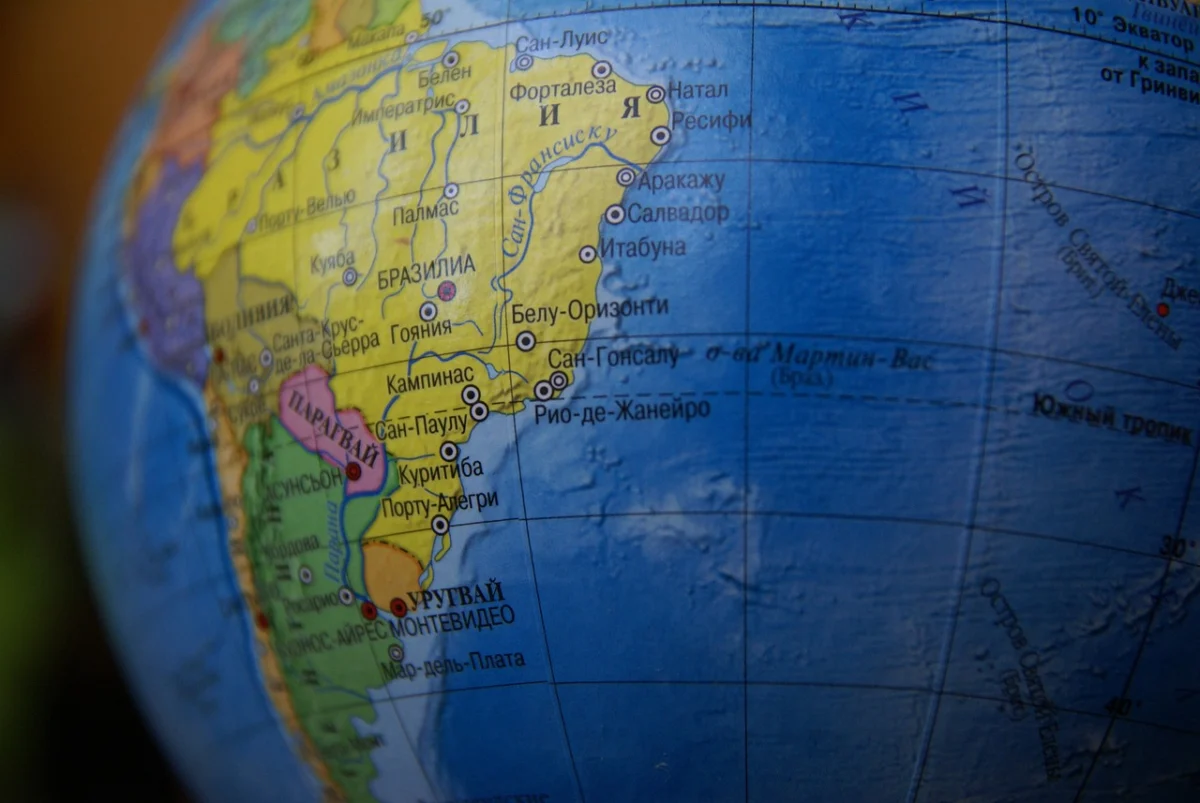
MONTEVIDEO, Uruguay — As delegates from across Latin America and the Caribbean gather in Montevideo for the Regional Conference on Population and Development (CRPD), the air is thick with more than just diplomatic formality. The three-day summit, held from August 18–20, has become a pivotal battleground for the future of gender equality in a region currently witnessing a systemic and alarming erosion of protections for women, girls, and adolescents.
With human rights organizations led by Amnesty International sounding the alarm, the conference is no longer merely a forum for administrative policy—it is a high-stakes call for governments to move beyond rhetoric and fulfill the binding promises of the "Montevideo Consensus."
Main Facts: The Crisis of Rights in the Americas
The current regional climate is defined by what observers describe as a "relentless wave of attacks" on the fundamental rights of women. Despite long-standing international agreements, the implementation of safeguards against gender-based violence, reproductive coercion, and systemic inequality has stalled or, in many jurisdictions, regressed.
At the heart of the crisis is the disconnect between state-level commitments and the reality on the ground. The Montevideo Consensus, adopted in 2013, remains one of the most comprehensive intergovernmental frameworks in the region. It explicitly mandates protections based on gender, ethnicity, age, and socioeconomic status. However, as the CRPD unfolds, advocates argue that the Consensus is at risk of becoming a "hollow document"—a list of noble intentions that lack the political will and financial resources necessary for enforcement.
The core demands from civil society groups attending the conference are clear: governments must cease the defunding of feminist organizations, ensure the physical safety of human rights defenders, and prioritize the actualization of legal frameworks that protect bodily autonomy and reproductive health.
Chronology of a Regional Retreat
To understand the urgency of the Montevideo talks, one must look at the recent trajectory of gender politics in the region:
- 2013 (The Foundation): The Regional Conference on Population and Development adopts the Montevideo Consensus. It is hailed as a landmark achievement, outlining a roadmap for sustainable development rooted in human rights and the elimination of inequalities.
- 2019–2022 (The Pandemic Impact): The COVID-19 pandemic exacerbates existing structural inequalities. Lockdowns lead to a surge in domestic violence, while access to reproductive health services is severely restricted, disproportionately affecting impoverished women and girls.
- 2023 (The Backlash): Various nations across Latin America see a surge in legislative efforts to curtail reproductive rights. Simultaneously, funding for grassroots women’s organizations is slashed in several countries, effectively silencing those who monitor state compliance with human rights treaties.
- August 2024 (The Montevideo Summit): Regional leaders convene against a backdrop of increasing political polarization. Amnesty International issues a formal briefing, warning that the "regional rollback" has reached a critical threshold, threatening to undo decades of progress.
Supporting Data: The Cost of Inaction
The necessity of the Montevideo talks is underscored by harrowing data regarding the state of women’s health and safety in the region.
Femicide and Institutionalized Violence
Despite the implementation of specific "femicide" laws in several Latin American nations, the practical application remains deeply flawed. Legal loopholes, combined with a lack of police training and systemic bias within judicial systems, mean that many perpetrators never face trial. According to reports from the UN and various regional observers, the region maintains some of the highest rates of gender-based violence globally.
Reproductive Health and Bodily Autonomy
Access to reproductive care remains a volatile issue. In many parts of the region, restrictive laws regarding contraception and abortion create a "postcode lottery" for health, where a woman’s ability to make decisions about her own body depends entirely on her nationality and socioeconomic standing. The "Girls, Not Mothers" campaign has highlighted the catastrophic impact of child marriage and adolescent pregnancy, which often force girls out of education and into cycles of generational poverty.
Political and Economic Participation
While entities like UN Women have made strides in enabling political participation, the reality is that women in the region remain vastly underrepresented in executive and legislative branches. Furthermore, the economic empowerment of women has been hampered by the "care burden"—the fact that women continue to perform the vast majority of unpaid domestic labor, a reality that has only deepened in the wake of recent economic instabilities.
Official Responses and Stakeholder Perspectives
The discourse surrounding the CRPD has been polarized, reflecting the broader political shifts in the region.
The Amnesty International Stance
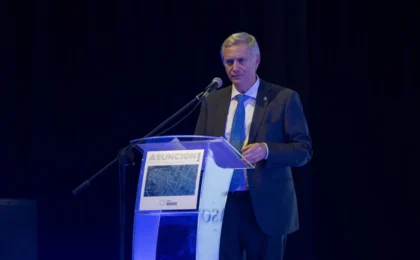
Ana Piquer, Americas Director at Amnesty International, has been the most vocal critic of the current status quo. Her message to the delegations in Montevideo is unequivocal: "Current challenges require concrete actions, adequate resources, and effective accountability mechanisms." Piquer emphasized that the Consensus must be viewed as a living, breathing legal obligation, not a symbolic gesture.
The Role of International Bodies
UN Women and other specialized agencies continue to leverage the Belém do Pará Convention—the Inter-American Convention on the Prevention, Punishment, and Eradication of Violence against Women—to pressure states. Their current strategy involves fostering cross-border cooperation to share best practices in legal enforcement and to create safer corridors for human rights defenders who face state-sponsored intimidation.
The Dissenting Voices
It is important to note that not all delegates arrive in Montevideo with a shared vision of progress. Some conservative political factions within the region continue to frame the expansion of women’s rights as an encroachment on "traditional family values." This pushback is a primary driver of the current "rollback" and explains the immense difficulty negotiators face in reaching a unanimous, substantive agreement during the three-day session.
Implications: The Future of the Americas
The outcome of the Montevideo conference will have profound implications for the next decade of development in Latin America and the Caribbean.
The Erosion of Democratic Integrity
The treatment of women and girls is a litmus test for the health of a democracy. When governments dismantle the safeguards protecting their most vulnerable citizens, they inherently weaken the rule of law. The trend of attacking feminist movements is, at its core, an attack on the pluralistic, democratic fabric of these nations. If the participants in Montevideo fail to reverse this trend, it signals a deeper, more troubling slide toward authoritarianism in the region.
The Economic Consequence
Economically, the failure to address gender inequality is a massive oversight. The region cannot achieve sustainable development if half of its population is systematically excluded from economic empowerment and political decision-making. Enabling women’s full participation is not just a moral imperative—it is a fiscal necessity for long-term regional prosperity.
The Road Ahead
As the conference enters its final stages, the focus remains on whether the Montevideo Consensus can be effectively re-invigorated. The "road map" provided by the Consensus is comprehensive, but it requires a new level of enforcement:
- Direct Budgetary Support: Governments must allocate specific funds to support NGOs and civil society groups that monitor human rights.
- Judicial Reform: Strengthening the independence of the judiciary is essential to ensure that femicide and gender-based violence cases are prosecuted with the severity they deserve.
- Cross-Border Protection: Creating a regional mechanism to protect human rights defenders who face persecution for their work in their home countries.
"Every woman, girl, and adolescent must be able to make free and informed decisions regarding their bodies," Piquer concluded in her address. "Every woman survivor of violence must have support and protection from the state, and every woman defender must be able to demand justice and equality without fear of reprisals."
The world is watching Montevideo. The decisions made in these halls will either serve as a bulwark against the rising tide of oppression or a concession to the forces attempting to roll back decades of hard-won human rights progress. The question remains: Will these governments choose to act, or will they continue to offer empty promises in the face of a mounting crisis?