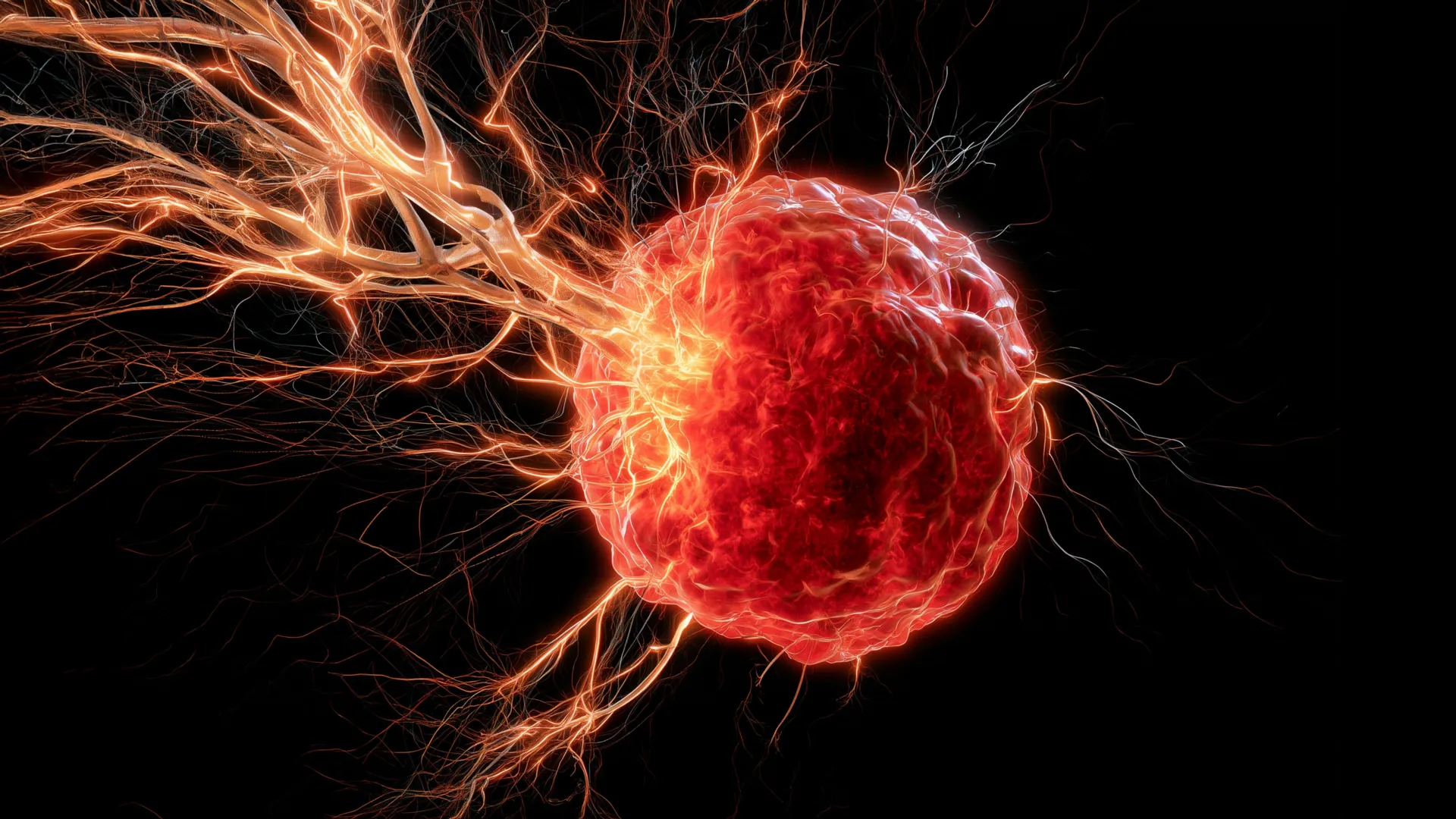
In the complex battlefield of oncology, the interaction between cancer cells and the surrounding microenvironment is a primary focus of modern research. A groundbreaking study from the University of Oklahoma (OU) has illuminated a sophisticated survival mechanism utilized by triple-negative breast cancer (TNBC)—one of the most aggressive and treatment-resistant forms of the disease. Researchers have discovered that these tumors do not merely grow in isolation; they actively manipulate the immune system to recruit nerves into their interior, effectively "wiring" themselves for survival and expansion.
This discovery, published in the journal Cell Death & Differentiation, suggests that the nervous system plays a far more active role in oncogenesis than previously understood. By leveraging immune cells to act as a conduit for nerve growth, tumors may be creating a protective niche that fosters progression and thwarts the body’s natural immune defenses.
The Anatomy of a Tumor: A Biological Sabotage
For decades, clinicians have observed that many solid tumors—including breast, prostate, and pancreatic cancers—are densely populated by nerve networks. While the presence of these nerves was well-documented, the mechanism behind their recruitment remained a significant scientific mystery. Why do nerves migrate into a malignancy?
The OU research team, led by Dr. Maureen Cox, an assistant professor in the Department of Microbiology and Immunology at the OU College of Medicine, has finally provided a compelling explanation. The process begins with the tumor’s ability to hijack macrophages.
The Role of Macrophages
Macrophages are specialized immune cells tasked with patrolling the body, clearing debris, and fighting infections. In a healthy state, they are the body’s cleanup crew. However, in the context of TNBC, these cells are subverted. The research indicates that TNBC tumors release specific signals that attract macrophages into the tumor microenvironment. Once inside, these immune cells undergo a functional transformation. Instead of mounting an anti-tumor response, they begin to secrete high levels of brain-derived neurotrophic factor (BDNF).
The BDNF Connection
BDNF is a protein typically associated with the health and development of neurons in the brain. It acts as a chemical beacon, encouraging nerve growth and synaptic plasticity. In the context of a tumor, however, BDNF serves a sinister purpose: it acts as a magnet for peripheral nerves. By secreting this protein, the tumor-associated macrophages coax nearby nerves to grow, sprout, and infiltrate the tumor mass. Once established, these nerves provide a supportive infrastructure that may help the cancer survive in a hostile environment, effectively acting as an immunosuppressive shield.
Chronology: From Cellular Observation to Therapeutic Intervention
The road to this discovery was paved by a multi-year effort to understand the cellular architecture of TNBC.
- Initial Hypothesis: The research team began by observing the abnormal density of nerves in TNBC biopsy samples. They noted that patients with higher nerve density consistently fared worse, leading to the hypothesis that the nerves were not mere bystanders but active participants in the cancer’s growth.
- Molecular Mapping: Using advanced imaging and gene-expression analysis, the team traced the source of the nerve-growth stimuli back to the macrophages residing within the tumor microenvironment.
- The Validation Phase: Having identified the BDNF-macrophage axis, the researchers moved to preclinical models. They utilized mice with TNBC to see if disrupting this specific signaling pathway would alter the tumor’s trajectory.
- The Therapeutic Breakthrough: By applying a pharmacological agent designed to block BDNF signaling, the team observed a stark shift in tumor behavior. The nerves stopped infiltrating the tumor, and, crucially, the tumors exhibited significantly reduced growth rates.
Supporting Data: Why This Matters for Patients
The implications of this study are not confined to the laboratory; they are supported by longitudinal data from human patients. The research team analyzed clinical datasets from individuals diagnosed with triple-negative breast cancer, looking for correlations between macrophage/BDNF expression and patient outcomes.
The findings were statistically significant: patients whose tumors showed high levels of both macrophages and BDNF experienced poorer survival rates. This clinical correlation suggests that the "neuro-immune" pathway identified in the laboratory is a genuine factor in the aggressive nature of human TNBC. By establishing this link, the researchers have identified a potential new biomarker for predicting disease progression and a target for future therapeutic interventions.
Official Responses and Perspectives
Dr. Maureen Cox, a research member of the OU Health Stephenson Cancer Center, emphasizes the irony of the discovery. "Macrophages are the critical source for drawing nerves into the tumor," Dr. Cox explained. "Although macrophages typically play a positive role in the body, they are facilitating a negative function in this scenario of breast cancer."
This perspective highlights the fundamental challenge of cancer treatment: the tumor is not a foreign invader but a corruptor of the body’s own biological systems. "It looks really promising that we can use this drug, which is already on the market, to target BDNF," Dr. Cox added. By repurposing existing medications to interrupt the signaling between macrophages and nerves, the team believes they can effectively "starve" the tumor of its neural support network.
The research was supported by a robust framework of funding from the National Institute of General Medical Sciences (NIGMS) and the Oklahoma Tobacco Settlement Endowment Trust (TSET). These institutions provide the necessary backing for high-risk, high-reward research that seeks to bridge the gap between basic immunology and clinical oncology.
Implications: A New Frontier in Cancer Therapy
The discovery that nerves contribute to tumor progression opens up a previously ignored therapeutic pathway. Currently, most cancer treatments focus on either direct cytotoxic effects (chemotherapy/radiation) or immune-checkpoint inhibitors. The OU research suggests a third, complementary approach: neural-suppressive therapy.
Boosting the Immune Response
One of the most exciting aspects of this research is the hypothesis that nerves within a tumor contribute to an immunosuppressive environment. If researchers can prevent these nerves from establishing themselves, they may inadvertently "unlock" the tumor, making it more vulnerable to the patient’s own immune system. Dr. Cox notes, "Ultimately, we want to turn the anti-tumor immunity back on in cancer patients so their own immune systems can reject the tumors."
Broader Applications
The potential for this therapy extends well beyond triple-negative breast cancer. The research team is already planning to investigate whether this same neural-recruitment mechanism is present in high-grade ovarian cancer, another notoriously difficult disease. If the BDNF-macrophage axis is a universal strategy used by aggressive solid tumors, this could mark a paradigm shift in how we approach the treatment of various metastatic cancers.
Future Research Directions
While the current findings are promising, the next phase of research will focus on the "why" and "how" of nerve-tumor interactions. Key questions remain:
- Angiogenesis: Does the presence of these nerves stimulate the formation of new blood vessels (angiogenesis) to feed the tumor?
- Metastasis: Do cancer cells use these nerves as a "highway" to migrate away from the primary tumor and colonize other parts of the body?
- Combination Therapies: How can BDNF-blocking drugs be combined with traditional chemotherapy or immunotherapy to achieve maximum clinical efficacy?
Conclusion
The work coming out of the University of Oklahoma represents a significant leap forward in our understanding of the tumor microenvironment. By identifying the role of BDNF and macrophages in recruiting nerves, researchers have exposed a hidden dependency that tumors rely upon to survive. As the medical community shifts toward more targeted, personalized medicine, the ability to interrupt these complex biological "crosstalk" signals may be the key to turning the tide against the most aggressive forms of cancer.
While clinical trials in humans remain the essential next step, the evidence provided by this study offers a new ray of hope for patients facing a diagnosis of triple-negative breast cancer. By dismantling the tumor’s neural network, scientists are moving one step closer to a future where the body’s own immune system can be empowered to win the fight against malignancy.