The Star Wars franchise has long served as a sprawling, multi-generational canvas for interactive entertainment. From the seminal narrative heights of Knights of the Old Republic to the kinetic, soul-like precision of Jedi: Fallen Order, the galaxy far, far away has proven to be a fertile, if occasionally volatile, ground for developers. However, the history of Star Wars gaming is also defined by a "ghost library"—a collection of ambitious, high-concept projects that were consigned to the cutting-room floor before ever reaching the hands of players.
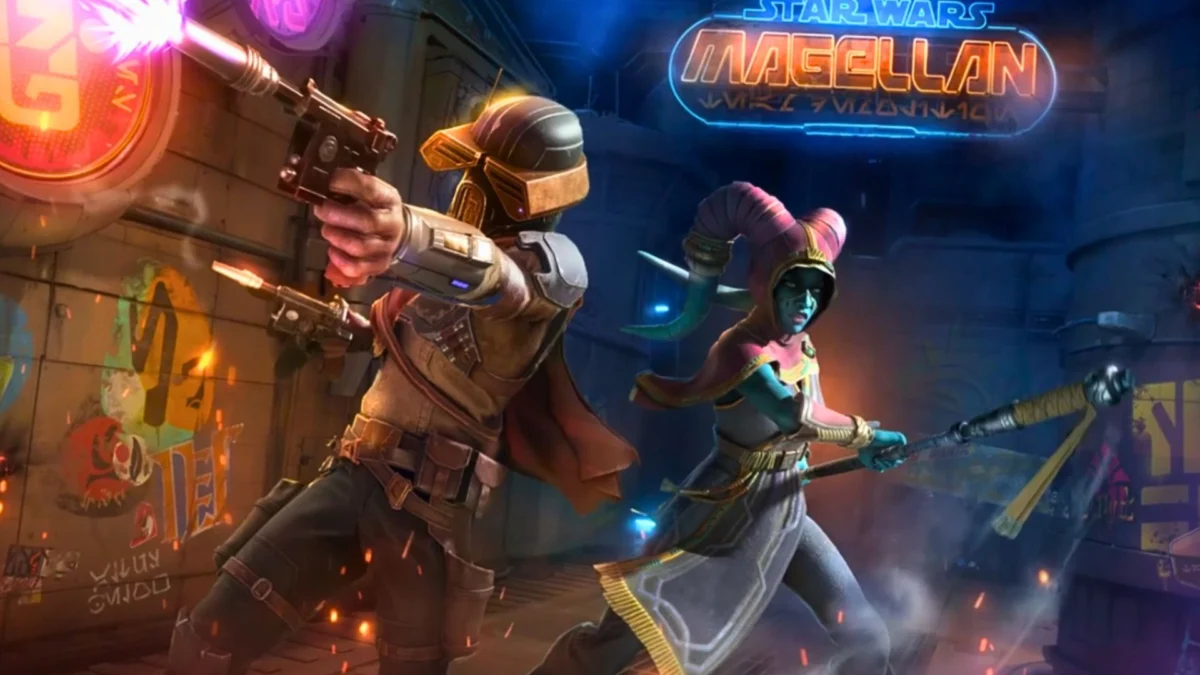
The most recent addition to this phantom catalog is Star Wars: Magellan, a previously unannounced action RPG developed by the now-defunct Echtra Games. The revelation, brought to light via the portfolio of a former studio developer and reported by MP1st, has offered a tantalizing glimpse into a project that promised to blend character-driven narrative depth with high-octane, cooperative multiplayer combat.
The Rise and Fall of Echtra Games
To understand the fate of Star Wars: Magellan, one must look at the trajectory of the studio behind it. Echtra Games, founded by industry veterans—many of whom had previously worked on the Torchlight and Diablo franchises—was a studio with a distinct pedigree in action-oriented RPG design.
Following the release of Torchlight III, the studio was acquired by the mobile gaming titan Zynga. For a time, the partnership suggested a new direction for the team, leveraging their expertise in dungeon-crawling mechanics for broader, potentially licensed projects. However, the gaming industry is notoriously unforgiving. In June 2025, in a move that sent shockwaves through the studio’s internal teams, Zynga shuttered Echtra Games entirely as part of a wider corporate restructuring. With the studio’s closure, the development of all ongoing projects, including the secret Star Wars: Magellan initiative, was abruptly terminated.
Project Magellan: A Dual-Protagonist Vision
The leaked documentation and gameplay footage from Magellan offer a window into what the developers were aiming to achieve. Unlike the more linear, solo-focused experiences typical of recent Star Wars titles, Magellan was built around a dual-protagonist structure.
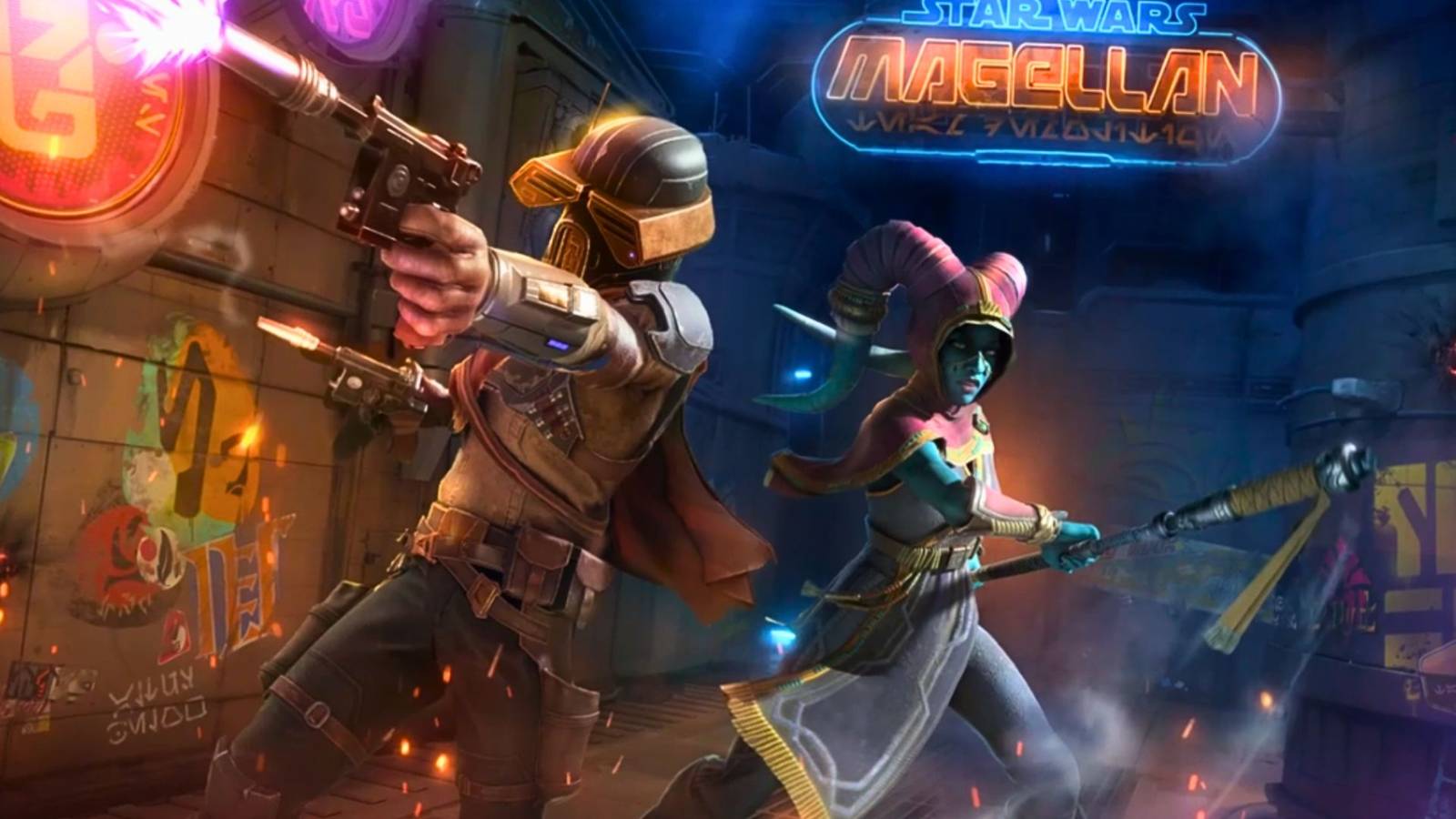
The gameplay materials highlight two distinct archetypes: a Twi’lek Jedi, internally referred to as "The Hunted Jedi" or "Cleric," and a Mandalorian warrior known as "The Exile" or "Triggerman." This binary choice suggests a game designed to accommodate different playstyles—the graceful, kinetic melee combat of a Force-user versus the tactical, gadget-heavy approach of a Mandalorian bounty hunter.
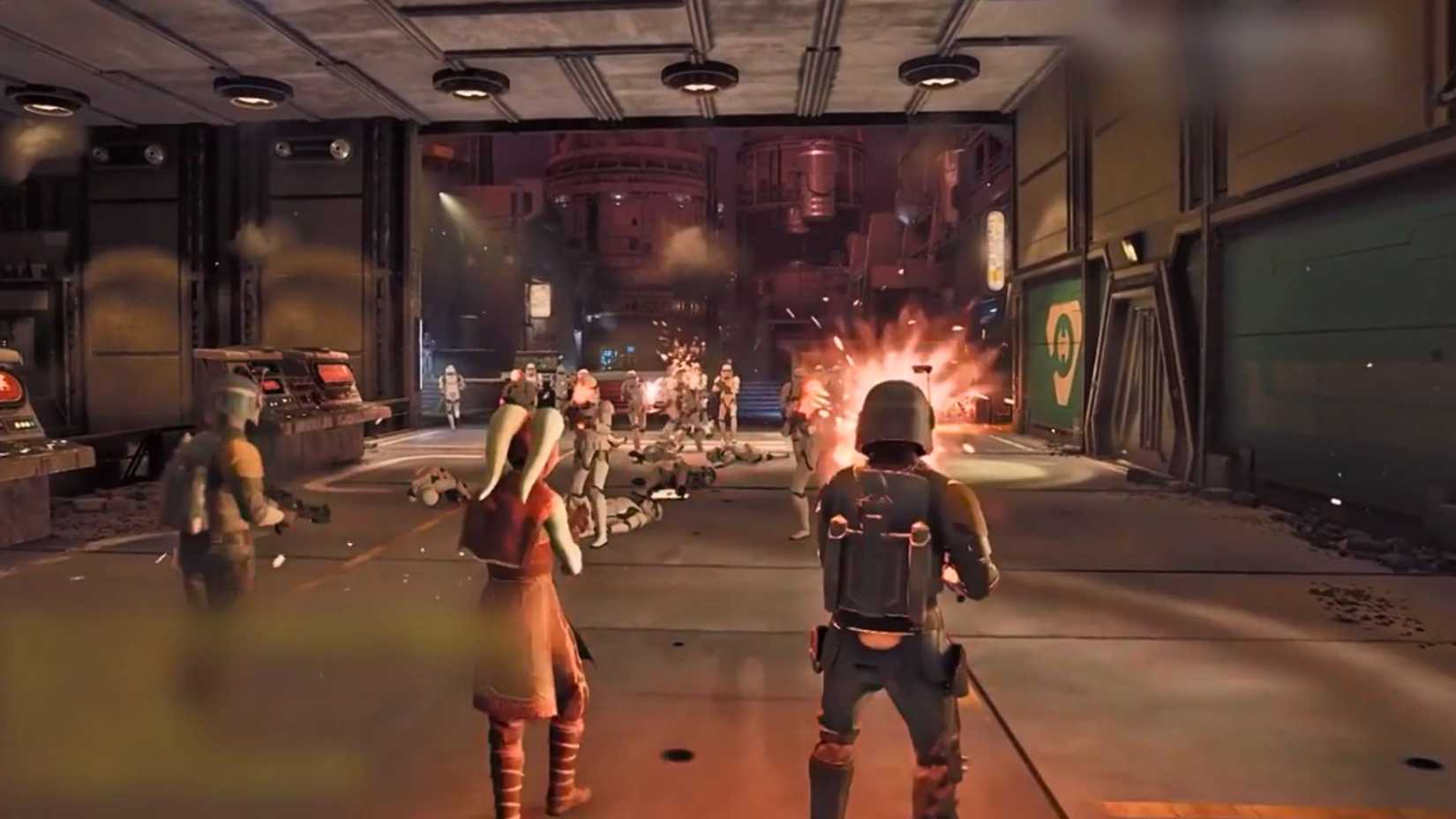
The movement and combat animations present in the leaked footage indicate a polished, third-person action experience. The Jedi protagonist is seen utilizing fluid lightsaber combos, while the Mandalorian character relies on a mix of jetpack mobility and ranged weapon mastery. Perhaps most importantly, the project appeared to support cooperative multiplayer. This would have allowed players to pair up, with one controlling the Jedi and the other the Mandalorian, to tackle missions against waves of Imperial Stormtroopers, tactical droids, and indigenous alien fauna.
The "NPC Bond" System: A BioWare-Esque Ambition
One of the most intriguing aspects of Magellan was its focus on social mechanics. According to the internal project documents, the developers intended to implement an "NPC Bond" system. In the context of an action RPG, this is a significant design choice.
In many action-heavy titles, NPCs are relegated to quest-givers or background flavor. However, the Magellan team appeared to be aiming for a more immersive social experience, likely inspired by the "Companion Influence" systems found in legendary titles like Mass Effect or Star Wars: The Old Republic. By fostering relationships with characters throughout the game world, players would have been able to influence the narrative trajectory and potentially unlock unique dialogue or combat advantages. While the scope of this system—whether it included branching romances or purely platonic alliances—remains unknown, it highlights a design philosophy that valued player agency and emotional investment as much as combat prowess.
Chronology of Development and Closure
- Early 2024: Development begins at Echtra Games, likely under the umbrella of a broader licensing agreement between Disney/Lucasfilm and Zynga.
- Mid-2024: The "Magellan" project reaches a playable alpha state, with core mechanics for the Twi’lek and Mandalorian characters finalized.
- Early 2025: The project undergoes internal testing, focusing on the integration of the NPC Bond system and cooperative multiplayer stability.
- June 2025: Zynga announces the closure of Echtra Games. All ongoing development ceases immediately.
- August 2026: An anonymous former developer updates their public portfolio, leaking the footage and documentation that finally confirms the game’s existence.
Art Style and Technical Influences
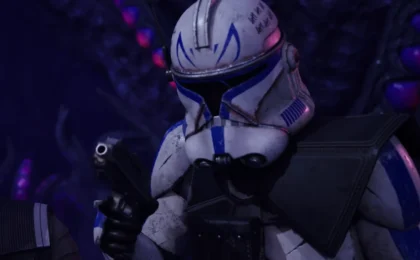
The visual identity of Magellan is perhaps its most controversial aspect. The aesthetic, particularly in the character models for the Twi’lek and the stormtroopers, bears a striking resemblance to Star Wars: Hunters, the arena-brawler previously published by Zynga.

Critics and fans have noted a more stylized, almost "hero-shooter" approach to the character designs, which differs from the grounded, photorealistic look of the Jedi series. However, the mechanical depth seen in the combat footage suggests that Magellan was aiming for a more substantial experience than a mobile-first title. The presence of sophisticated lightsaber physics and environmental destruction suggests that this was a console-grade project, perhaps intended to bridge the gap between casual, accessible multiplayer and the "hardcore" RPG market.
Industry Implications: The Cost of Corporate Restructuring
The story of Star Wars: Magellan is a microcosm of the current state of the video game industry. It highlights the precarious nature of development within large, consolidated corporate structures. When a parent company like Zynga shifts its strategic focus, even projects with high potential and distinct mechanical hooks are discarded as "expendable assets."
For the Star Wars brand, the loss of Magellan is another reminder of the "what could have been." The industry has seen a string of canceled Star Wars titles in recent years, including the highly anticipated Mandalorian game from Respawn. These cancellations are not just failures of individual studios, but often symptomatic of a broader volatility in the AAA landscape, where long-term, high-budget creative projects are increasingly vulnerable to quarterly profit-driven decisions.
Looking Ahead: The Future of the Franchise
While the loss of Magellan is undoubtedly a blow to fans who were looking for a cooperative, relationship-heavy Star Wars RPG, the franchise remains in a period of intense growth. The gaming landscape is currently looking toward two major upcoming releases that may satisfy some of the appetites that Magellan was intended to whet.
Star Wars: Zero Company, scheduled for release on August 27, 2026, promises a fresh tactical perspective on the conflict between the Rebellion and the Empire. Meanwhile, Star Wars: Galactic Racer, arriving on October 6, 2026, seeks to revive the high-speed, arcade-racing legacy that fans have been clamoring for since the days of the N64.
Conclusion: The Value of the Archive
The discovery of Star Wars: Magellan serves as a poignant reminder of the work that goes on behind the closed doors of game development. Even in its canceled state, the project provides valuable insights into how developers were attempting to evolve the Star Wars experience—moving away from the lone-wolf archetype toward a more collaborative, systems-driven narrative.
While we will never get to experience the bond between the Twi’lek and the Mandalorian, the leaked footage ensures that the project will have a life in the annals of gaming history. For now, the "ghosts" of Magellan remain a testament to the ambition of the team at Echtra Games and the enduring, if occasionally fragile, dream of exploring the galaxy in new and meaningful ways. As the industry continues to evolve, one can only hope that future projects are given the stability required to transform these ambitious designs from concepts into finished, playable masterpieces.