For the modern digital nomad, the dream of "working from anywhere" is frequently dampened by a harsh reality: the struggle to maintain professional productivity while navigating the chaotic logistics of global travel. The romanticized image of typing on a laptop from a sun-drenched beach cafe often dissolves into a frustrating search for a stable power outlet, a reliable Wi-Fi signal, and a quiet corner that isn’t overpriced or over-crowded.
As remote work transitions from a pandemic-era necessity to a permanent professional standard, a new industry has emerged to bridge the gap between the nomadic lifestyle and the office environment. Enter the coliving space—a hybrid model that blends the professional infrastructure of a coworking office with the communal social architecture of a boutique hostel. Among the leaders in this space is Outsite, a platform that has redefined how location-independent professionals live and work.
The Evolution of the Nomadic Workspace: From Hostels to Hubs
Historically, the digital nomad experience was characterized by extreme trade-offs. Professionals would often settle for cramped hostel common rooms, where the social energy was vibrant but the environment was entirely antithetical to "deep work." Alternatively, they would opt for private Airbnbs, which offered privacy but exacerbated the profound isolation that often accompanies long-term solo travel.
The shift began in earnest around 2015, as companies recognized that the growing demographic of remote developers, entrepreneurs, and creatives required a "third space." This space needed to be more than just a desk; it needed to be a living ecosystem that provided reliability, high-speed connectivity, and, crucially, a built-in community.
Understanding the Outsite Model: A Deep Dive
Founded in Santa Cruz, California, Outsite was conceived as a response to the "surf and work" lifestyle. What began as a single house has transformed into a global network of over 50 locations. The platform operates on a membership-based model, though it remains accessible to non-members, creating a unique hybrid of community-driven long-term stays and transient professional travel.
The Membership Structure
Outsite offers a tiered membership system designed to incentivize frequent travelers.
- Annual Membership ($199/year): Designed for the regular traveler, this tier provides access to exclusive member-only properties, significant discounts on extended stays, and priority access to popular locations.
- Lifetime Membership ($499): A one-time investment that secures long-term benefits, aimed at the "professional nomad" who has committed to the lifestyle for the long haul.
Beyond the financial incentives, membership offers access to a "job and sublets board," networking mixers, and curated events that foster a sense of belonging in cities where the traveler might otherwise be a total stranger.
Chronology of a Stay: The "Bordeaux Experience"
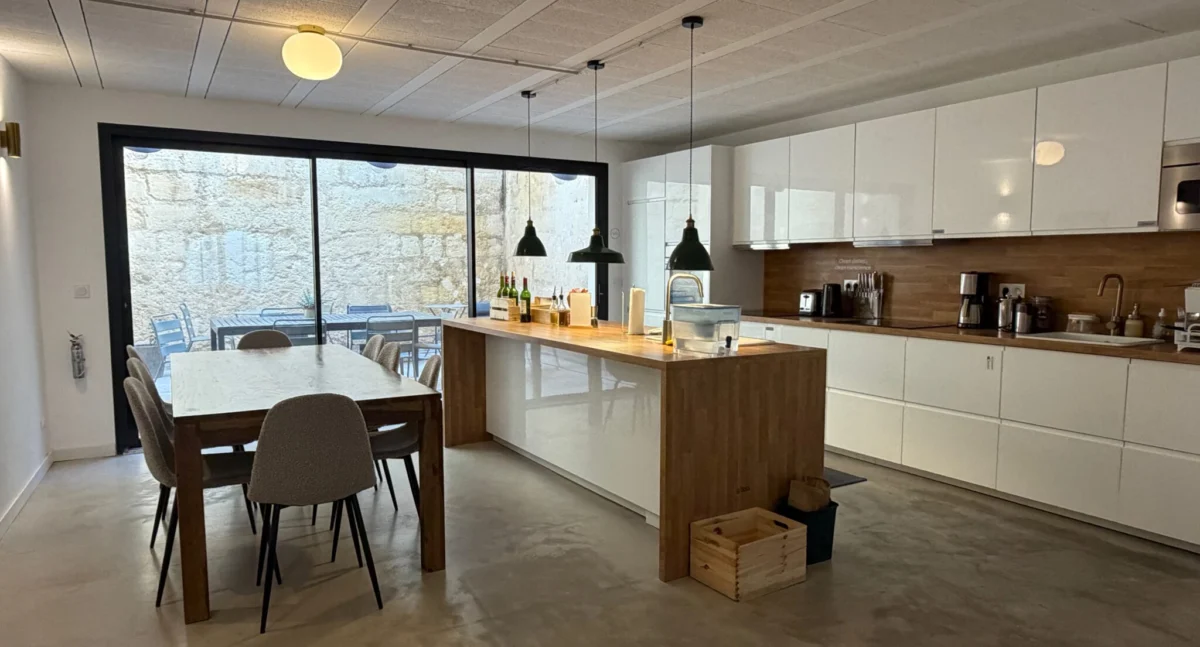
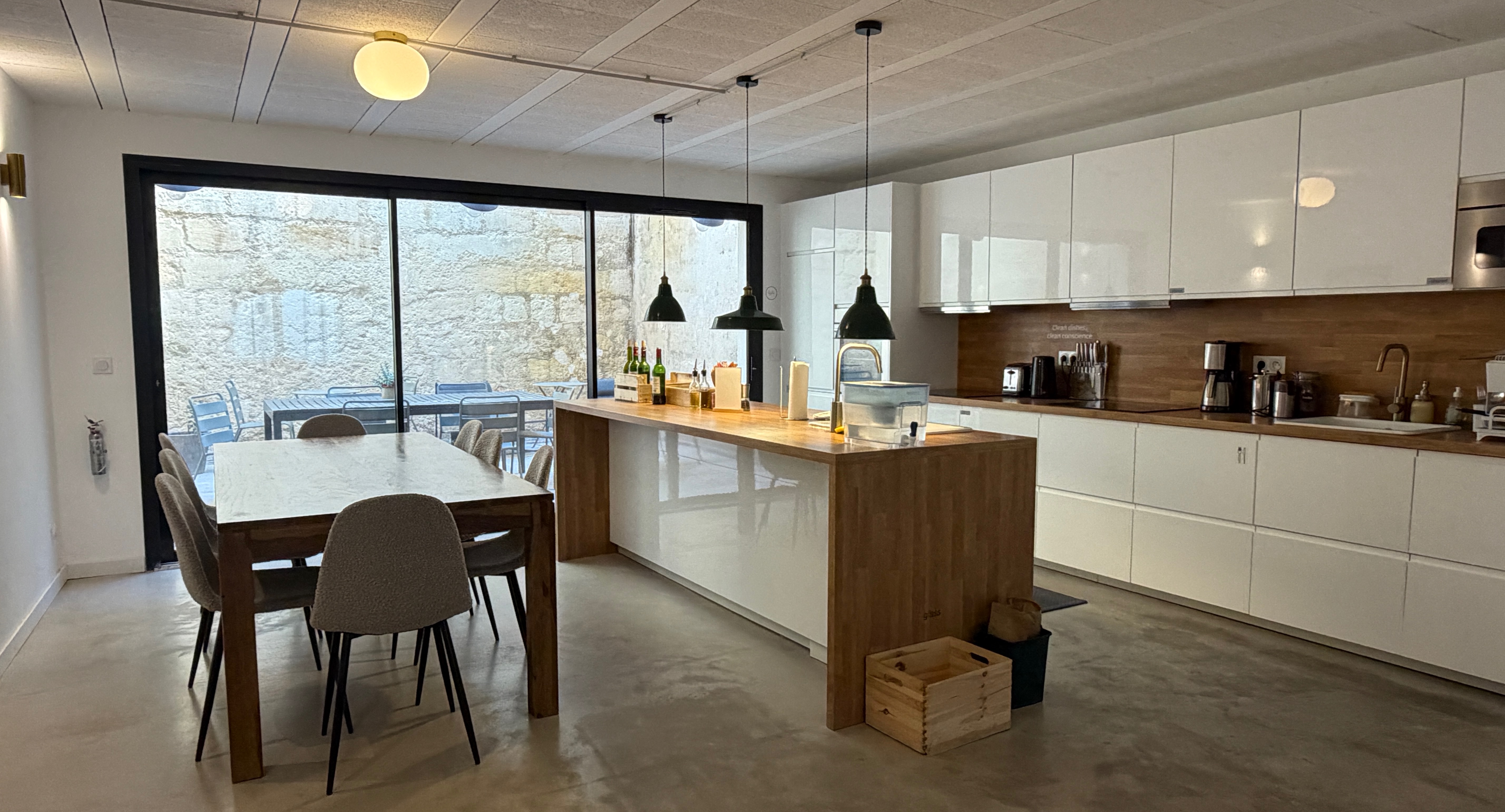
To understand the operational efficacy of these spaces, one must examine the user journey. During a recent field assessment in Bordeaux, France, the distinction between a traditional hospitality experience and an Outsite coliving stay became immediately apparent.
Arrival and Onboarding: Unlike a standard hotel where the interaction is transactional, the arrival at an Outsite property is integrated into a digital community. Before stepping foot in the city, guests are introduced to a local WhatsApp group, bridging the social gap before the physical arrival.
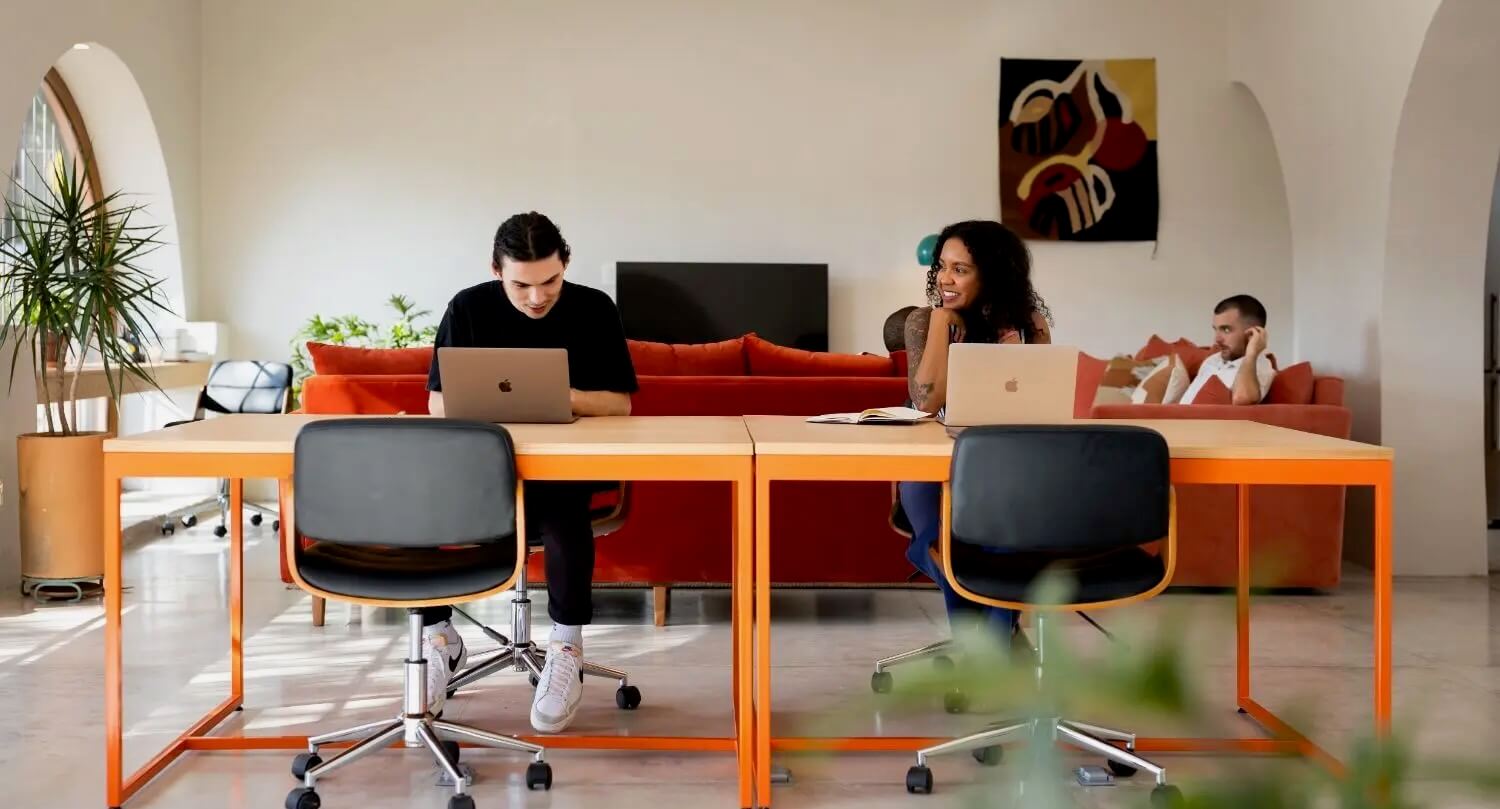
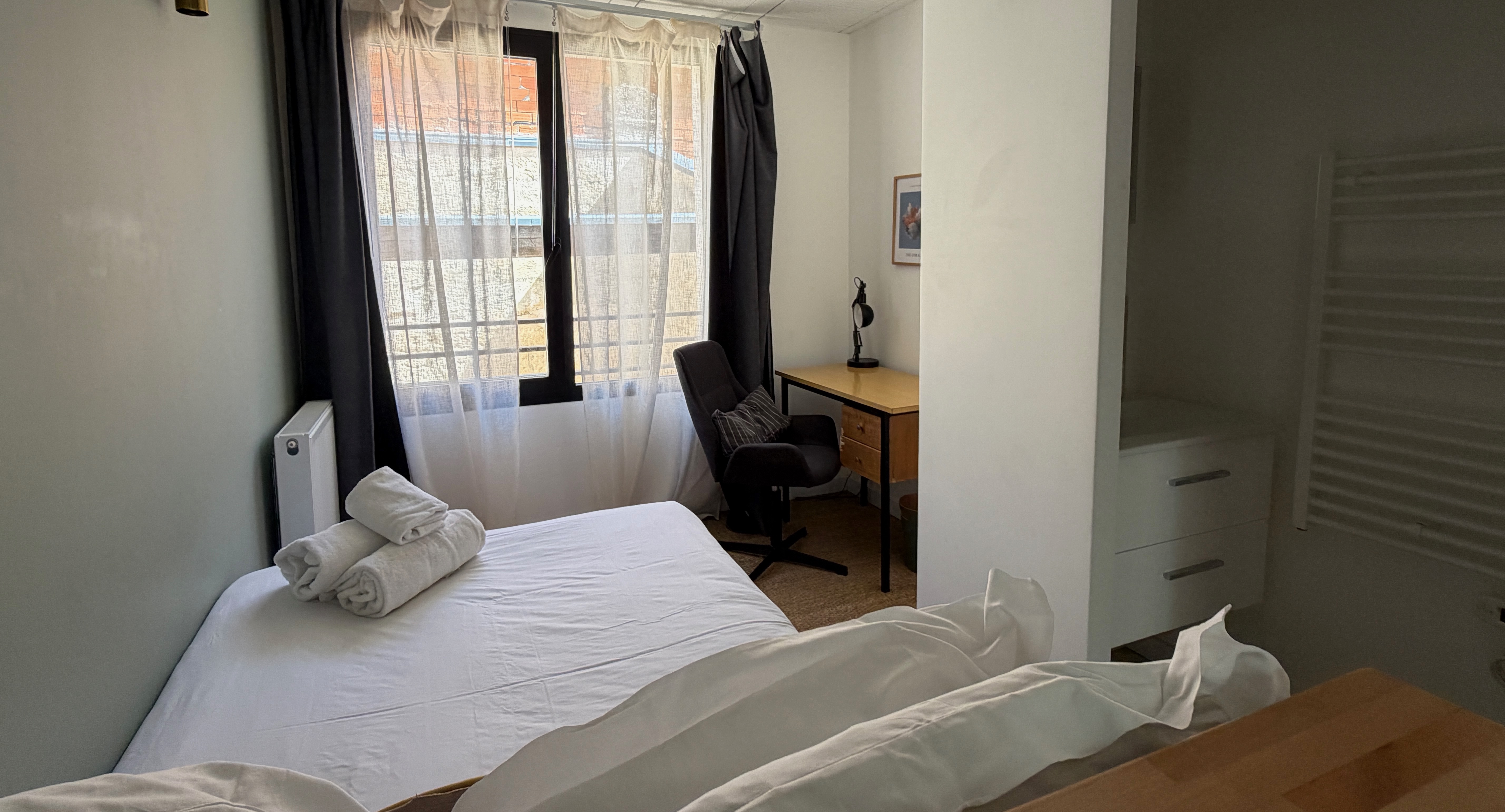
The Work Environment: The physical infrastructure is optimized for productivity. Every house features dedicated coworking spaces equipped with ergonomic furniture, high-speed fiber-optic Wi-Fi, and secondary monitors. This setup eliminates the "coffee shop struggle"—no more purchasing overpriced espressos just to secure a corner table or worrying about the security of one’s equipment during a bathroom break.
The Social Integration: Evenings are typically reserved for communal engagement. Whether it’s a family-style dinner, a local tapas crawl, or a weekend excursion organized by a dedicated Community Manager, the model intentionally fosters interaction. This is perhaps the most significant value proposition: mitigating the loneliness that plagues 60% of long-term remote workers, according to recent industry surveys.
Supporting Data: The Productivity-Community Balance
Data from the remote work sector indicates that productivity is inextricably linked to environment and social health. According to recent surveys of Outsite members, the average guest reports a 40% increase in "perceived work-life balance" compared to their previous experiences working from independent rentals.
The economic math also supports the shift. While the upfront cost of an Outsite booking may appear higher than a budget hostel, the "Total Cost of Ownership" for a remote worker is often lower. When one factors in the cost of a monthly membership at an external coworking space (which can range from $200 to $400 in European hubs) plus the convenience of a fully equipped kitchen and laundry facilities, the coliving model provides a consolidated expense that is often more cost-effective for the long-term professional.
Official Perspectives: The Professionalization of Nomadism
The rise of Outsite and similar platforms marks a professionalization of the digital nomad movement. In an interview, Outsite leadership emphasized that their target demographic is not the "gap-year backpacker," but the "location-independent professional."
"We are building infrastructure for the next generation of the workforce," says a representative. "Our goal is to ensure that talent can move globally without sacrificing their output. When you take away the stress of finding a desk or the isolation of working from a hotel room, you aren’t just improving a vacation; you are sustaining a career."
Implications: The Future of Urban and Remote Living
The implications of this model extend beyond the travel industry and into the broader conversation about urban planning and office culture. As more companies adopt "remote-first" policies, the demand for "Work-from-Anywhere" (WFA) housing is expected to surge.
1. The Death of the "Sterile" Corporate Hotel
The success of boutique coliving spaces is forcing traditional hospitality brands to rethink their offerings. Business travelers are increasingly seeking the "third space" experience—a home-like environment with office-grade internet—rather than the cold, impersonal nature of chain hotels.
2. The Rise of the "Nomadic Hub"
We are seeing the formation of "Nomad Hubs" in secondary cities. Places like Bordeaux, Lisbon, and Santa Cruz are becoming magnets for talent, not because of traditional office headquarters, but because of the infrastructure—like Outsite—that supports remote work.
3. Regulatory Challenges
As the demand grows, local governments are beginning to grapple with the legalities of coliving. In cities like New York or London, strict zoning laws regarding short-term rentals have forced platforms to adapt. This has led to longer minimum-stay requirements (often 30 days) in certain markets, which paradoxically helps stabilize the communities within these houses, as guests stay longer and build deeper connections.
Final Assessment: Is Coliving for You?
The digital nomad life is not a one-size-fits-all experience. For those who thrive on absolute solitude or those who travel on a "shoestring" backpacker budget, the coliving model may feel like an unnecessary expense. However, for the professional who relies on consistent internet, values ergonomic health, and struggles with the isolation of the road, platforms like Outsite represent a vital evolution.
The transition to remote work was just the beginning. The next frontier is the creation of a physical environment that can sustain that work. Whether you are a freelance developer, a remote executive, or a creative entrepreneur, the era of "hunching over a hostel table" is effectively over. The future of work is collaborative, comfortable, and—most importantly—global.
As you plan your next trip, consider the return on investment that a curated, workspace-ready environment provides. It is more than just a place to sleep; it is a community, a network, and a productivity engine all rolled into one. Your tribe is out there—sometimes, you just need a better desk to find them.