The landscape of anime is built upon a foundation of nostalgic pillars. For many, shows like Naruto, Dragon Ball, and Pokémon served as the proverbial gateway, introducing viewers to the vibrant, high-stakes world of Japanese animation. For others, the medium became a sanctuary during formative years, with emotionally dense series like Neon Genesis Evangelion or the stylized, melancholic jazz-noir of Cowboy Bebop providing solace.
However, nostalgia is a double-edged sword. While these series hold a permanent place in the cultural zeitgeist, their age often betrays them. Flawed pacing, dated animation techniques, and unfinished narrative arcs often leave fans with a bitter aftertaste. While not every classic warrants a reboot—masterpieces like Steins;Gate remain functionally perfect despite their age—there exists a specific category of anime that, while iconic in concept, failed to reach its full potential in execution.
Below, we examine five classic anime series that demand a fresh interpretation. By leveraging modern production values and a commitment to fidelity, these stories could finally receive the legendary status their source material deserves.
1. Tokyo Ghoul: Reclaiming the Psychological Depth
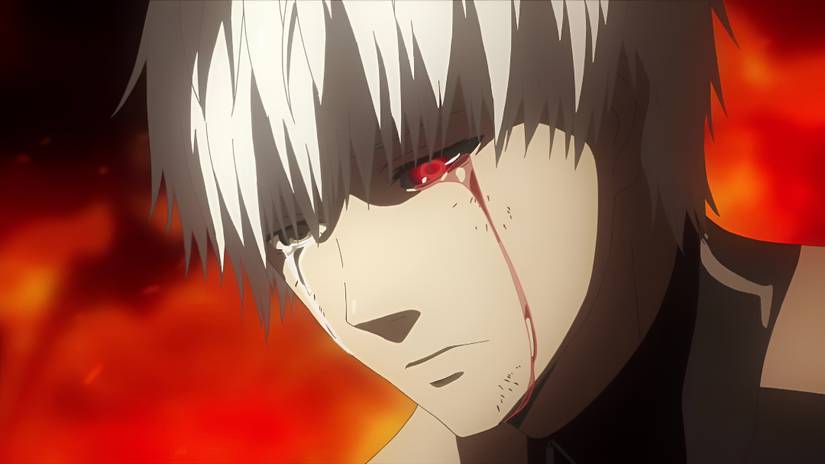
Tokyo Ghoul stands as a titan of dark fantasy. Sui Ishida’s original manga is a masterclass in psychological exploration, utilizing intricate paneling to convey the fractured psyche of its protagonist, Ken Kaneki. Ishida’s work is layered with literary allusions, complex symbolism, and a brutal deconstruction of humanity.
The Problem with the Original
Studio Pierrot’s adaptation is frequently cited as one of the most disappointing entries in modern anime history. While the first season showed promise, the follow-up, Root A, veered sharply away from the source material, creating an incoherent narrative that ignored the thematic heart of the story. The subsequent Tokyo Ghoul: Re suffered from a rushed pace that condensed hundreds of chapters into a blur of incomprehensible action.
The Potential for Remake
A faithful reboot would require an art style that mirrors Ishida’s chaotic, striking aesthetic. Beyond visuals, the series needs a deliberate, slow-burn approach to its themes. Tokyo Ghoul is not merely about a boy becoming a monster; it is a profound allegory for systemic corruption, the cyclical nature of hatred, and the thin, permeable barrier between "human" and "ghoul." A reboot could treat these themes with the gravity they demand, properly exploring the trauma that dictates every character’s decision.
2. Soul Eater: Bridging the Gap in Vision
Soul Eater possesses an unmistakable identity. With its gothic, whimsical aesthetic and a soundtrack pulsating with jazz and hip-hop, it remains a standout in the shonen genre. Studio Bones successfully captured the "cool factor" of Atsushi Okubo’s world, creating an ensemble cast that resonated with millions.
The Narrative Divergence
The primary criticism of the Soul Eater anime is its divergence from the manga. Much like the 2003 version of Fullmetal Alchemist, the anime surpassed the source material and was forced to invent its own ending. The result was an anticlimactic, rushed conclusion that undermined the character development of the preceding episodes.

The Brotherhood Model
The success of Fullmetal Alchemist: Brotherhood proves that an audience will happily revisit a story if the second attempt captures the full scope of the original. A Soul Eater remake would provide the opportunity to integrate unadapted lore and allow for the character growth that was stunted by the original’s premature finale. By aligning the tone and the ending with Okubo’s vision, a new series could invite a younger generation to appreciate the original while offering long-time fans the closure they have sought for over a decade.
3. Claymore: Dark Fantasy Unbound
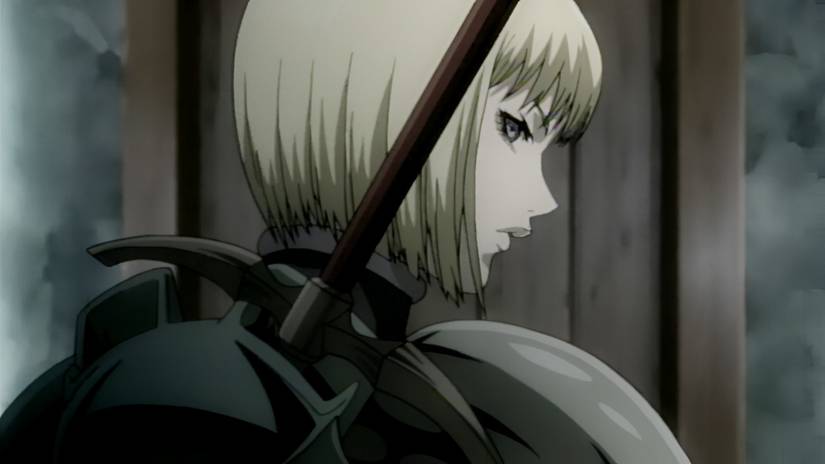
Norihiro Yagi’s Claymore is a dark fantasy epic that arguably hasn’t received the respect it deserves. Set on a medieval island plagued by "Yoma"—shape-shifting monsters—the story follows the titular Claymores, human-Yoma hybrids engineered to hunt these beasts. It is a tale of tactical warfare, grim survival, and internal politics.
Why the Current Adaptation Fails
Madhouse produced a 26-episode series that barely scratched the surface of the manga’s 11 volumes. By the time the story began to build momentum, the anime opted for a non-canon conclusion, effectively killing the chance for future seasons.
The Future of the Franchise
The arcs that follow the anime’s conclusion—most notably "The Northern Campaign"—are some of the most visceral and high-stakes in manga history. The creature designs, which range from grotesque to hauntingly beautiful, are perfectly suited for modern animation technology. A reboot could finally showcase the true scope of the war against the Yoma, transforming Claymore into the definitive dark fantasy experience it was always meant to be.
4. Deadman Wonderland: The Prison of Potential
Deadman Wonderland follows Ganta Igarashi, a teenager framed for the mass murder of his classmates and sent to a privatized prison where inmates are forced to participate in lethal games for the public’s amusement.
The 12-Episode Pitfall
The original 12-episode anime adaptation suffered from the "truncated adaptation" syndrome. It skipped essential character development and cut out critical side characters, leaving the audience with an incomplete, confusing narrative.
Modernizing the Horror
The core of Deadman Wonderland is its unique power system, the "Branch of Sin," where characters manipulate their own blood to create weapons. Modern animation could capture the visceral body horror and the high-octane combat sequences in a way that previous productions could not. A remake could emphasize the central themes of guilt and innocence, grounding the absurdity of the prison setting in the very real, very human trauma of its inmates.
5. Berserk: The Quest for Definitive Adaptation
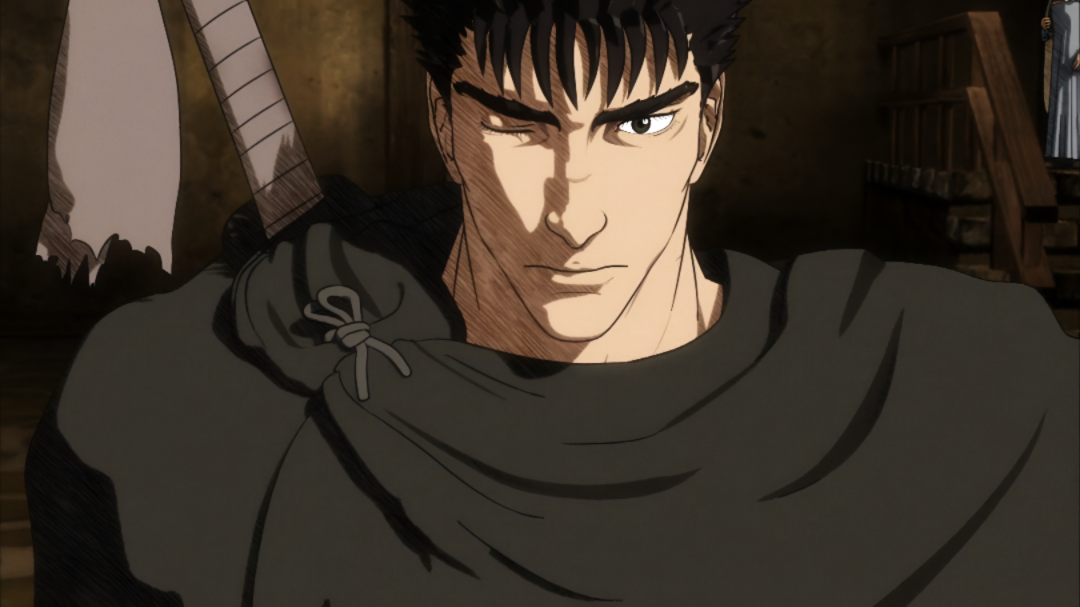
Kentaro Miura’s Berserk is widely considered the greatest manga of all time, yet its history on screen is a tragic comedy of errors.
A History of Disappointment
- 1997 Series: Beloved for its atmosphere and music, yet it skipped vast swaths of the story, most notably the Skull Knight and various critical character beats.
- Golden Age Trilogy: Visually impressive in parts, but limited to a single arc.
- 2016 Series: Infamous for its jarring CGI and poor direction, it effectively alienated the fanbase.
The Moral Imperative
Huge portions of the manga remain untouched by any screen adaptation. The sheer scale of Guts’ journey, the philosophical depth of his rivalry with Griffith, and the sprawling cast of companions require a long-form, high-budget commitment. A studio that respects the intricate, hand-drawn density of Miura’s work could create a defining cultural moment. Given the ongoing nature of the manga, a new, faithful Berserk adaptation could finally provide the world with the dark, epic masterpiece that has been eluding fans for thirty years.
Implications and Industry Outlook
The appetite for remakes is not merely a sign of creative bankruptcy in the industry; it is often a corrective measure. As animation technology advances and the global demand for anime continues to hit record highs, studios are beginning to realize that "legacy properties" are their most valuable assets.
However, the risk remains. A poorly executed remake can tarnish the memory of a classic. For these five titles, the path to success lies in fidelity to the source material and a willingness to embrace the darker, more nuanced themes that earlier adaptations were either too afraid or too underfunded to explore. Whether these projects will ever see the light of day remains a question of budget and studio interest, but for the fans who grew up with these stories, the hope for a proper, definitive adaptation is as potent as ever.