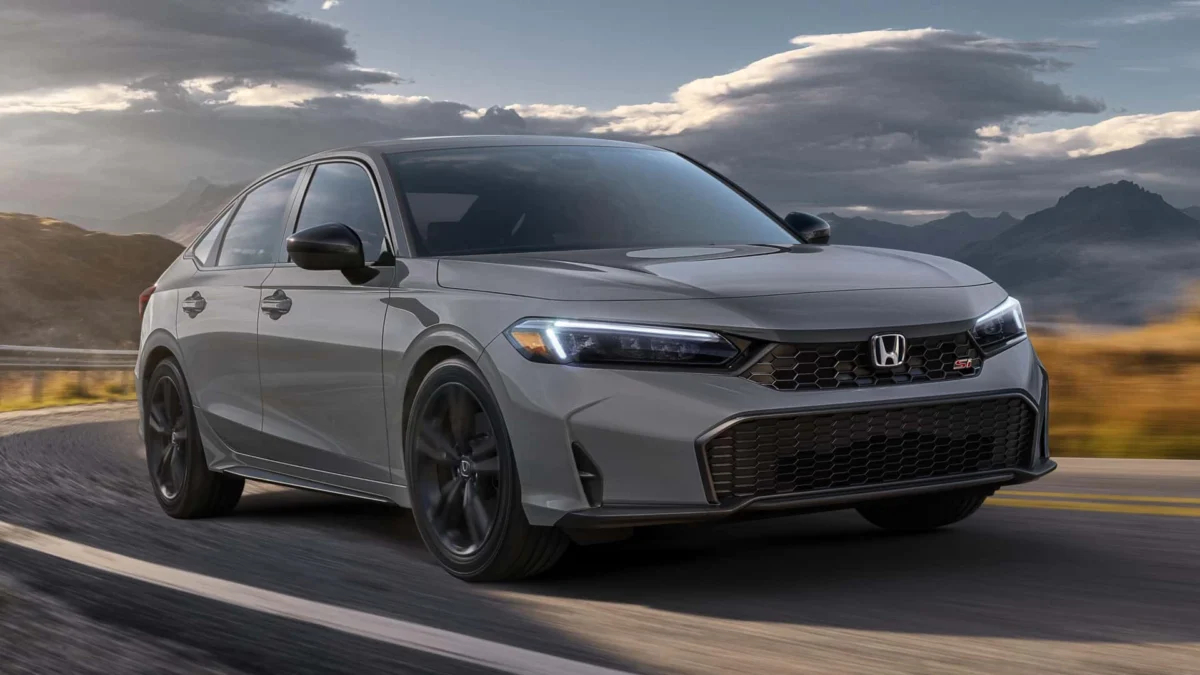
The automotive world is bracing for a significant shift as Honda prepares to put its legendary Civic Si on an indefinite hiatus. The Japanese automaker has confirmed that production of the sporty, enthusiast-focused compact car will cease at the conclusion of the 2026 model year. While Honda officials have been careful to frame the move as a temporary pause rather than a permanent discontinuation, the announcement marks the end of a long-standing chapter for one of the most recognizable nameplates in the affordable performance segment.
For driving enthusiasts, the Civic Si has long represented the "goldilocks" zone of the automotive market: accessible, reliable, and genuinely fun to drive. As the industry rapidly pivots toward electrification and stringent emissions compliance, the departure of this manual-transmission stalwart serves as a poignant reminder of the evolving landscape of modern performance vehicles.
The Official Stance: "Evolving Business Conditions"
Honda’s decision to pull the plug on current production was delivered with a mix of corporate pragmatism and long-term optimism. In an official statement provided to Motor1, the automaker attributed the hiatus to "evolving business conditions." While the phrase is often used as a catch-all in the automotive industry, in this context, it points to the complex logistical and regulatory hurdles facing internal combustion engine (ICE) manufacturing.
Lance Woelfer, vice president of Auto Sales at American Honda, sought to reassure the brand’s loyal fanbase regarding the future of the model. "The Honda Civic Si has set the standard for affordable performance for four decades," Woelfer stated. "The all-new next-generation Civic Si will carry that tradition forward for enthusiast drivers when it returns to the Honda lineup in the coming years."
While the promise of a return is encouraging, the timeline remains nebulous. Honda has not provided a specific "return date," leaving the community to speculate whether the next iteration will be a hybridized version of the current platform or an entirely new architecture designed to meet the tightening emissions mandates of the late 2020s.
A Legacy of Performance: The Chronology of the Si
To understand the weight of this announcement, one must look at the historical footprint of the Civic Si. This is not the first time the model has retreated from the spotlight. In fact, this upcoming pause will be the fourth time in the car’s history that Honda has hit the brakes on Si production.
The Historical Timeline of Pauses:
- 1988: The inaugural pause occurred as the brand transitioned between different generations of the Civic platform.
- 1996–1998: A mid-90s hiatus saw the Si absent from the North American market, creating a void that only served to increase the cult-like following of the later "EM1" generation.
- 2021: A more recent, shorter-term pause occurred during the transition from the tenth to the eleventh generation of the Civic.
- 2026: The upcoming planned hiatus.
Each of these periods, while frustrating for enthusiasts at the time, preceded significant evolutions in the model’s performance, technology, or design. The Civic Si has historically served as a bridge between the standard, commuter-focused Civic and the track-dominating Type R. By constantly refining the formula, Honda has managed to maintain the Si’s relevance for over 40 years.
The Technical Reality: Why Now?
The core of the issue appears to lie beneath the hood. The current Civic Si utilizes a turbocharged 1.5-liter four-cylinder engine, a powerplant that has been lauded for its balance of efficiency and torque. However, the regulatory climate is shifting rapidly.
Recent reports, bolstered by internal memos leaked via platforms such as Reddit and analyzed by industry outlets, suggest that the production pause is directly linked to the Environmental Protection Agency (EPA) regulations slated for 2027 and beyond. Meeting these stringent new emissions targets requires significant investment in powertrain technology.
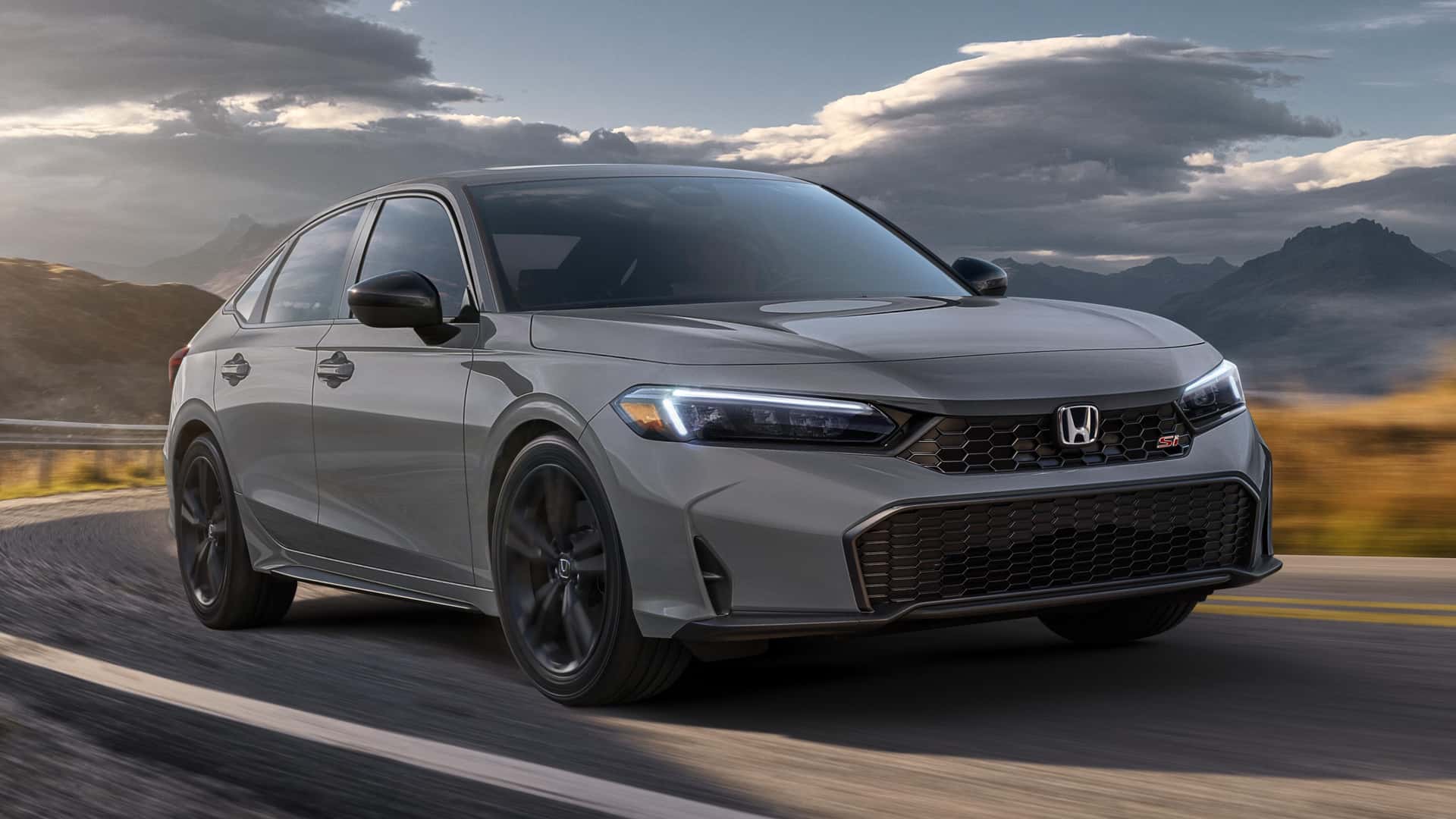
It is not just the Civic Si feeling the heat. The pause extends to any vehicle within the Honda/Acura family that utilizes the specific combination of the 1.5-liter turbocharged engine and a six-speed manual transmission. This has direct implications for the Acura Integra A-Spec, which shares much of its DNA with the Civic Si. Honda has confirmed that the manual-equipped Integra will also see its production halted, signaling a broader strategy to phase out this specific powertrain configuration in favor of more efficient, likely electrified, alternatives.
The Market Impact: A Rare Breed in Decline
The current Honda Civic Si is a relative bargain in the modern market, starting at $32,690 (including the $1,195 destination charge). In an era where the average transaction price for a new vehicle has skyrocketed, the Si has remained one of the few ways to get a high-quality, manual-transmission sports car without crossing the $40,000 threshold.
The "three-pedal" experience is rapidly becoming an endangered species. As major manufacturers push for automation, dual-clutch transmissions, and fully electric drive systems, the tactile engagement of a traditional six-speed manual is increasingly relegated to boutique or high-end sports cars. For the average consumer, the Civic Si was the accessible gateway to that experience. Its absence will leave a gap that few competitors—such as the Volkswagen Jetta GLI or the Mazda MX-5—can perfectly fill, given the Civic’s unique blend of practicality and sportiness.
Implications for Enthusiasts and Dealers
For those currently eyeing a Civic Si, the clock is ticking. Honda has indicated that current inventory is expected to remain available at dealerships until early 2025. Following that, buyers will be forced to look toward the secondary market or wait for whatever "next-generation" solution Honda develops.
Historically, when a popular, manual-transmission performance car is discontinued or put on hiatus, its resale value often spikes. Enthusiasts who view the current generation as the "last of the pure ICE" Civics may find themselves in a bidding war for the remaining stock.
Furthermore, the pause highlights the shifting priorities of Honda’s manufacturing facilities. By idling production lines in Alliston, Ontario, for these specific trims, Honda is signaling a broader reallocation of resources toward the production of hybrid and electric vehicles that better align with the 2027 EPA targets. This is a cold, calculated move by a company that has spent decades perfecting the internal combustion engine, acknowledging that the future—for better or worse—is not one defined by traditional gasoline-powered manuals.
Conclusion: The Road Ahead
The news of the Civic Si’s hiatus is a bittersweet moment for the automotive community. While it is difficult to see a beloved performance staple disappear, it is a necessary evolution in a world demanding cleaner transportation.
Honda’s track record suggests that when the Si returns, it will be a more refined, perhaps more technologically advanced, iteration. Whether that future involves a hybrid-assisted engine, an electric-motor-boosted manual, or some other innovation remains to be seen. What is certain is that the automotive landscape is changing, and the Civic Si is just one of many storied nameplates that must adapt to survive the transition.
As we look toward 2026, the industry and its enthusiasts will be watching closely. For now, the Civic Si remains a testament to the idea that affordable performance is a goal worth chasing. Whether this is a long goodbye or a temporary pit stop, the legacy of the Si is secure—even if its immediate future is currently parked in the garage.