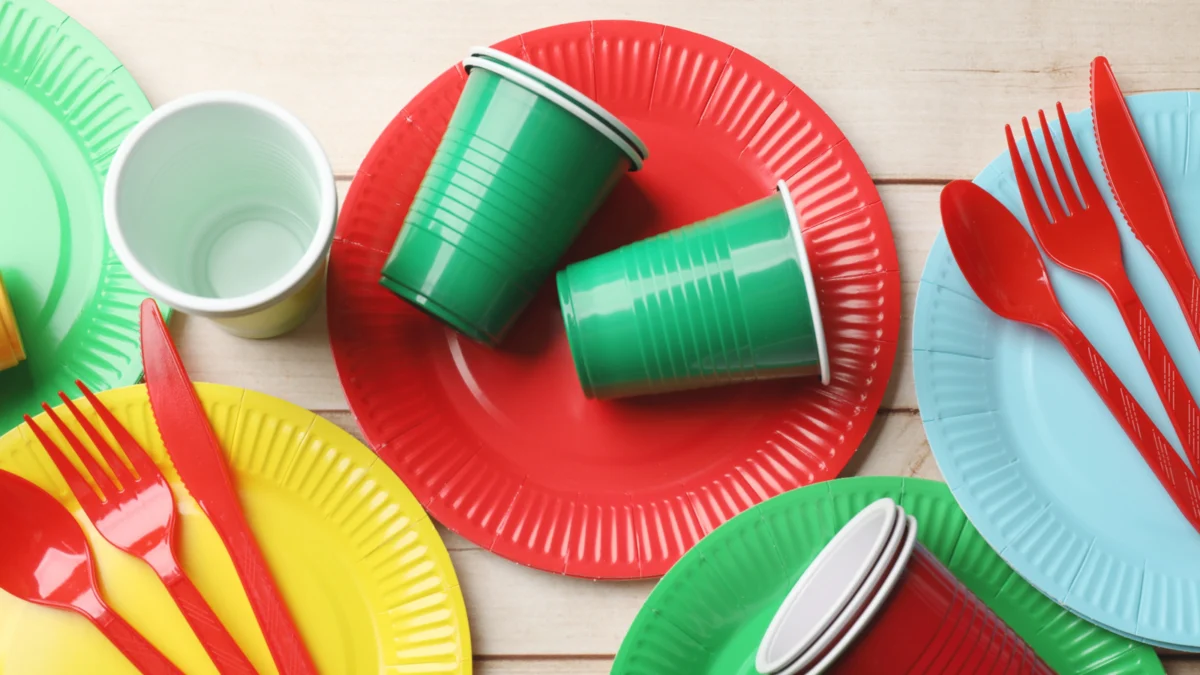
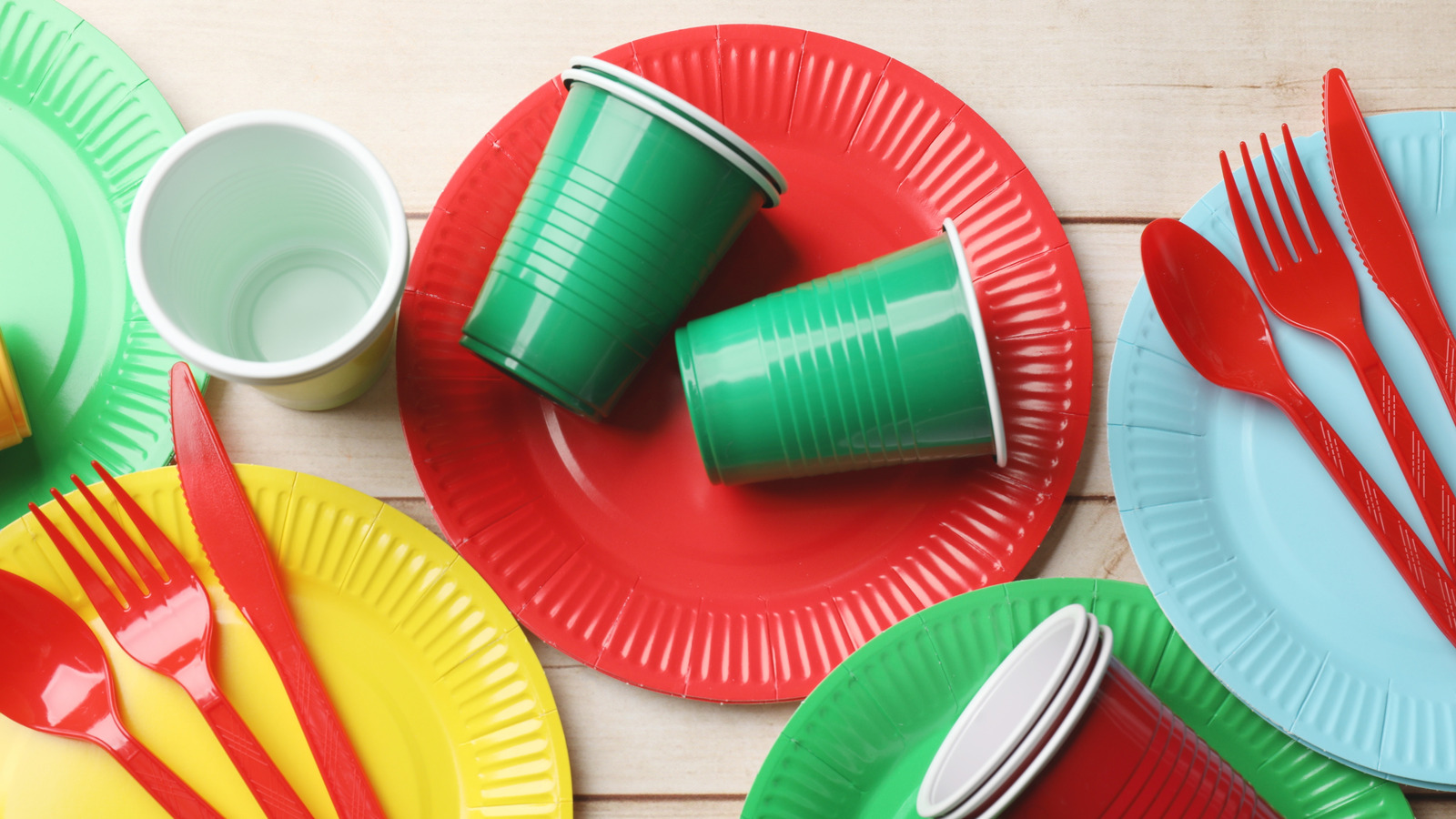
From the sterile trays of airline meals to the frantic pace of a university cafeteria, disposable plastic utensils have long been the hallmark of modern convenience. They are ubiquitous, inexpensive, and designed for a fleeting purpose—to facilitate a single meal before being discarded into a landfill where they will persist for centuries. However, as global awareness regarding the pervasive nature of microplastics grows, the culinary world is beginning to confront a sobering reality: our reliance on plastic cutlery is coming at a hidden, and potentially dangerous, cost.
As researchers uncover the extent to which synthetic materials leach into our food, a growing movement of chefs, environmentalists, and health-conscious consumers is turning to a time-honored, plant-based solution: bamboo.
The Core Problem: The Microplastic Menace
The primary driver behind the shift away from traditional plastic utensils is the increasing evidence of microplastic contamination in the human food chain. Plastic utensils—typically manufactured from polypropylene or nylon—are not chemically inert. When subjected to the heat of a hot soup, the mechanical stress of cutting through a steak, or even the friction of constant scraping against a plate, these tools shed microscopic particles.
The Leaching Effect
Research into kitchen polymers suggests that synthetic utensils can release microplastics directly into our food and beverages. The problem is exacerbated by heat; high temperatures can compromise the structural integrity of these polymers, causing them to degrade at a molecular level. Furthermore, specialized studies have raised alarm bells regarding black plastic utensils, which are frequently produced using recycled e-waste plastics. These items may harbor flame retardants and other hazardous chemicals, which, when in contact with food, pose potential long-term health risks.
The Longevity Paradox
The fundamental irony of disposable plastic is its permanence. While a fork might serve its purpose for fifteen minutes, it remains in the environment for hundreds of years. As these items break down in landfills, they do not "disappear"; they fracture into smaller and smaller pieces, eventually entering the groundwater and soil. By replacing these synthetic tools with biodegradable alternatives, consumers can significantly reduce their personal contribution to this global waste cycle.
A Chronology of the Shift: From Plastic to Plant-Based
The evolution of our kitchen tools has been marked by several distinct phases. Understanding this timeline helps clarify why the current pivot to bamboo is so significant.
- The Early 20th Century (The Plastic Revolution): Following the widespread commercialization of bakelite and later, cheap thermoplastics, the "disposable" culture was born. Plastic cutlery became a symbol of post-war efficiency.
- The 1990s and 2000s (Environmental Awakening): As the Great Pacific Garbage Patch and other environmental crises entered the public consciousness, the conversation shifted toward the ecological footprint of single-use plastics.
- 2015–2020 (The Microplastic Discovery): Scientific studies began identifying microplastics in human blood, lungs, and placentas. This marked a shift in the narrative from "environmental litter" to "direct human health concern."
- 2021–Present (The Bamboo Adoption): With the refinement of manufacturing processes, bamboo has moved from a novelty item to a mainstream competitor. Companies are now producing everything from heat-treated bamboo spatulas to mass-market, compostable cutlery sets, signaling a permanent change in consumer preference.
Why Bamboo? Supporting Data and Environmental Impact
Bamboo is frequently cited as the gold standard for sustainable kitchenware, and for good reason. Its properties go far beyond its aesthetic appeal; it is a botanical powerhouse.
Unmatched Regenerative Capacity
Unlike hardwoods, which can take decades to mature, bamboo is a grass—the fastest-growing plant on the planet. Some species can grow up to three feet in a single day. Harvesting bamboo does not require replanting; the root system remains intact, and the plant regenerates with minimal intervention. This makes it an incredibly efficient, carbon-sequestering resource.
Composting and Degradation
When a bamboo utensil reaches the end of its life cycle, it does not become a pollutant. In a standard composting environment, bamboo fibers naturally break down within two to six months. Even in less ideal conditions, such as standard landfill burial, these items typically decompose in under two years. Because they are organic, they return to the earth as nutrients rather than synthetic debris.
Antimicrobial Properties
Bamboo possesses natural, inherent resistance to microbes. Its density and low porosity mean that it does not provide the same breeding ground for bacteria that some soft woods or low-grade plastics do. This makes it a hygienic choice for food preparation, provided it is cared for correctly.
Official Perspectives and Industry Standards
While there is no single global mandate banning plastic cutlery, international regulatory bodies are moving in that direction. The European Union’s Single-Use Plastics Directive has already restricted the sale of many plastic items, prompting a surge in demand for bamboo alternatives.
Health agencies, while not explicitly labeling plastic utensils as "toxic" in every instance, have issued increasing warnings about the migration of chemicals from food contact materials (FCMs). Consumer advocacy groups have joined the fray, pushing for transparency in the sourcing of plastics, which has indirectly bolstered the market for bamboo, as it is viewed as a "cleaner" and more transparent supply chain.
The Trade-offs: Navigating the Challenges of Bamboo
Transitioning to bamboo is not without its operational challenges. For those accustomed to the "toss-and-forget" nature of plastic, bamboo requires a change in habits.
The Maintenance Reality
Bamboo is not dishwasher-safe in the same way that hard plastics are. Prolonged exposure to high heat and water immersion causes the natural fibers to expand and contract, eventually leading to warping, splintering, or cracking.
- Hand-washing is mandatory: To preserve the integrity of bamboo tools, they should be washed by hand in lukewarm water with mild soap.
- The Moisture Factor: Because it is an organic material, bamboo is susceptible to mold if stored while damp. Proper drying and ventilated storage are essential.
- The "Matcha" Lesson: As any experienced tea enthusiast knows, bamboo requires consistent care. Similar to a bamboo matcha whisk, cooking utensils benefit from occasional oiling (with food-grade mineral oil) to maintain their moisture barrier and prevent splintering.
Implications for the Future of Dining
The movement toward bamboo is part of a larger, systemic shift in how we perceive the "convenience" of dining. The implications of this change are far-reaching:
Economic Accessibility
One of the most compelling arguments for bamboo is its affordability. As production scales, the cost gap between plastic and bamboo has shrunk significantly. A high-quality set of heat-treated bamboo cooking utensils can now be acquired for under $20, and disposable bamboo cutlery is becoming a standard offering in eco-conscious takeout establishments.
The Cultural Shift
Perhaps the most profound implication is the shift in consumer mindset. By choosing bamboo, the individual makes a daily, tangible decision to reject the "disposable" philosophy. It is a commitment to a circular economy—one where our tools are derived from the earth and, eventually, returned to it.
A Healthier Culinary Landscape
By eliminating plastic contact points in our kitchens, we are proactively reducing our exposure to endocrine-disrupting chemicals and microplastics. As the data regarding the health impacts of synthetic materials continues to mount, the decision to switch to bamboo will likely be viewed as a foundational step toward a healthier lifestyle.
Conclusion: A Small Change with Global Impact
The transition from plastic to bamboo is more than a simple swap of kitchen tools; it is a rejection of the convenience-at-all-costs culture that has defined the last half-century. While bamboo requires more mindful care and maintenance than its synthetic counterparts, the benefits—a reduced carbon footprint, an elimination of microplastic leaching, and a cleaner, more sustainable future—far outweigh the inconvenience.
As we look toward the future, the integration of bamboo into our daily rituals serves as a reminder that our choices have weight. By opting for materials that work in harmony with the environment rather than against it, we ensure that our quest for convenience no longer comes at the expense of our health or the health of our planet. The age of plastic is fading; the era of sustainable, plant-based utility is here to stay.