People arrive in Boston for a multitude of reasons: the prestige of its Ivy League institutions, the promise of a burgeoning career in biotech, or the simple allure of a historic city that feels manageable yet profoundly significant. However, the reasons people stay often diverge from the initial motivations that brought them to the Charles River. Ask a local what keeps them anchored in the city, and they won’t point to the Freedom Trail or Fenway Park; they will talk about the rhythm of their daily life—the morning walk to a neighborhood bakery, the ease of public transit, and the unique synthesis of intellect, history, and innovation that defines the Massachusetts capital.
For those currently navigating the real estate market or considering a relocation, understanding the "why" behind the Boston lifestyle is essential. It is a city of layers, where the past and future are in constant, productive dialogue.
The Academic Undercurrent: Intellectual Life as a Lifestyle
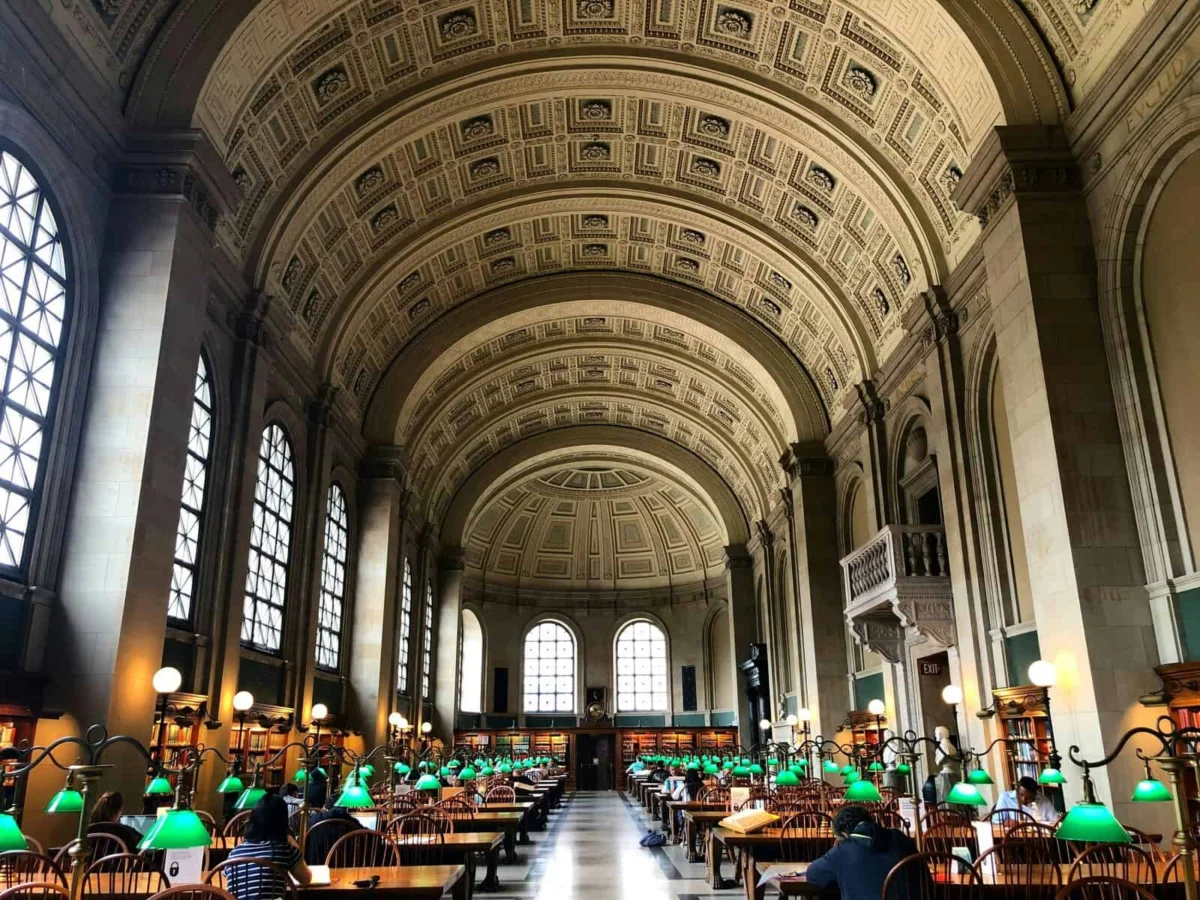
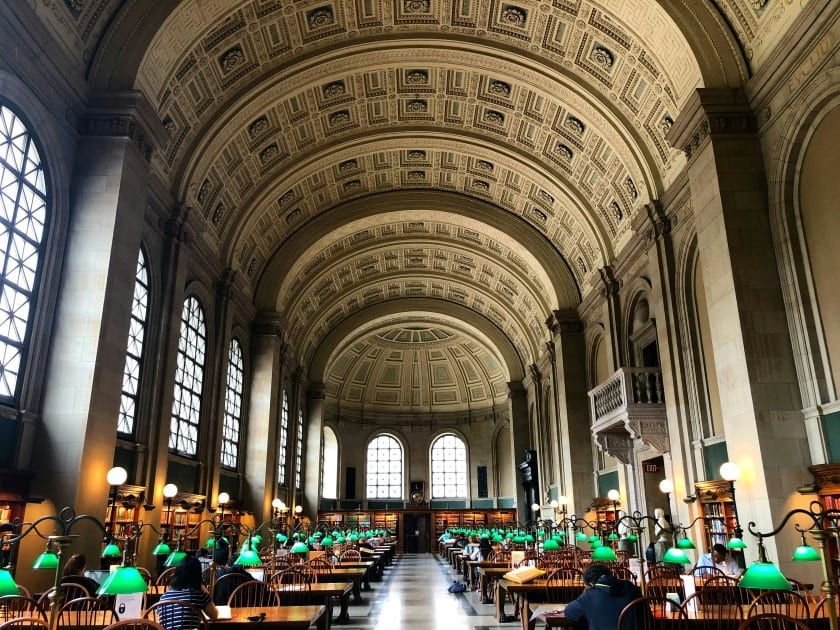
Even for those who have long since traded their textbooks for a briefcase, Boston’s academic roots are inescapable. The city’s identity is inextricably linked to the concentration of higher education institutions that permeate the urban fabric.
“To me, Boston is known for its academic culture,” notes portrait photographer Adrianne Mathiowetz. “This is most apparent in the sheer number of colleges and universities in the area, but is also manifested in tangential ways: the thriving public radio community, top-tier medical research centers like Dana-Farber, and an incredible ecosystem of art museums. Everything invites critical thinking and further study.”
This academic saturation creates an "innovation-first" atmosphere. The culture of questioning and discovery spills over into the arts, theater, and even comedy scenes, ensuring that the city’s social life is as intellectually stimulating as it is recreational.
A Mosaic of Neighborhoods
Boston is not a monolith; it is a collection of distinct, proud villages. The transition from the gas-lit, brick-lined streets of Beacon Hill to the bohemian, student-centric corridors of Allston or the leafy, quiet residential charm of Jamaica Plain is stark and deliberate.
“Boston is one of the best places to live in the world,” says Saysha Thind of Boston Interior Design. “There is a healthy balance between the arts and cultural events while being a center for education and the ever-growing biotech industry. The Charles River offers residents the ability to enjoy the outdoors and frequent beautiful neighborhoods.”
This neighborhood-centricity is the secret to Boston’s high retention rate. Residents often develop a profound loyalty to their specific patch of the city, defined by the local coffee shop, the park where they walk their dogs, and the familiarity of seeing the same neighbors on the commute.
The Mobility Paradigm: Moving Beyond the Car
While Boston traffic has a reputation that precedes it, the reality for many residents is surprisingly car-free. The city’s compact geographic footprint makes it an anomaly in the United States: a metropolis where walking, biking, and public transit are often the most efficient modes of travel.
For many, the commute is not a source of stress but a time to transition. Whether it is a ride on the "T" (the MBTA subway system) or a bike ride along the Esplanade, the city encourages a lifestyle that minimizes dependency on personal vehicles. This mobility, in turn, fosters a more vibrant street life, as residents interact with their city on foot rather than through a windshield.
A Sanctuary for Outdoor Living
One of the most frequent surprises for newcomers is the intensity of the city’s outdoor culture. Bostonians are not seasonal fair-weather enthusiasts; they are year-round participants in the urban landscape.
The Esplanade, the Public Garden, and the Harborwalk serve as the city’s communal living rooms. Even in the dense heart of downtown, the city prioritizes green space. “Boston offers a lifestyle that’s difficult to match,” says the design team at Joshua Alan Interiors. “It’s a hub for exceptional architecture and culture, where America’s historical landmarks exist alongside contemporary spaces. With easy access to the ocean, mountains, and lakes of New England, the city offers an effortless balance of urban sophistication and outdoor living.”
The Convergence of Industries: Where Tech Meets Tradition
Boston’s economic vitality is not driven by a single sector, but by a rare convergence of research, entrepreneurship, and hands-on industry.
George Zheng, CEO of Edensign and a Harvard-trained architect, observes that the proximity of world-class universities like Harvard and MIT to commercial hubs like Kendall Square creates a unique feedback loop. “Boston is one of the few cities where world-class research, entrepreneurship, technology, and design are deeply interconnected,” Zheng explains. This collaborative environment allows founders, investors, and creatives to turn theoretical concepts into scalable, real-world solutions.
However, the "tech hub" label often ignores the city’s industrial depth. Commercial photographer David Degner emphasizes that the region’s innovation is firmly rooted in the physical. From climate-tech startups at Greentown Labs to advancements in medical implants and renewable energy, Boston’s economy is a testament to the power of combining academic rigor with the grit of skilled trades.
Historical Resonance and Modern Evolution
The defining aesthetic of Boston is the tension between its colonial history and its modern ambitions. It is a city that respects its architectural lineage while refusing to be a museum piece.
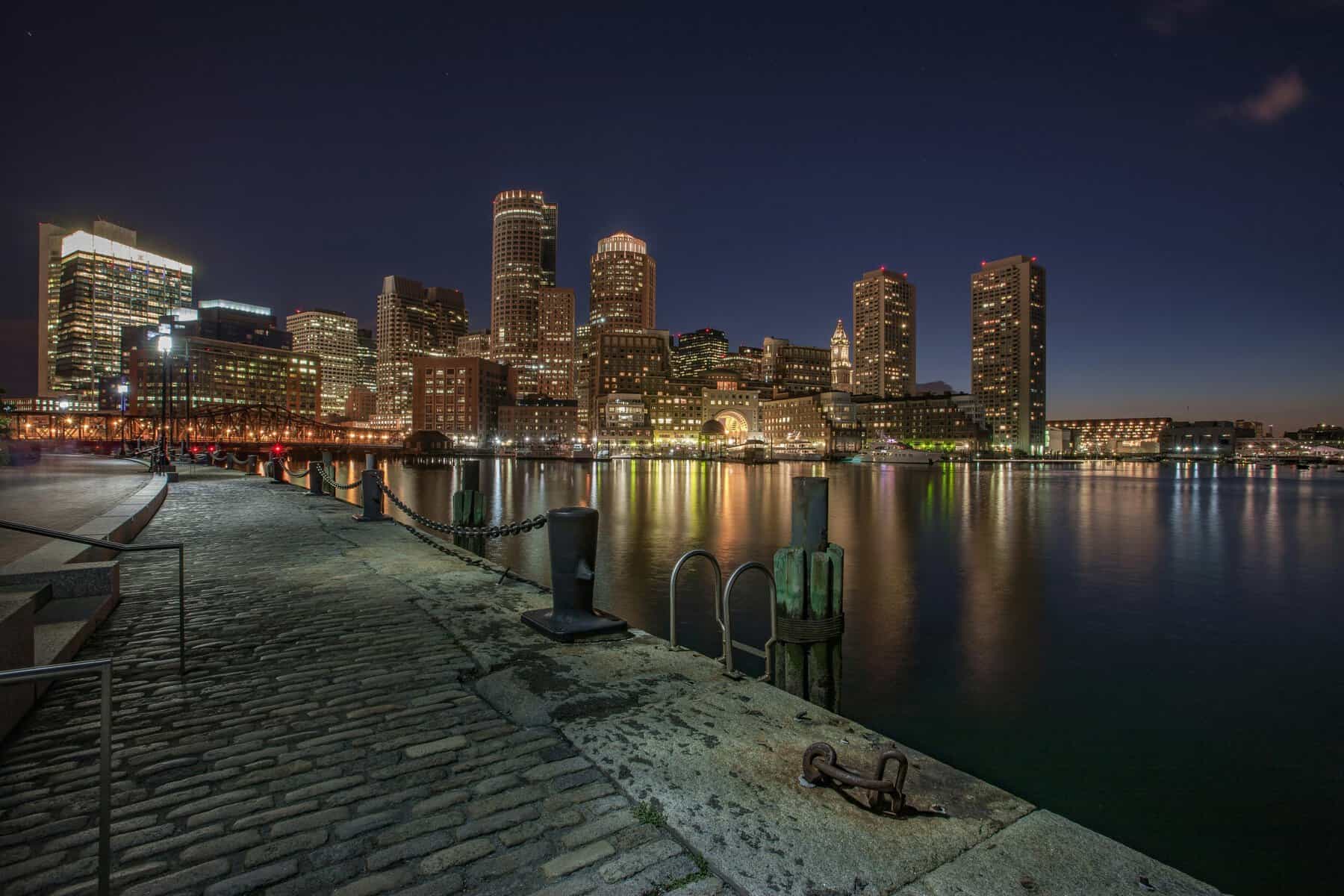
“Boston is known for the way it blends historic character with the energy of a modern, constantly evolving city,” says photographer Heidi Kirn. This is evident in the skyline, where glass-and-steel skyscrapers reflect the brownstones of a bygone era. For residents, this juxtaposition provides a sense of continuity and grounding that is rare in faster-growing, more ephemeral urban centers.
Chronology of Development: A City in Flux
To understand the current state of Boston, one must look at its trajectory over the last two decades:
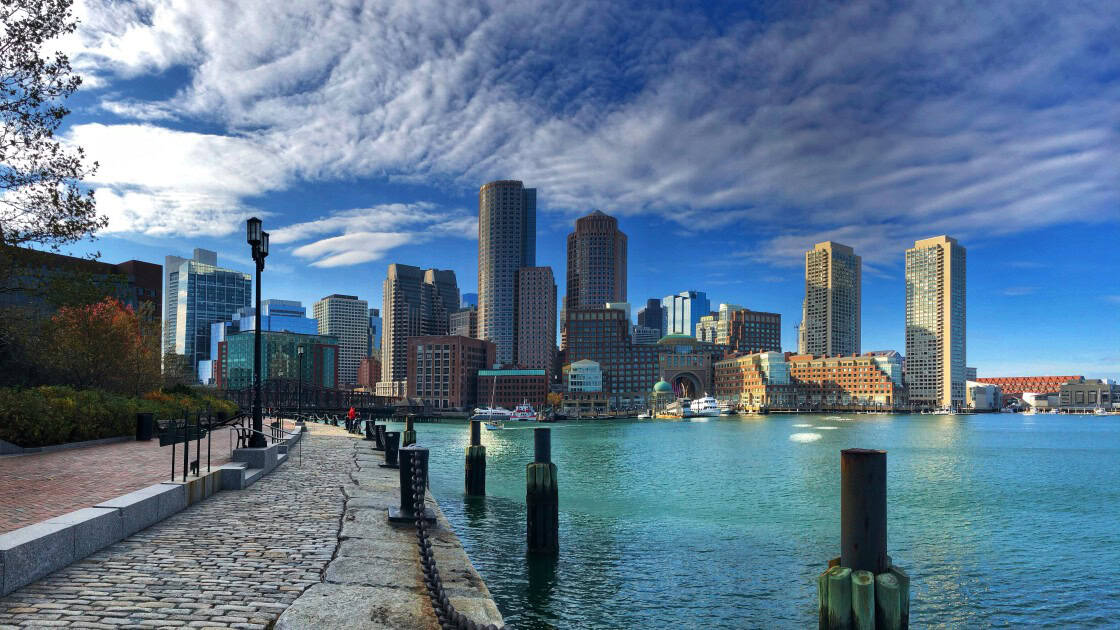
- The Early 2000s: The completion of the "Big Dig" project transformed the city’s physical layout, burying the elevated highway and opening up the waterfront to parks and pedestrian zones.
- 2010–2020: The rapid expansion of the Seaport District turned an industrial wasteland into a glass-fronted center for tech and finance, acting as a catalyst for the city’s modern identity.
- 2020–Present: The post-pandemic era has seen a resurgence in neighborhood-level commerce and a continued pivot toward life sciences and biotech as the primary economic drivers, solidifying Boston’s role as a global leader in health innovation.
Supporting Data and Economic Implications
The economic implications of this growth are significant. According to local economic indicators, the Boston metro area maintains one of the highest concentrations of venture capital investment per capita in the country. This funding is primarily funneled into the "Longwood Medical Area" and the Kendall Square "Innovation District."
For the average resident, this implies:
- Job Stability: The diversification of the economy (healthcare, education, tech, and finance) provides a hedge against sector-specific recessions.
- Cultural Enrichment: High concentrations of wealth and intellect have translated into world-class cultural institutions, ensuring that the arts thrive alongside the commercial sector.
- Real Estate Demand: The intersection of these industries with limited geographic space has created a highly competitive housing market, necessitating a focus on transit-oriented development and adaptive reuse of historic buildings.
Official and Industry Perspectives
Industry leaders across the city agree that Boston’s strength lies in its "compact density." By keeping its various centers of power (universities, hospitals, and tech hubs) in close proximity, the city forces interaction.
"The architecture of the city—its streets, its transit, and its parks—is designed for collision," notes Zheng. "When you place a researcher next to a venture capitalist next to a poet, you create a social and economic environment that is inherently more innovative than a sprawling, car-dependent city."
Conclusion: The Path Forward
Boston is more than its reputation for cold winters or academic elitism. It is a functional, beautiful, and deeply connected urban environment. For those considering a move, the appeal lies in the ability to participate in a city that is simultaneously obsessed with its history and hungry for its future.
Whether it is the quiet walk along the Charles River at sunrise or the high-stakes collaboration happening in a lab in Cambridge, Boston offers a quality of life that is defined by its richness—a rare intersection of nature, design, and intellectual ambition that remains one of the most compelling narratives in American urban life.