At 53 years old, I have spent a lifetime adhering to the pragmatic school of automotive ownership. For decades, my vehicle choices were dictated by a cycle of necessity, budget constraints, and the dreaded "sensible" compromise. I bought cars that were functional, affordable, and reliable—but rarely did I buy a car that I actually loved.
That changed in the summer of 2022. In a move that defied my own long-standing financial philosophy, I allowed myself to make a significant, purely emotional purchase. This is the story of how a serendipitous visit to a dealership and a volatile used-car market converged to help me break my cycle of compromise and reclaim the simple joy of driving.
The "Maxi Cooper" Regret
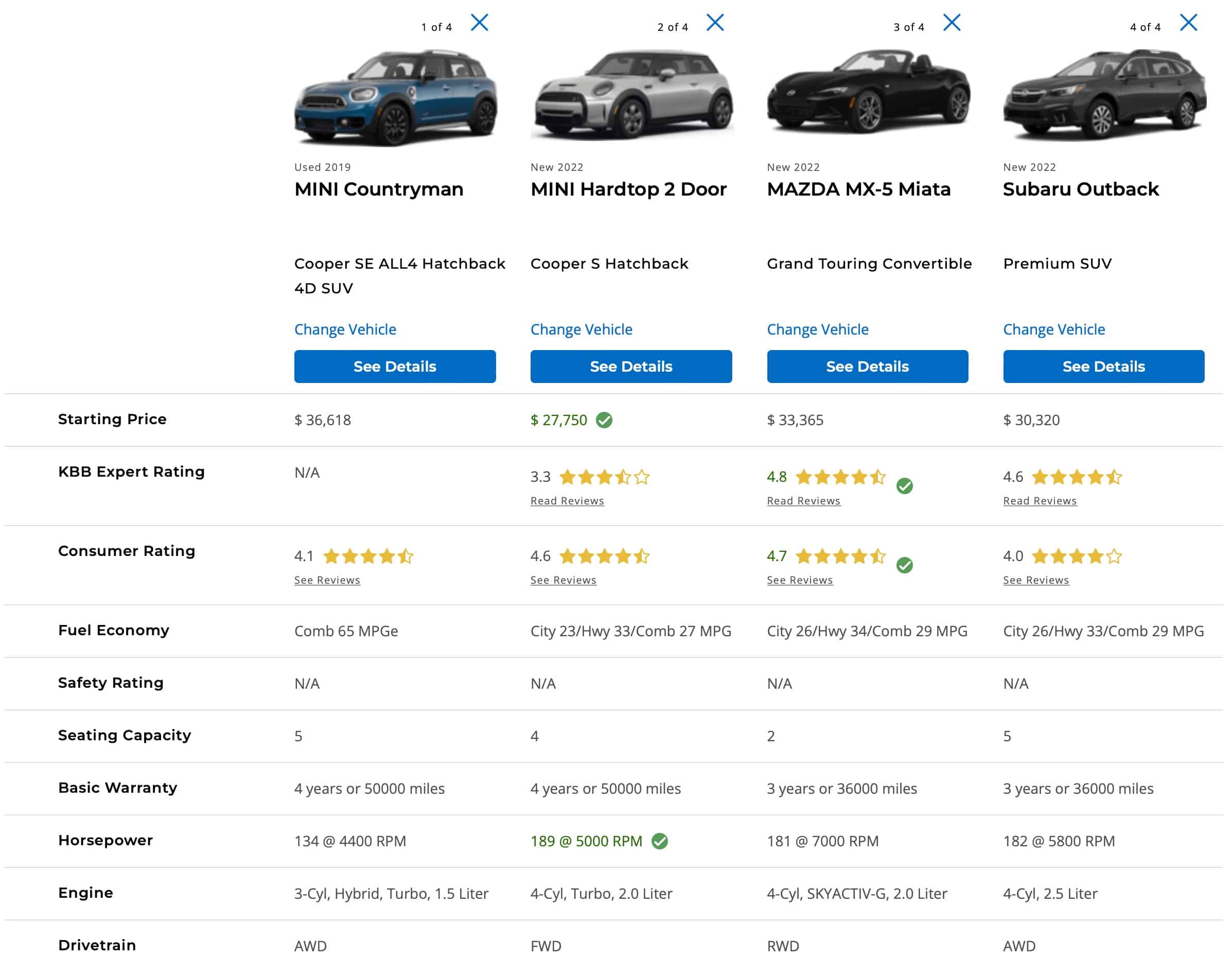
The genesis of this story lies in the height of the COVID-19 pandemic. In July 2020, seeking a replacement for my aging 2004 Mini Cooper, I found myself at a crossroads. I intended to purchase a newer iteration of the classic Mini, but I allowed myself to be steered toward a 2019 Mini Countryman SE All4. I paid $35,990 for the vehicle.
I immediately dubbed it the "Maxi Cooper," a tongue-in-cheek reference to its bloated dimensions. While the vehicle was objectively a capable compact SUV, it was fundamentally the wrong car for me. I am, at my core, a small-car enthusiast. For two years, I drove the Countryman, tolerating its presence in my garage while mourning the nimble, engaging driving experience I had sacrificed in the name of practicality. It was a classic case of buying for the life I thought I should have, rather than the one I actually lead.
A Market-Driven Miracle
The turning point arrived unexpectedly last month during a routine oil change. While waiting for my vehicle, the dealership made an unsolicited offer to buy back my Countryman.
I am well-versed in the mechanics of personal finance, and I was acutely aware that the U.S. used-car market had been experiencing unprecedented volatility. According to data from the U.S. Federal Reserve, used vehicle prices have surged approximately 55% since July 2020. Conversely, new vehicle prices—while also elevated—have seen a more modest increase of about 18%.
When the dealer offered me $33,000 for a car I had purchased 26 months prior, the math was startling. I reached out to a contact of mine, a seasoned veteran of the automotive sales industry, for a sanity check. His assessment was blunt: "It’s not just a good deal; it’s a miracle. It’s as if you leased that car for $115 per month. Take the offer now, before they realize their mistake."
The Philosophy of Self-Centered Shopping
The offer forced me to confront a question I hadn’t prepared for: If I sold the Countryman, what would replace it? For the first time in my life, I decided to apply my "self-centered shopping" strategy to the automotive world. I vowed to buy exactly what I wanted, without the usual baggage of sacrifice.
My history with cars has always been defined by compromise. In my youth, it was a compromise of cost. Later, it was a compromise of vehicle type—choosing the "sensible" SUV over the driver-focused car. This time, I refused to play the game of "utility first."
I considered going car-free, as I live in a walkable city and own a functional (if unsightly) 1993 Toyota pickup. I considered tracking down another 2004 Mini Cooper. Ultimately, however, I decided that if I were to own a vehicle, it should be one that provided genuine happiness. I set out to find a machine that could replicate the spirit of my old 2004 Mini but with the reliability and technology of a modern vehicle.
The Search for the Perfect Machine
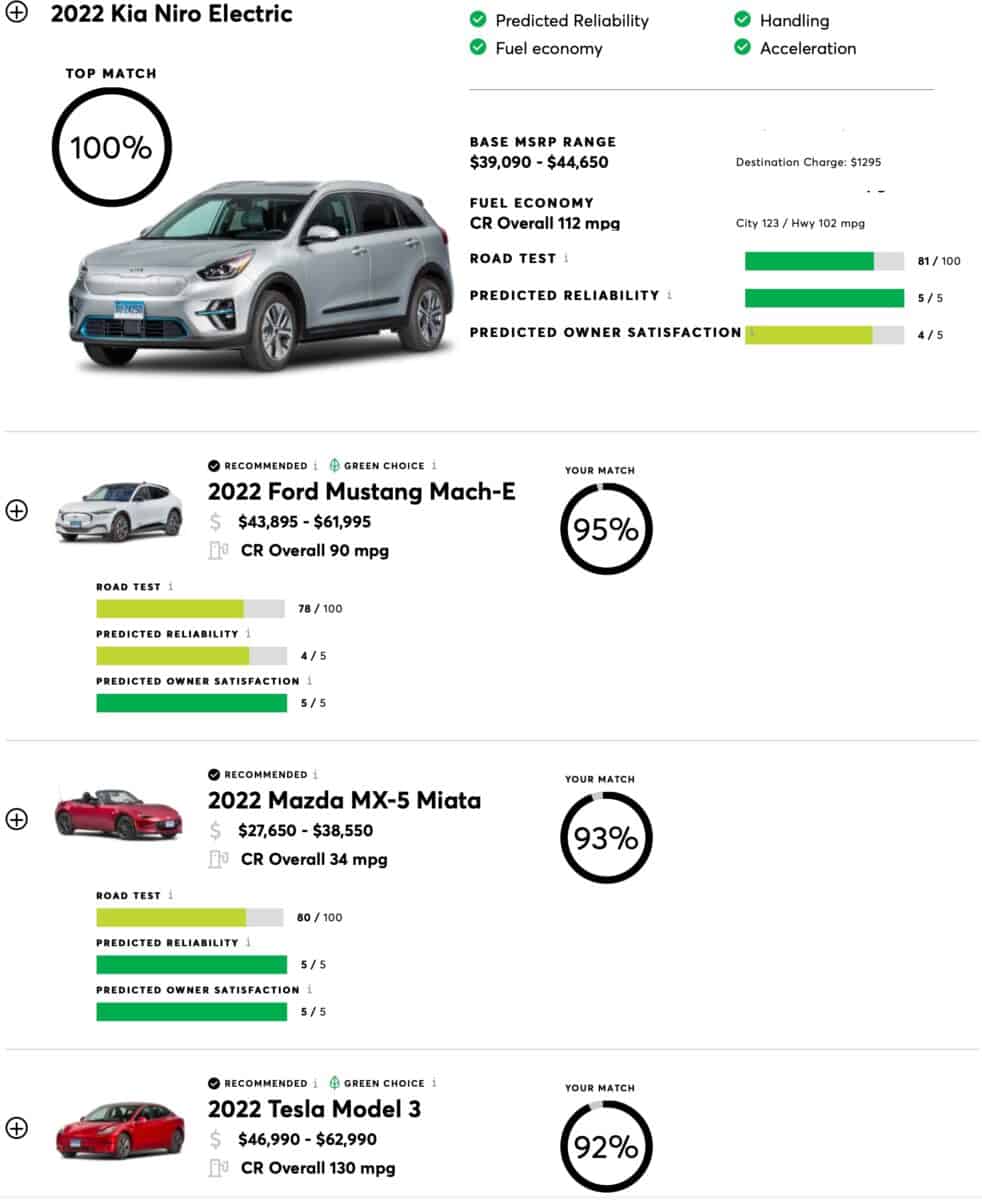
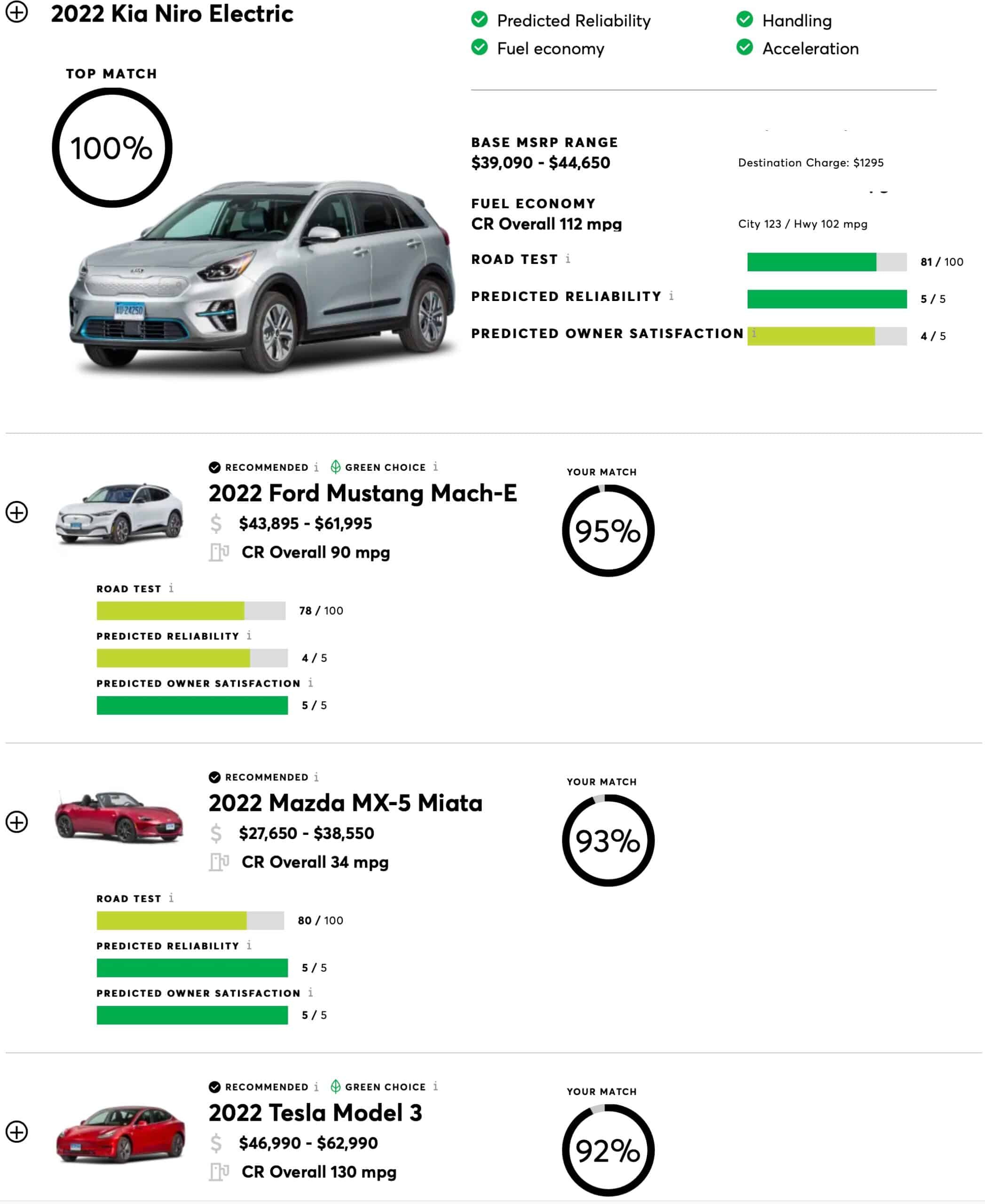
My research period was intense and focused. I utilized the Consumer Reports car finder tool to narrow down my options. The initial list included the Kia Niro Electric, the Ford Mustang Mach-E, the Mazda Miata, the Tesla Model 3, and the Hyundai Ioniq 5.
I quickly eliminated the Tesla due to concerns over long-term reliability and price. The Kia and Hyundai were discarded for failing to meet my personal satisfaction benchmarks, and the Mustang Mach-E was, like my Countryman, an SUV—a category I was eager to exit.
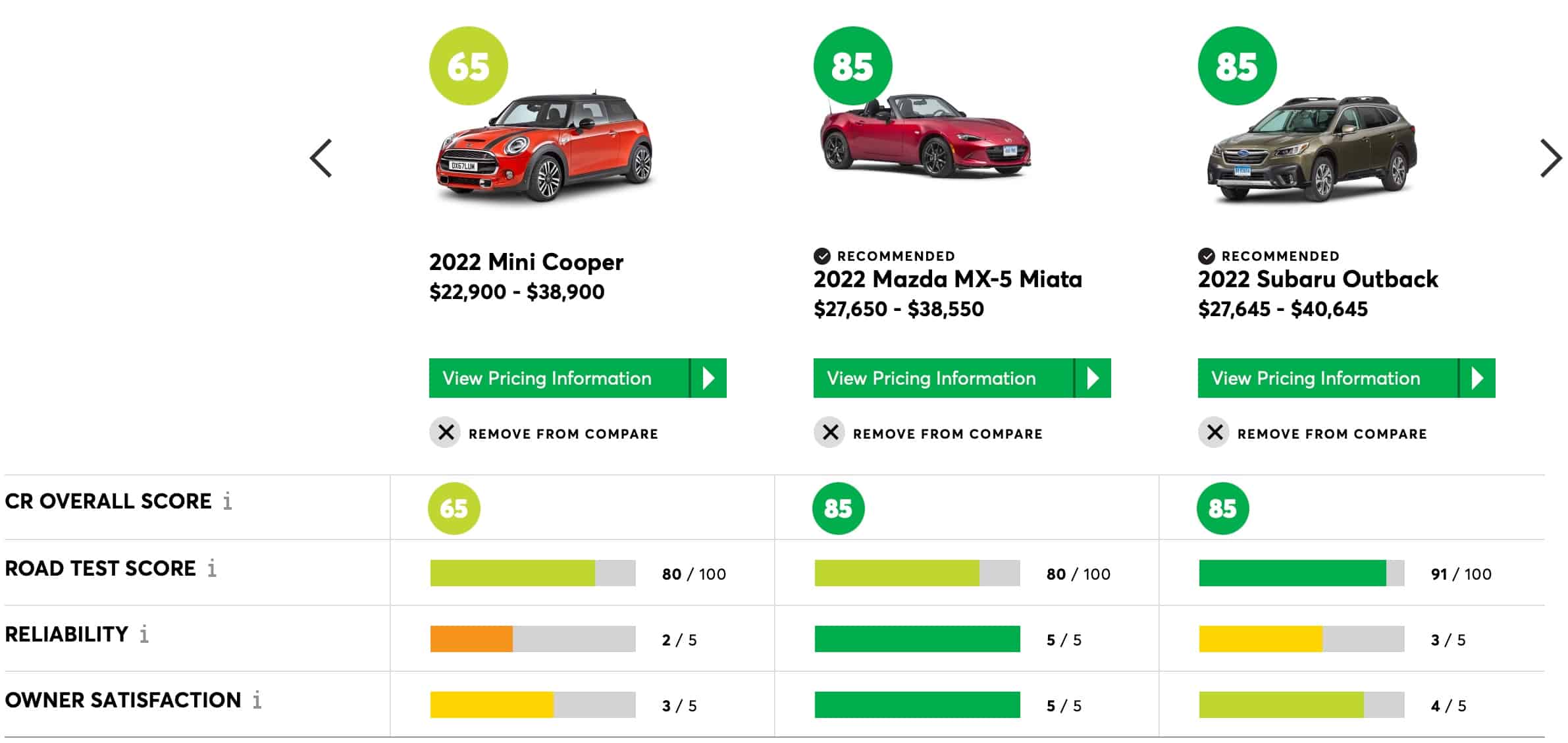
That left the Mazda MX-5 Miata. It checked every box: it was small, rear-wheel-drive, highly rated for reliability, and possessed a legendary reputation for "fun-per-dollar." The only criticisms levied against the Miata—road noise and limited cargo space—were features I welcomed. I wasn’t looking for a grocery hauler; I was looking for an intimate driving experience.
The Acquisition: A Lesson in Negotiation
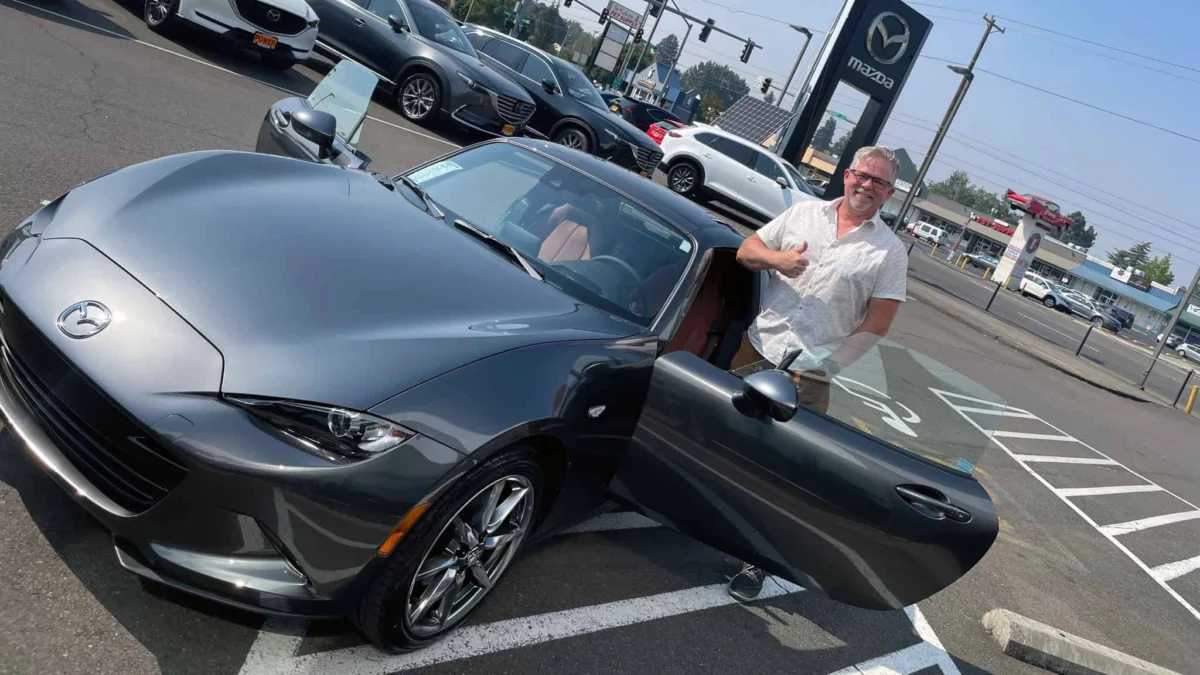
On the last Thursday of August, I traveled to a Mazda dealership in Salem, Oregon. I had pre-arranged to test drive a Miata. Within 50 feet of leaving the parking lot, I was sold. The car felt like an extension of the driver—nimble, responsive, and exhilarating.
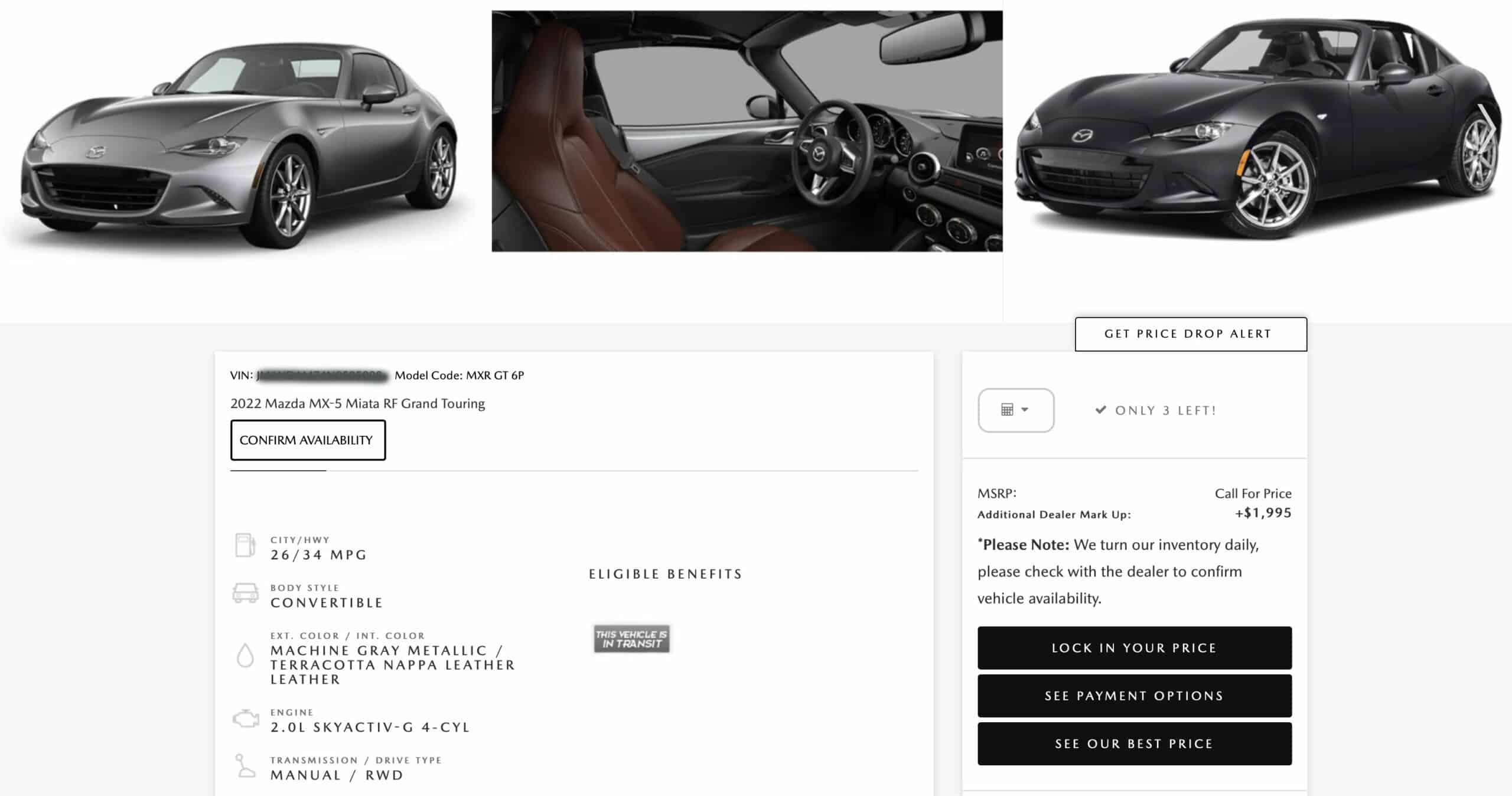
When it came time to negotiate, I brought my leverage: the $33,000 offer for my Countryman. The dealer agreed to match the price. However, when I produced a printout of the specific gray hardtop model I wanted, the salesman attempted to pivot me toward the inventory already on the lot—red models or automatics. I held my ground. I told him, "I’m not going home with a car today. I am going home with that car."
We reached a deal on the price, including a $1,995 market adjustment which, while frustrating, I accepted as the reality of the current economic climate. I left with no paperwork signed, just a handshake and the promise that the car was in transit.
Financial Implications and Emotional Growth
As I drove home, I wrestled with the optics of the purchase. Paying $40,000 for a car is a significant financial commitment. Was I being irrational? I compared the options:
- Option A: Retain the 2019 Countryman and keep $7,000.
- Option B: Purchase the brand-new 2022 Mazda Miata.
Viewed through the lens of life satisfaction, the choice was clear. The Miata represented a deliberate investment in my own happiness. I consulted with trusted friends and my partner, all of whom validated my decision to prioritize joy over perceived "prudence."
When the call came that the Miata had arrived, I went immediately to the dealership. The odometer read five miles—the lowest I have ever seen on a new vehicle. As I drove back to Corvallis on winding riverside roads with the top down, the sun on my skin, and the music playing, the lingering guilt I often feel regarding "nice things" finally evaporated.
Conclusion: Building a Rich Life
Growing up with limited means has a way of warping one’s relationship with money. It creates a reflex of guilt whenever one deviates from the cheapest, most utilitarian path. However, I have come to embrace the philosophy championed by financial experts like Ramit Sethi: money is a tool to be used to build a "rich life."
The Miata is not merely a mode of transportation; it is an indulgence, a reward for decades of responsible financial behavior, and a testament to the idea that we are allowed to derive pleasure from the things we own. I didn’t just buy a car; I bought back a piece of my own spirit. For the first time in 53 years, I am not driving a car I "tolerated"—I am driving a car I love.