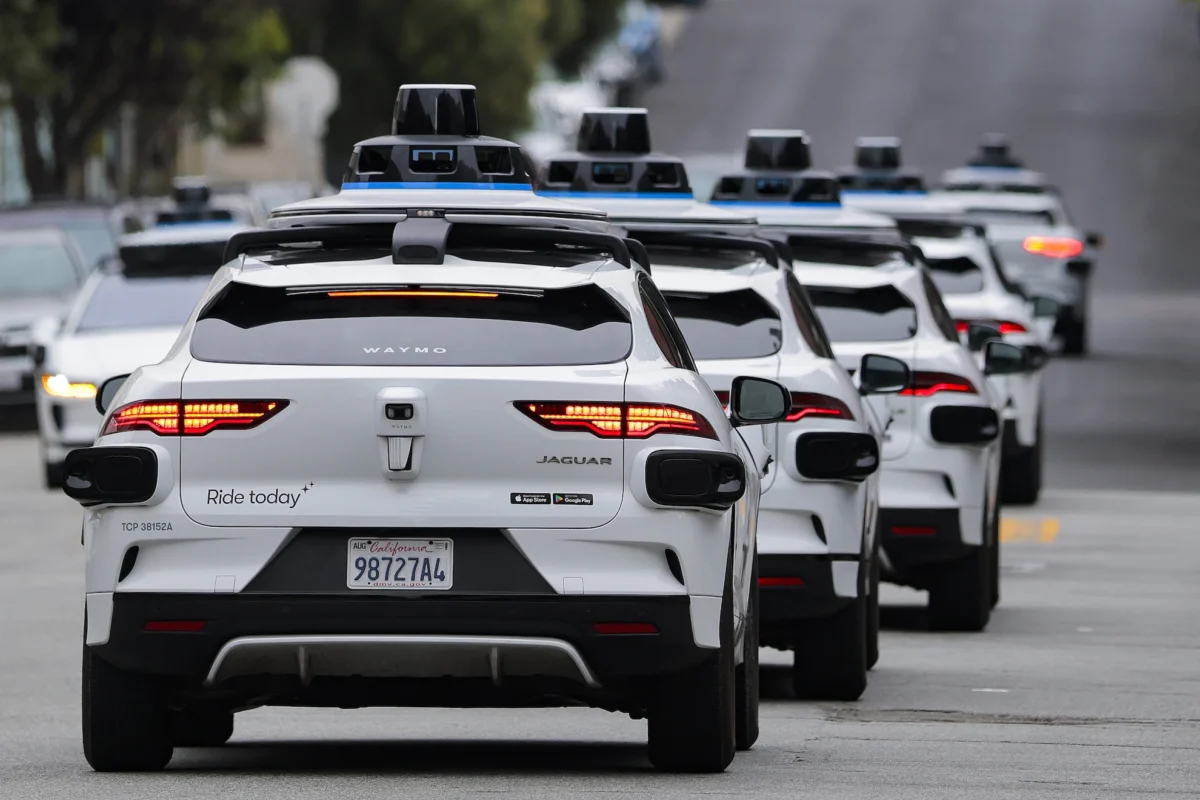
SAN FRANCISCO – Alphabet-owned autonomous driving pioneer Waymo has officially resumed full operations in San Francisco following a brief, precautionary suspension of service triggered by a widespread power outage. The disruption, which occurred on the afternoon of July 18, 2026, left approximately 7,000 PG&E customers without electricity and served as the latest test for the city’s complex, evolving relationship with autonomous vehicle (AV) technology.
While the service pause lasted for only about an hour, the incident highlights the ongoing logistical and regulatory challenges facing robotaxi operators as they navigate the unpredictable urban landscape of San Francisco.
The Incident: A City in the Dark
At approximately 12:30 PM PDT on July 18, 2026, San Francisco residents began reporting widespread electrical failures across several neighborhoods. As the grid faltered, PG&E confirmed that roughly 7,000 customers were impacted by the outage. The loss of power did more than darken homes and businesses; it complicated the digital infrastructure that underpins modern transit, including the sophisticated sensor-fusion and connectivity systems used by Waymo’s fleet.
Waymo, ever-vigilant regarding its operational safety parameters, responded almost immediately. Users attempting to hail a ride via the Waymo app were greeted with notifications indicating that service was "temporarily paused." Furthermore, for those who managed to access the interface, a critical warning appeared: "Freeway routes are unavailable."
The temporary restriction on freeway access suggested that Waymo’s automated systems were prioritizing surface streets where speeds are lower and the ability to maneuver in an emergency is greater, should the power grid—and the supporting traffic signal infrastructure—fail during the transit.
A Chronology of the Disruption
The brief but impactful window of the outage unfolded as follows:
- 12:00 PM – 12:30 PM PDT: Power failures begin to ripple across San Francisco. PG&E identifies the affected grid segments, leaving 7,000 customers without electricity.
- 12:30 PM PDT: Waymo initiates an emergency operational review. Recognizing that a power outage of this magnitude could impact traffic signals and communication relays, the company pulls its fleet from active service to assess the environment.
- 12:45 PM PDT: Social media reports emerge, with screenshots circulating on platforms like X (formerly Twitter) showing the "service paused" and "freeway unavailable" messages within the Waymo app.
- 1:30 PM PDT: After coordinating with local officials and ensuring the stability of their remote assistance and fleet management systems, Waymo lifts the suspension.
- 1:45 PM PDT: Waymo confirms that operations have returned to normal, though monitoring for residual grid instability continues.
Supporting Data: The Vulnerability of Connected Transit
This event is not an isolated incident for Waymo or the broader AV industry in San Francisco. The city’s dense urban geography, combined with its aging electrical grid, has created a recurring series of "teachable moments" for the nascent robotaxi industry.
Historical Context of AV Disruptions
- December 2025: A significant blackout in San Francisco caused a number of Waymo vehicles to stall on city streets. The incident forced the company to suspend service while it worked to manually recover the stranded vehicles, sparking public concern about the resilience of autonomous fleets during infrastructure failures.
- July 4, 2026: A traffic incident occurred during the Independence Day celebrations. While not a blackout, the gridlocked traffic during the fireworks display paralyzed several autonomous vehicles, leading to a traffic bottleneck that lasted for an extended period.
These incidents demonstrate a pattern: autonomous vehicles, while highly advanced, remain tethered to the physical and digital realities of the city. When traffic signals go dark or cellular connectivity is disrupted by power outages, the AI’s ability to predict human driver behavior and navigate complex, non-standard traffic patterns is significantly tested.
Official Responses
The rapid restoration of service was met with a measured response from the company, which emphasized a safety-first philosophy.
Waymo’s Statement
In an official statement, a Waymo spokesperson clarified the company’s reasoning: "We are making temporary adjustments to our service while we monitor local conditions. We know riders depend on us, and we will return to normal operations as soon as possible."

Following the initial outcry, the spokesperson added further context to the decision-making process: "We decided to pause service for approximately one hour to assess the scale of the power outage affecting a large portion of San Francisco and coordinate with local officials. This was a proactive measure to ensure the safety of our riders and the efficiency of our fleet during an unpredictable infrastructure event."
The Regulatory Stance
The recurring nature of these disruptions has not gone unnoticed by San Francisco’s leadership. Mayor Daniel Lurie has taken an increasingly firm stance on the role of autonomous vehicles in the city. Following the July 18 incident, the Mayor reiterated his call for more robust state-level regulations.
"We cannot allow our public transit systems—whether automated or not—to be paralyzed by every major incident, planned or not," Mayor Lurie stated. His office is reportedly pushing for a mandate that would require AV companies to demonstrate a "grid-resilient" operating mode, ensuring that fleets can navigate safely even when local municipal infrastructure is compromised.
Implications: The Path Toward Robust Autonomy
The July 18 incident highlights a fundamental question for the future of urban mobility: Can autonomous systems reach the level of "infrastructure-agnostic" safety required for mass adoption?
1. Technological Resilience
To overcome these challenges, industry experts suggest that AV developers must focus on "degraded mode" operations. This would involve allowing vehicles to operate with higher levels of caution—such as reduced speed or restricted route access—rather than a total system shutdown. The fact that Waymo attempted to limit freeway usage while keeping local streets open indicates that this transition toward tiered operational safety is already underway.
2. Regulatory Pressure
The growing pressure from Mayor Lurie and the San Francisco Board of Supervisors suggests that the "wild west" era of testing in the city is coming to a close. Future permits for robotaxi operations will likely be contingent upon the companies’ ability to prove that their vehicles can interface with emergency services and handle prolonged infrastructure failures without becoming "roadblocks."
3. Public Trust
Public perception remains the most volatile variable. While many San Franciscans have embraced the convenience of robotaxis, every stall or service pause serves as a reminder of the technology’s limitations. For Waymo, maintaining transparency—as they did by proactively notifying users of the service pause—is essential for retaining the trust of the riding public.
Conclusion
As of the afternoon of July 18, 2026, the streets of San Francisco are once again occupied by Waymo’s familiar sensor-topped vehicles. The one-hour suspension serves as a case study in the intersection of legacy infrastructure and future technology. While the power outage was an inconvenience to thousands of customers, the quick resolution suggests that the industry is learning to better manage the volatility of the urban environment.
However, the political climate surrounding autonomous vehicles in San Francisco remains charged. As regulators and city officials push for stricter oversight, the onus remains on companies like Waymo to prove that their fleet can withstand not just the complexities of the road, but the inherent instability of the modern power grid. For now, the city waits to see if the next incident will be met with the same level of cooperation, or if the friction between city officials and tech giants will intensify.