The automotive industry is currently navigating its most significant transition since the invention of the internal combustion engine. As legacy manufacturers pivot toward an all-electric future, the challenge has not merely been one of engineering, but of soul-searching. Automakers are pulling every lever at their disposal to incentivize the shift: deploying ultra-fast charging architectures, maximizing range through sophisticated battery chemistry, and slashing MSRPs to remain competitive in a cooling market. Yet, for the performance-oriented segment, the struggle is visceral. To bridge the gap for traditional enthusiasts, some manufacturers have even resorted to digital mimicry—incorporating simulated gear shifts and synthesized engine notes to replicate the tactile engagement of a gasoline-powered car.
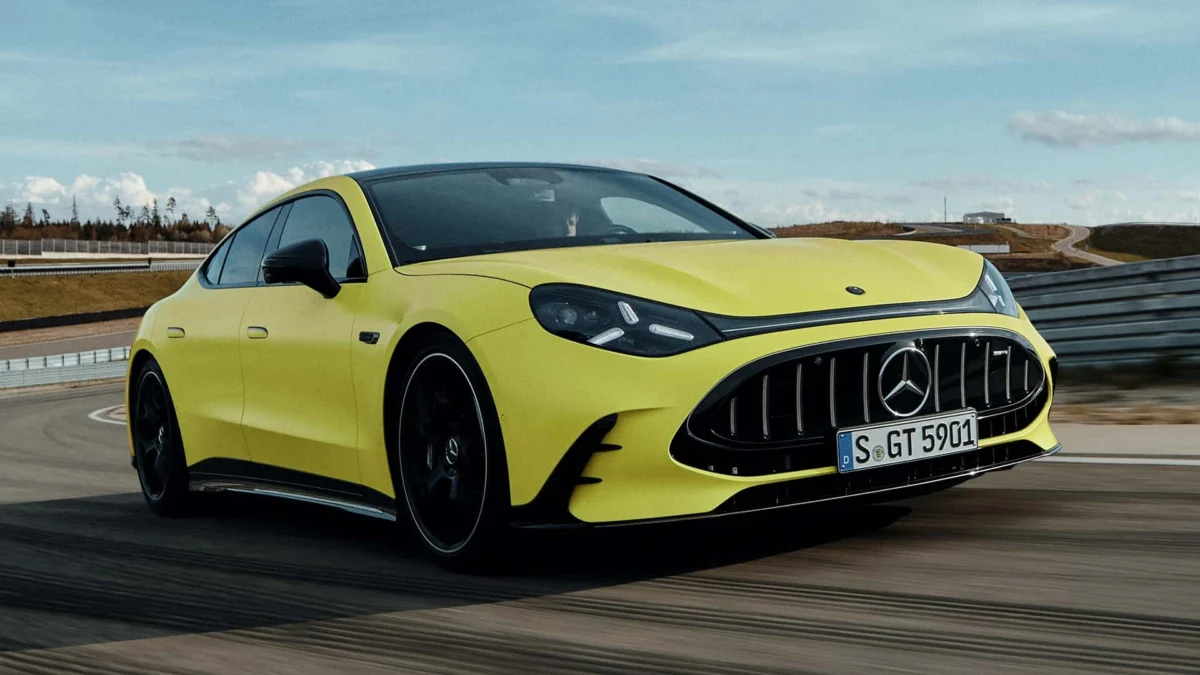
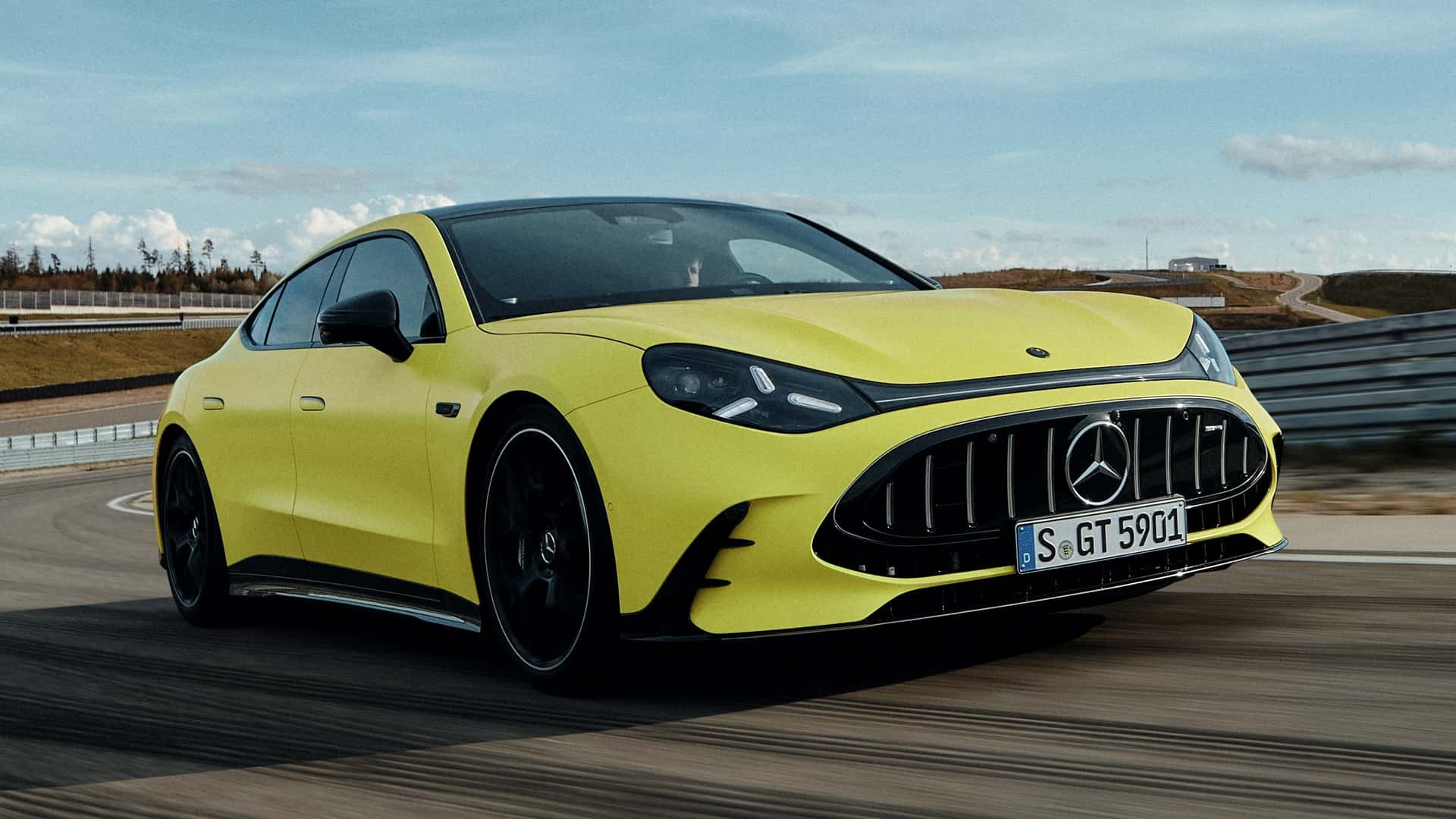
However, these artificial measures have failed to convince a significant portion of the core demographic. In the hallowed halls of Stuttgart, this tension has boiled over into open dissent. Recent reports from German publication Manager Magazin, corroborated by The Autopian, suggest that the internal friction at Mercedes-Benz regarding its electric trajectory has reached a breaking point, particularly concerning the upcoming electric iteration of the AMG GT 4-Door.
The "Shouldn’t Exist" Verdict: A Candid Admission of Failure
The revelation that a senior executive at Mercedes-Benz openly lamented the existence of the electric AMG GT 4-Door underscores a profound misalignment within the company’s product strategy. According to the report, the executive—speaking under the condition of anonymity—did not mince words, stating that the vehicle "shouldn’t even exist." The frustration was not rooted in a lack of engineering prowess, but in the realization that the product was a manifestation of a strategy that had already lost its momentum.
When asked if the project could be halted, the response was a stark reflection of the sunk-cost fallacy that plagues modern automotive development cycles: "It was too late to stop it."
This admission highlights the rigidity of long-term automotive manufacturing. Unlike software, where features can be deprecated or pivoted in real-time, the development of a flagship vehicle platform is a five-to-seven-year commitment involving billions of dollars in tooling, supplier contracts, and factory retooling. Mercedes-Benz found itself trapped by its own momentum, forced to push through the launch of an electric performance vehicle that, in the eyes of its own leadership, failed to justify its presence in the lineup.
Chronology of a Corporate Pivot: Chasing the Tesla Effect
To understand the current volatility at Mercedes-Benz, one must look at the strategic shift initiated by CEO Ola Källenius. During the height of the electric vehicle market boom, when Tesla’s stock valuation was skyrocketing, legacy automakers were under immense pressure from investors to prove they could compete in the EV space.
The EQ Era: A Strategic Miscalculation
Mercedes-Benz launched the "EQ" sub-brand with the intention of creating a distinct, electrified identity. The flagship EQS and the EQE SUV were the primary vehicles of this strategy. However, the market reception was tepid at best. The design language, heavily dictated by aerodynamic efficiency, resulted in a "jellybean" aesthetic that alienated the traditional Mercedes customer who values the imposing, muscular presence of a traditional sedan or SUV.
By 2024, the internal assessment of these models was scathing. Reports indicate that the board acknowledged a massive 90 percent drop in sales for the EQ line during that year. An executive described these models as "the biggest failures in the company’s history." This realization marked a turning point in how the board viewed the broader transition to electrification, shifting from a "Tesla-chasing" growth mindset to a more cautious, profit-oriented approach.
The Cost of Innovation
The financial weight of this transition is staggering. Development costs for the AMG electric platform alone have eclipsed $1 billion. When combined with the massive expenditure for the EQS and EQE platforms—estimated at approximately 5 billion euros ($5.7 billion in 2026 inflation-adjusted terms)—it becomes clear why there is such internal hostility toward products deemed unsuccessful. The "lost development" costs are not merely line items on a balance sheet; they represent redirected capital that could have been used to refine the company’s internal combustion engine (ICE) or hybrid offerings, which remain highly profitable.
Comparative Context: The Industry-Wide Reckoning
Mercedes-Benz is not alone in this difficult transition. The industry is currently littered with the wreckage of over-ambitious EV programs. Honda, for instance, recently made the difficult decision to cancel plans for three highly anticipated electric vehicles. While the move resulted in billions of dollars in lost development costs, the Japanese automaker chose to cut its losses rather than bring products to market that it feared would not meet demand or satisfy consumer expectations.
The difference in strategy between Honda and Mercedes-Benz is illustrative. While Honda chose the "clean slate" approach to prevent further bleeding, Mercedes-Benz was too far into the production cycle to pivot. This illustrates a critical structural reality: the "time to market" for a major German automaker is so protracted that market shifts can render a vehicle obsolete before it even reaches the showroom floor.
Supporting Data: Sales and Market Sentiment
The failure of the EQ-branded vehicles was not a result of poor engineering—Mercedes-Benz vehicles are objectively high-performing, quiet, and technologically advanced. Rather, the failure was one of market positioning and brand identity.
- Design Alienation: The departure from the traditional Mercedes "three-box" sedan aesthetic for the sake of a low drag coefficient (Cd) was a fundamental error in a segment where status and design are the primary drivers of purchase intent.
- The AMG Dilemma: The AMG brand is synonymous with the visceral, auditory experience of a high-performance combustion engine. Replacing this with an electric powertrain requires a shift in brand value that the company has struggled to communicate to its core base.
- Price/Performance Ratio: As new, leaner competitors emerge, the high price point of early Mercedes EVs has struggled to compete with the sheer performance-per-dollar offered by newer, more efficient rivals.
Implications for the Future: A Shift in Strategy
Despite the turmoil, there are signs that the "reparation" phase of the company is underway. The upcoming electric CLA serves as a prime example of the company’s new direction. With a target price point under $50,000, it aims to capture a broader market segment while utilizing a more refined, modular architecture that addresses the inefficiencies of the initial EQ models.
Furthermore, the introduction of the VLE—a luxury van aimed at the American market—shows that Mercedes-Benz is looking to diversify its portfolio beyond the rigid "EQ sedan/SUV" template. By focusing on utility and luxury rather than just pure electrification for the sake of it, the company is attempting to regain its footing.
The Path Forward
The internal critique of the AMG GT 4-Door may have been harsh, but it is a necessary part of the corporate culture shifting toward accountability. The era of blindly chasing market share by mimicking the EV-first competitors is likely over. Instead, the current leadership appears to be prioritizing:
- Hybridization: Recognizing that the transition period will be longer than initially anticipated, Mercedes is doubling down on high-performance hybrid powertrains, allowing for the retention of the emotional "AMG" experience while meeting tightening emissions regulations.
- Platform Flexibility: The next generation of vehicles is expected to be more platform-agnostic, allowing for both combustion and electric powertrains to coexist more efficiently, thereby reducing the risk of "all-in" bets on a single technology.
- Refined Design Language: Moving away from the polarizing aerodynamic-first designs of the early EQ era, the brand is returning to more traditional, elegant silhouettes that better resonate with their legacy customers.
Conclusion
The controversy surrounding the AMG GT 4-Door is a microcosm of the wider struggles facing the automotive giants of Europe. It serves as a reminder that the path to electrification is not linear, nor is it guaranteed to be successful simply by virtue of the brand name on the hood. As Mercedes-Benz attempts to rectify the mistakes of its recent past, it must balance the demands of a changing global market with the heritage that made it a leader in the first place. Whether the upcoming generation of vehicles can restore the brand’s reputation as the ultimate arbiter of performance and luxury remains to be seen, but one thing is clear: the era of the "forced" EV is ending, replaced by a more pragmatic, product-first philosophy.