In the world of high-performance automobiles, there is an unspoken rule: supercars, tuners, and heavily modified track-oriented machines are meant to be pampered. They are expected to live their lives in climate-controlled garages, emerging only for weekend canyon runs or the occasional car show, their odometers frozen in a state of low-mileage preservation.
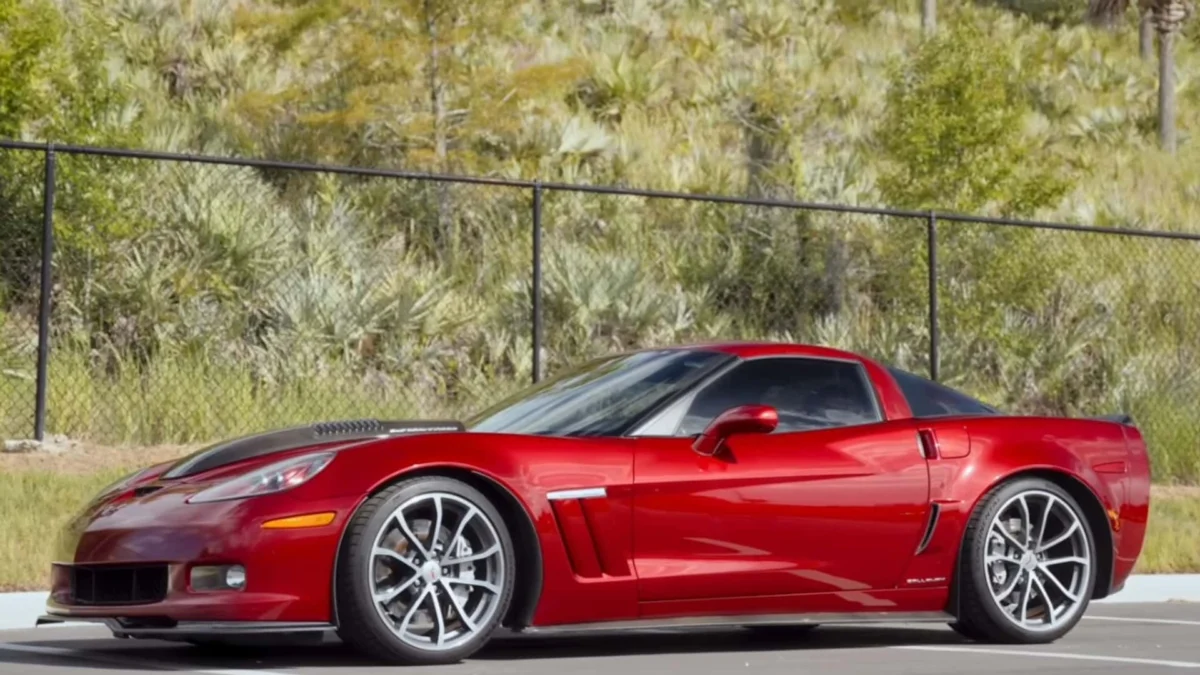
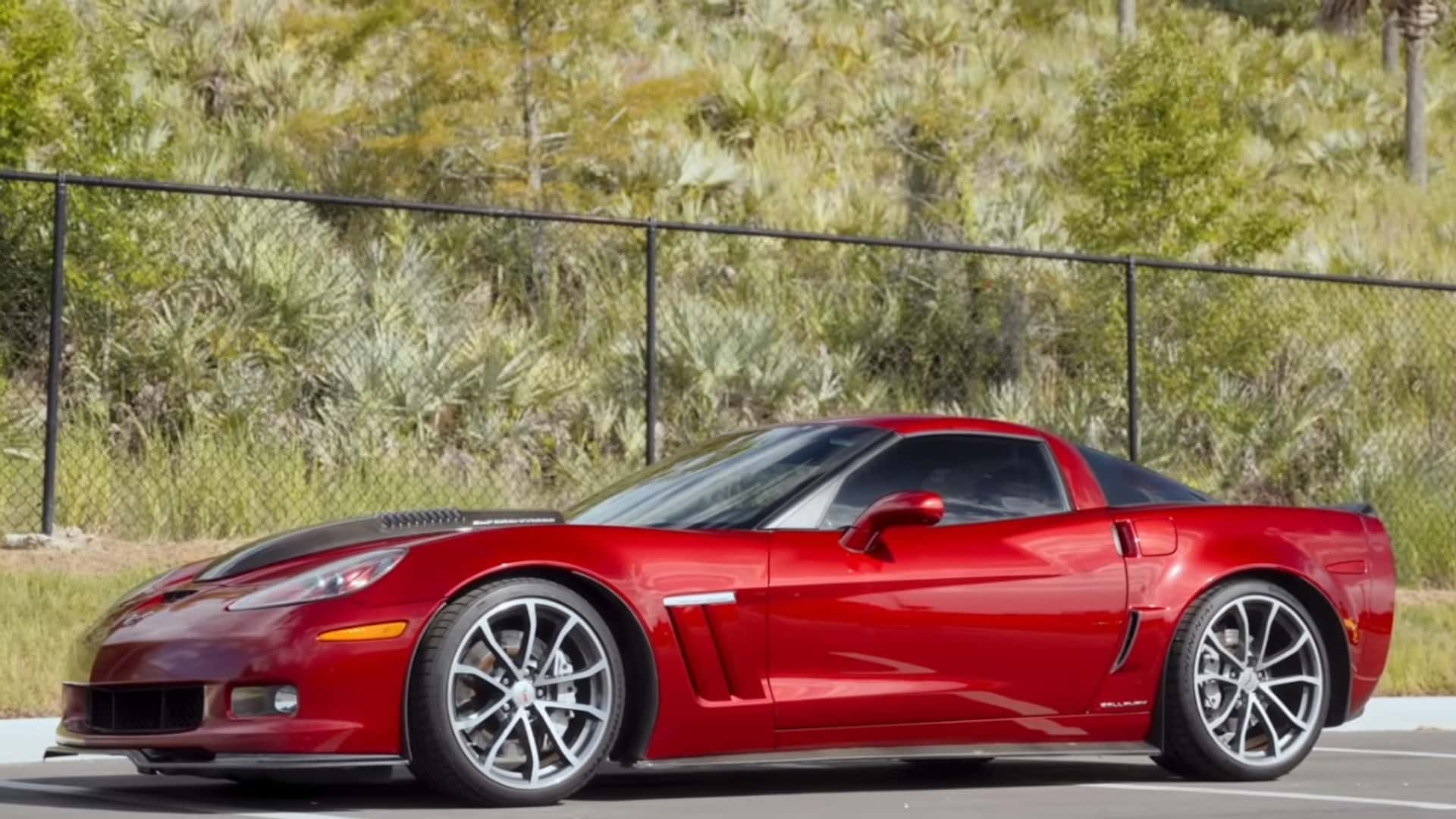
However, one specific 2010 Chevrolet Corvette Grand Sport—a beastly machine massaged by the legendary engineering minds at Callaway Cars—has shattered that paradigm. Known as the Callaway SC606, this particular build has defied the mechanical stereotypes surrounding forced-induction engines. It has officially surpassed the 300,000-mile mark, all while retaining its original LS3 V8 engine. This is not merely a story of a reliable car; it is a testament to the intersection of rigorous engineering, proper maintenance, and the philosophy that high-performance vehicles are meant to be driven, not just admired.
The Genesis of the SC606: A Supercharged Legacy
When Chevrolet launched the C6 version of the Corvette Grand Sport in 2010, it was hailed as the "sweet spot" of the lineup—a perfect marriage of the base Corvette’s nimble chassis and the wide-body aesthetic and suspension upgrades of the Z06. With its naturally aspirated 6.2-liter LS3 V8 producing 430 horsepower, it was already a formidable machine.
Enter Callaway Cars. Known for decades as a premier manufacturer of high-performance Corvettes, Callaway saw the potential in the Grand Sport platform to create something truly transcendent. The team took an early-production unit directly from the assembly line and subjected it to a comprehensive transformation.
The cornerstone of this upgrade was the installation of the Eaton TVS2300 roots-style supercharger. By forcing more air into the engine’s cylinders, Callaway pushed the LS3 well beyond its factory limits. The result was the SC606, a vehicle that lived up to its nomenclature by churning out 606 horsepower. This wasn’t just a "bolt-on" job; Callaway re-engineered the intake, exhaust, and engine management systems to ensure that the added stress wouldn’t lead to premature failure. Looking back, the current 300,000-mile milestone is the ultimate validation of those engineering choices.
A Chronology of Endurance
The journey of this specific SC606 began in the research and development labs of Callaway. Before it ever reached a customer, it served as a development mule and a marketing centerpiece. It was the "face" of the SC606 program, tasked with proving that the modifications were reliable enough for daily use.
The R&D Phase (2010–2012)
During its infancy, the Corvette was pushed to its limits on tracks and test facilities. Engineers monitored temperatures, airflow, and power delivery to ensure the supercharger integration was seamless. Unlike a standard engine that might fail under sustained high-load testing, the Callaway setup proved remarkably resilient.
The "Guardian" Era (2012–2020)
Following its stint as a promotional vehicle, the car didn’t retire. Instead, a product manager at Callaway entrusted the vehicle to a close associate with a very specific instruction: "Don’t let it sit."
What followed was an eight-year period of consistent, high-mileage use. The car became a daily driver, racking up miles across various climates and road conditions. While most would fear that a 600-horsepower, supercharged sports car would require an engine rebuild long before 100,000 miles, this Corvette simply kept going. The owner treated the machine as it was intended—as a tool for the road.
Ownership and Preservation (2020–Present)
In 2020, the ten-year milestone of the car’s existence prompted a change in status. Callaway Cars opted to sell the vehicle, and the individual who had spent the better part of a decade acting as its caretaker finally had the opportunity to put their own name on the title. Since then, the car has continued to accumulate miles, proving that the original powertrain has plenty of life left even after three decades’ worth of average usage packed into a shorter timeframe.
Technical Resilience: Why the LS3 Holds Up
To understand why this car survived, one must look at the robustness of the LS3 engine platform and the sympathetic way Callaway approaches tuning. The LS-series of V8 engines is widely regarded as one of the most durable engine architectures ever produced. When properly cooled and lubricated, these engines can handle significantly more power than stock without catastrophic failure.
Callaway’s tuning methodology focuses on "OEM-plus" reliability. By ensuring the fuel and spark tables are dialed in correctly and that the Eaton supercharger operates within an efficient thermal window, the tuner minimizes the risk of detonation—the primary killer of supercharged engines.
Furthermore, the longevity of this car highlights the importance of "preventative maintenance." While the engine is original, it is not "untouched." High-mileage performance vehicles require an owner who respects the machine. This includes:
- Frequent Oil Changes: Using high-quality synthetic lubricants to combat the heat generated by the supercharger.
- Cooling System Management: Ensuring that the intercooler system for the supercharger remains clean and effective.
- Driving Habits: While the car is powerful, it is not being dragged at the strip every weekend. Long-distance cruising allows the engine to operate in its "happy place," preventing the wear and tear associated with extreme short-burst stress.
The Implications: A Lesson for Enthusiasts
The story of this 300,000-mile Corvette serves as a wake-up call to the collector car community. In recent years, the market has seen an explosion in the value of "garage queens"—vehicles with sub-1,000-mile odometers that have never been driven. While these cars serve as historical time capsules, they often suffer from the degradation of seals, rubber components, and fluids that occur when a car sits stagnant for years.
This Callaway SC606 suggests that the best way to preserve a performance car is to use it. When components are kept warm, fluids circulated, and systems exercised, the vehicle remains "alive."
Challenging the "Modified = Unreliable" Stigma
There is a pervasive belief among car buyers that modifying a vehicle—especially adding a supercharger—inherently destroys its longevity. This Corvette disproves that bias. It demonstrates that when modifications are performed by reputable firms with a focus on engineering integration rather than just raw power, the reliability of the base platform is not necessarily compromised.
Looking Ahead: The Future of the C6 Platform
As we look toward the future, with the automotive industry shifting rapidly toward electrification and hybrid powertrains, the C6 Corvette stands as a pinnacle of the "analogue-modern" era. It is simple enough to be maintained by a skilled enthusiast, yet powerful enough to compete with modern exotics.
This specific SC606 is not just a car; it is a data point. It provides valuable information to engineers and hobbyists alike about how far a modified pushrod V8 can go. As the owner continues to drive the car, the community will be watching to see if this Corvette can hit the 400,000-mile mark.
Conclusion: The Joy of the Open Road
The story of the 300,000-mile Callaway SC606 is ultimately a story of passion. It is a reminder that sports cars were designed for the singular purpose of moving a driver from one place to another with speed, engagement, and excitement.
While the allure of a pristine, low-mileage car is understandable, there is something far more profound about a car that has seen the world—a car that has survived rain, heat, thousands of hours of highway cruising, and the test of time. We hope that this story encourages more owners to get out from behind the garage door and onto the open road. After all, a car is only as good as the miles it has seen, and this Corvette has seen plenty.