By Health & Science Correspondent
The U.S. Centers for Disease Control and Prevention (CDC), in close coordination with the Food and Drug Administration (FDA) and state health departments across the Midwest, has launched a comprehensive investigation into a rapidly expanding outbreak of cyclosporiasis. As of mid-July, the incident has reached a critical stage, with hundreds of confirmed infections and a geographic footprint that experts warn may be significantly wider than current data suggests.
While federal agencies work around the clock to pinpoint the specific food vector responsible for the transmission of the Cyclospora cayetanensis parasite, the medical community is urging vigilance. Public health officials are currently engaged in a high-stakes effort to trace the supply chain, conducting detailed interviews with patients to isolate the common denominators in their dietary history leading up to the onset of symptoms.
The Scope of the Outbreak: Data and Distribution
Confirmed Clusters and Rising Patient Counts
As of the latest reporting period on July 13, the CDC has officially tallied more than 400 laboratory-confirmed cases of cyclosporiasis tied to this specific outbreak. The geographical epicenter is currently centered on four states: Michigan, Ohio, West Virginia, and Kentucky. However, the nature of modern food distribution networks, which frequently transport fresh produce across state lines within a matter of days, has prompted investigators to monitor other clusters of illness appearing elsewhere in the nation.
The timeline of the current outbreak indicates a sudden and aggressive spike in cases beginning on or after June 22, 2026. This date serves as a crucial benchmark for investigators, who are working backward to determine when the contaminated product was introduced into the retail or food service supply chain.
The "Iceberg" Effect: Why the Real Count is Likely Higher
Epidemiologists caution the public against viewing the current tally of 400 cases as the definitive total. In the context of foodborne illnesses, the official number often represents only the "tip of the iceberg." There are several structural reasons for this discrepancy:
- Asymptomatic or Mild Cases: Many individuals infected with Cyclospora may experience mild symptoms that resolve without medical intervention. These individuals are unlikely to seek clinical care, and consequently, are never tested for the parasite.
- Diagnostic Hurdles: Detecting Cyclospora requires specific diagnostic testing that is not always included in standard stool panels. Patients may recover or suffer through illness without a laboratory confirmation of the cause.
- Reporting Lag: There is an inherent delay in the public health surveillance system. From the moment a patient visits a doctor to the moment a case is linked to an outbreak, weeks can pass as laboratory results are processed, data is shared with state departments, and final confirmation is verified by the CDC.
Understanding Cyclosporiasis: A Clinical Overview
What is Cyclospora cayetanensis?
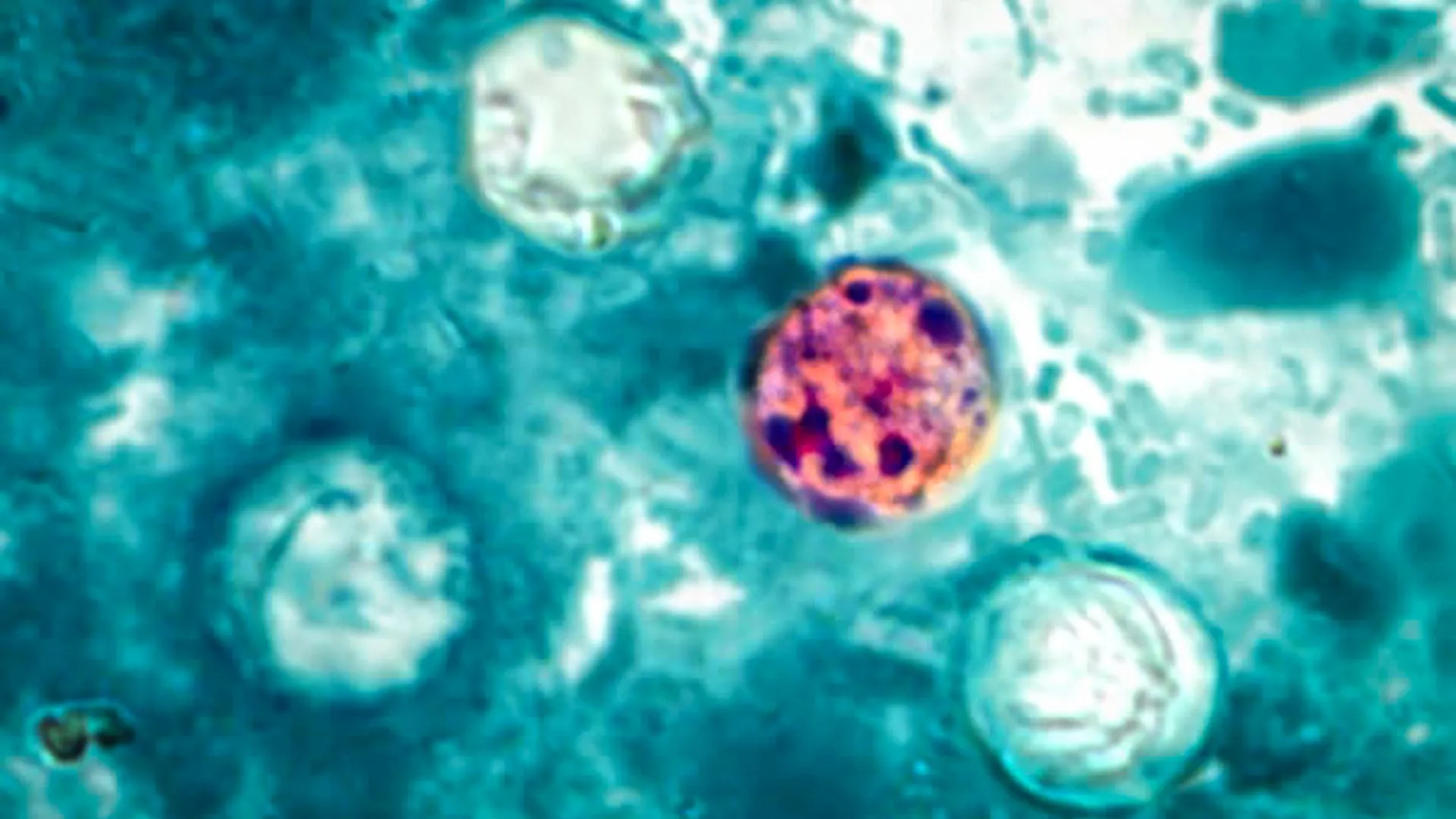
Cyclosporiasis is an intestinal infection caused by the microscopic, single-celled parasite Cyclospora cayetanensis. Unlike some bacterial pathogens that cause immediate food poisoning symptoms within hours, Cyclospora has a distinct incubation period. People typically begin to exhibit symptoms about one week after consuming contaminated food or water, though the range can span from two days to more than two weeks.
Symptoms and Clinical Presentation
The symptoms of cyclosporiasis are often debilitating, though generally not life-threatening for healthy individuals. The hallmark sign of the infection is watery diarrhea, which is often accompanied by:
- Loss of appetite and significant weight loss
- Cramping, bloating, and increased gas
- Nausea and occasional vomiting
- Low-grade fever and fatigue
If left untreated, these symptoms can persist for several weeks or even months, often characterized by a "waxing and waning" pattern where the patient feels slightly better before symptoms return with renewed intensity. The risk of dehydration is a primary concern for vulnerable populations, including the elderly, immunocompromised individuals, and young children, who may require hospitalization for intravenous rehydration.
The Investigation: A Multidisciplinary Approach
The Role of Federal and State Agencies
The investigation is a complex, multi-agency effort. The CDC acts as the lead for surveillance and epidemiology, aggregating data from the affected states to look for patterns. Simultaneously, the FDA conducts "traceback" investigations. By interviewing patients about their dietary habits—specifically asking for a detailed history of meals consumed in the two weeks prior to illness—officials hope to identify a specific fruit, vegetable, or herb that serves as the vector.
Once a potential food item is identified, the FDA works to trace the product back to its source—whether that be a specific farm, packing house, or distribution center. This involves analyzing purchase records, invoices, and shipping manifests.
Why Identifying the Source is Difficult
Cyclospora outbreaks are notoriously difficult to solve for several reasons:
- Produce Seasonality: Many outbreaks are linked to fresh produce (such as leafy greens, berries, or basil) which has a short shelf life. By the time a cluster of illnesses is identified and reported, the original contaminated product is often no longer on store shelves or in the kitchens of the affected individuals.
- Supply Chain Complexity: Modern produce is often processed at centralized facilities where products from multiple farms are aggregated. This makes it challenging to isolate the specific origin point of contamination.
- Environmental Resilience: The parasite is highly resistant to standard sanitization methods, making environmental testing in agricultural settings difficult.
Guidance for the Public and Healthcare Providers
What Consumers Should Do
The CDC advises that anyone experiencing symptoms of cyclosporiasis should contact their healthcare provider as soon as possible. Because the symptoms mimic many other gastrointestinal illnesses, it is vital to inform the provider of any recent travel or consumption of raw, fresh produce, which is a known high-risk category for Cyclospora.
To reduce the risk of future infection, the public is encouraged to:
- Stay Informed: Regularly check the CDC’s official food safety and recall pages for updates on active outbreaks.
- Practice Food Hygiene: While washing produce is important, it does not always eliminate Cyclospora due to the parasite’s ability to adhere to the surface and its resilience to cold water. Consumers should prioritize buying from reputable sources and staying aware of any local or national advisories.
- Cooperate with Officials: If contacted by a health department representative after a positive diagnosis, individuals are urged to provide as much detail as possible. This information is the most powerful tool researchers have to stop the outbreak.
Clinical Guidance for Practitioners
The CDC has issued specific guidance for healthcare providers. When a patient presents with persistent or relapsing diarrheal illness, clinicians should consider testing for Cyclospora. Standard routine stool cultures are often insufficient to detect this parasite; therefore, clinicians should specifically request testing for Cyclospora when the clinical index of suspicion is high.
Once diagnosed, the treatment usually involves a specific course of antibiotics (typically trimethoprim-sulfamethoxazole). Healthcare providers are mandated to report all confirmed cases to their local or state health departments to facilitate the ongoing investigation.
Future Implications and Public Health Strategy
This latest outbreak serves as a stark reminder of the vulnerabilities within the food supply chain. As global trade patterns continue to integrate food systems, the risk of widespread, multi-state outbreaks of parasitic infections like Cyclospora remains a significant public health challenge.
Lessons from the Field
As the investigation progresses into late July, officials are evaluating whether new, more stringent sanitation standards for produce-growing regions are necessary. Previous outbreaks have frequently been linked to imported fresh produce from regions with warm climates where the parasite is endemic. The current investigation in the Midwest is testing the resilience of our public health reporting systems.
A Call for Vigilance
The success of the current containment effort hinges on two things: the speed at which the public reports symptoms and the precision with which medical providers document them. As the investigation moves forward, the primary goal remains the identification and removal of the contaminated food item from the marketplace. Until then, health agencies are maintaining a high level of alert.
For those interested in the most current developments, the CDC continues to provide real-time updates via their official portal. Residents in the affected Midwestern states—and indeed, throughout the country—are encouraged to monitor their health, maintain rigorous food safety standards in their homes, and report any prolonged gastrointestinal distress to their local medical authority.
The struggle to control Cyclospora is an ongoing endeavor that reflects the complexities of modern food production, but with continued public cooperation and federal oversight, officials remain hopeful that the source will be identified and the current outbreak brought to a swift conclusion.