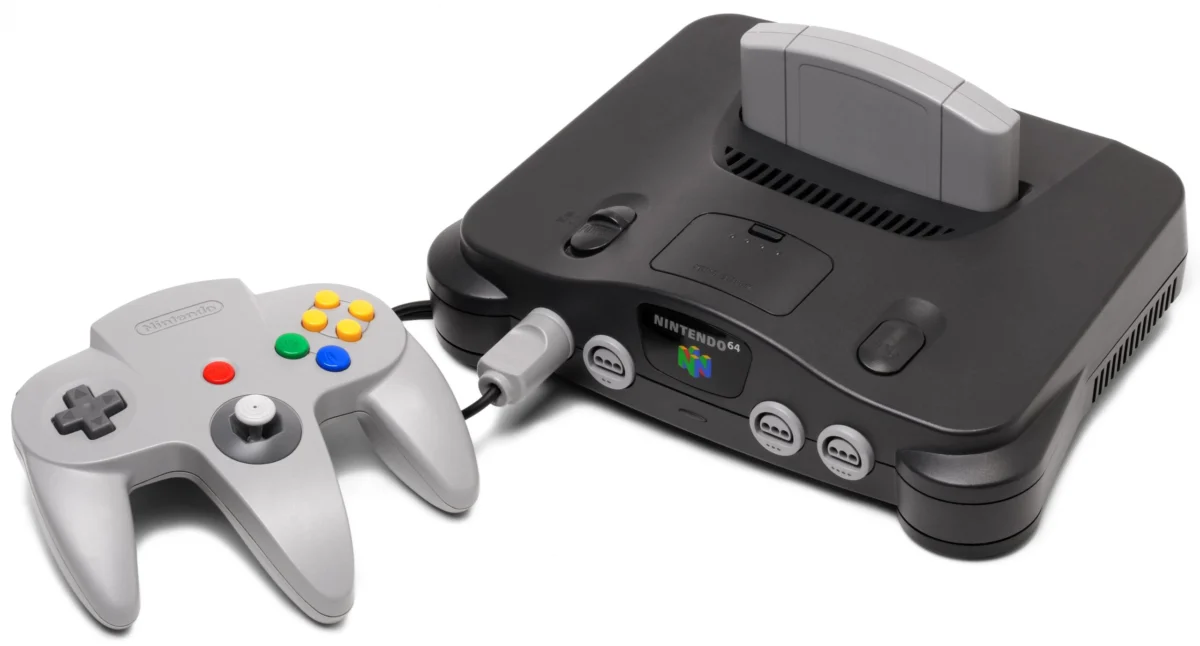
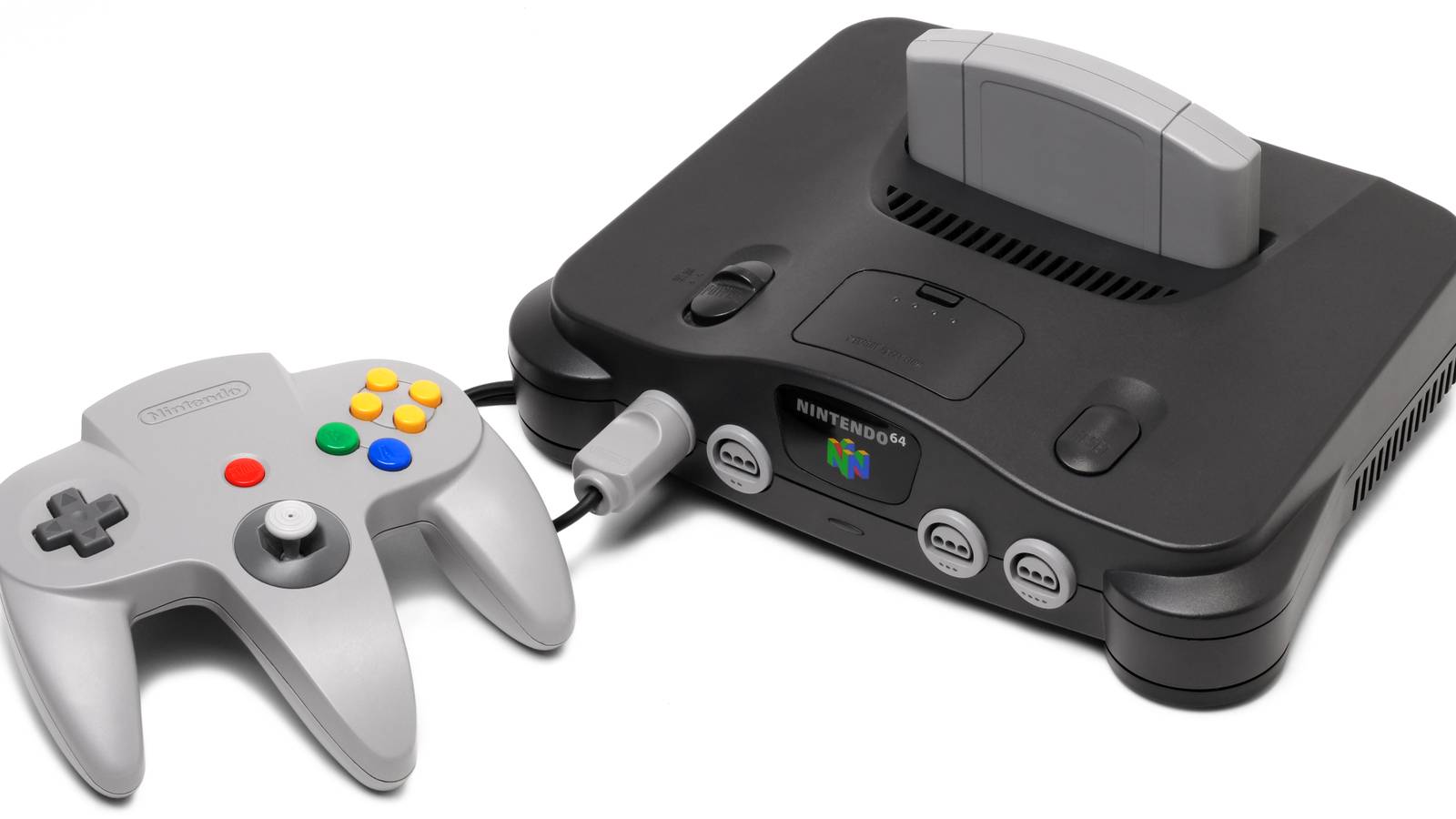
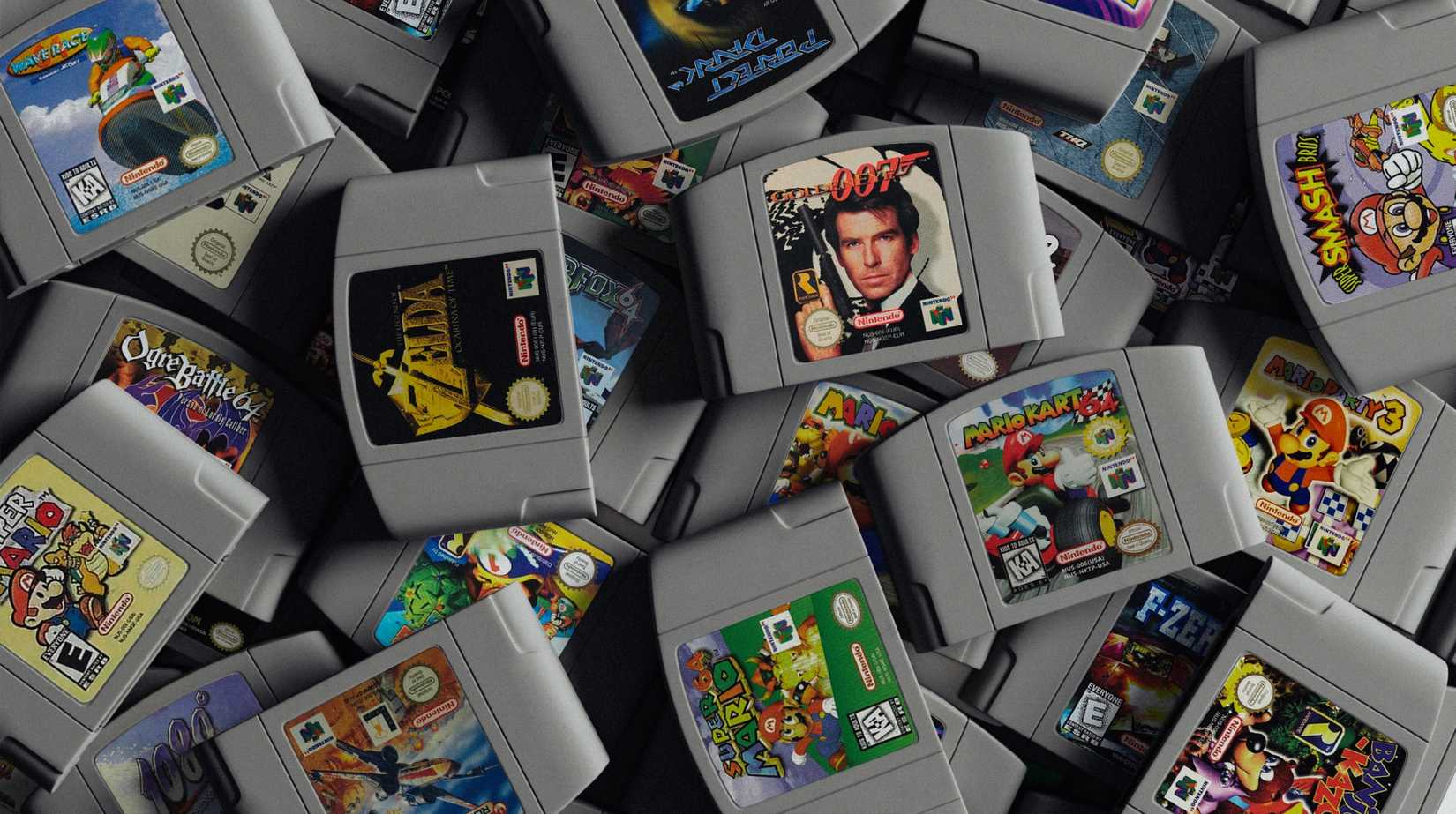
Thirty years ago, the video game industry was in the midst of a violent, chaotic transition. The 16-bit era was bowing out, and the promise of 3D gaming hung in the air like a siren song. When Nintendo launched the Nintendo 64 (N64) in 1996, it carried the weight of a legacy on its shoulders. While Super Mario 64 redefined the third dimension, it was a different, more chaotic title that arguably secured the console’s long-term viability: Mario Kart 64.
It is easy to look at the massive, multi-generational success of the Mario Kart franchise today and assume it was always a foregone conclusion. In reality, Mario Kart 64 was a high-stakes experiment. It took a genre-defining “one-hit wonder” from the Super Nintendo Entertainment System (SNES) and transformed it into the bedrock upon which Nintendo’s modern multi-billion-dollar business is built.
The Context: A Launch Without a Kart
When the Nintendo 64 arrived on store shelves, the gaming landscape was starkly different from today’s digitally connected ecosystem. Launch lineups were often thin, and hardware success was determined by long-term attachment rates rather than day-one digital ecosystems. In Japan, the N64 launched with Super Mario 64, Pilotwings 64, and, curiously, a chess game.
The North American market mirrored this, with Cruis’n USA joining the fray in December 1996. However, there was a glaring omission: the plumber wasn’t behind the wheel. Mario Kart 64 did not reach Japanese consumers until mid-December, arriving in the West only in early 1997. For many, the initial absence of Mario Kart was a point of concern. Super Mario Kart on the SNES had been a cultural phenomenon, but there was no guarantee that the transition to 3D would maintain the tight, frantic magic of the original.
Chronology of a Revolution
To understand the impact of Mario Kart 64, one must track its evolution through the technical hurdles of the mid-90s:
- 1992: Super Mario Kart (SNES) introduces the “Mode 7” pseudo-3D perspective, creating a blueprint for kart racing that balances accessibility with skill.
- 1996 (December): Mario Kart 64 launches in Japan, immediately capitalizing on the N64’s expanded processing power.
- 1997 (February): The game arrives in North America, filling a critical void in the console’s library and proving that Nintendo could iterate on its most successful multiplayer concepts.
- 1997–2000: Mario Kart 64 becomes a mainstay in dorm rooms and living rooms globally, establishing the "four-player split-screen" as the gold standard for social gaming.
- 2000s–Present: The design philosophies introduced in MK64—specifically the drift-boost mechanics and the rubber-banding AI—become the immutable DNA of every subsequent entry, culminating in the 80-million-unit success of Mario Kart 8 Deluxe.
The Technical Shift: Drifting and the Birth of "Snaking"
The most significant contribution of Mario Kart 64 to the medium was its refinement of the physics engine. In the SNES original, drifting was a risky, often punishing maneuver. Players could easily spin out if they held a slide for too long, essentially turning the mechanic into a high-stakes gamble.

Mario Kart 64 overhauled this entirely, introducing the "drift-boost" mechanic. By holding a power slide and steering against the momentum, players could trigger a distinct color change in their kart’s exhaust smoke. Releasing the drift at the peak of this animation provided a speed burst. This created a skill ceiling that allowed competitive players to find "lines" through tracks that were inaccessible to casual users.
This eventually birthed the advanced technique known as "snaking"—the act of perpetually drifting and boosting on straightaways. While controversial among purists, it transformed Mario Kart from a simple party game into a legitimate test of mechanical skill, providing the depth required for the game to remain relevant in the age of competitive eSports.
Supporting Data: The Balancing Act
Perhaps the most polarizing legacy of Mario Kart 64 is the introduction of the Blue Shell. Before this, the lead player in a race was often untouchable; if you were good enough, you could lap the competition, making the end of the race a lonely affair.
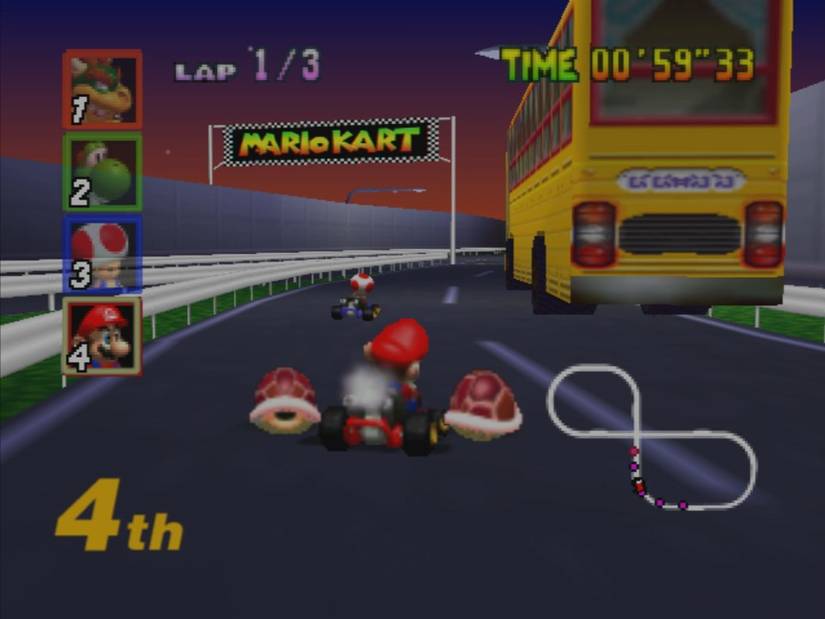
The development team, recognizing the need for the game to serve as a "party" experience, implemented a system of dynamic difficulty often derided as "rubber banding." The Blue Shell was the ultimate equalizer, a tactical nuke designed specifically to punish the person in first place.
Statistically, this decision was a masterstroke for retention. By ensuring that players of varying skill levels could remain within striking distance of one another, Nintendo created a "fun-first" atmosphere. It turned the game into a social equalizer, where a novice with a well-timed item could topple a veteran. This philosophy has persisted for three decades, directly contributing to the record-breaking sales of the Mario Kart series on the Wii, Wii U, and Nintendo Switch.
Institutional Implications: From 64 to World
The influence of Mario Kart 64 is not merely historical; it is systemic. When analyzing the current state of Nintendo, specifically the launch of Mario Kart World on the Switch 2, the lineage is clear.
The 2025/2026 era of Nintendo has been marked by a move toward open-world exploration, a trend that began with Breath of the Wild and has now permeated even the racing genre. However, critics point out that while the World expansion adds scale, the fundamental joy of the game remains the tight, 64-bit-inspired core mechanics.
Without the foundational success of Mario Kart 64, it is highly improbable that the franchise would have the cultural capital to support a console launch. Nintendo learned in 1996 that their mascots were not just characters—they were a platform. By turning the plumber and his friends into a racing institution, they created a recurring revenue stream that has outlived almost every other software franchise in history.
Official Perspectives and Legacy
In recent retrospective interviews, Nintendo developers have acknowledged that the N64 era was a "sink or swim" moment for the company. The transition to 3D was fraught with the fear that the charm of 2D gaming would be lost.
"We didn’t just want to make a racing game," one lead designer noted during a 30th-anniversary roundtable. "We wanted to make a space where friends felt obligated to argue."
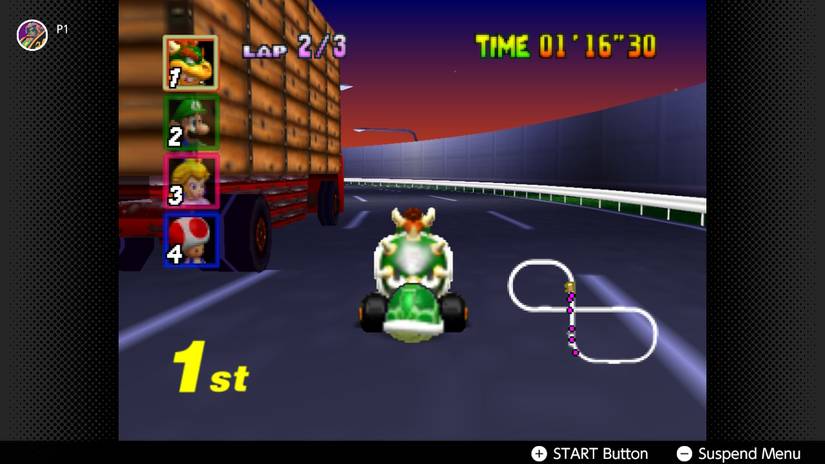
That "obligation to argue"—the chaos of the item boxes, the frustration of the lightning bolt, and the thrill of a last-second drift-boost—is the true legacy of Mario Kart 64. As players revisit the title today via the Nintendo Switch Online Expansion Pass, they aren’t just playing an old game. They are interacting with the blueprint of a modern entertainment giant.
The Nintendo 64 may have been a console that struggled against the rise of the PlayStation, but in the halls of Nintendo, Mario Kart 64 remains the victory lap that never ended. Whether you are playing the latest iteration on the Switch 2 or the original cartridge on a dusty console, the feeling remains the same: a frantic, joyous, and quintessentially Nintendo experience that proved, once and for all, that the plumber was here to stay.