In the landscape of modern media, where "short-form content" and algorithmic discovery dominate the digital horizon, the concept of a synchronized national audience feels almost archaic. Yet, over 30 years ago, NBC orchestrated a marketing masterstroke that didn’t just promote shows—it turned the television schedule into a mandatory social contract. Known as "Must See TV," this branding campaign defined the 1990s and established a blueprint for appointment viewing that remains the gold standard of network television.
The Genesis of an Icon
In the late summer of 1993, the television industry was undergoing a seismic shift. The rise of cable television was beginning to fracture the audience, challenging the dominance of the "Big Three" networks. For NBC, the response was not merely to compete on volume, but to compete on identity.
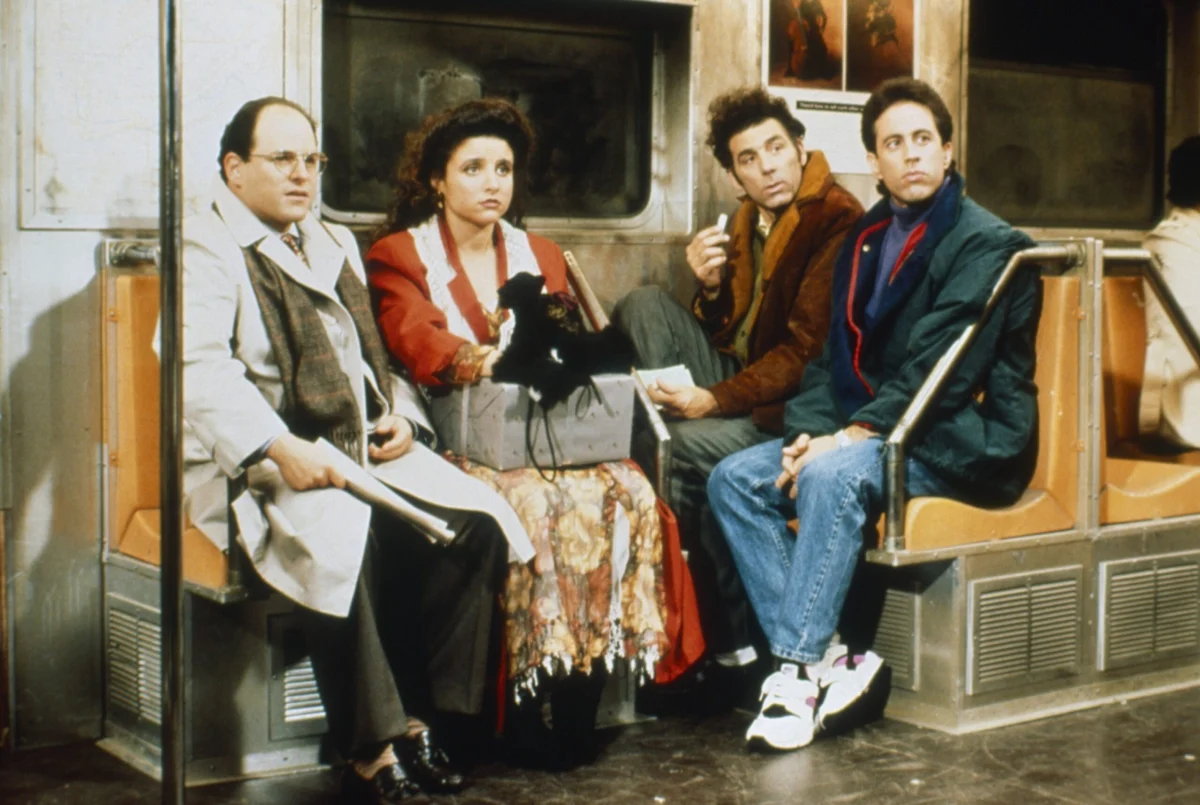
NBC’s entertainment leaders at the time, Warren Littlefield and Don Ohlmeyer, recognized that their Thursday night lineup was a powerhouse in the making. The 1993-94 season schedule was formidable: Mad About You, Wings, Seinfeld, the debut of Frasier, and the veteran prestige drama L.A. Law.
Marketing chiefs John Miller and Vince Manze were tasked with creating an "umbrella" identity for these disparate shows. While the exact origin of the phrase "Must See TV" remains a subject of minor industry lore—with some attributing it to NBC promo producer Dan Holm—the impact was immediate. As Manze recounted to Variety in 1999, the slogan emerged organically from a brainstorming session. "Someone said it, and we said, ‘OK.’ That was that."

A Chronology of Dominance
The branding campaign was not just a clever slogan; it was a strategic synchronization of tone. NBC positioned itself as the home of witty, urbane comedies centered on young adults, coupled with high-stakes dramas that pushed narrative boundaries.
- The 1993 Launch: The campaign debuted alongside the introduction of Frasier, cementing the Thursday night block as the crown jewel of the network.
- The Mid-90s Expansion: Following the success of the Thursday night block, NBC expanded the "Must See TV" branding to Tuesday and Wednesday nights, attempting to replicate the magic across the week.
- The Late 90s Peak: With the addition of cultural phenomena like Friends and the medical juggernaut ER, the "Must See TV" brand became synonymous with the network itself.
- The Post-2000 Evolution: While the branding faded as a primary marketing tool in the mid-2000s, the "Must See" philosophy lived on through the success of The Office, 30 Rock, and Parks and Recreation, which carried the legacy of the Thursday night comedy block well into the digital age.
The Strategy Behind the Seal
The brilliance of "Must See TV" lay in its ability to market the night rather than just the individual programs. By using the "Must See" label as a seal of quality, NBC created a shorthand for the audience: if a show was part of this lineup, it was worth your time.
"It created a framework to lump new shows in with shows that were successful," explains Brian Lowry, veteran media critic and former Variety chief TV critic. "It gave the audience a shorthand—well, if you like Seinfeld and Friends and Mad About You, you’ll love this one."
This approach transformed the viewing experience into an event. In an era before streaming and DVRs, missing a Thursday night meant missing the "water cooler" conversation at the office the next morning. It was a form of FOMO (fear of missing out) long before the term existed.

Examining the Data: Why It Worked
The 1990s represented a pivotal moment in advertising as well. Advertisers were shifting their focus from broad, household-wide reach to specific, high-value demographics—specifically young adults. NBC’s "Must See TV" strategy was perfectly aligned with this transition.
However, the strategy was not foolproof. Even within the protective umbrella of the "Must See" brand, NBC struggled with failures. Shows like The Single Guy, Boston Common, Veronica’s Closet, and Union Square were positioned behind heavy hitters like Friends or Seinfeld, yet they failed to retain the audience or achieve long-term success. This serves as a reminder that branding can attract an audience, but only content can keep them.
Competitors attempted to replicate the success, often with mixed results. ABC’s 1997 "TV Is Good" campaign was widely criticized as over-wrought and lacked the specific cultural identity of NBC’s initiative. However, the competition eventually found ways to dismantle the NBC stronghold. ABC’s Who Wants to Be a Millionaire changed the quiz show landscape, and CBS successfully attacked Thursday nights with the reality phenomenon Survivor, proving that even the most powerful branding cannot withstand a total shift in audience taste.
Official Perspectives: The Legacy of "Must See"
Jennifer Storms, NBCUniversal’s chief marketing officer for television and streaming, views the "Must See" era as the foundational bedrock of the company’s modern brand identity.

"It was a promise to consumers," Storms notes. "We branded the night, not just the shows, which turned a schedule into a cultural ritual. It became that original water cooler moment. We’ve evolved it, and now, across the depth and breadth of the company, we always want to be talking about the emotion, the feeling, the experience around our content."
This philosophy persists today, even as the platforms shift from broadcast to streaming services like Peacock. The objective remains the same: to create a destination, not just a catalog.
The Implications for Modern Media
The legacy of "Must See TV" is so powerful that it has been retroactively applied to the 1980s. Many viewers associate the 1980s Thursday lineup—which featured The Cosby Show, Cheers, Family Ties, Night Court, Hill Street Blues, and L.A. Law—with the "Must See" brand. In reality, that specific branding did not exist at the time. NBC’s decision to celebrate "20 Years of Must See TV" in 2004, tethered to the 20th anniversary of The Cosby Show, effectively cemented the mythology of the era.
So, what does this mean for the current media landscape?

- The Death of Appointment Viewing? While the digital age has decentralized viewership, the "Must See" model proved that audiences crave a communal experience. The current success of prestige limited series that release weekly suggests that the "water cooler" culture is not dead, merely adapted.
- The Power of the Umbrella Brand: In a crowded marketplace, platforms that can curate and define a specific "vibe"—much like HBO or A24—succeed where generic aggregators struggle.
- The Psychological Contract: "Must See" succeeded because it wasn’t just a command; it was a promise. It told viewers that the network had done the work of curating, and the audience was guaranteed a level of quality.
Ultimately, "Must See TV" was an early example of "marketing as content." It wasn’t just a series of commercials; it was an elaborate, cross-promotional narrative that made stars of the network itself. By defining a nightly ritual, NBC didn’t just survive the transition into the modern era—it defined the standard by which we still measure the success of television today.
As we look back at a century of NBC, the "Must See" era stands out not just as a period of high ratings, but as a period of high impact. It reminded the industry that television is, at its core, a communal experience—a fact that remains true even in the age of the algorithm.
This story is part of a retrospective series commemorating NBC’s centennial that Variety is publishing through a partnership with NBCUniversal.