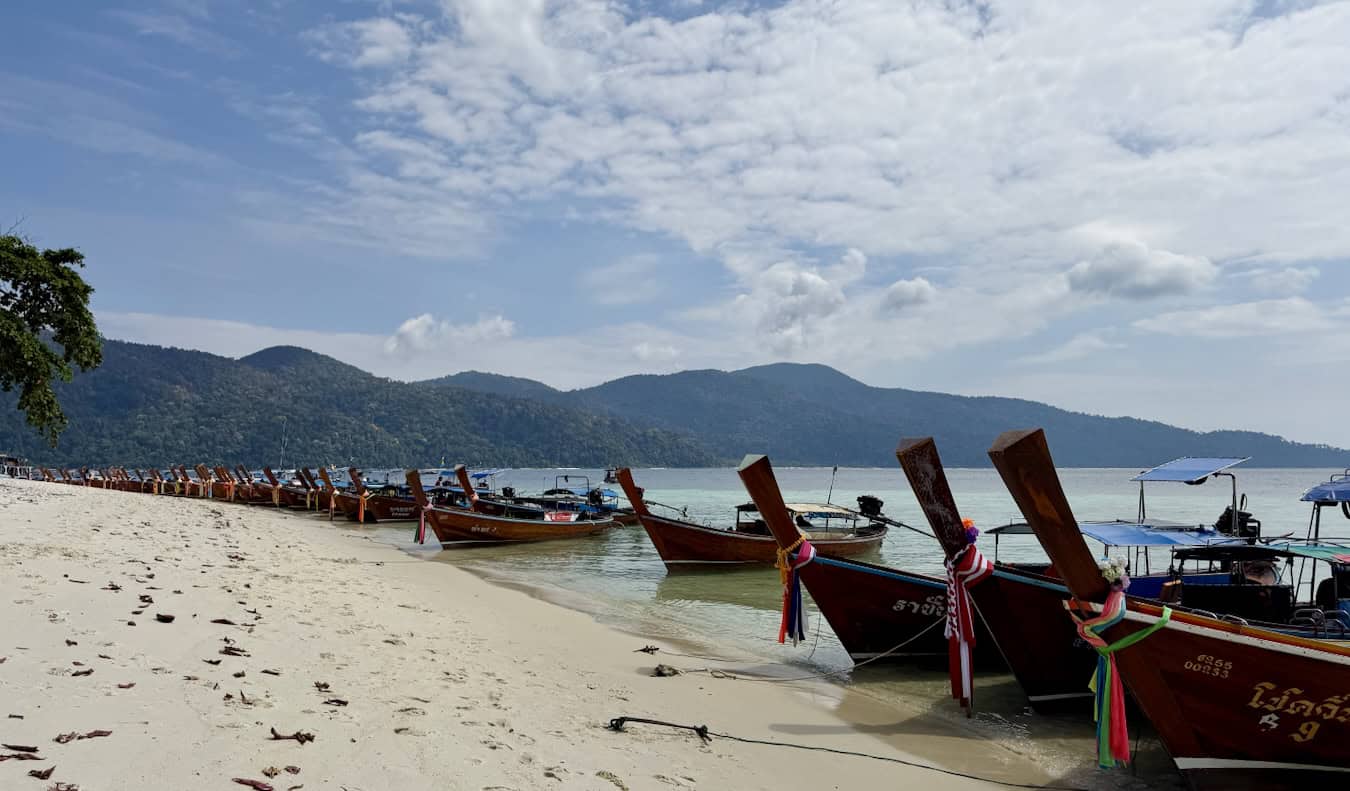
Nineteen years ago, the Thai island of Ko Lipe was a sanctuary for the intrepid. It was a place defined by its limitations: electricity hummed for only a few hours each night, the soundtrack was the rhythmic lapping of the Andaman Sea rather than the thrum of motorbikes, and the "last boat of the season" was a genuine deadline for those daring enough to visit. Today, that narrative has been rewritten by the relentless, often destructive, machinery of mass tourism.
For nearly two decades, I avoided returning to Ko Lipe. I feared that by revisiting the site of my most cherished travel memories—the place where I learned the language, forged deep bonds, and lived the quintessential backpacker dream—I would merely be chasing ghosts. I was right to be afraid. My recent return revealed not the secluded paradise of 2006, but a cautionary tale of environmental degradation and unchecked, unsustainable development.
The Chronology of a Disappearing Eden
The metamorphosis of Ko Lipe is a study in the rapid, often irreversible, evolution of Southeast Asian travel destinations.
2006: The Frontier Era
In 2006, Ko Lipe was a remote outpost. The infrastructure was minimal: roughly five restaurants, one beach bar, and basic, rustic bungalows that cost approximately $2 USD per night. It was an island where "doing nothing" was the primary activity, a place where days naturally bled into weeks. The island felt untouched, a secret shared between a handful of travelers and a local community that lived in harmony with the tides.
2007–2015: The Infrastructure Boom
As social media began to influence travel trends, the "secret" of Ko Lipe leaked out. The transition from a hidden gem to a mainstream destination began with the paving of dirt paths. Concrete replaced sand, and the demand for constant electricity forced the installation of diesel generators. This period marked the beginning of the "build, build, build" mentality that has since come to characterize much of Thailand’s tourism sector.
2016–Present: The "Ko Phi Phi" Model
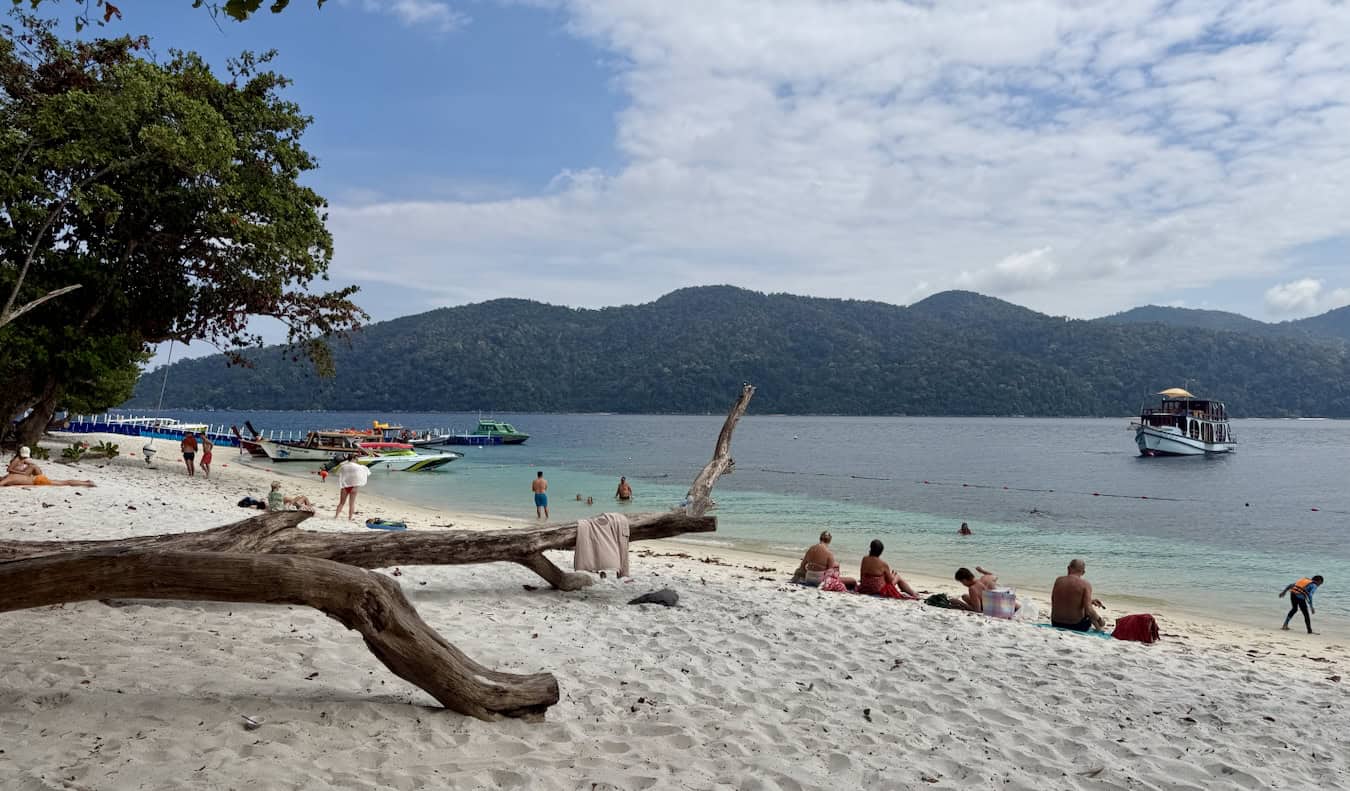
By the time I returned for New Year’s Eve in 2026, the transformation was complete. Ko Lipe has adopted the aggressive development model of Ko Phi Phi. The island is now a landscape of high-end resorts, heavy construction equipment, and a permanent, transient population. The once-quiet footpaths are now congested transit routes, and the island’s natural resources—most notably its freshwater supply—are being pushed to a breaking point to satisfy the demands of modern luxury travel.
The Anatomy of Overdevelopment
The current state of Ko Lipe is not merely a matter of aesthetic change; it is an environmental crisis. The island’s physical transformation is stark and, in many areas, irreversible.
Environmental Degradation
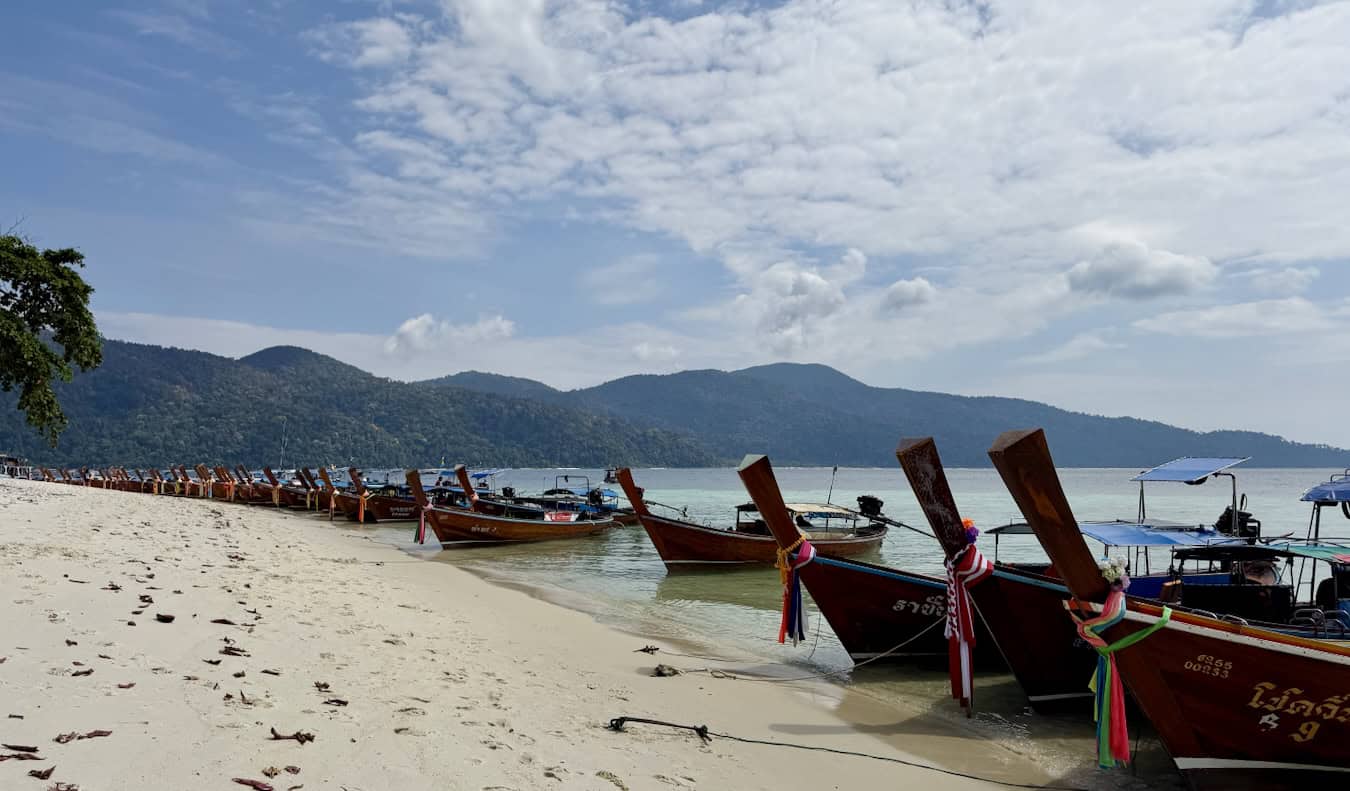
The most immediate impact of the island’s expansion is visible in the water. The surrounding coral reefs, once vibrant and teeming with life, are now struggling. The culprits are multifaceted: excessive boat traffic, anchor damage, and the constant runoff from construction sites. Perhaps most jarring is the oily film of exhaust that coats the surface of the water in popular swimming areas, a direct byproduct of the hundreds of longtail boats ferrying tourists to and from the shore.
The Resource Tax
Ko Lipe lacks a natural, sustainable water supply. As high-end resorts with swimming pools and modern bathrooms have proliferated, the strain on the island’s limited groundwater has become immense. This creates a vicious cycle: as the island becomes less sustainable, the cost of importing resources increases, which in turn leads to higher prices for tourists and further pressure on the local environment to generate more revenue.
Socio-Economic Displacement
The human cost of this boom is equally concerning. Many of the island’s original inhabitants have been displaced, their land sold to developers from the mainland. Today, the majority of the island’s workforce hails from outside the local community. They, like the island itself, are often excluded from the long-term benefits of the tourism boom, remaining in low-wage service roles while the profits are exported to corporate entities elsewhere in Thailand.
Supporting Data: A Broader Context
Ko Lipe is not an isolated case; it is a symptom of a systemic issue in Thailand’s tourism industry. According to data from the Thai Department of Tourism, the country saw a record-breaking influx of visitors in the post-pandemic years, placing immense pressure on coastal ecosystems.
Studies on "island carrying capacity"—a metric used to determine how many people an environment can support without permanent damage—consistently show that many of Thailand’s smaller islands have exceeded their thresholds by upwards of 300%. The resulting "overtourism" leads to a loss of biodiversity, increased waste management challenges, and the erosion of local cultural authenticity.
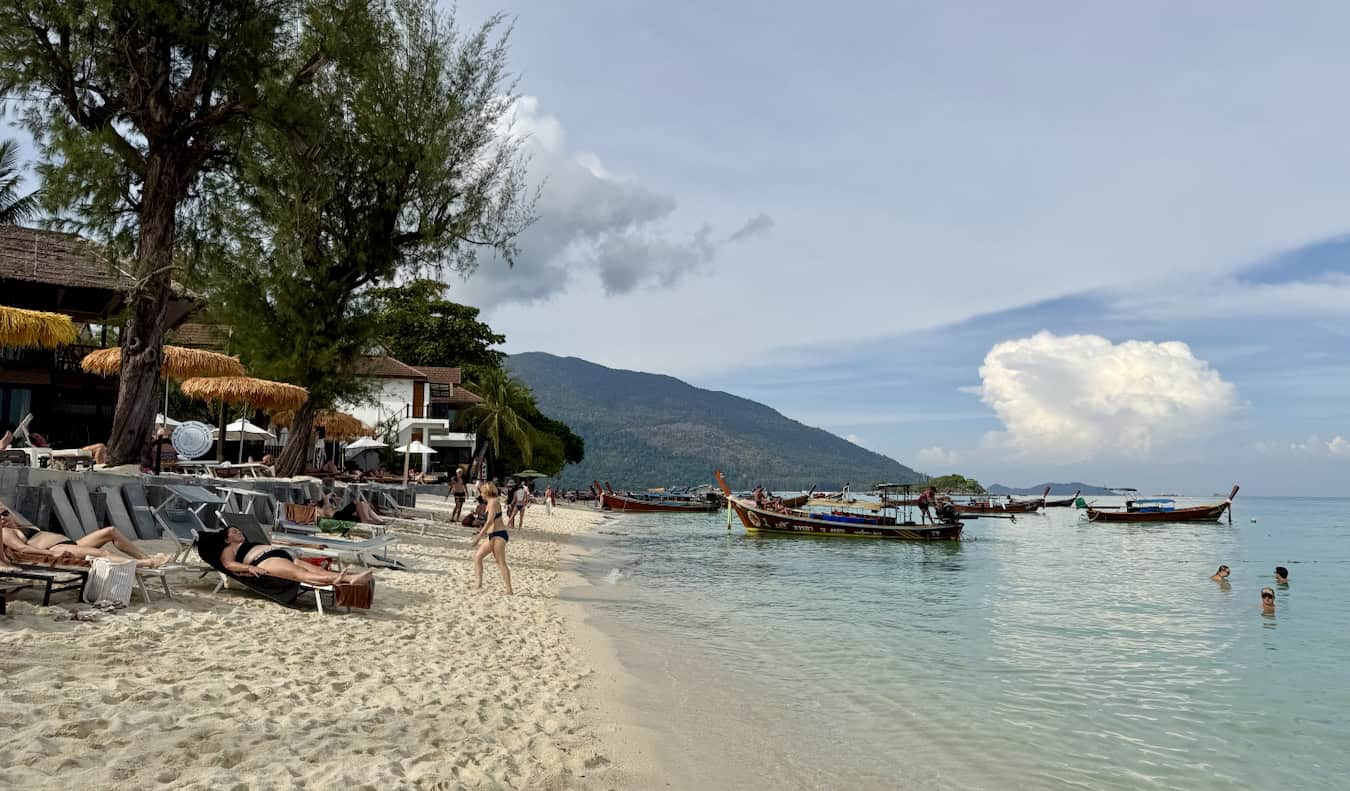
While individual travelers may have a "postcard-perfect" experience on their first visit—witnessing the azure water and white sands—they are often blind to the infrastructure behind the curtain. The "wow" factor is a superficial layer covering a foundation that is crumbling under the weight of its own success.
The Case for Conscious Abstention
The decision to stop visiting a place one once loved is painful, but it is a necessary evolution of responsible travel. We are no longer in an era where we can afford to be passive observers of our impact.
The Power of Consumer Choice
History has shown that traveler behavior can force change. The shift away from elephant tourism in Thailand was almost entirely driven by a conscious, informed public. Similarly, the rise of the "eco-lodge" movement was a response to travelers demanding better environmental practices. By choosing to bypass destinations that are blatantly mismanaged, travelers send a clear economic signal to developers and policymakers that "business as usual" is no longer acceptable.
Alternatives for the Ethical Traveler
The beauty of the Andaman region is that Ko Lipe is not the only option. Islands such as Ko Lanta, Ko Jum, and Ko Mook offer similar natural beauty while maintaining a better balance between tourism and local management. These destinations provide an opportunity to support smaller, community-led economies without contributing to the destructive cycle of overdevelopment.
Implications: Can the Genie Go Back in the Bottle?
When asked if the current trend can be reversed, one must be realistic. "You can’t put the genie back in the bottle," as the saying goes. It is unrealistic to expect locals to sacrifice their livelihoods for the sake of an outsider’s nostalgia for a "lost" version of their home. However, "development" and "destruction" are not synonymous.
If we continue to flock to overdeveloped hubs, we provide the incentive for further exploitation. If, instead, we redirect our travel budgets toward regions that prioritize sustainability, we encourage a different, more responsible model of growth.
The goal is not to stop travel, but to refine it. Our choices as consumers are the most potent tools we possess. By deciding to skip Ko Lipe, I am not merely mourning a lost memory; I am choosing to be a steward of the environment. Sometimes, the most powerful thing a traveler can do is stay away.
As we look toward the future of global tourism, the question remains: are we willing to sacrifice our desire for a specific destination for the sake of its long-term survival? For Ko Lipe, I believe the answer is clear. Enough is enough. It is time to find new horizons, explore better-managed ecosystems, and ensure that our presence in this world leaves a footprint of preservation, not of exploitation.