Welcome back to TechCrunch Mobility, your definitive guide to the rapidly evolving landscape of global transportation and the sophisticated AI systems driving the future of mobility. As the lines between software and hardware continue to blur, our mission is to decode the high-stakes strategies of the industry’s biggest players.
If you aren’t already receiving these insights in your inbox, sign up here for free to stay ahead of the curve.
The Great Uncoupling: Waymo, Uber, and the Post-Partnership Landscape
After a brief hiatus, I have returned to a sector in flux. Perhaps the most notable development is the quiet dissolution of the Waymo-Uber partnership in Phoenix. While the two giants continue to maintain active robotaxi service agreements in major hubs like Atlanta and Austin, the Phoenix exit signals a broader, more strategic shift.
For industry observers, the pressing question is no longer if these temporary marriages of convenience will end, but when. However, that is merely a tactical observation. The more profound, long-term question is: How will these two titans behave once the competitive constraints of their partnership agreements are fully lifted?
We are already witnessing palpable tension. Uber executives have begun peppering their public remarks with thinly veiled critiques of Waymo’s operational model. I suspect that as these collaborative ties fray, these barbs will evolve into direct, aggressive market competition. The primary theater for this conflict will be the regulatory and policy arena, where robotaxi companies are currently lobbying hard for access to new municipalities and broader operational permits. The gloves are coming off, and the battle for the urban passenger is just beginning.
Federal Scrutiny: NHTSA Calls Out AV "Functional Insufficiency"
This week, the autonomous vehicle (AV) industry faced a significant reality check from the federal government. Jonathan Morrison, Administrator of the National Highway Traffic Safety Administration (NHTSA), issued a pointed directive to all AV developers, leaving little room for ambiguity regarding their interactions with emergency personnel.

The Mandate
Morrison’s directive explicitly stated that it is unacceptable for autonomous systems to impede first responders or law enforcement. The agency’s stance was blunt:
"Let me be clear: the inability to detect and appropriately respond to such situations represents a functional insufficiency. Emergency scenes are not rare or extreme ‘edge cases.’ As such, NHTSA is today issuing a call to action for AV developers and operators to immediately focus their resources on fixing this issue."
While the directive was addressed generally to all developers listed under the Department of Transportation’s Standing General Order, the subtext is difficult to ignore. Many industry analysts believe the agency is specifically targeting Waymo.
A Pattern of Friction
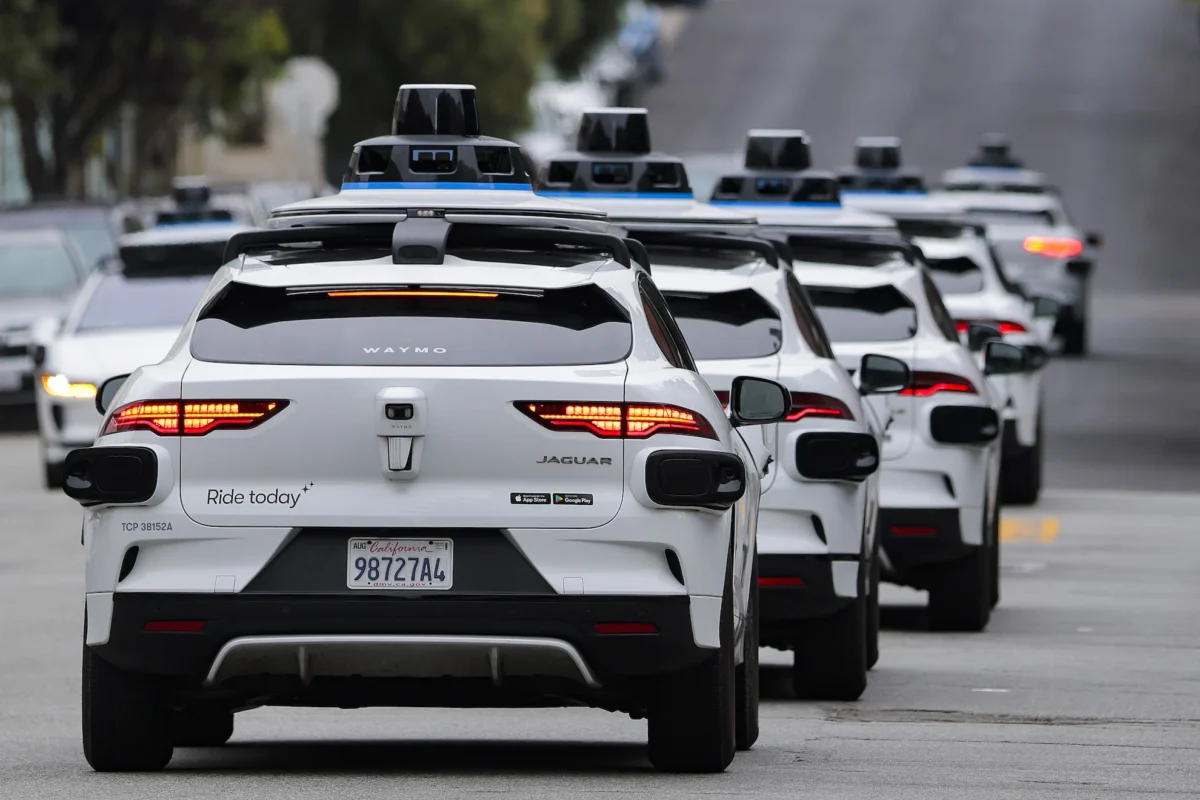
A recent TechCrunch investigation underscored the gravity of these concerns. Waymo, which currently commands the largest robotaxi fleet in the United States—with high-density operations in Los Angeles, San Francisco, and Phoenix—has faced a mounting tally of run-ins with emergency responders.
The pressure is mounting locally as well. San Francisco Supervisor Bilal Mahmood has announced plans to launch a formal inquiry into how autonomous vehicle behavior affected public transit and emergency response during the recent July 4 holiday. Following a fireworks display that triggered massive gridlock, reports surfaced that numerous Waymo vehicles were stranded on city streets after depleting their batteries, ultimately requiring professional towing services.
The Road Ahead
The NHTSA has demanded that developers present concrete, viable solutions by the end of the month. While the letter carries significant weight, the industry remains in a "wait-and-see" phase regarding whether the federal government will impose substantive, punitive consequences for failure to comply.

Policy Evolution: A New Regulatory Horizon
Beyond the immediate friction with first responders, the federal government is quietly paving the way for a post-steering-wheel era. The updated 2026 Regulatory Plan and Unified Agenda contains a comprehensive list of proposed revisions to the Federal Motor Vehicle Safety Standards (FMVSS).
These standards, which have historically dictated the design, safety, and equipment requirements for human-driven vehicles, are finally being re-evaluated. For companies like Tesla and Zoox, which are designing platforms entirely devoid of pedals or steering wheels, these regulatory updates are a potential lifeline. By aligning FMVSS with the realities of fully autonomous architectures, the government is signaling that it is preparing for a world where the "driver" is a relic of the past.
Market Pulse: Rivian’s Billion-Dollar Bet
While we often focus on the venture capital ecosystem, this week’s public markets activity is impossible to ignore. Rivian has successfully navigated a sale of 86.25 million Class A common shares, priced at $15.50 each. Including the underwriters’ option, the company is set to raise approximately $1.32 billion.
Why Now?
The timing of this capital raise is telling. Rivian recently began delivering its highly anticipated R2 SUV and has officially raised its sales forecast for 2026. The company now expects to deliver between 65,000 and 70,000 vehicles, driven by strong growth in its Commercial Van (EDV) and R1 segments, compounded by the R2 launch.
However, scaling production—especially for a new model—is an incredibly capital-intensive endeavor. As Rivian remains in its growth and scale-up phase, this cash injection provides a crucial buffer to ensure it meets its manufacturing targets without compromising on quality or development velocity.
Other Notable Deals
- Bidbus: The Los Angeles-based startup, which has developed a digital marketplace to pit dealerships against one another to secure the best price for a used car, secured $15 million in a Series A round led by Ibex Investors.
- Lyft’s Expansion: The ride-hailing giant announced its intent to acquire the Spanish bike-share business Serveo. While financial terms remain under wraps, the deal signals Lyft’s continued commitment to diversifying its urban mobility footprint.
- TaiSan’s Battery Pivot: The U.K.-based battery startup raised £4.65 million in a seed round. Their focus on sodium-ion technology represents a growing investor interest in battery chemistries that move beyond the limitations of traditional lithium-ion.
Industry Tidbits: From Data Breaches to Drone Expansion
- Cybersecurity Warning: AssuranceAmerica has confirmed a massive data breach, exposing the driver’s license numbers of 6.9 million individuals. This is the largest spill of such sensitive driver data this year, serving as a stark reminder of the security risks inherent in the digitized transportation sector.
- eVTOL Milestones: Beta Technologies has successfully completed operational flights under the FAA’s new eVTOL Integration Pilot Program. Covering 275 nautical miles across Virginia and Maryland, these flights mark a critical step toward the commercialization of electric vertical takeoff and landing aircraft.
- Drone Logistics: Ireland’s Manna Aero is doubling down on its U.S. expansion, announcing a new operations center in Tulsa, Oklahoma. The company projects the creation of 1,000 jobs in the coming years, underscoring the rapid maturation of autonomous drone delivery.
- The "Anti-Elon" Sentiment: In a unique twist on ETF (Exchange-Traded Fund) creation, new financial products have launched that explicitly exclude Tesla, catering to investors looking to avoid exposure to Elon Musk’s polarizing brand.
- Consumer Trends: Senior reporter Tim De Chant has raised a pertinent question regarding the Chevrolet electric truck: "Why is nobody buying it?" It’s a compelling look at the gap between corporate innovation and consumer market demand.
Build Mode: Empowering the Next Generation
Finally, I’d like to highlight the launch of the third season of the TechCrunch podcast Build Mode. Hosted by Isabelle Johannessen, who leads the Startup Battlefield program, the show provides a masterclass for early-stage founders.

Unlike our Equity podcast, which covers the broader financial landscape, Build Mode is laser-focused on the tactical, day-to-day challenges of building a company from the ground up. The season kicks off with an essential conversation with Charles Hudson of Precursor Ventures on the evolving rules of early-stage fundraising.
For any founders navigating the current economic climate, this episode is mandatory listening.
Got a tip or a story that needs covering? Reach out to me at [email protected] or ping me on Signal at kkorosec.07. You can also contact Sean O’Kane at [email protected].
Disclaimer: When you purchase through links in our articles, we may earn a small commission. This does not affect our editorial independence.