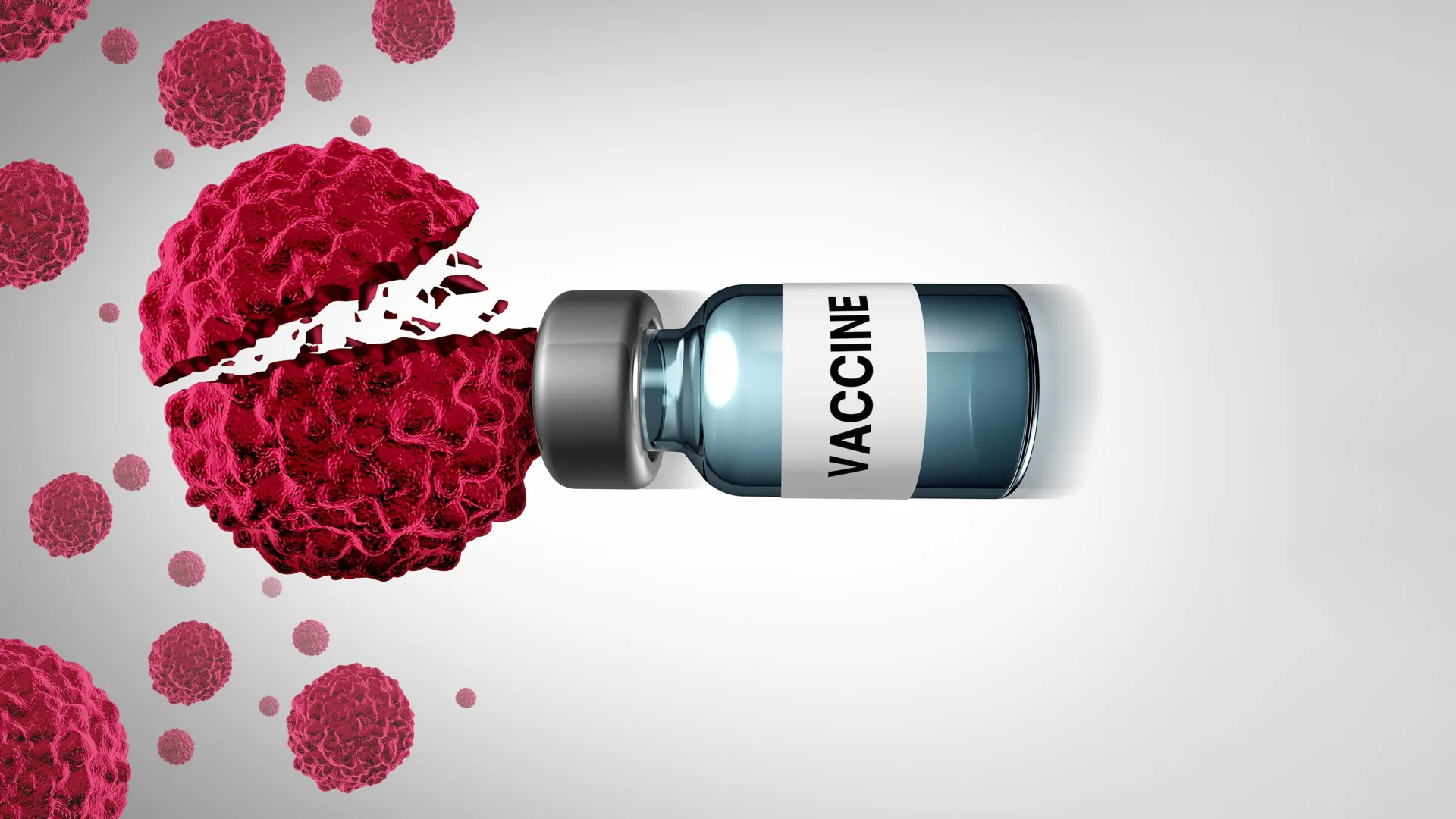
The global success of mRNA vaccines during the COVID-19 pandemic served as a watershed moment for modern medicine. By demonstrating that the human body could be taught to manufacture its own defenses against viral pathogens with unprecedented speed and precision, mRNA technology moved from a theoretical curiosity to a cornerstone of public health. Now, as the scientific community pivots toward oncology, this same Nobel Prize-winning platform is being repurposed to address humanity’s most formidable medical challenge: cancer.
Experimental mRNA vaccines are currently moving through clinical pipelines, targeting a diverse array of malignancies, including melanoma, small cell lung cancer, and bladder cancer. However, the transition from viral protection to tumor eradication is complex. A groundbreaking study published in the journal Nature by researchers at Washington University School of Medicine in St. Louis has revealed a critical, previously unknown mechanism of how these vaccines mobilize the immune system, potentially rewriting the rulebook for future cancer vaccine design.
The Mechanistic Breakthrough: Redundancy in the Immune Arsenal
At the heart of the research conducted at WashU Medicine is a fundamental question: How exactly does an mRNA vaccine "teach" the immune system to recognize a tumor?
mRNA vaccines function as biological blueprints. They deliver genetic instructions into the body’s cells, which then synthesize specific proteins. In the context of cancer, these proteins are chosen because they are "tumor-associated antigens"—molecular markers unique to the cancer cells themselves. Once these fragments are produced, the immune system—specifically, a class of white blood cells known as dendritic cells—is tasked with presenting these antigens to T cells. The T cells then undergo a transformation, becoming specialized hunters that track down and eliminate any cell carrying those specific markers.
For years, the scientific consensus centered on a single subset of dendritic cells, known as cDC1, as the primary architect of this immune response. It was widely believed that without cDC1 cells, the "presentation" process would fail, leaving the T cells blind to the tumor’s presence.
However, the team at WashU Medicine, led by senior author Kenneth M. Murphy, MD, PhD, and co-corresponding author William E. Gillanders, MD, discovered an unexpected level of resilience in the immune system. In experiments involving mouse models, the researchers found that even when cDC1 cells were absent, the mRNA vaccine remained remarkably effective. The immune system, it turns out, possesses a sophisticated backup system.
Chronology of Discovery: From Hypothesis to Validation
The journey to this discovery began with a desire to dissect the precise cellular interactions required for vaccine efficacy. The researchers utilized sophisticated genetic mouse models—animals engineered to lack specific subsets of dendritic cells—to determine the necessity of cDC1 versus their closely related counterparts, cDC2.
Phase I: Challenging the cDC1 Paradigm
The researchers first evaluated whether the absence of cDC1 cells would render the mRNA vaccine inert. Given the established literature, the team anticipated that mice lacking cDC1 would fail to mount a T cell response. The results were startling: the mice exhibited a robust T cell activation and successfully eradicated sarcoma tumors. This proved that cDC1 was not the sole gatekeeper of the anti-tumor immune response.
Phase II: Identifying the Backup
With the cDC1 theory challenged, the team pivoted to examine the role of cDC2 cells. Through subsequent tests, they discovered that when cDC1 cells were absent, cDC2 cells stepped in to fulfill the role of antigen presentation. When both cell types were present, they worked in tandem, but the system demonstrated remarkable "plasticity"—the ability to maintain function despite the loss of one primary component.
Phase III: The Mechanism of "Cross-Dressing"
The most innovative finding was the mechanism by which cDC2 cells perform this task. Unlike cDC1 cells, which produce the antigen internally, cDC2 cells were found to engage in a process called "cross-dressing." They effectively "borrow" the protein fragments from other cells that have read the mRNA instructions, display those fragments on their own surfaces, and then present them to T cells. This discovery reveals a level of coordination in the immune system that was previously under-appreciated.
Supporting Data: The "Molecular Fingerprint"
The study further enriched our understanding of immune coordination by analyzing the molecular profiles of the T cells activated by each dendritic cell subtype. By comparing the T cells trained by cDC1 versus those trained by cDC2, the researchers identified distinct "molecular fingerprints."
These differences suggest that the two cell types do not merely duplicate one another; rather, they perform complementary roles. While both are capable of launching an attack, the subtle variations in their output imply that a "complete" immune response—one that is both powerful and durable—may rely on the synergistic action of both cell populations.
The data indicates that while the immune system is highly redundant, the therapeutic efficacy of a vaccine might be optimized by targeting both pathways. This creates a new framework for researchers to analyze "non-responders" in clinical trials: if a patient’s specific dendritic cell composition is skewed, it could theoretically impact the success of the treatment, providing a new biomarker for patient stratification.
Official Responses and Scientific Perspective
The implications of these findings have resonated throughout the medical community, particularly for those involved in clinical oncology.
"There is a lot of interest in applying the mRNA vaccine approaches used during the COVID-19 pandemic to the problem of inducing anti-tumor immunity," said Dr. Kenneth M. Murphy, the Eugene Opie Centennial Professor of Pathology & Immunology at WashU Medicine. "By dissecting which immune cells are involved and how they coordinate the response, we’re offering vaccine developers some additional mechanistic insights to consider in their goal of optimizing these vaccines against tumor proteins."
Dr. William E. Gillanders, a surgical oncologist at Siteman Cancer Center who has been instrumental in developing vaccines for triple-negative breast cancer, emphasized the practical utility of the research:
"This work uncovers a new way mRNA vaccines engage the immune system—through both cDC1 and cDC2—which helps explain their power and gives researchers concrete targets for making future mRNA cancer vaccines more effective," Gillanders noted. "It could improve vaccine formulation and dosing, potentially explain why some patients respond better to vaccines than others, and guide strategies for making vaccines more effective."
Future Implications: Toward Precision Immunotherapy
The findings from the Washington University team represent a significant leap forward in the field of precision medicine. By shifting the focus from a "single-pathway" model of immune activation to a "network-based" model, the research provides a roadmap for the next generation of cancer therapies.
1. Refined Vaccine Formulation
Future mRNA vaccines may be formulated not just to trigger a generic immune response, but to specifically engage both cDC1 and cDC2 pathways. By optimizing the delivery of the mRNA to reach both types of dendritic cells, developers could increase the magnitude and longevity of the anti-tumor response.
2. Patient Stratification
The discovery that different dendritic cell subsets lead to distinct molecular fingerprints in T cells could explain the variability in clinical trial outcomes. Future studies may involve pre-vaccination screening of patients to determine the prevalence of these dendritic cells, allowing for more personalized treatment protocols.
3. Combination Therapies
The knowledge that cDC2 cells utilize "cross-dressing" to present antigens suggests that we can design therapies to enhance this specific process. If researchers can boost the efficiency of cross-dressing, they might be able to overcome the immune suppression often observed in the tumor microenvironment.
Conclusion
As mRNA technology moves from the realm of infectious disease into the complex landscape of oncology, the importance of foundational research—like that conducted at WashU Medicine—cannot be overstated. By demystifying the hidden cellular dialogue between dendritic cells and T cells, scientists are gaining the leverage needed to turn the immune system into a more precise, reliable, and potent weapon against cancer.
While the path to a universal cancer vaccine remains long and rigorous, the revelation that our immune systems are more flexible and robust than previously imagined offers a profound sense of optimism. The discovery that cDC1 and cDC2 cells work in a complex, complementary partnership provides not just a new scientific fact, but a new set of tools for the future of medicine. We are no longer just delivering instructions to the body; we are learning how to speak the language of the immune system itself.