For decades, the food industry has marketed low-calorie and artificial sweeteners as "biologically inert" shortcuts—substances that provide the sensory reward of sugar without the metabolic baggage of calories. However, a groundbreaking study from the University of Cambridge’s Medical Research Council (MRC) Toxicology Unit suggests that these sweeteners are far from passive passengers in our digestive tracts.
Published in the journal Molecular Systems Biology, the research reveals that common sweeteners can directly interfere with the growth of gut bacteria, with their effects significantly amplified or dampened when combined with everyday substances, including medications and food additives. These findings open a new chapter in nutritional science, suggesting that the "zero-calorie" promise may overlook complex, unintended consequences for the human microbiome.
The Core Findings: Rethinking "Metabolically Neutral"
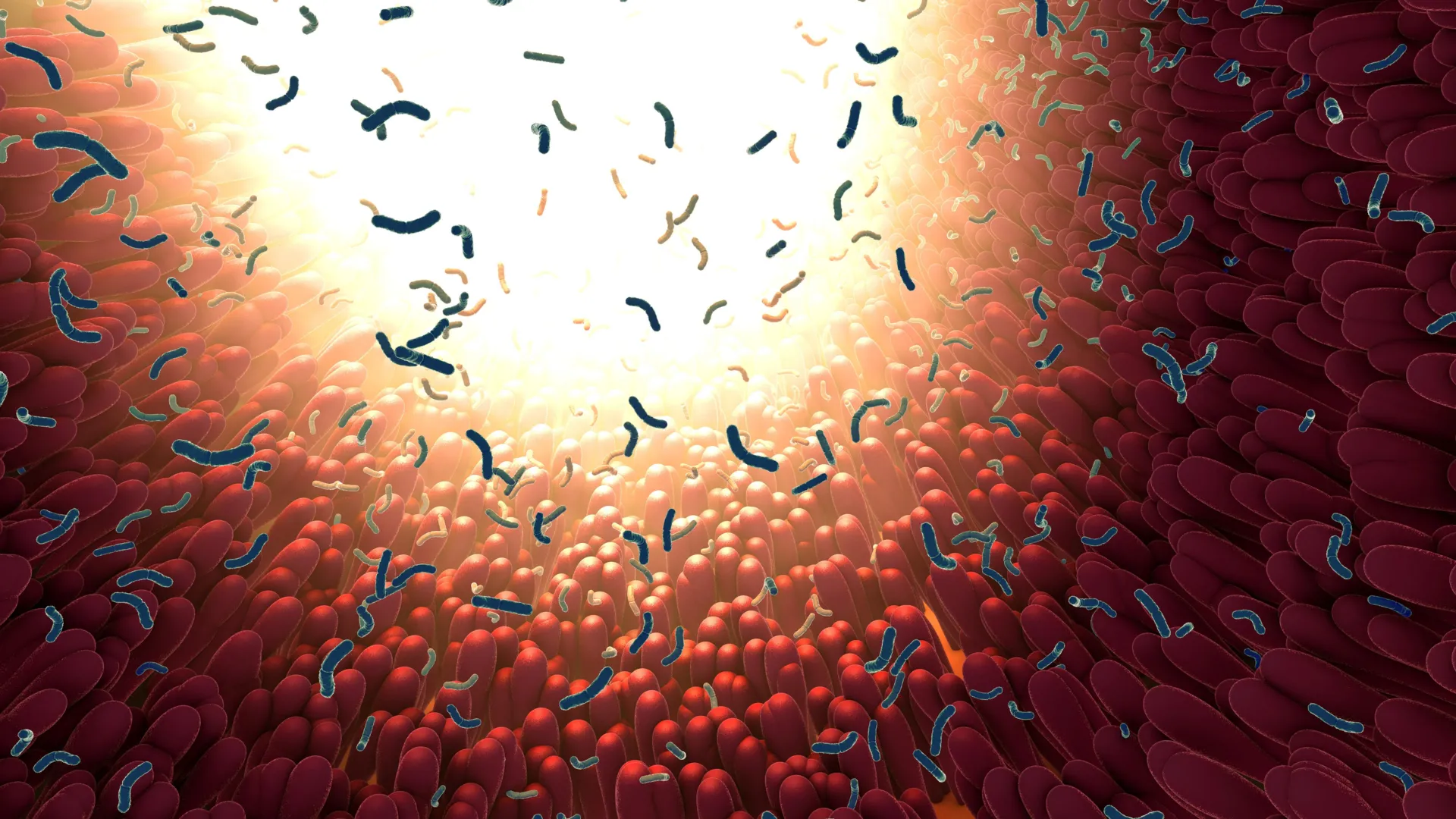
The primary takeaway from the Cambridge study is that sweeteners are not simply ignored by the trillions of microorganisms residing in the human digestive system. Instead, they act as environmental modifiers that can alter the composition of the gut microbiome.
Researchers tested 39 commercially available sweeteners—ranging from traditional artificial varieties to natural, plant-derived alternatives—against 25 distinct species of gut bacteria. The results were striking: approximately 75% of the sweeteners tested had a detectable impact on the growth of at least one bacterial species. In several instances, the presence of a sweetener completely halted the growth of bacteria known to be beneficial for digestive health, blood sugar regulation, and immune system modulation.
This discovery challenges the long-standing assumption that these substances pass through the human body without engaging with the complex, living ecosystem of the gut. By proving that sweeteners interact directly with microbial life, the researchers have provided a mechanistic bridge to explain the long-observed, yet poorly understood, links between sweetener consumption and metabolic disorders like type 2 diabetes and obesity.
Chronology: From Lab Bench to Microbiome Mapping
The research process, led by Dr. Sonja Blasche and Professor Kiran Patil, followed a meticulous path of biological inquiry:
- Initial Screening (25 Species): The team began by isolating 25 bacterial species—representing a mix of beneficial, neutral, and potentially harmful microbes—and exposing them to 39 different sweeteners. They monitored the growth rates of these cultures to identify immediate inhibitory effects.
- Contextual Complexity (100+ Interactions): Recognizing that humans rarely consume sweeteners in isolation, the researchers introduced "real-world" variables. They paired sweeteners with common additives like caffeine, vanillin, and eight widely prescribed medications. They identified over 100 cases where the presence of these secondary compounds fundamentally changed how the sweetener affected the bacteria.
- Synthetic Community Construction: To mimic the crowded, competitive nature of the human gut, the team moved beyond single-species testing. They constructed a "synthetic community" containing all 25 bacterial species, allowing them to observe how the entire ecosystem responded to chemical stress.
- Assessing Functional Impact: The final phase involved analyzing how the altered bacterial populations interacted with human cells. The researchers specifically looked for signs of increased toxicity or disrupted immune signaling, providing a glimpse into how these microbial shifts might translate to human health outcomes.
Supporting Data: The Duloxetine-Isosteviol Synergy
The most alarming data point to emerge from the study involved the interaction between isosteviol—a sweetener used in various food and beverage products—and duloxetine, a common antidepressant prescribed for depression, anxiety, and chronic pain.
When these two compounds were introduced together, the researchers observed a sharp, synergistic suppression of two critical bacterial species: Roseburia intestinalis and Parabacteroides merdae. Both species are considered foundational to a healthy gut, serving as key players in fiber fermentation, the production of anti-inflammatory short-chain fatty acids, and the regulation of glucose metabolism.
In 2023 alone, more than 4.2 million Americans received prescriptions for duloxetine. Given the ubiquity of both the medication and the sweetener, the researchers warn that the potential for these "unintended cocktail effects" is high. In the synthetic community tests, this specific combination not only reduced the overall diversity of the microbiome—a hallmark of poor gut health—but also triggered downstream effects that increased toxicity toward human cell models and hampered the body’s natural inflammatory response.
Official Responses and Expert Perspectives
The research team is careful to place these findings within the context of current scientific knowledge. They emphasize that while the laboratory results are robust, they are not a definitive verdict on human health.
Professor Kiran Patil, senior author of the study, highlighted the difficulty of previous research: "Most of what we know about the potential impact of sweeteners comes from animal models or population-based studies. While these studies have indicated that the microbiome plays a role, it has been nearly impossible to pinpoint whether the effect is a direct interaction between the sweetener and the bacteria."
Dr. Sonja Blasche, lead author of the study, added: "Sweeteners are often marketed as metabolically neutral, but our study challenges this idea. We found that they can directly affect gut bacteria, particularly when mixed with other compounds. We rarely consume sweeteners by themselves—we take them with drinks, in snacks, or even in medication to mask bitterness. These common combinations could have unintended effects on our gut microbiome."
The researchers stress that the human digestive system is far more complex than a laboratory dish. Factors such as the chemical absorption rate, the dilution effect of stomach acid, and individual genetic variability mean that what happens in a lab-grown culture may not perfectly mirror what happens inside the human body.
Implications: The Future of Dietary Guidelines
The implications of this research are far-reaching, potentially forcing a paradigm shift in how food safety and pharmaceutical regulations are evaluated.
1. Reassessing "GRAS" Status
Many sweeteners are classified as "Generally Recognized as Safe" (GRAS) based on their individual safety profiles. The Cambridge study suggests that this regulatory framework might be insufficient because it fails to account for the "cocktail effect"—the interaction between sweeteners and other common dietary or medicinal substances.
2. Personalized Nutrition and Medicine
If individual gut microbiomes respond differently to these chemical combinations, it could help explain why some people experience gastrointestinal distress or metabolic shifts while others do not. This points toward a future where medication and diet are prescribed with an eye toward microbial health, considering the patient’s existing microbiome composition.
3. A Call for Human-Centric Research
The researchers acknowledge that the next phase of this work must be clinical. "Our study suggests that artificial sweeteners don’t just pass through the body passively," says Professor Patil. "They can interact with gut microbes, and these effects can be amplified or altered by other substances. These findings provide a clear roadmap for future human clinical trials to determine the dose-dependency and the actual health impact of these interactions."
4. Public Health Awareness
For the average consumer, the study serves as a reminder that the gut is an active, responsive environment. While the findings are not a reason to panic, they do suggest that a diet heavily reliant on processed, sweetener-laden foods—especially for those on chronic medication—may be unknowingly stressing their microbiome.
Conclusion: A Complex Ecosystem Under Pressure
The research from the University of Cambridge represents a significant step forward in understanding the "invisible" side of our diet. By moving beyond the simple "calorie-in, calorie-out" model, scientists are beginning to map the complex chemical web that exists within our digestive systems.
While it remains to be seen how these laboratory findings translate into clinical health outcomes, the study serves as a critical warning: the additives we consume are not biologically passive. As we continue to rely on the food industry to provide healthier alternatives to sugar, it is imperative that we also demand a deeper understanding of how these chemical substitutes interact with the vital, microscopic communities that sustain our health. Future research, funded by initiatives like the European Union’s Horizon 2020 program and the UK Medical Research Council, will likely focus on bridging the gap between these laboratory observations and real-world human health, potentially leading to more informed dietary guidelines for a more complex, chemically diverse world.