TEHRAN/WASHINGTON — New investigative reports have pulled back the curtain on a regime in crisis, revealing that Iran’s top leadership is locked in a bitter internal struggle as a U.S.-led naval blockade pushes the nation’s economy toward total collapse. According to senior Iranian officials and leaked assessments, the Islamic Republic is facing an existential crossroads: accept a humiliating diplomatic compromise or face a domestic implosion that could occur as early as late August.
At the heart of this geopolitical drama is a rare and high-stakes confrontation between the country’s pragmatist president, Masoud Pezeshkian, and the Supreme Leader, Ayatollah Ali Khamenei. The tension highlights a government fractured by the suffocating weight of renewed American "maximum pressure," now manifested in a physical blockade of the world’s most critical energy artery.
Main Facts: A Regime Under Siege
The current crisis was catalyzed by a detailed report from the New York Times, which cited senior Iranian officials describing a series of frantic, closed-door meetings within the halls of power in Tehran. These reports indicate that the Iranian economy is no longer merely "struggling" but is effectively "on the ropes."
The Presidential Ultimatum
President Masoud Pezeshkian, who campaigned on a platform of cautious engagement and economic stabilization, has reportedly reached his breaking point. Sources indicate that Pezeshkian personally approached Supreme Leader Ayatollah Khamenei with a stark ultimatum: if the regime does not approve a Memorandum of Understanding (MOU) to reopen the Strait of Hormuz and extend the current ceasefire, he will resign.
Pezeshkian’s stance represents a significant rift within the Iranian elite. While hardliners within the Islamic Revolutionary Guard Corps (IRGC) advocate for continued military defiance, Pezeshkian has argued that the U.S. naval blockade has effectively "crippled" the nation’s ability to function. For the President, the MOU is not a choice but a survival mechanism.
The Central Bank’s Warning
Compounding the political pressure is a dire technical assessment from the head of Iran’s Central Bank. In a formal letter to Khamenei, the bank chief warned that the country is facing an unprecedented budget crisis. The report suggests that Iran’s traditional methods of bypassing sanctions—such as using "ghost fleets" and alternative trade routes—are no longer yielding the necessary volumes of revenue.
Most alarmingly, the Central Bank warned that if the blockade is not lifted, Iran will exhaust its reserves of critical food and medical supplies by late August. This timeline places the regime on a countdown toward potential domestic unrest, as the civilian population begins to feel the full weight of the supply chain collapse.
Khamenei’s Reluctant Blessing
The combined weight of the President’s resignation threat and the Central Bank’s bleak economic forecast appears to have forced the Supreme Leader’s hand. Despite stating that he remains opposed to the agreement "on principle," Khamenei has reportedly given his blessing for officials to proceed with the MOU. This reluctant endorsement suggests that even the most ideologically rigid elements of the regime recognize that the current path leads to a systemic breakdown.
Chronology: The Road to the Blockade
The current escalation is the result of a rapidly deteriorating security situation in the Persian Gulf over the past several months.
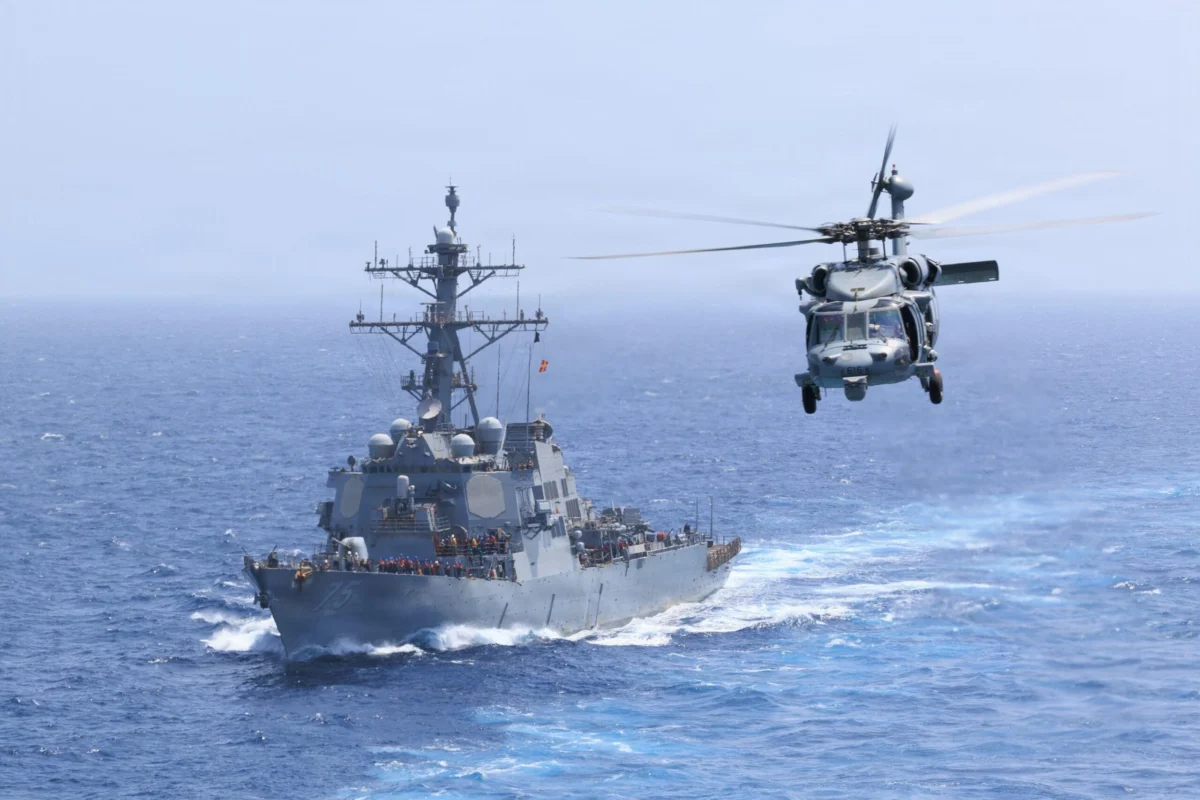
- Mid-April to Mid-June: The United States, under the direction of President Donald Trump, initiated a rigorous naval blockade aimed at stopping all Iranian oil exports. During this sixty-day window, U.S. naval assets redirected 139 ships suspected of carrying Iranian crude and successfully disabled nine vessels that attempted to breach the perimeter.
- Late June: A temporary ceasefire was brokered, leading to a Memorandum of Understanding (MOU). This agreement allowed for a brief period of relative calm and the limited movement of goods, providing Tehran with a temporary "revenue windfall" as it sold off stored oil.
- July 4th: The New York Times publishes its investigation into the internal divisions in Tehran, coinciding with the funeral of a high-ranking official, which served as a backdrop for these political fractures.
- Present Day: President Trump has declared the ceasefire officially over. Military skirmishes have renewed in the Strait of Hormuz. Iran is currently attempting to secure an "alternate route" that hugs the coast of Oman to bypass the U.S.-monitored channels, while the U.S. considers reimposing the full blockade.
Supporting Data: The Economic and Military Toll
The effectiveness of the U.S. naval blockade has surprised many geopolitical analysts who believed Iran’s "shadow fleet" was too sophisticated to be stopped. However, the data suggests otherwise.
Maritime Impact
According to shipping data and military reports, the two-month blockade (April–June) saw:
- 139 Tankers Intercepted: These vessels were forced to change course, preventing millions of barrels of oil from reaching international markets.
- 9 Vessels Disabled: Non-compliant ships faced kinetic or electronic interference, signaling a shift from "legal sanctions" to "active enforcement."
- Chokepoint Control: While Iran has historically threatened to close the Strait of Hormuz, the U.S. and its allies have successfully established a counter-route along the Omani coast. This has effectively inverted the leverage, placing the "energy chokepoint" under U.S.-backed control.
Revenue and Infrastructure
The financial impact has been devastating. Oil revenue remains the lifeblood of the Iranian state. By cutting off the flow of tankers, the U.S. has:
- Forced Production Halts: With no way to export, Iran’s domestic storage facilities reached capacity, forcing the regime to shut down crude production at several sites—a process that is expensive and difficult to reverse.
- Exhausted Reserves: The Central Bank’s warning about a late-August depletion of food and medicine indicates that Iran’s "rainy day" funds have been spent trying to stabilize the rial and subsidize basic goods during the blockade.
Official Responses and Strategic Perspectives
The international community and various stakeholders have offered a range of perspectives on the unfolding crisis.
The Iranian Representation
When contacted for comment regarding the leaked reports of Pezeshkian’s resignation threat and the Central Bank’s letter, Iran’s representative to the United Nations did not immediately respond. Historically, the regime has sought to project an image of "heroic resilience," making the admission of economic "dire conditions" particularly sensitive.
The American Stance
President Donald Trump has maintained a hardline stance, using the blockade as a primary tool of statecraft. By declaring the ceasefire over, the U.S. administration is signaling that it believes the current pressure will lead to a "better deal" or a total capitulation. The looming U.S. midterms are also a factor, as the administration seeks to demonstrate foreign policy strength without committing to a full-scale ground war.
Geopolitical Analysis: Alpine Macro
Dan Alamariu, chief geopolitical strategist at Alpine Macro, suggests that the current military strikes and counter-strikes are a form of violent negotiation. "Both sides need a deal soon given domestic vulnerabilities," Alamariu noted. He argues that the U.S. is currently pursuing the "path of least resistance"—grinding Iran down economically rather than launching a full-scale invasion. However, he warns that if the MOU is not reaffirmed, the U.S. may position itself to "pry open the strait by military force."
The "Maximum Pressure" Advocates: Brookings Institution
Robin Brooks, a senior fellow at the Brookings Institution, argues that the first iteration of the blockade was actually too lenient. He points out that allowing empty tankers to enter the Gulf allowed Iran to use them as floating storage, which gave the regime a "buffer."
Brooks suggests that a second iteration of the blockade should be significantly more aggressive, including:
- Banning Empty Tankers: Preventing the entry of vessels that could be used for future storage.
- Sabotage of Infrastructure: Suggesting that storage tanks and export terminals could be disabled to ensure that even if the blockade is lifted, Iran cannot immediately resume sales.
Implications: A Summer of Uncertainty
As the August deadline approaches, the implications of this standoff extend far beyond the borders of Iran.
Global Energy Markets
The Strait of Hormuz remains the world’s most important oil chokepoint. Any prolonged military skirmish or a total reinstatement of the blockade could send global oil prices into a period of extreme volatility. While the U.S. has sought to mitigate this by protecting alternate routes near Oman, the risk of "asymmetric warfare" from the IRGC—including the use of mines and drone swarms—remains high.
The Future of the Iranian Presidency
President Pezeshkian’s political future is now tied directly to the success of the MOU. If the hardliners successfully block the agreement and the economy collapses in August, his resignation would likely lead to a period of political chaos or the installation of a military-led caretaker government. This would likely end any hopes of a diplomatic "thaw" for the foreseeable future.
The Logic of Escalation
As Dan Alamariu explained, the current strikes are a way for both Washington and Tehran to establish "greater leverage" at the bargaining table. However, the line between "bargaining" and "all-out conflict" is thinning. With the Central Bank’s "August deadline" looming, the Iranian regime is running out of time to play the long game.
Ultimately, the world is watching to see if the Supreme Leader’s "blessing" of the MOU will lead to a permanent peace or if the hardliners in both Washington and Tehran will push the situation toward a second, more destructive iteration of the naval blockade. For the people of Iran, the stakes are not merely political—they are a matter of basic survival as food and medicine supplies dwindle.