The geopolitical landscape of the Middle East has once again become the primary driver of global market anxiety. This week, a series of fresh hostilities between the United States and Iran has sent Brent crude prices climbing, casting a shadow over what was previously hoped to be a period of de-escalation. As Brent crude settles back around the $77-per-barrel mark, analysts are grappling with a familiar question: Is the current volatility a calculated maneuver of "maximum pressure" designed to force a deal, or is the region sliding toward an uncontrollable conflagration?
Main Facts: A Volatile Intersection of Energy and Diplomacy
The current crisis is defined by a paradoxical mix of military strikes and diplomatic signals. Despite an ostensible ceasefire, the U.S. and Iran have engaged in multiple "tit-for-tat" exchanges over the past seven days. These military encounters have centered on strategic corridors, most notably the Strait of Hormuz, where oil tankers have begun to show increasing reluctance to transit.
Key data points defining the current situation include:
- Oil Price Fluctuations: Brent crude has climbed to $77 a barrel. While this is significantly lower than the $113 peak seen in May, it remains elevated relative to the $70 levels seen at the start of the year.
- Shipping Stalls: Reports indicate a slowdown in tanker traffic through the Strait of Hormuz, a chokepoint through which approximately one-fifth of the world’s total oil consumption passes.
- Market Sentiment: The VIX volatility index, often referred to as Wall Street’s "fear gauge," is creeping upward, though it has not yet reached the panic levels witnessed at the onset of the conflict.
- Diplomatic Stasis: Official negotiations are described as "stalled," yet neither Washington nor Tehran has officially walked away from the table, leaving a narrow "off-ramp" for potential resolution.
Chronology: From Ceasefire to Escalation
To understand the current friction, one must look at the timeline of the last several months, which has been characterized by a fragile truce followed by a rapid breakdown in trust.
The Erosion of the Ceasefire (Early Year to Present)
The year began with a tentative agreement aimed at reducing regional friction to allow for broader nuclear and trade negotiations. However, by late Spring, this "supposed ceasefire" began to fray. In May, oil prices spiked to $113 as rhetoric sharpened, though they eventually cooled as both sides signaled a willingness to talk.
The Current Flare-Up (This Week)
The past week marked a significant departure from the relative calm of the summer. Following a series of unclaimed drone strikes and maritime interceptions, the U.S. conducted retaliatory strikes against Iranian-backed interests. Iran responded with increased naval presence in the Strait of Hormuz.
The Historical Mirror: The 2018-2019 Parallel
Analysts, including those at Oxford Economics, have noted that this pattern is "eerily similar" to the tactics employed during Donald Trump’s first term. Specifically, the 2018-2019 period saw a cycle of extreme pressure—including the withdrawal from the JCPOA and the imposition of heavy tariffs on other global players like China—followed by moments of sudden de-escalation. This "Trump Playbook" relies on creating a sense of imminent crisis to force a more favorable bargaining position.
Supporting Data: Economic Indicators and Forecasts
While the headlines suggest chaos, the underlying economic data provides a more nuanced view of how the market is pricing in the risk of war.
Oil Price Trajectory
According to data from Oxford Economics, the baseline forecast for oil remains relatively conservative despite the headlines. Their projections suggest:
- End of Q3: $73 per barrel.
- End of Year: $70 per barrel.
This forecast is predicated on the assumption that the Strait of Hormuz will not face a "sustained standstill." If the Strait were to be closed for a significant period, analysts warn that prices could easily surge back into the triple digits, reigniting global inflationary pressures that central banks have only recently begun to tame.
The VIX and Wall Street Optimism
Despite the "geopolitical bumps," Wall Street remains surprisingly resilient. Markets are up month-to-month, suggesting an "optimism bias." Investors appear to be betting that the current hostilities are a theatrical component of negotiations rather than a prelude to total war. The VIX index is rising but remains below the "eye of the storm" levels seen in previous years, indicating that while traders are nervous, they are not yet in a state of flight.
Trade Volume Risks
The Strait of Hormuz remains the ultimate "wild card." Approximately 20 million barrels of oil per day flow through this narrow passage. Any sustained disruption would not only affect oil prices but would also impact the global supply of Liquefied Natural Gas (LNG), particularly from Qatar, further complicating the energy security of Europe and Asia.
Official Responses: Rhetoric vs. Reality
The public statements from both the White House and the Iranian leadership reflect a calculated duality.
The U.S. Position
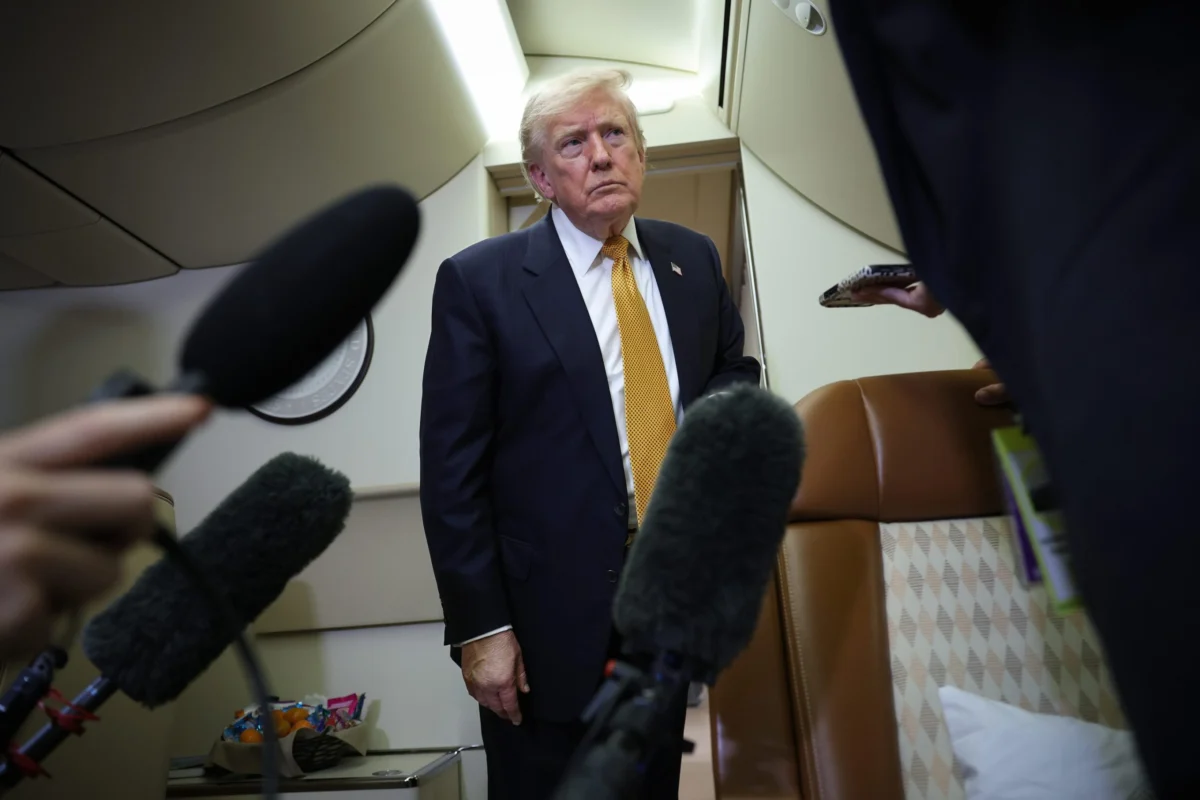
The Trump administration has maintained a firm, often aggressive tone. President Trump has oscillated between dismissing negotiations as a "waste of time" and insisting that he is the only one capable of reaching a "grand deal."
Ben May, Director of Global Macro Research at Oxford Economics, notes that Trump "maintained an off-ramp by noting that U.S. negotiators would continue talks with Iran, suggesting the truce hasn’t been irrevocably broken." This suggests that the administration’s public vitriol is a tool of leverage rather than a declaration of intent for all-out war.
The Iranian Response
Tehran has mirrored this "tit-for-tat" strategy. While their military maneuvers in the Gulf are designed to show strength and the ability to disrupt global markets, Iranian diplomats continue to engage with intermediaries. Their strategy appears to be one of "strategic patience" combined with "active resistance," ensuring that the cost of U.S. pressure is felt globally through energy prices.
Expert Analysis
"Deep distrust between the U.S. and Iran meant bumps in the road were inevitable," Ben May wrote in a recent note. He argues that the current situation is a "similar playbook" to the China trade war, where tariffs and threats eventually led to the "Phase One" agreement in 2020. The difficulty for markets, however, lies in the "associated difficulty in pricing in the relative likelihood of different scenarios playing out."
Implications: Inflation, Energy, and Global Stability
The outcome of this standoff has profound implications that extend far beyond the borders of the Middle East.
1. The Threat of Reflation
The primary concern for global economists is the "inflation impact." If oil prices spike due to a sustained disruption in the Strait of Hormuz, the progress made by the Federal Reserve and other central banks in lowering inflation could be reversed. Higher energy costs act as a "tax" on consumers, reducing discretionary spending and potentially tipping fragile economies into recession.
2. The "Off-Ramp" vs. "The Eye of the Storm"
The critical question is whether we are witnessing a "bump in the road" or if the world is "emerging from the eye of the storm" into a more violent phase of the conflict. Oxford Economics suggests that as long as both sides see a benefit in avoiding a total standstill in the Strait, a baseline of $70-$73 oil is achievable. However, the "balance of risks" is currently skewed toward the upside.
3. Geopolitical Precedents
If the "Trump Playbook" succeeds in forcing Iran to the table for a new, more restrictive deal, it could validate a new era of "coercive diplomacy." However, if the strategy fails and leads to an accidental escalation, it could lead to a "sustained disruption" scenario that the global economy is ill-equipped to handle.
4. Market Volatility as the "New Normal"
For investors, the implication is a sustained period of volatility. The difficulty in "pricing in" geopolitical risk means that sudden swings in energy prices and equity markets will likely continue. The "déjà vu" felt by analysts regarding the China trade war suggests that until a "Phase One" style agreement is reached with Tehran, the market will remain on a knife-edge.
Conclusion
The current U.S.-Iran friction is a high-stakes game of geopolitical poker. While the military strikes and stalled tankers suggest a region on the brink, the underlying diplomatic channels and historical precedents suggest a more calculated—albeit dangerous—method of negotiation. For now, the global economy watches the Strait of Hormuz and the Brent crude tickers with bated breath, hoping that the "off-ramp" remains open and that the "Trump Playbook" leads to a deal rather than a disaster. As Ben May of Oxford Economics concludes, it is "too early to conclude that a major and sustained surge in oil prices is more likely than not," but the margin for error has never been thinner.