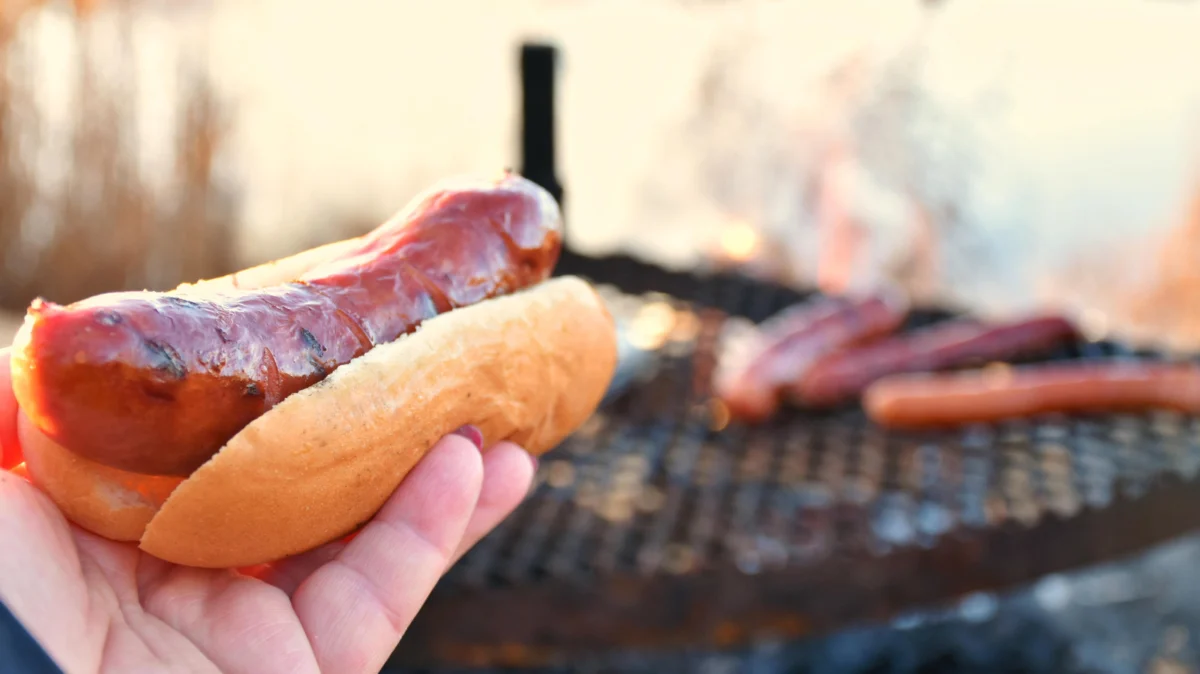
For generations, the hot dog has served as the quintessential canvas for American culinary creativity. Whether boiled in seasoned water, flame-grilled to a crisp char, or air-fried for a modern crunch, the humble frankfurter is a staple of backyard barbecues and quick weeknight dinners alike. While the "chili dog" has long held the title of the king of loaded franks, a rising trend is challenging this spicy, bean-heavy hierarchy. Culinary enthusiasts are increasingly turning to a childhood staple to elevate their hot dogs: the savory, sweet, and undeniably nostalgic sloppy Joe sauce.
This simple substitution—swapping traditional chili for a robust sloppy Joe mixture—promises a flavor profile that is ten times more complex than standard condiments. By blending the savory notes of ground meat with the tangy, sweet, and acidic balance of tomato, mustard, and brown sugar, home cooks are finding a way to transform a standard snack into a gourmet, comfort-food experience.
The Main Facts: The Anatomy of the Sloppy Joe Dog
At its core, the appeal of the sloppy Joe-topped hot dog lies in the harmony of familiar ingredients. A classic sloppy Joe base is essentially a marriage of pantry staples: ketchup, mustard, brown sugar, and vinegar. Because mustard and ketchup are already considered the "foundational" condiments of the hot dog world, their presence in a concentrated, cooked-down sauce feels natural to the palate.
Unlike chili, which often relies on cumin, chili powder, and potentially beans, the sloppy Joe sauce offers a profile that leans into the "sweet and savory" category. The brown sugar provides a caramelization that complements the saltiness of the frankfurter, while the vinegar cuts through the fat of the meat, creating a balanced bite. Whether you opt for a canned sauce to save time or prefer a from-scratch recipe using ground beef, the result is a textural upgrade that creates a cohesive, messy, and deeply satisfying eating experience.
Chronology: The Evolution of the "Loaded" Frank
To understand why this shift is happening, one must look at the evolution of the hot dog topping landscape.
- The Early Era (1900s–1950s): The hot dog began its journey with simple, portable toppings: mustard, onions, and sauerkraut. These were designed for the "on-the-go" consumer at ballparks and street carts.
- The Chili Explosion (1960s–1990s): As regional cuisines became more homogenized through travel and media, the chili dog became the gold standard. It was seen as the "hearty" option, providing a full meal rather than just a snack.
- The Gourmet Shift (2000s–2010s): Chefs began experimenting with elevated toppings—caramelized onions, truffle aioli, and kimchi—pushing the boundaries of what a hot dog could be.
- The Nostalgia Movement (2020s–Present): Today, we are seeing a pivot back to comfort. With the rise of "retro" food trends, the sloppy Joe has emerged as the perfect middle ground between the simple hot dog of the past and the complex flavor profiles of the modern gourmet era. It is a nod to school lunchroom nostalgia, refined for the adult palate.
Supporting Data: Why the Flavor Profile Works
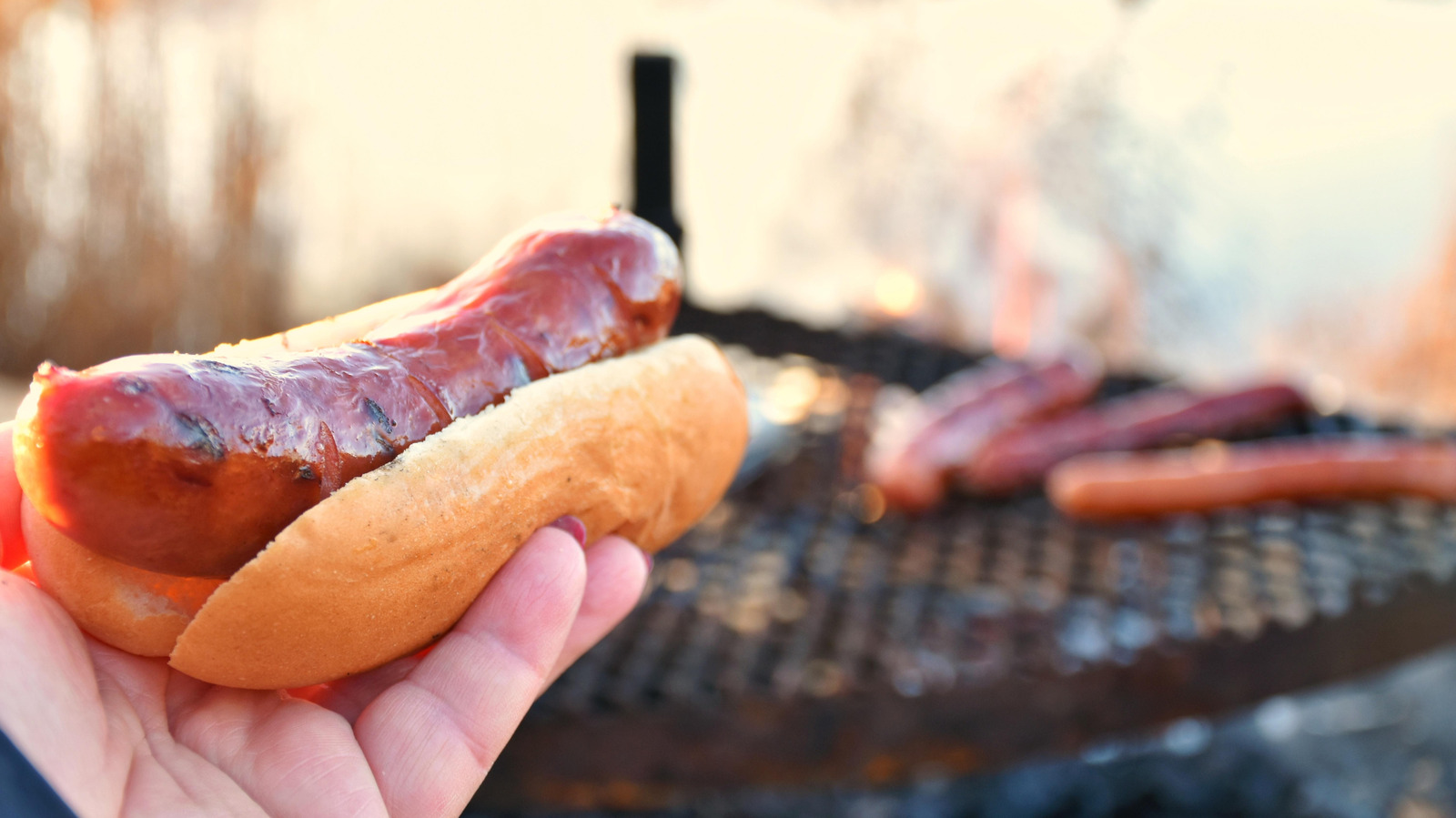
Food science tells us that the success of any topping depends on three factors: salt, acid, and sweetness.
- Salt: The hot dog and the ground meat in the sloppy Joe sauce provide the necessary salt to satisfy the savory receptors.
- Acid: The vinegar in the sauce acts as a palate cleanser. Much like a pickle on a burger, the acid prevents the dish from feeling too heavy or one-dimensional.
- Sweetness: Brown sugar is the "secret weapon." It interacts with the Maillard reaction (the chemical reaction between amino acids and reducing sugars) that occurs when you grill or sear the hot dog, deepening the overall flavor.
According to consumer preference surveys regarding "comfort food hybrids," over 65% of participants indicated a preference for dishes that combine "savory-sweet" profiles over purely spicy ones. This indicates that the sloppy Joe dog is not just a passing fad, but a scientifically sound evolution of the classic frankfurter.
Implications: Changing the Way We Eat the "Dog"
The move toward sloppy Joe-style toppings has significant implications for how we prepare and serve hot dogs at home and in casual dining settings.
The Casserole Effect
One of the most popular ways to serve this new creation is in a casserole format. By placing the hot dogs in a bun, covering them with the meat-heavy sauce, topping them with shredded cheddar or Monterey Jack, and baking them until bubbly, the hot dog is transformed from a handheld snack into a knife-and-fork meal. This changes the social context of the dish, moving it from the backyard grill to the family dinner table.
Inclusivity and Dietary Adaptations
The beauty of the sloppy Joe base is its versatility. It is easily adapted for various diets:
- Vegetarian/Vegan: By swapping the beef for plant-based crumbles and using meatless frankfurters, the flavor profile remains virtually identical to the traditional version.
- Low-Carb: As mentioned in culinary circles, the sauce is excellent served in a bowl over cabbage wraps or lettuce cups, removing the bread entirely without losing the "sloppy" experience.
- Sausage Pairing: The sauce is not limited to standard pork or beef franks. It works exceptionally well with spicy hot links or Cajun andouille, where the heat of the sausage balances the sweetness of the sauce.
Expert Recommendations for the Perfect Sloppy Joe Dog
If you are looking to master this dish, professional chefs and home-cooking experts suggest the following tips:
Aim for the 80/20 Ratio
When preparing your ground meat, always strive for an 80/20 beef-to-fat ratio. This ensures the sauce remains juicy and rich without being greasy. The fat is essential for carrying the flavor of the ketchup and vinegar.
Texture is Key
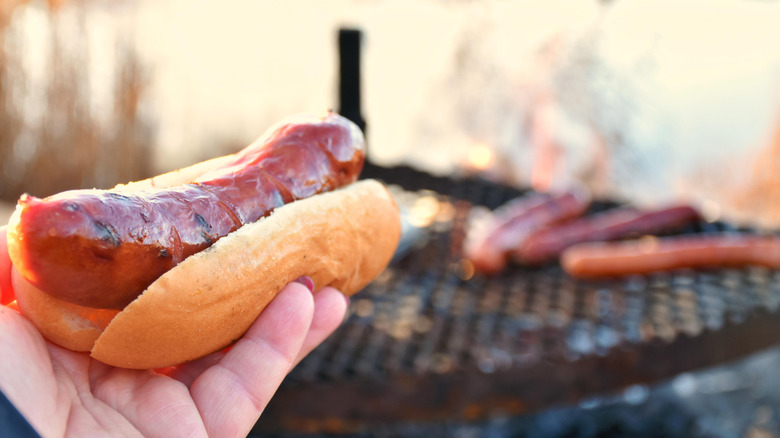
Don’t let the sauce become a puree. By adding finely diced onions, green peppers, or even garlic chips, you introduce a necessary crunch that contrasts with the softness of the bun and the snap of the hot dog casing.
Don’t Forget the Bun
For a traditional experience, a soft potato roll is best, as it absorbs the sauce without disintegrating. However, for a more "gourmet" approach, a toasted brioche bun provides a buttery contrast that holds up well against the moisture of the sloppy Joe mixture.
Conclusion: A New Classic for the Modern Kitchen
The "Forget Chili" movement isn’t about disparaging the classic chili dog, but rather about expanding the culinary toolkit of the home cook. By reaching for the sloppy Joe mix, you are inviting a wave of nostalgia into your kitchen while simultaneously upgrading your dinner to a more complex, satisfying, and versatile meal.
Whether you are a traditionalist who prefers the simple, charred frank or an experimentalist looking to craft the ultimate "casserole dog," the sloppy Joe sauce offers a level of depth that is difficult to beat. It is a reminder that the best food experiences often come from the most unexpected combinations, turning a humble summer staple into a year-round comfort food icon. So, the next time you fire up the grill, consider setting aside the chili powder and opening a can—or simmering a batch—of classic sloppy Joe sauce. Your hot dogs will thank you.