Nineteen years ago, the Thai island of Ko Lipe was a whisper in the traveler’s lexicon—a secluded sanctuary where electricity was a luxury provided for only a few hours each day, and the cost of a beachside bungalow hovered around two dollars. For those who found it, it was the definition of an off-the-beaten-path paradise. Today, that same island stands as a sobering case study in the dangers of unchecked, unsustainable development.
After nearly two decades away, I returned to Ko Lipe to see if the magic I remembered could still be found. What I discovered was not the quiet, idyllic backpacker haven of 2006, but a destination struggling under the weight of its own popularity—a cautionary tale of how quickly paradise can be paved over.
A Chronology of Change: From Solitude to Overdevelopment
In 2006, my experience on Ko Lipe was formative. I spent nearly a month there, learning Thai, forming deep bonds with locals, and embracing the slow, unhurried pace of island life. There were only five restaurants on the entire island, a single beach bar, and an authentic sense of "last-boat" isolation. It was a place where one could easily lose track of time.
For years, I actively avoided returning. I feared "chasing ghosts"—the inevitable disappointment that comes with trying to recapture a moment in time that no longer exists. I knew that in the landscape of Thai tourism, growth is often synonymous with destruction. When I finally decided to return during a recent trip through Southeast Asia, it was for logistical convenience; I needed a vibrant hub for the New Year, and its proximity to the Langkawi ferry made it a practical choice.
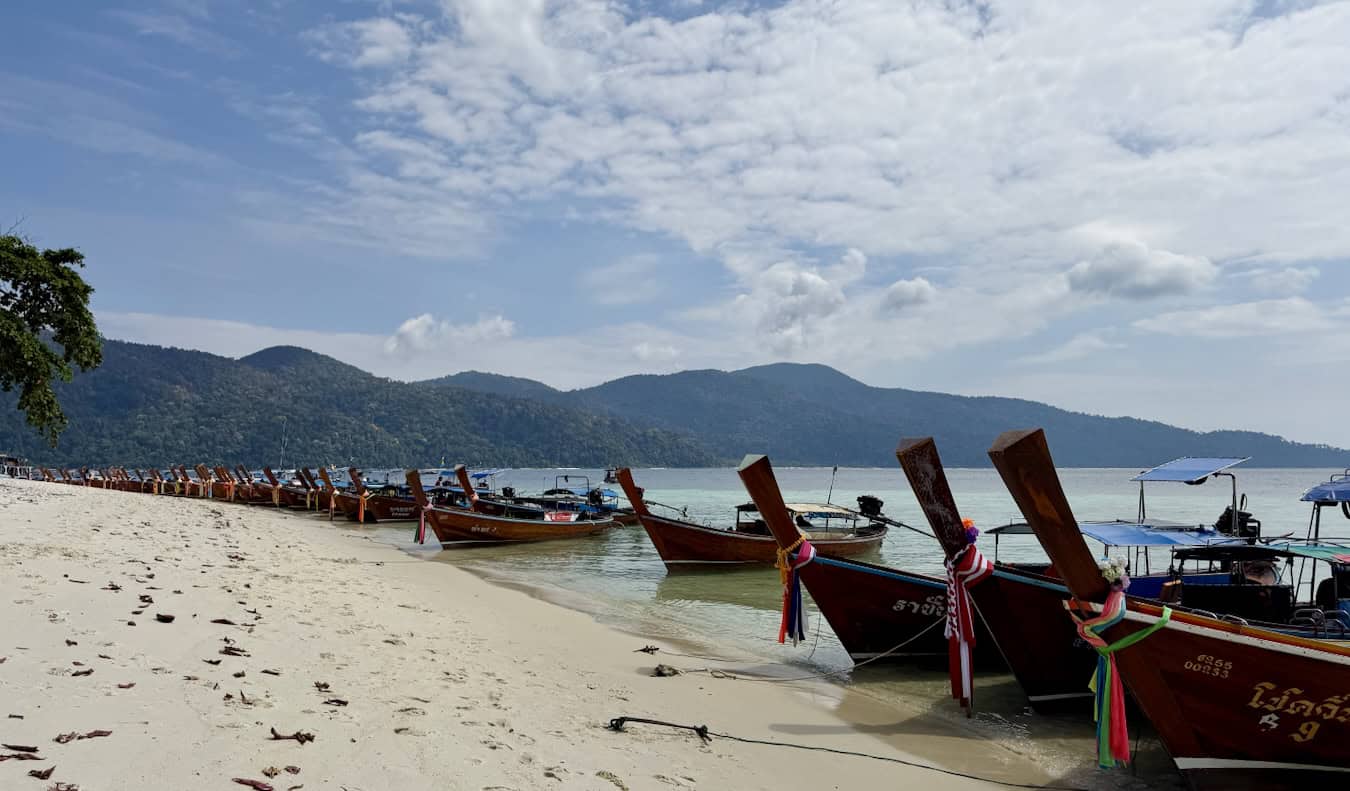
The transition from 2006 to 2026 is jarring. The dirt paths that once meandered through the palm groves have been replaced by concrete roads designed for cars and heavy construction machinery. The dense foliage that framed the island’s natural beauty has been cleared to make room for high-end resorts, complete with swimming pools—an ironic addition for an island that lacks a natural freshwater supply.
The Toll of Progress: Supporting Data and Environmental Impact
The "Ko Phi Phi model" of tourism—characterized by rapid, high-density construction—has clearly taken hold of Ko Lipe. The environmental degradation is no longer a localized issue; it is systemic.
Ecological Decay
The coral reefs surrounding the island, once pristine, are now in a state of rapid decline. The culprits are multifaceted: constant boat traffic, anchor damage, and severe pollution. The waters, once famously clear, are now frequently marred by a visible, iridescent sheen of boat exhaust. As the island’s population density has exploded, the waste management infrastructure has struggled to keep pace, putting immense pressure on the surrounding marine national park.
Social Displacement
The economic impact on the local community is equally concerning. As land values have skyrocketed, many long-term residents have been forced to sell their property to mainland developers. Consequently, the island’s workforce is now largely composed of transient laborers from the mainland, most of whom see little of the economic dividends generated by the tourism boom. The local culture, which was once the heartbeat of the island, has been sidelined in favor of an economy tailored to the demands of mass-market international tourism.
The Illusion of Perfection: Why the "Wow" Factor Persists
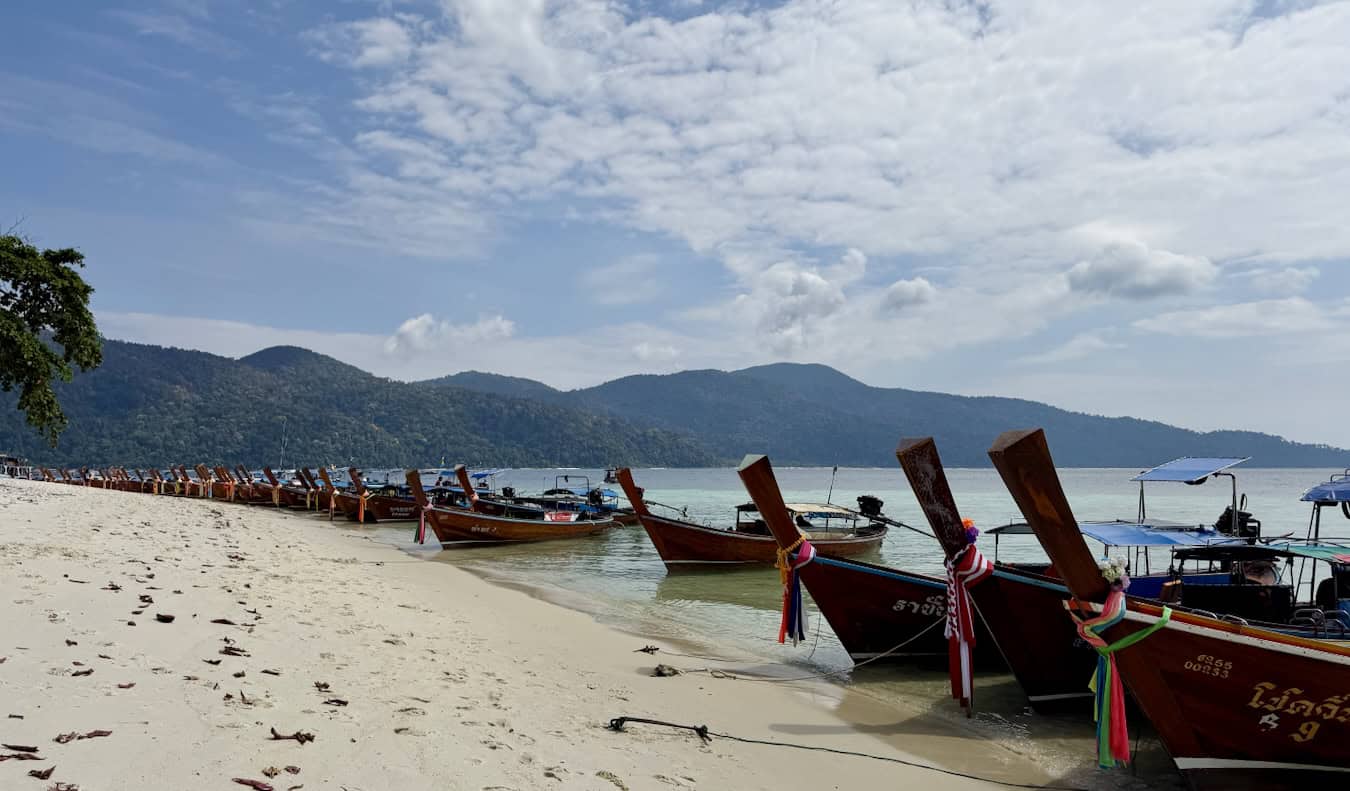
It is important to acknowledge why travelers continue to flock to Ko Lipe. For a first-time visitor, the island is undeniably stunning. The sand remains white, the water is a brilliant shade of azure, and the proximity to the surrounding national park offers access to secluded, untouched neighboring islands.
Compared to the massive commercial hubs of Phuket or Krabi, Ko Lipe can still feel relatively "manageable." However, this relative comfort is deceptive. The "wow" factor often blinds first-time visitors to the underlying rot. When we view a destination through the lens of a short vacation, we are often shielded from the reality of the island’s resource depletion. We see the postcard, not the failing infrastructure beneath it.
The Ethical Imperative: Why We Must Rethink Our Travels
The question of whether or not to visit Ko Lipe is no longer just about personal preference; it is an ethical consideration. If we are to act as responsible global citizens, we must recognize that our individual choices carry collective weight.
The Power of the Consumer
History has shown that tourist demand can force change. The shift away from elephant riding in Thailand, for instance, was driven entirely by a more conscious, educated consumer base. Similarly, the rise of eco-lodges and sustainable tourism initiatives has been fueled by travelers who prioritize ethics over convenience.
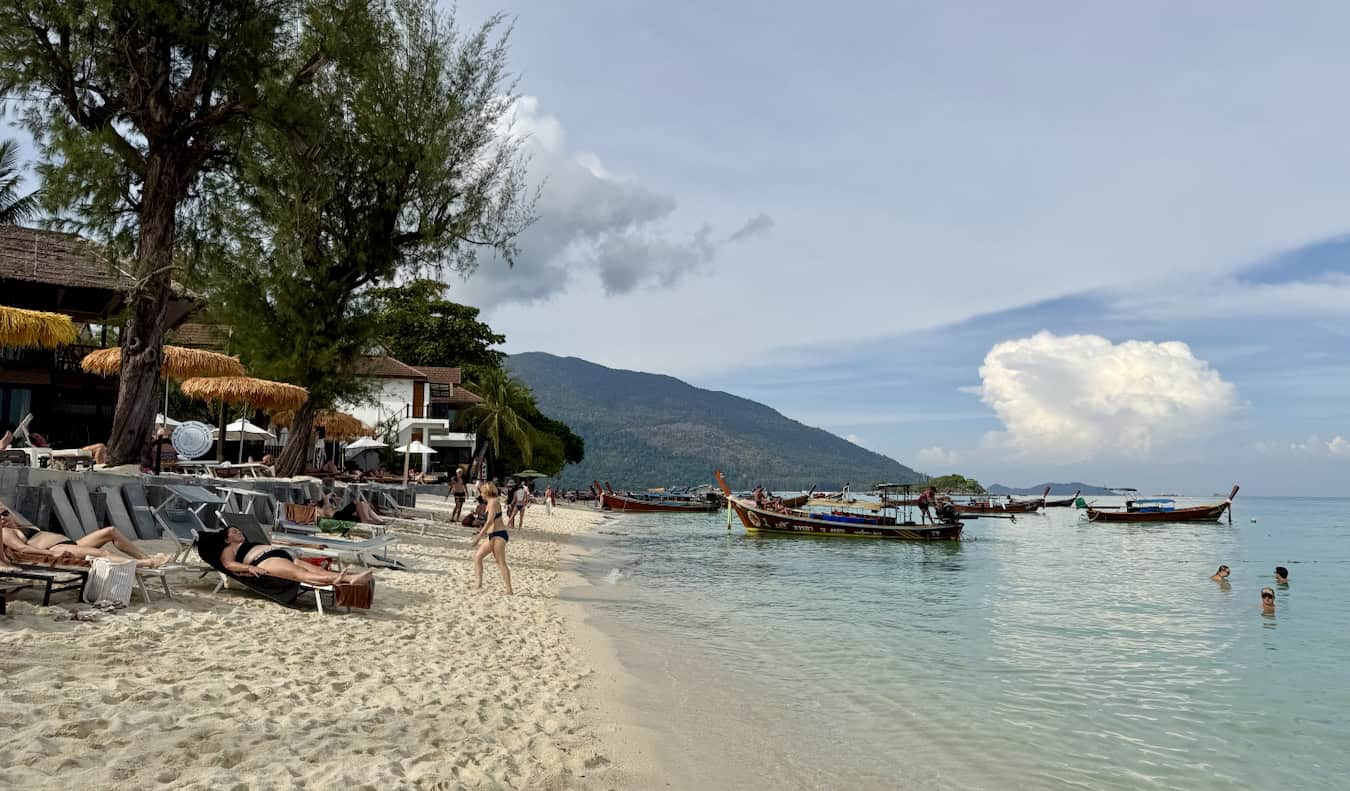
Overtourism is a topic that requires more than just local frustration; it requires a demand-side revolution. If we continue to flock to destinations that prioritize profit over the environment, we are complicit in their destruction.
Alternatives for the Conscientious Traveler
Thailand is a vast, diverse nation with many islands that have managed to balance growth with stewardship. Destinations like Ko Lanta, Ko Jum, and Ko Mook offer the opportunity for an authentic, slower-paced experience without the aggressive, unsustainable development seen on Ko Lipe. By choosing to visit these destinations, travelers can support communities that are working to preserve their natural assets rather than exploiting them.
Implications for the Future of Travel
The lesson of Ko Lipe is not that we should stop traveling, but that we must change how we travel. We cannot put the "genie back in the bottle" once an island has been overdeveloped, but we can prevent the next Ko Lipe from happening.
When we visit a place that is already struggling under the weight of too many visitors, we add to the strain on its limited resources. We tax the water supply, we contribute to the noise and plastic pollution, and we normalize the expansion of infrastructure into protected spaces.
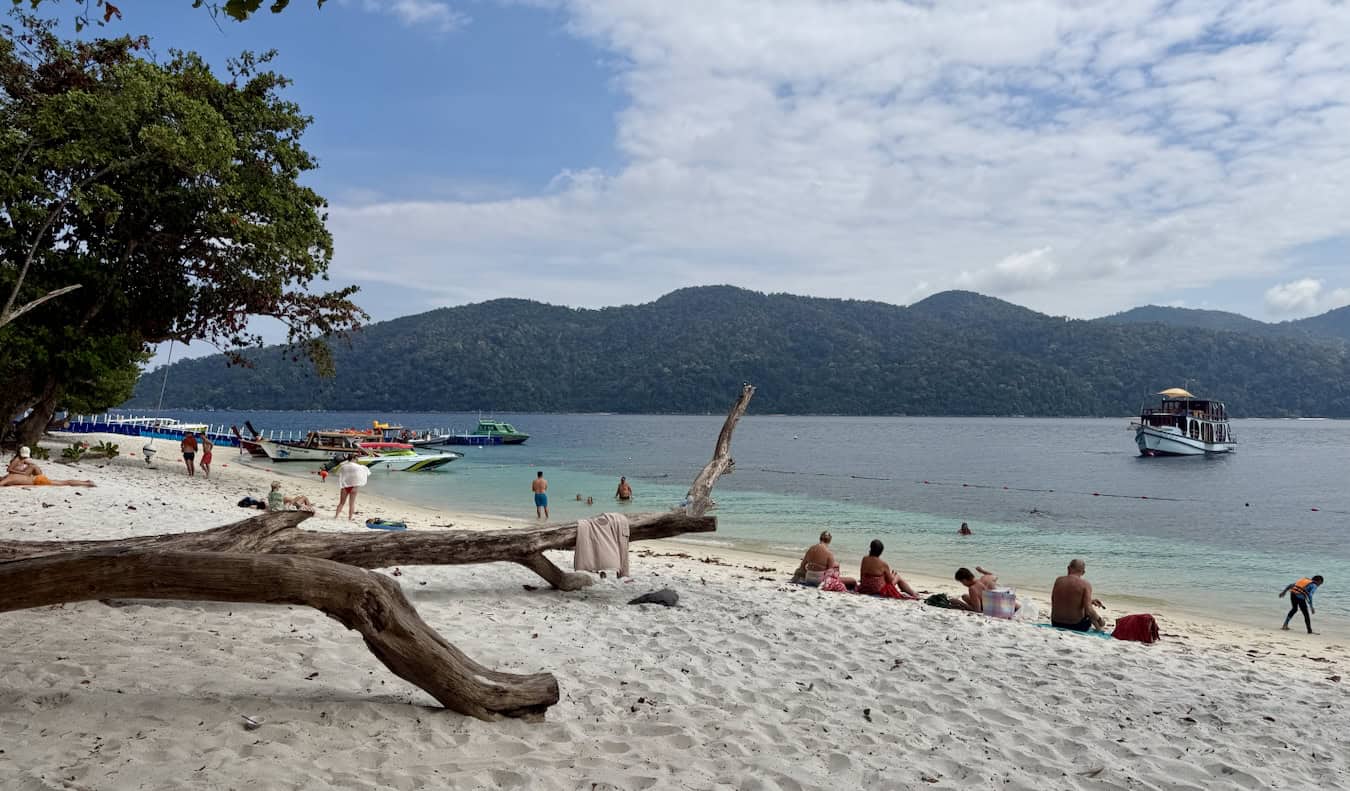
As travelers, we must ask ourselves: Is our desire for a specific photo or a specific "vibe" worth the long-term destruction of a fragile ecosystem? Sometimes, the most respectful thing we can do for a destination is to stay away.
Conclusion: A Call to Action
It pains me to discourage travel to a place that once meant so much to me. Ko Lipe was a chapter of my life that I treasure, but that version of the island is gone. To pretend it still exists is to ignore the reality of what we have done to it.
If you are currently planning your next trip, I urge you to look beyond the top-ten lists and the viral Instagram posts. Choose destinations that are managed sustainably. Support local economies that prioritize their own residents. Recognize that your presence is an investment in the future of the places you visit.
Ko Lipe has reached a tipping point where, in my view, the damage far outweighs the benefits of tourism. By choosing to skip this particular island, you are taking a small, yet significant, step toward a more sustainable future for global travel. Your choices do have an impact—make sure it is one you are proud to support.