For decades, the standard consumer experience has been defined by a passive relationship with the marketplace. We identify a need, walk into a brick-and-mortar storefront or navigate to a digital marketplace, and browse the curated inventory placed before us. We select the “best” available option from that specific set of goods, often settling for a compromise between utility and availability.
However, a quiet revolution in consumer behavior is taking root. By shifting from "store-centered" shopping to a deliberate, "self-centered" methodology, individuals are reclaiming their purchasing power, curbing impulse spending, and significantly increasing long-term satisfaction with their material goods.
The Shift: From Passive Consumption to Strategic Acquisition
At its core, "store-centered shopping" is a reactive process. The consumer allows the merchant to define the boundaries of the "universe of options." If a department store stocks only three types of wallets, the shopper’s choice is inherently limited to those three, regardless of whether any of them truly meet the individual’s specific requirements.
The "self-centered shopping" model flips this power dynamic. In this approach, the consumer acts as the architect of their own needs before entering the marketplace. They define the specifications of the desired product—the "thneed," in Dr. Seuss parlance—based on their personal lifestyle, habits, and preferences. Only once the requirements are codified do they begin the search to locate the product that matches their criteria.
This shift is not merely semantic; it is a fundamental change in how we interact with the global economy. By putting personal needs ahead of market availability, the shopper transitions from a passive participant to a strategic buyer.
Chronology of a Paradigm Shift
The evolution toward intentional consumption often follows a predictable trajectory, moving from frustration to research, and finally to long-term loyalty.
Phase 1: The Recognition of Friction
The journey usually begins with a realization of failure. The consumer notes that their current belongings—be it a wallet, a pair of boots, or a desk—no longer serve their function efficiently. This is often accompanied by a sense of dread regarding the replacement process, stemming from past experiences of wading through "a wide selection of sameness" that failed to impress.
Phase 2: The Specification Phase
Instead of heading to a retail outlet, the intentional shopper takes a moment to audit their habits. For instance, in the case of a wallet, the shopper might identify that they do not carry bulk cash, have no need for leather, and prioritize minimalist access to a limited number of cards. This phase involves drafting a list of requirements—a tangible document that serves as a compass during the search.
Phase 3: The Targeted Search
With parameters in hand, the search moves beyond the local mall to the global digital marketplace. The shopper investigates niche manufacturers, travel gear specialists, and high-quality artisanal brands. This process is time-intensive, but it removes the "paradox of choice"—the psychological overwhelm that occurs when faced with too many irrelevant options.
Phase 4: Long-Term Loyalty
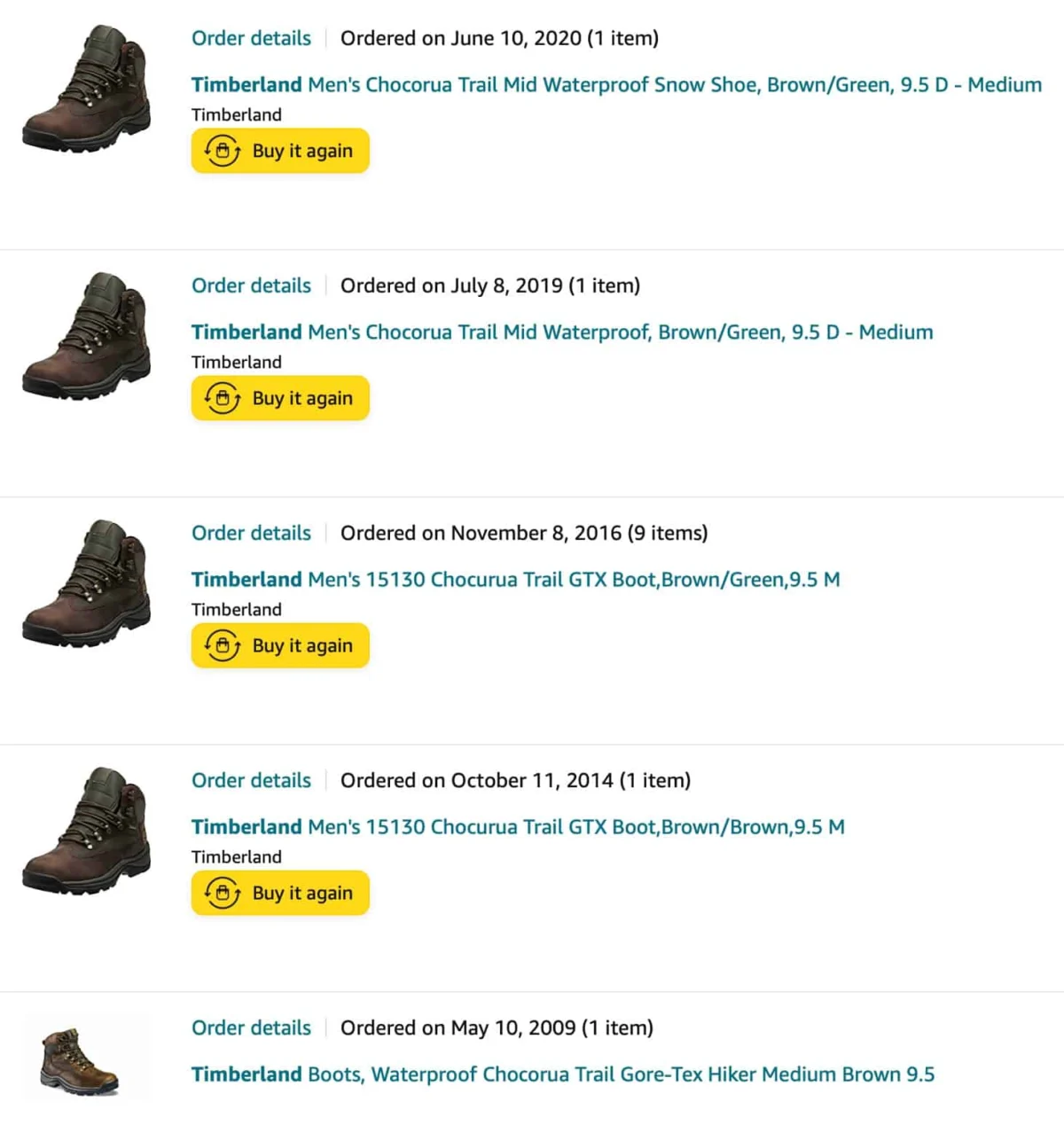
Once the perfect match is found, the final phase is the development of product loyalty. The shopper stops viewing the product as a replaceable commodity and begins viewing it as a long-term solution. They return to the same brand or model repeatedly, creating a relationship with manufacturers that prioritize quality and functional design over mass-market trends.
Supporting Data: The Efficiency of Intentionality
While the "self-centered" approach requires a greater upfront investment of time, the long-term implications for both financial health and psychological well-being are profound.
Reducing Impulse Spending
Impulse spending is frequently a symptom of aimless browsing. When a consumer enters a store without a specific goal, they are susceptible to the marketing tactics designed to trigger emotional, unplanned purchases. By contrast, the self-centered shopper approaches the marketplace with a "mission-critical" mindset. Research suggests that when a consumer knows exactly what they want, the likelihood of succumbing to the allure of a "good deal" on an unnecessary item drops significantly.
Mitigating the Paradox of Choice
Psychologist Barry Schwartz famously argued that an abundance of choice can lead to anxiety and dissatisfaction. In a traditional retail environment, the shopper is paralyzed by forty or fifty similar items, none of which are perfect. When they finally select one, they are haunted by the "what-ifs" of the items they left behind.
In the self-centered model, the "universe of options" is narrowed by the consumer’s own criteria. If only one product on the market meets all requirements, the choice is simple. The reduction of options leads to a reduction of regret and a higher degree of satisfaction with the final purchase.
Implications for the Modern Economy
The shift toward self-centered shopping carries significant implications for both the individual and the broader retail landscape.
For the Individual: The "Spark Joy" Effect
Adopting the philosophy of Marie Kondo, this approach ensures that every item purchased serves a distinct purpose and brings utility to daily life. It fosters a minimalist environment where belongings are not just "good enough" but are tools that enhance one’s daily routine. Over time, this leads to a higher quality of life, as the consumer surrounds themselves only with items they truly value.
For Manufacturers: The Value of Specialization
As consumers become more demanding and more precise in their requirements, generalist retailers may face declining loyalty. Conversely, companies that specialize in high-quality, functional gear—such as Tom Bihn for travel or specialized footwear brands—stand to benefit. These companies do not compete on the volume of their selection but on the precision with which they solve specific problems for their customers.
The Sustainability Factor
While not explicitly an environmental movement, self-centered shopping is inherently sustainable. It promotes the "buy it for life" mentality. When a consumer researches and finds a product that meets their needs, they are less likely to replace it until it is truly worn out. This results in fewer discarded items in landfills and a reduced carbon footprint compared to the "fast-fashion" cycle of buying, breaking, and replacing cheap, mass-produced goods.
Conclusion: A New Standard for Quality of Life
"Self-centered shopping" is not about narcissism; it is about stewardship of one’s time, money, and mental energy. By taking the time to define our needs and holding the marketplace accountable to those needs, we move away from the frustration of constant replacement and toward a life of intentionality.
As we look toward the future of consumerism, the most successful shoppers will be those who refuse to let the retailer dictate their lifestyle. They will be the ones who carry an index card of requirements, who research until they find the perfect fit, and who remain loyal to the products that truly make their lives better.
Ultimately, this method teaches us a valuable lesson about the items we choose to keep close: if you are going to spend your hard-earned money on something, it should be something that works exactly the way you do.