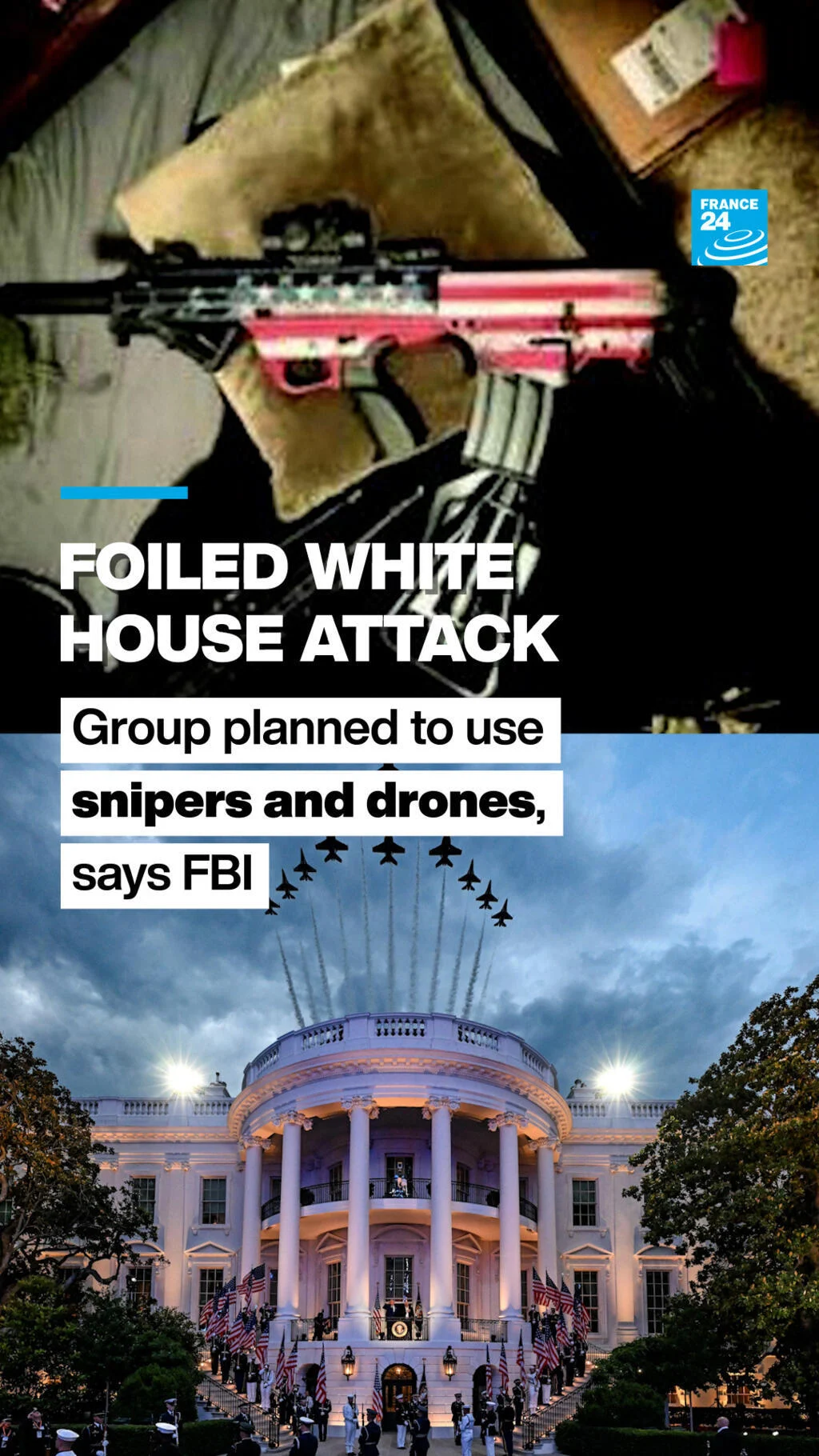
WASHINGTON D.C. — In a chilling development that has sent shockwaves through the American national security apparatus, the Federal Bureau of Investigation (FBI) has announced the successful disruption of a sophisticated, multi-pronged terrorist plot aimed at the White House. Federal authorities revealed on June 17, 2026, that a domestic extremist cell had finalized operational plans to conduct a coordinated attack on the executive residence, utilizing a combination of long-range sniper fire and weaponized unmanned aerial vehicles (UAVs).
The investigation, which spanned several months of clandestine surveillance and intelligence gathering, resulted in the apprehension of multiple suspects across several states. According to law enforcement, the conspirators were in the final stages of acquiring hardware and finalizing tactical maneuvers before the FBI intervened.
Main Facts: A Convergence of Modern Threats
The plot represents a significant evolution in domestic terror tactics. Unlike traditional "lone wolf" attacks, this group operated with a high degree of organizational structure, demonstrating a concerning level of technical proficiency.
The Tactical Approach
The FBI’s briefing detailed a two-pronged strategy:
- The Sniper Component: The group had reportedly scouted high-ground locations surrounding the perimeter of the White House. They had acquired high-caliber, long-range rifles and specialized optics intended to bypass existing security perimeters.
- The Drone Assault: Perhaps most alarmingly, the conspirators had integrated weaponized drones into their planning. These UAVs were intended to serve as both a distraction and an offensive weapon, potentially capable of carrying payloads designed to breach glass or create chaos in the secure zones of the complex.
FBI officials emphasized that while the plot was "ambitious" and "lethal," the agency maintained constant oversight of the suspects, ensuring that at no point was there an imminent danger to the President or the staff within the Executive Mansion.
Chronology of the Investigation
The unraveling of the plot was the result of a coordinated effort involving the Joint Terrorism Task Force (JTTF) and digital forensics experts.
Phase 1: Digital Footprints (January – March 2026)
The investigation began following the discovery of encrypted communications on a dark-web forum frequently used by anti-government extremist groups. Intelligence analysts identified a core group of individuals discussing the vulnerabilities of Washington D.C.’s airspace and the specific limitations of Secret Service counter-drone technologies.
Phase 2: Surveillance and Infiltration (April – May 2026)
By April, the FBI had successfully inserted undercover assets into the peripheral circles of the group. These assets confirmed that the group was not merely engaged in "keyboard activism" but was actively purchasing components for drone modification and practicing long-range marksmanship at private rural ranges in the Midwest.
Phase 3: The Final Countdown (June 2026)
In early June, communication intercepts suggested that the group had set a date for the attack. The suspects began traveling toward the Washington D.C. metropolitan area. Following a tactical meeting where the suspects reviewed blueprints of the White House grounds, federal agents determined that the threshold for "imminent threat" had been met.
Phase 4: Simultaneous Raids (June 16–17, 2026)
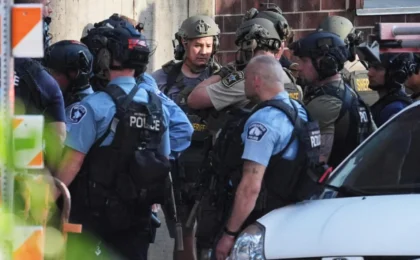
In a series of pre-dawn raids across three states, FBI SWAT teams apprehended the primary planners. Seized during the raids were two custom-built hexacopter drones, encrypted laptops, schematics of the White House security grid, and high-precision rifles.
Supporting Data: The Rising Threat of UAVs
The inclusion of drones in this plot highlights a growing concern among global security agencies. The "democratization" of technology—where sophisticated components can be purchased off the shelf and modified—has outpaced the deployment of counter-measures.

Technical Challenges
- Signature Detection: Small, low-flying drones often fail to register on traditional radar systems designed to detect fixed-wing aircraft or large helicopters.
- Payload Capacity: Advances in battery density and motor power allow even modest consumer drones to carry significant weight, including improvised explosive devices (IEDs) or specialized projectiles.
- The "Swarm" Factor: Security experts point out that while this group planned to use a limited number of drones, the potential for "swarm" attacks—where dozens of small units are deployed simultaneously—remains a nightmare scenario for the Secret Service.
According to a 2025 Congressional Research Service report on domestic security, the number of drone-related incidents in the D.C. "No-Fly Zone" has increased by 40% annually, necessitating a massive overhaul of the Secret Service’s "Drone Shield" capabilities.
Official Responses and Political Repercussions
The severity of the plot has triggered an immediate response from the highest levels of the U.S. government.
The White House Statement
A spokesperson for the White House confirmed that the President was briefed on the threat throughout the investigation. "The safety of the President, the Vice President, and all those who work within the White House complex is our absolute priority," the statement read. "We are grateful to the FBI and our intelligence partners for their tireless vigilance in identifying and neutralizing this threat long before it could manifest."
FBI Director’s Briefing
In a televised press conference, the FBI Director warned that the nature of the threat is shifting. "We are no longer dealing with unsophisticated actors. We are seeing individuals who study military tactics, use encrypted, decentralized communication networks, and leverage emerging technologies to bypass traditional security barriers. The American public should be assured that we are adapting our tactics as quickly as our adversaries are."
Congressional Action
Legislators on both sides of the aisle have called for an emergency hearing of the House Committee on Homeland Security. Lawmakers are expected to demand a full audit of current aerial defense systems surrounding federal landmarks and to propose legislation that would mandate stricter background checks for the purchase of high-performance drone components.
Implications: A New Era of Executive Protection
The foiled attack on the White House marks a turning point in how protected facilities must view their security perimeters.
Rethinking the "Hardened" Perimeter
For decades, the security strategy for the White House relied on physical barriers, heavy guard presence, and anti-vehicle measures. The advent of weaponized drones renders these traditional measures incomplete. Experts argue that the next generation of security must include:
- AI-Driven Detection: Systems that can autonomously identify and neutralize unauthorized drones without human intervention.
- Expanded Airspace Sovereignty: Stricter enforcement of the no-fly zone, potentially including physical netting or directed-energy weapons.
- Cross-Agency Intelligence: Increased integration between local law enforcement and federal agencies to catch extremist radicalization before it turns into operational planning.
The Psychological Impact
While the plot was foiled, the psychological impact on the nation is profound. The idea that the seat of American power could be targeted by individuals using remote technology underscores the fragility of security in the digital age.
"The takeaway here is not just about the technology," said Dr. Elena Vance, a senior fellow at the Center for Strategic and International Studies (CSIS). "It is about the intent. We are seeing a faction of the population that believes they can challenge the state through tactical violence. When you combine that ideological fervor with the accessibility of lethal technology, you have a security challenge that will define the next decade of American law enforcement."
As the judicial process begins for the arrested suspects, the nation remains on high alert. The FBI has urged citizens to remain vigilant and report suspicious activity, particularly regarding the purchase or operation of drones near restricted federal airspace. The successful disruption of this plot serves as a testament to the efficacy of the intelligence community, yet it also stands as a stark reminder of the persistent and evolving threats facing the heart of the American government.