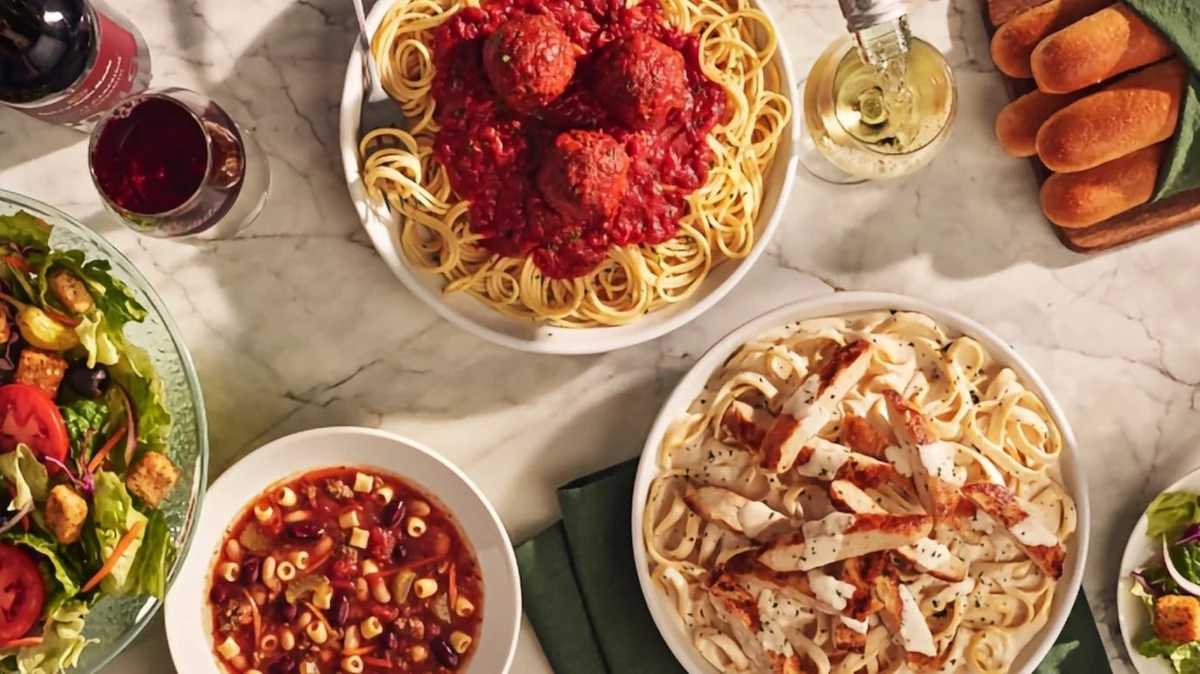
For millions of diners across the United States, Olive Garden occupies a unique space in the culinary landscape. It is the quintessential home of the unlimited soup, salad, and breadstick experience—a comfort-food destination that promises consistency, warmth, and the feeling of being "part of the family." However, this immense popularity is a double-edged sword for the consumer. With high demand comes the inevitability of crowded dining rooms, long wait times, and the frantic atmosphere that can detract from a relaxing meal.
For those who prioritize a peaceful dining experience without sacrificing their favorite Italian-American classics, timing is everything. By analyzing operational workflows, historical foot traffic patterns, and insider employee knowledge, we can determine the optimal windows for securing a table and enjoying your meal to the fullest.
The Optimal Window: Timing Your Arrival
The consensus among seasoned Olive Garden staff is clear: if you want to avoid the chaos of the dinner rush, you must prioritize the opening hours. Most locations open their doors at 11:00 am. Arriving at the threshold of service—specifically within the first hour of operation—is the single most effective strategy for bypassing the crowds.
During this early window, the restaurant is staffed, the kitchen is at its freshest, and the dining room is typically empty, allowing for prompt service and a quiet atmosphere. For those looking to enjoy a "Tour of Italy" or a leisurely bowl of Zuppa Toscana, this early arrival ensures that you are seated immediately and attended to with the focus that comes before the peak-hour scramble.
Chronology of a Busy Day: When to Avoid the Rush
To navigate the restaurant successfully, one must understand the rhythm of a typical Olive Garden location. Demand is not static; it fluctuates based on social habits, professional schedules, and local community events.
The Sunday Post-Church Surge
Sunday afternoons represent one of the most volatile periods for wait times. In many suburban and regional markets, the post-church service crowd creates a significant bottleneck. From approximately 12:30 pm to 2:30 pm, dining rooms often reach capacity, leading to wait times that can stretch well beyond 45 minutes. If Sunday is your only day to dine out, consider arriving before 11:30 am or waiting until the late afternoon "lull" around 3:30 pm.
The Weeknight Dinner Peak
Weeknights—specifically Tuesday through Thursday—follow a predictable trajectory. The "after-work" crowd begins to descend upon the restaurant starting at 5:30 pm, with the peak intensity occurring between 6:30 pm and 7:30 pm. During these hours, the combination of families, large groups, and takeout orders places extreme pressure on the front-of-house staff. To secure a table during the week, aim for an "early bird" arrival before 5:00 pm or a "late night" arrival after 8:00 pm, when the turnover rate increases.
The Transition to Dinner Service
An often-overlooked tactical advantage is the 3:00 pm shift. Olive Garden officially transitions to its dinner menu at this time. This transition serves as an excellent window for retirees, remote workers, or those with flexible schedules who prefer to dine in a quieter environment. By arriving shortly after 3:00 pm, you benefit from the dinner-sized portions and menu options without the noise pollution of the evening rush.
Supporting Data: Leveraging Digital Tools
In an era of digital integration, the manual "walk-in" approach is no longer the only way to secure a seat. Olive Garden’s mobile application and official website have revolutionized the way patrons interact with host stands.
The Power of the Waitlist
The Olive Garden app allows diners to add their names to the digital waitlist before they even leave their homes. For parties of six or fewer, this feature is essential. It provides real-time estimates of wait times, allowing you to gauge whether a trip is feasible at that exact moment. By "joining the line" remotely, you effectively skip the physical wait in the lobby, significantly improving the quality of your experience.
Lunch vs. Dinner Economics
It is essential to distinguish between the two service tiers. The lunch menu, available from 11:00 am to 3:00 pm, Monday through Friday, is not only less crowded but also more cost-effective. During these hours, diners can enjoy smaller, discounted portions of popular pasta dishes. If your goal is to sample a variety of items without the heavy caloric or financial investment of a full dinner service, the weekday lunch window is your best opportunity.
Implications: The "Semi-Homemade" Alternative
What happens when your schedule simply does not align with the restaurant’s quietest hours? If you find yourself craving the flavor profile of Olive Garden during peak times, the company offers several alternatives that maintain the integrity of the meal while removing the friction of a crowded dining room.
Curbside Pickup and Catering
For many regulars, the "to-go" infrastructure is the preferred method of engagement. Olive Garden has refined its curbside pickup to be highly efficient, ensuring that the breadsticks stay warm and the pasta remains perfectly al dente. This option is particularly advantageous for large families or groups who might otherwise struggle to find seating together during peak hours.
The Retail Strategy
Perhaps the most significant development in the brand’s history is its expansion into the grocery sector. Recognizing that many fans of the chain want to replicate the experience at home, Olive Garden now distributes several of its proprietary products through national retailers. From their iconic signature salad dressing to boxed pasta and even specialty cheese graters, consumers can now build an "Olive Garden night" in their own kitchens.
This pivot allows the consumer to reclaim their time. By purchasing the dressings and breadsticks directly, you can bypass the restaurant wait entirely, preparing a "semi-homemade" meal that satisfies the craving without the logistical burden of navigating a peak-hour crowd.
Conclusion: Strategic Dining
Ultimately, the secret to mastering the Olive Garden experience lies in preparation and flexibility. Whether you are aiming to beat the church crowd on a Sunday, looking to save on the weekday lunch menu, or simply trying to find a quiet booth at 3:00 pm, the data suggests that early engagement is the primary key to success.
By utilizing the digital waitlist, understanding the shifting tides of the lunch and dinner menus, and embracing the convenience of takeout or retail alternatives, you can ensure that your meal remains a source of relaxation rather than stress. The next time you find yourself with a craving for those legendary breadsticks, remember: a little bit of tactical planning goes a long way in ensuring that your Italian-American dining experience is as seamless and satisfying as possible.