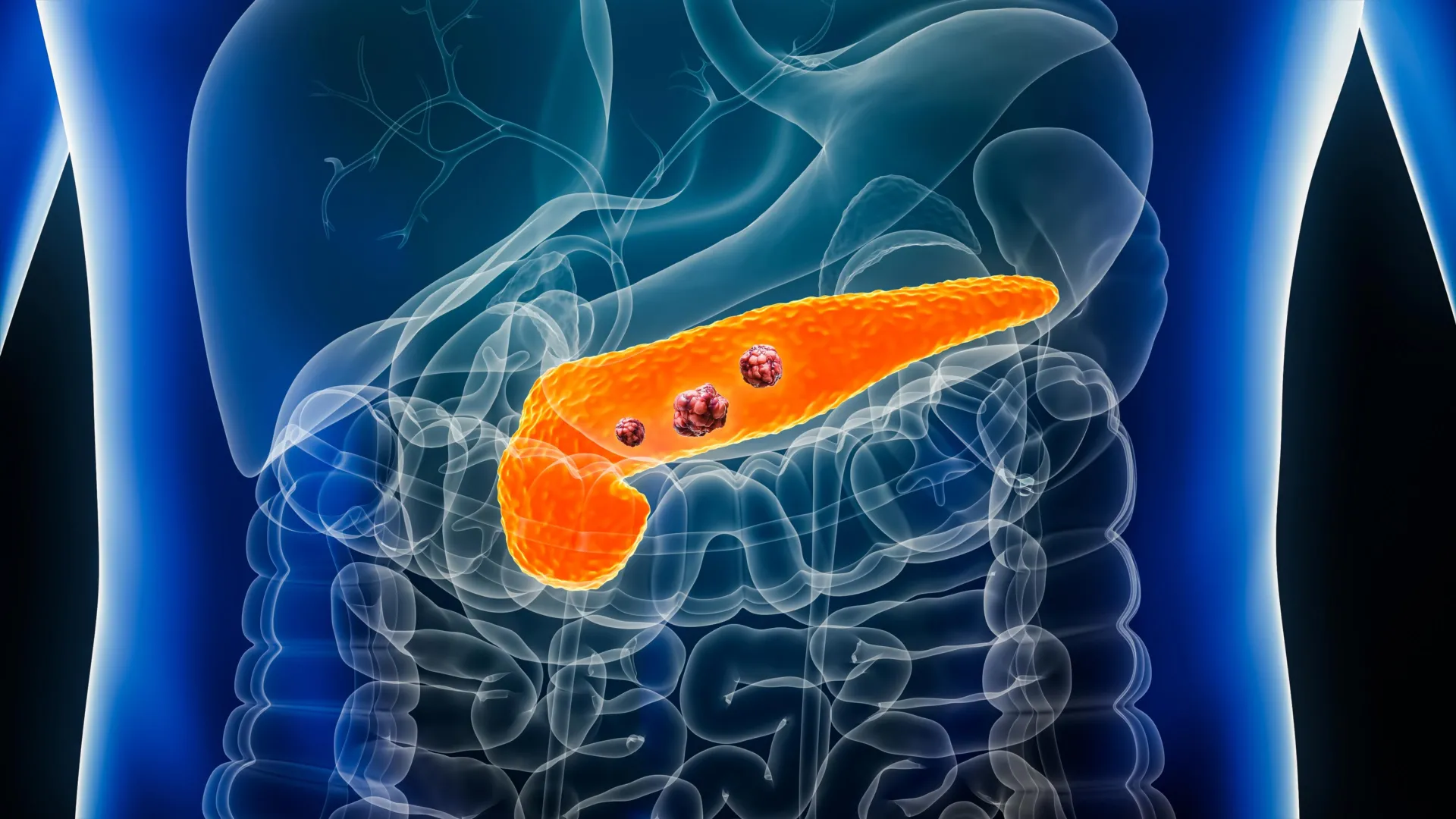
For decades, pancreatic ductal adenocarcinoma (PDAC) has been viewed as one of medicine’s most formidable adversaries. Often referred to as a "silent killer," the disease frequently progresses without triggering clear symptoms until it has reached an advanced, often terminal stage. However, a groundbreaking development in medical artificial intelligence—a framework known as REDMOD—is now offering a glimmer of hope that the narrative surrounding this devastating diagnosis may soon change.
By identifying subtle, imperceptible patterns in pancreatic tissue years before clinical symptoms manifest, the Radiomics-based Early Detection MODel (REDMOD) represents a potential paradigm shift in oncology. According to research published in the journal Gut, this AI system can spot the early signatures of cancer long before they become visible to the human eye, even under the scrutiny of expert radiologists.
The Challenge of Early Detection
Pancreatic cancer is notoriously difficult to diagnose in its infancy. Unlike breast or cervical cancer, which have established screening protocols, the pancreas is a deeply situated organ, making it difficult to image clearly. Furthermore, early-stage pancreatic ductal adenocarcinoma produces minimal, if any, clinical symptoms, and the minute tissue changes it causes are frequently indistinguishable from healthy pancreatic tissue on standard computed tomography (CT) scans.
Because the disease progresses rapidly, the window of opportunity for curative treatment is often missed. The current standard of care relies on symptomatic presentation or incidental findings, by which time the cancer has frequently metastasized. To address this, researchers sought a solution that could "see" what human eyes could not: the fine-grained, mathematical textures of the pancreas known as radiomics.
REDMOD: A Technological Breakthrough
The REDMOD framework was developed to act as an automated, highly sensitive diagnostic assistant. The system functions by analyzing the "texture" of pancreatic tissue at a pixel level, identifying microscopic alterations that are invisible on conventional CT scans.
A primary advantage of REDMOD is its full automation. The framework automatically identifies and segments the pancreas from surrounding organs, such as the liver, gallbladder, and intestines. This eliminates the inherent variability that occurs when different radiologists manually trace the boundaries of the pancreas, ensuring a standardized, objective analysis of the organ’s architecture.
Chronology: A Multi-Year Window of Opportunity
To rigorously test the efficacy of REDMOD, researchers conducted a comprehensive study involving the retrospective analysis of abdominal CT scans from 219 patients. At the time these original scans were taken, experienced radiologists had flagged no evidence of cancer. Yet, every patient in this cohort was subsequently diagnosed with PDAC.
The researchers categorized these scans by the "lead time"—the amount of time between the scan and the eventual clinical diagnosis:
- The Near-Term Group: 87 patients (40%) were scanned 3 to 12 months before their eventual diagnosis.
- The Mid-Term Group: 76 patients (35%) were scanned 12 to 24 months prior to diagnosis.
- The Long-Term Group: 56 patients (25%) had undergone imaging more than 24 months before diagnosis, with some scans dating back as far as three years.
In nearly two-thirds (64%) of these cases, the malignancy originated in the head of the pancreas. The AI was compared against a control group of 1,243 individuals who remained cancer-free for at least three years, with cohorts carefully matched for age, sex, and scan dates to ensure the validity of the comparison.
Supporting Data: Outperforming the Experts
The performance metrics of REDMOD were striking, particularly when compared to the gold standard of human radiological assessment.
Superior Sensitivity
Sensitivity, the ability of a test to correctly identify those with the disease, is the most critical metric in early cancer detection. REDMOD achieved a sensitivity of 73%, significantly eclipsing the 39% sensitivity rate of the experienced radiologists tasked with the same review.
The Two-Year Threshold
The gap in performance widened as the time between the scan and the diagnosis increased. For scans performed more than two years prior to a patient’s diagnosis, REDMOD achieved a detection rate of 68%—nearly three times the 23% success rate recorded by human radiologists. This suggests that the AI is not merely confirming visible tumors but is capable of detecting the "pre-clinical" signatures of the disease years before it becomes a clinical emergency.
Reliability and Consistency
Consistency is a hallmark of a robust diagnostic tool. When the researchers fed the system serial scans from the same patients taken several months apart, the system produced matching, consistent results in 90% to 92% of cases. Furthermore, in independent validation sets, including a cohort of 539 patients and the NIH-PCT dataset, REDMOD demonstrated high specificity, correctly identifying over 81% to 87.5% of healthy patients as cancer-free, thereby minimizing the risk of false positives.
Official Responses and Researcher Perspectives
The research team behind REDMOD emphasizes that the findings represent a "temporal window" of profound clinical significance. "Attaining such early detection would substantially augment the probability of cure and improved survival," the authors noted in their report.
Mathematical modeling included in the study provides a compelling argument for the economic and clinical value of this technology. According to the research, if the proportion of localized pancreatic ductal carcinomas—those caught early—could be increased from the current 10% to 50%, the overall survival rates for the disease would more than double. As the authors stated, "The timing of diagnosis is the single most critical determinant of survival outcomes."
Implications for Future Clinical Practice
While the results are undeniably promising, the researchers remain cautious regarding immediate deployment. Several hurdles remain before REDMOD can be integrated into routine clinical workflows.
Limitations to Consider
- Diversity of Data: The current study population lacked sufficient ethnic diversity. As radiomics signatures can potentially vary based on genetic and environmental factors, future testing must ensure that the AI is calibrated to perform effectively across a wide spectrum of global populations.
- Prospective Validation: The study was retrospective, relying on historical scans. The next, and most important, step is prospective validation. The system must be tested in real-time environments, particularly among "high-risk" populations, such as individuals presenting with unexplained weight loss, new-onset diabetes, or a strong family history of pancreatic cancer.
- Clinical Workflow Integration: Implementing such technology requires careful integration with hospital imaging systems and clear protocols for how radiologists should respond to a "positive" finding from an AI that sees things they cannot yet verify.
A Paradigm Shift
If successfully validated in prospective trials, REDMOD could transition the management of pancreatic cancer from "reactive" to "proactive." Rather than waiting for a patient to present with symptomatic jaundice or abdominal pain, high-risk individuals could undergo routine AI-assisted scans.
"The REDMOD framework represents a significant advance towards shifting the paradigm for sporadic pancreatic ductal adenocarcinoma from a late-stage symptomatic diagnosis to proactive pre-clinical interception," the researchers concluded.
By identifying these "hidden signals" years in advance, clinicians could potentially intervene while the disease is still in its infancy (Stage 0), transforming a lethal diagnosis into a manageable—and potentially curable—condition. As the medical community looks toward the future of oncology, REDMOD serves as a testament to the power of artificial intelligence in overcoming some of the most persistent and deadly obstacles in human medicine.