
For generations, the "dentist’s chair" has been synonymous with anxiety. The high-pitched whine of the dental drill, the sharp sting of anesthetic injections, and the lingering fear of invasive surgery have long acted as barriers to proper oral health, particularly for the youngest and most vulnerable patients. However, a groundbreaking shift is underway in the field of pediatric dentistry. A major clinical trial has confirmed that a simple, inexpensive, and non-invasive liquid can halt tooth decay in its tracks, potentially sparing millions of children from painful infections, emergency room visits, and the trauma of surgery under general anesthesia.
The Core Innovation: Silver Diamine Fluoride (SDF)
The treatment at the center of this medical evolution is known as silver diamine fluoride (SDF). Unlike traditional dentistry, which relies on the "fill and drill" methodology—physically removing decayed tooth structure and replacing it with synthetic materials—SDF operates on a chemical level.
The application process is remarkably straightforward. A dentist or dental hygienist uses a tiny, sponge-tipped applicator to paint the liquid directly onto the cavity. There is no drilling, no numbing, and no sedation required. The entire procedure takes mere seconds.
SDF functions through a dual-action mechanism: the silver component acts as a potent antimicrobial agent, effectively neutralizing the bacteria responsible for breaking down tooth enamel, while the fluoride component works to remineralize the tooth’s structure, fortifying it against further degradation. By "arresting" the decay, the liquid stops the progression of the disease, allowing the tooth to remain stable.
A Growing Public Health Crisis
To understand the magnitude of this discovery, one must look at the state of pediatric dental health in the United States. Tooth decay is currently the most common chronic disease among American children, affecting more than 40% of the population. While early-stage cavities may seem like a minor inconvenience, they are frequently neglected due to limited access to care, parental lack of awareness, or the child’s extreme fear of traditional dental settings.
When left untreated, these cavities evolve into severe infections. This leads to debilitating toothaches, sleep disruption, and the inability to eat properly, which can have downstream effects on a child’s physical development and nutritional status. Furthermore, dental pain is a leading cause of missed school days.
Perhaps most alarming is the frequency of pediatric emergency department visits for dental issues. Many families, lacking a "dental home"—a consistent relationship with a dentist—turn to emergency rooms when pain becomes unbearable. However, emergency physicians are rarely equipped to perform definitive dental work, often leaving children with temporary fixes and ongoing, chronic suffering. For those who finally reach a specialist, the damage is often so extensive that the only recourse is surgical intervention under general anesthesia, a procedure that carries its own inherent risks and significant financial costs.
Chronology of a Medical Breakthrough
The path to validating SDF was neither short nor simple. While the concept of silver diamine fluoride has been utilized in various parts of the world for decades, its implementation in the United States remained confined to "off-label" use for many years.
- 2014: The U.S. Food and Drug Administration (FDA) approved SDF as a medical device specifically for the treatment of tooth sensitivity. While this gave dentists legal access to the product, it did not officially authorize its use as a primary treatment for arresting cavities.
- 2018: Recognizing the urgent need for high-level evidence, a consortium of leading dental schools—including the University of Michigan, New York University, the University of Iowa, and Indiana University—launched a comprehensive, multi-site Phase III clinical trial.
- 2020–2022: Despite the unprecedented logistical challenges posed by the COVID-19 pandemic, which shuttered clinics and disrupted standard healthcare workflows, the research team persevered, maintaining the integrity of their data collection.
- 2023–2024: The culmination of this effort was the publication of the trial’s results in JAMA Pediatrics, providing the rigorous clinical data necessary to shift the medical community’s perception of SDF from an "experimental" alternative to a "standard-of-care" candidate.
Supporting Data: What the Clinical Trial Revealed
The Phase III trial was a robust study, involving 830 children under the age of 6. Participants were carefully selected from a diverse array of environments, including private dental practices, pediatric medical offices, and federally supported Head Start and Early Head Start programs—vital resources for early childhood education and health services in underserved communities.
The data provided clear, compelling evidence: a solution containing 38% silver diamine fluoride, when applied at six-month intervals, successfully arrested decay in more than 50% of the affected baby teeth.
Dr. Margherita Fontana, professor of dentistry at the University of Michigan School of Dentistry and the study’s lead investigator, emphasized the safety profile of the treatment. "This is a very effective and safe treatment—even in children as young as 1," she noted. By demonstrating that the treatment is both safe and statistically effective, the researchers have effectively cleared the primary hurdle to wider adoption.
Official Responses and Expert Perspectives
The research community has greeted these findings with enthusiasm, viewing them as a potential "silver bullet" for public health. Dr. Amr Moursi, a professor of pediatric dentistry at New York University College of Dentistry and a co-principal investigator, highlighted the regulatory and economic implications of the study.
"Our results support FDA approval of SDF for managing the arrest of tooth decay in young children," Dr. Moursi stated. He noted that moving SDF out of its current "off-label" status is critical for three reasons:
- Provider Utilization: Many dentists are hesitant to use off-label treatments due to liability concerns or a lack of institutional guidelines. Official approval would encourage more practitioners to offer the service.
- Insurance Reimbursement: Currently, the billing landscape for off-label procedures is fragmented and often results in poor coverage for families. FDA approval would likely streamline the process, leading to enhanced payments by insurers and greater accessibility for low-income families.
- Standardization: Official approval mandates consistent product quality and manufacturing standards, ensuring that every child receives a uniform, reliable treatment.
The Tradeoff: A Cosmetic Consideration
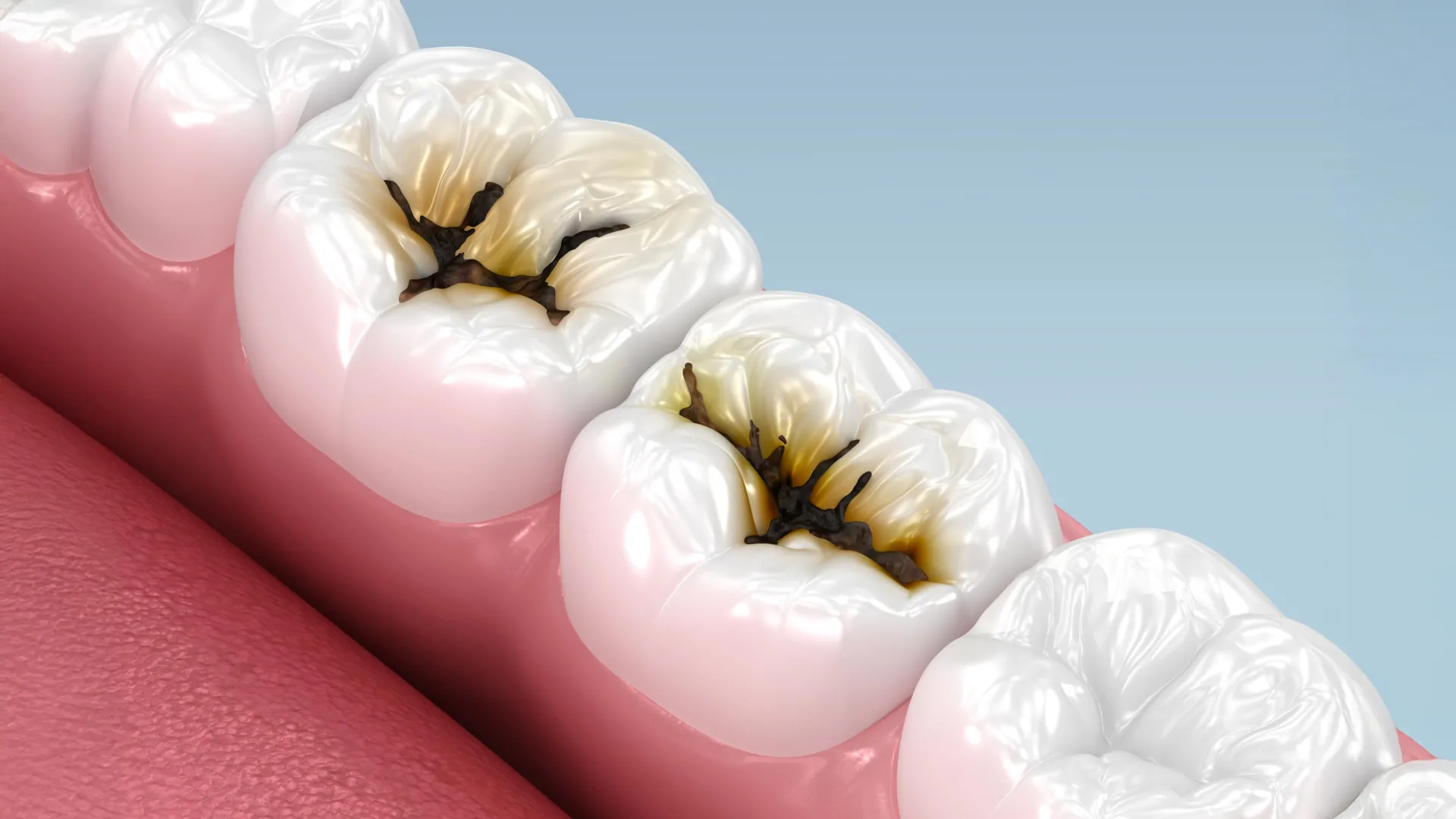
Despite the overwhelming clinical benefits, there is one significant hurdle: aesthetics. Silver diamine fluoride causes the decayed portion of the tooth to turn permanently black. While this discoloration is purely cosmetic and does not affect the health or integrity of the tooth, it can be a point of concern for parents, particularly when the decay is on the visible front teeth.
However, researchers and clinicians argue that the trade-off is often worth it. In many cases, the choice is not between a white, pristine tooth and a black, treated one; rather, the choice is between a healthy, arrested, dark-colored tooth and the prospect of invasive surgery, sedation, and potential tooth loss. As awareness grows, many parents are finding that the functional health of their child’s teeth far outweighs the temporary cosmetic impact.
Broader Implications for Healthcare
The implications of this trial extend far beyond the pediatric dentist’s office. One of the most exciting potential outcomes is the integration of SDF into general pediatric primary care.
Because children often visit their pediatrician years before their first scheduled dental check-up, the medical office is a critical point of intervention. If pediatricians are trained and authorized to apply SDF, they could identify and stop cavities during routine well-child visits. This would effectively bridge the "dental-medical gap," ensuring that children receive care for early-stage decay long before it evolves into a painful, complex, or expensive emergency.
Furthermore, the benefits of SDF are not limited to children. The researchers noted that populations with specific challenges—such as older adults with limited mobility, individuals with developmental or physical disabilities, and those with severe dental anxiety—could find this treatment life-changing. For these groups, a quick, painless, non-invasive application of SDF could prevent the need for complex, and often prohibitive, dental procedures.
Conclusion: A New Era of Preventative Care
The University of Michigan-led study is a landmark moment in dental medicine. By providing the rigorous evidence required to validate a simple, decades-old treatment, the researchers have opened the door to a future where dental decay is managed with the same ease and accessibility as treating a minor skin rash or a common cold.
While the "drill and fill" method will always have a place in dentistry for more advanced structural repairs, the adoption of SDF represents a shift toward a more proactive, patient-centered model. By reducing the reliance on fear-inducing procedures and increasing the reach of preventative care, the medical community is moving closer to a goal that once seemed impossible: a world where no child has to suffer the pain of an untreated cavity. As the FDA reviews the evidence from this trial, the hope is that this simple, silver-based solution will soon become a household tool in the fight against dental disease.