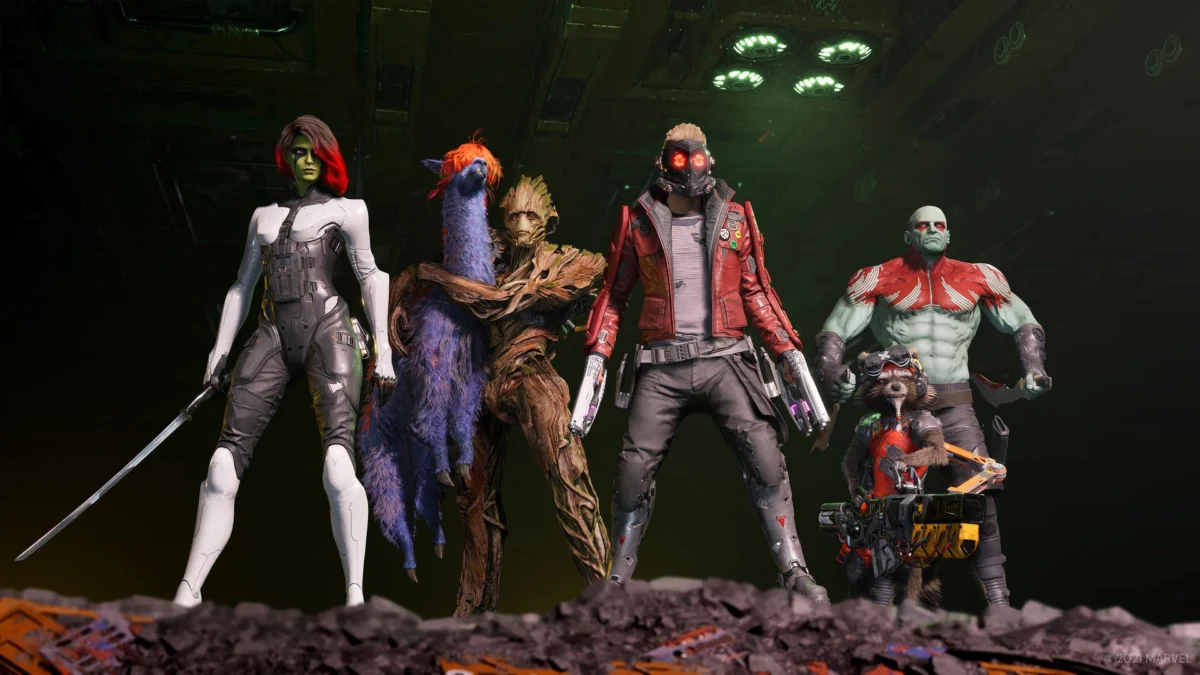
Five years ago, on October 26, 2021, Eidos-Montréal released Marvel’s Guardians of the Galaxy. In the landscape of superhero gaming, it stands today as a fascinating paradox: a critical darling that was widely hailed as a narrative triumph, yet a commercial disappointment that ultimately failed to secure a future for its developers at the time. As we reflect on its fifth anniversary, the game serves as a poignant reminder of the disconnect between artistic achievement and the volatile expectations of the modern gaming industry.
The Shadow of the Avengers
To understand why Guardians of the Galaxy struggled to find its footing at launch, one must look at the climate surrounding Marvel’s partnership with Square Enix. In 2020, Crystal Dynamics released Marvel’s Avengers, a title that promised the world but delivered a repetitive, live-service grind that alienated fans. Despite the massive popularity of the Marvel Cinematic Universe, Avengers failed to sustain a player base, plagued by technical issues and a gameplay loop that felt like a chore rather than an adventure.
By the time the marketing cycle for Guardians of the Galaxy began, the "black cloud" of Avengers hung heavy over the project. Players were naturally skeptical. The industry was experiencing a "superhero fatigue" specifically regarding the Square Enix output, and early trailers for Guardians—featuring a ragtag group of characters that many felt were "discount" versions of their film counterparts—did little to quell the apprehension.

A Narrative-Driven Redemption
When the game finally arrived, the reality was a stark departure from the grim expectations. Eidos-Montréal delivered a singular, story-focused experience that rejected the industry trend of endless live-service engagement.
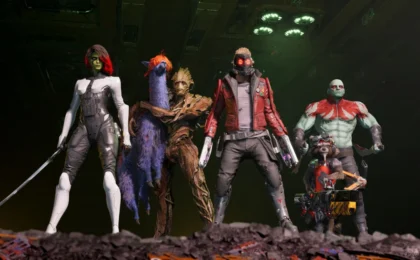
The game follows the iconic lineup—Peter Quill, Gamora, Drax, Rocket, and Groot—but breathes new life into them. Rather than relying on the comedic beats of the MCU, the game leaned into deep, character-driven storytelling. A standout example is the internal conflict of Peter Quill, whose arc revolves around the possibility of him being the father of Nikki, the daughter of his former flame, Ko-Rel. This emotional stakes-raising, combined with a universe-at-stake narrative, provided a level of maturity rarely seen in licensed superhero titles.
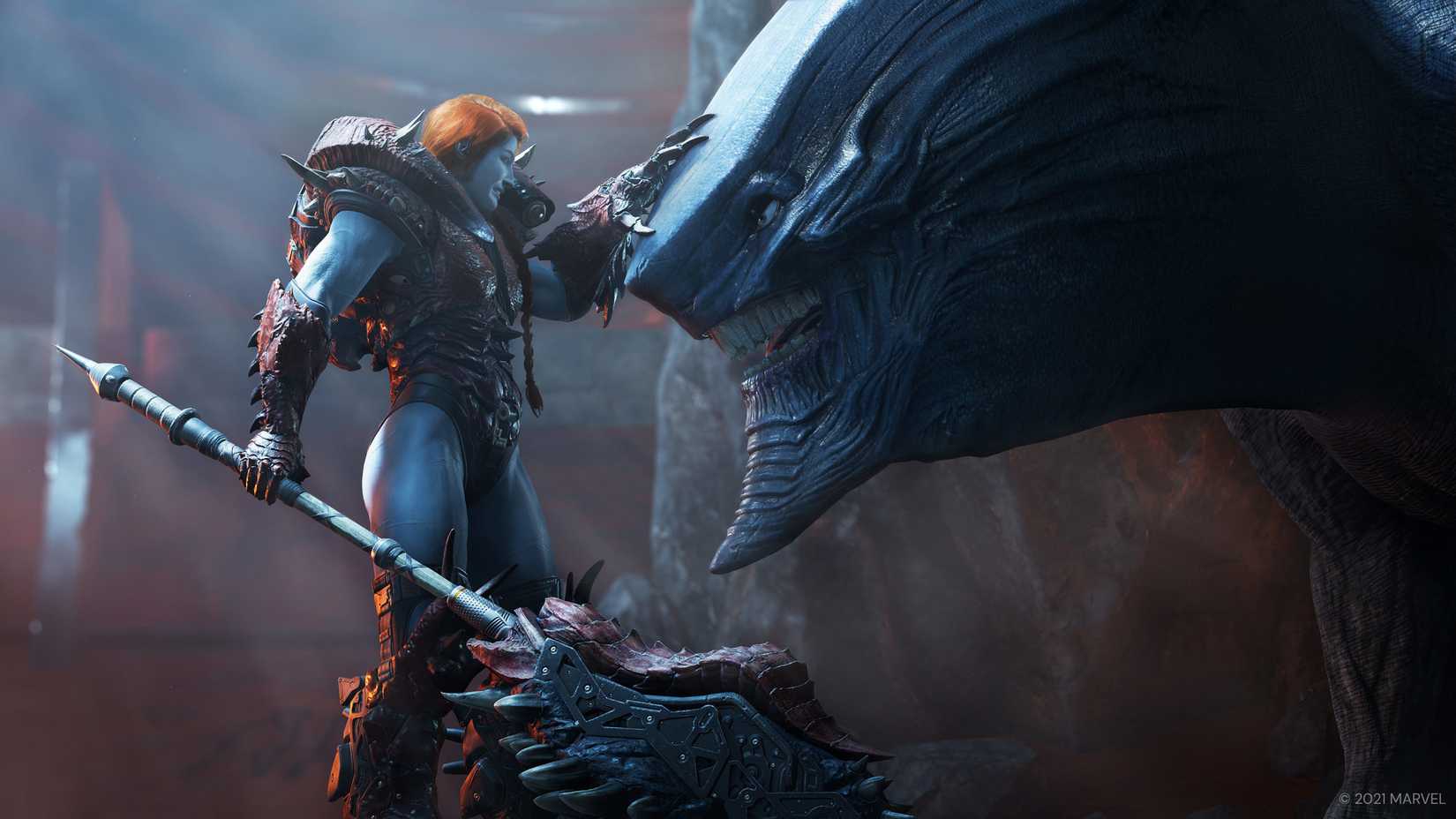
The supporting cast, too, was handled with reverence. From the inclusion of comic-book staples like Lady Hellbender to the scene-stealing, alliteration-heavy dialogue of Adam Warlock, the game felt like a love letter to the source material. And, of course, there was Cosmo the Spacedog—a character so well-realized that he remains one of the most beloved non-player characters in recent memory.

Combat Mechanics: The "Huddle" Innovation
Gameplay-wise, Guardians of the Galaxy introduced a refreshing "leader-based" combat system. Unlike titles that prioritize the player’s individual power fantasy, this game required the player to act as the strategist. By utilizing Mass Effect-style command menus, players directed their teammates to execute powerful, synergistic attacks.
The signature "Huddle" mechanic remains the game’s most ingenious feature. In the heat of battle, players could call a team meeting. Based on the dialogue and the state of the fight, the player would give a pep talk, which, if successful, would trigger a power-up sequence set to an iconic 1980s rock anthem. This wasn’t just a gimmick; it was a mechanical representation of the team’s bond, turning the tide of battle with the perfect soundtrack. The game also featured a bespoke, fictional 80s rock album titled Star-Lord, which added an authentic layer of personality to the experience.
Chronology of a Commercial Stumble
- 2020: The release of Marvel’s Avengers sets a negative precedent for Square Enix’s Marvel properties.
- October 26, 2021: Marvel’s Guardians of the Galaxy is released to strong critical acclaim.
- January 2022: Square Enix president Yosuke Matsuda publicly declares the game’s sales "undershot our initial expectations."
- Summer 2022: Eidos-Montréal is sold to Embracer Group as part of a massive corporate divestment.
- November 2022: The game reaches 8 million players, bolstered by inclusion in subscription services like Game Pass and PS Plus.
- 2023–2026: Eidos-Montréal shifts to support roles for projects like Fable and Grounded 2, with no new solo projects announced.
The Cold Reality: Why It "Failed"
Despite the 8 million player count reached by late 2022, the financial reality for Square Enix was dictated by units sold at launch. The "disappointment" narrative was driven by the publisher’s internal benchmarks, which were likely influenced by the high-budget nature of AAA development and the tarnished reputation of the Marvel-Square Enix brand.
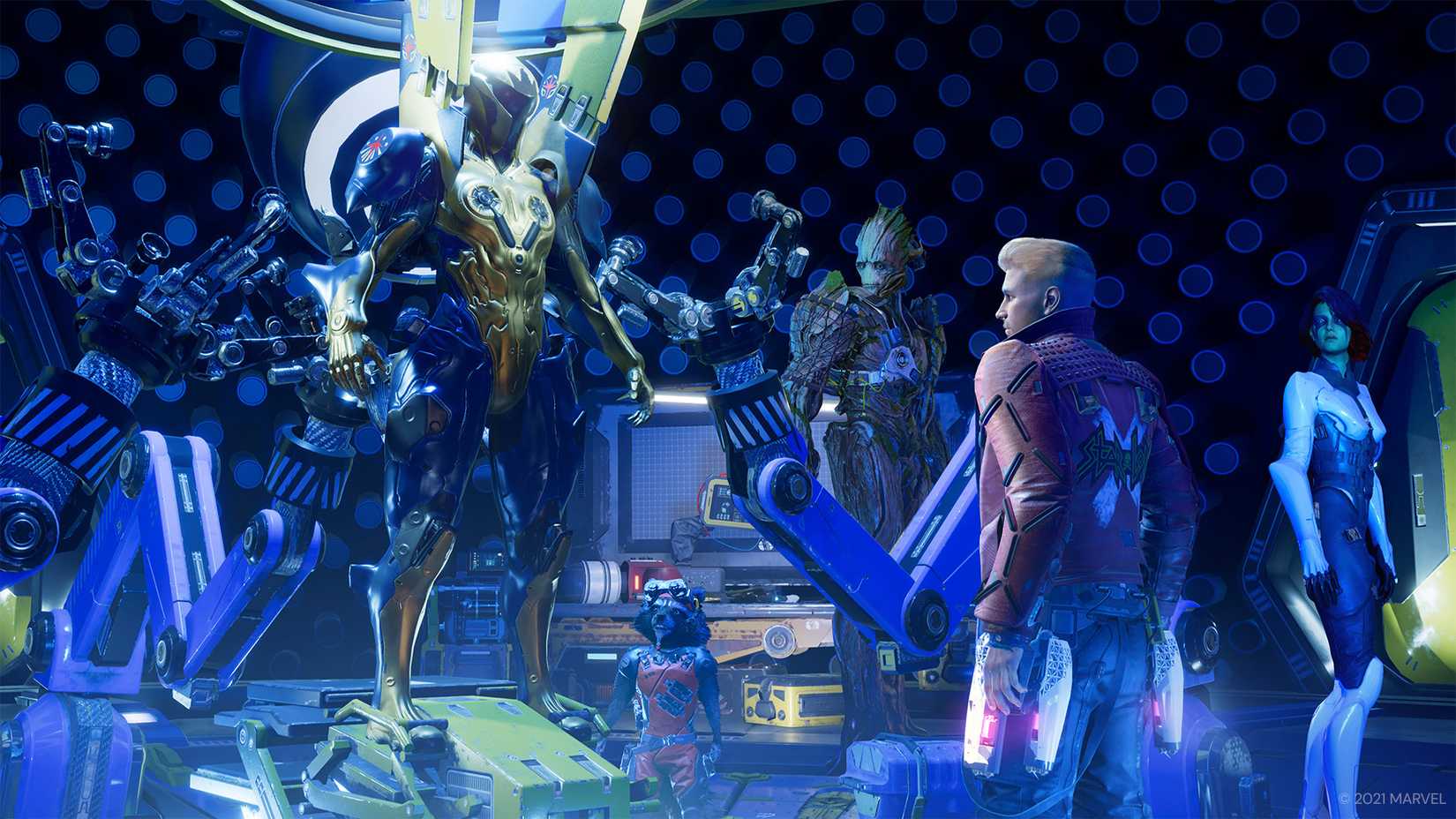
The irony is that the game’s greatest strength—its linear, high-quality, single-player narrative—was also its market-perceived weakness. In an era where publishers were chasing the "infinite engagement" of games-as-a-service, a 20-hour, high-production-value experience that offered no microtransactions or roadmap updates was viewed as a lower-priority asset.
Implications for the Developer and Industry
The aftermath of Guardians of the Galaxy has been grim for its creators. The sale of Eidos-Montréal to the Embracer Group, followed by rounds of restructuring and layoffs, illustrates the fragility of mid-to-large-tier studios. The studio that once delivered one of the best superhero games of the decade has since been relegated to a co-development role, supporting other titles.
For the industry, the lesson of Guardians is bittersweet. It proved that a dedicated, linear, story-driven superhero game could work—and work beautifully—but it also highlighted how easily such projects can be cannibalized by the negative reputation of their predecessors.
Conclusion: A Legacy Deserving of Re-evaluation
Looking back at the game today, it is clear that Marvel’s Guardians of the Galaxy was a victim of timing. It was the right game, made with the right amount of passion, but released under the wrong umbrella.
While titles like Insomniac’s Spider-Man have set the gold standard for how to handle a licensed IP, Guardians of the Galaxy belongs in the same conversation. It did not try to reinvent the open world; instead, it focused on the chemistry of its characters, the quality of its writing, and the joy of its presentation. Five years later, it remains an essential experience for anyone who appreciates a well-told story, proving that while corporate numbers may mark it as a disappointment, history will likely remember it as one of the genre’s hidden gems.