For many, the mention of the 1970s evokes a sensory overload of neon colors, disco beats, and the distinct, somewhat surreal aesthetic of the era’s kitchen culture. It was a time when the American grocery store deli counter looked vastly different than the curated, artisan-focused displays of today. Behind the glass, nestled between the standard ham and bologna, sat an array of peculiar, molded, and multi-textured meat products that were once the pride of the school lunchbox.
While today’s charcuterie boards prioritize imported prosciutto and truffle-infused salami, the 1970s were defined by a different kind of innovation: the "loaf." These products—olive loaf, liverwurst, head cheese, and their mysterious cousins—represented a post-war industrial shift toward efficiency, affordability, and a unique form of mid-century culinary experimentation. As we look back through the lens of history, we find that these forgotten staples offer a fascinating window into the evolution of the American palate and the shifting landscape of food safety and consumer health consciousness.
The Rise of the "Loaf": A Chronology of Processed Innovation
To understand the ubiquity of these meats in the 1970s, one must look at the trajectory of the American food industry post-World War II. In the 1950s and 60s, food manufacturers like Oscar Mayer and Armour sought to maximize the utility of animal protein. The technology to emulsify, bind, and mold meat scraps into uniform, sliceable blocks became a hallmark of the modern deli.
By the 1970s, this technology had reached its zenith. The "loaf" became a convenient, shelf-stable, and cost-effective solution for the suburban family. It was a decade where convenience was king, and the deli counter was the gateway to the "quick lunch." However, by the mid-1980s, the emergence of the microwave oven began to change the culinary landscape. Families moved away from cold, processed sandwiches toward hot, convenient meals. Simultaneously, the burgeoning "healthy eating" movement of the 1980s and 90s began to cast a long shadow over highly processed, sodium-rich meats. Slowly, these iconic 1970s staples began to vanish, relegated to the dusty corners of regional grocery chains or lost to history entirely.
A Taxonomy of the Forgotten Deli
1. Olive Loaf: The Sophisticated Cousin
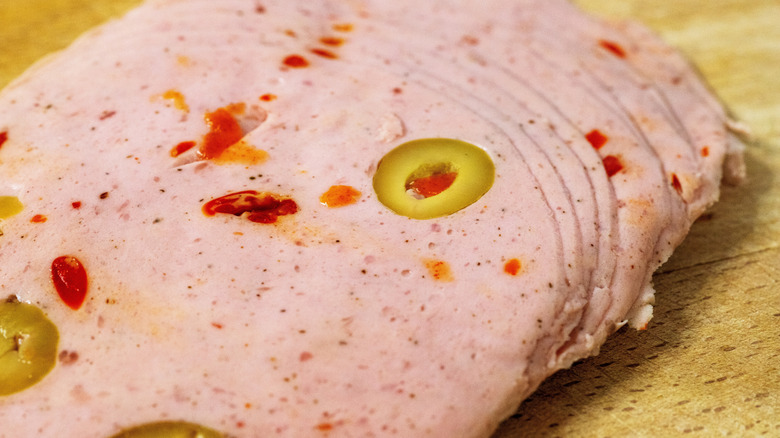
Often misunderstood and frequently maligned, olive loaf was the "upscale" entry in the lunch meat hierarchy. It featured pimento-stuffed olives suspended in a matrix of ground pork, beef, or chicken. According to former Kraft spokesperson Sydney S. Lindner, the production process was remarkably similar to baking a cake: the olives were mixed into the meat batter, which was then poured into giant pans and baked until firm. For many Gen Xers, it remains a polarizing memory—either a gourmet treat reminiscent of martini garnishes or a texture-heavy mystery that defined the era’s oddities.
2. Liverwurst: A Generational Divide
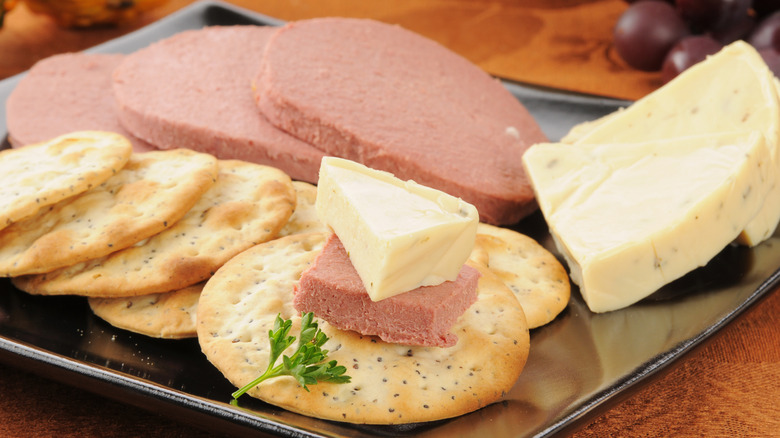
Liverwurst represents one of the most stark examples of a generational shift in food preference. Traditionally a European staple made from finely ground liver and fat, it was once a primary source of iron and protein for working-class families. In the 1970s, it was a household staple, often served with onion or, in more adventurous households, jam. Its decline has been accelerated by both changing tastes and, more recently, a devastating public health crisis. In 2024, a major listeria outbreak traced to Boar’s Head liverwurst production lines led to a massive recall, effectively sounding the death knell for the product’s remaining popularity and cementing its status as a relic of a less regulated culinary past.
3. Head Cheese: The Medieval Survivor
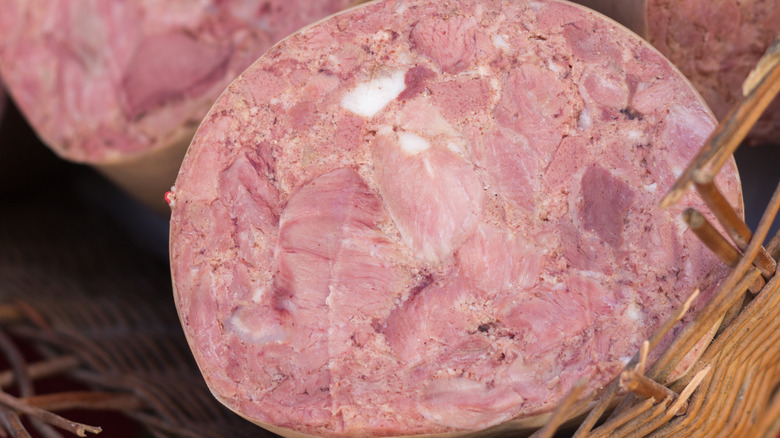
Despite the name, head cheese contains no dairy. It is a "meat jelly" or terrine, created by boiling the head of a pig to extract collagen, which, when cooled, creates a natural gelatin that binds the meat scraps together. It is perhaps the most "medieval" item to ever appear in a supermarket deli. In the 1970s, it was a standard offering, even sold in mass-market branded packaging. Today, its presence is a rarity that often confuses younger consumers, leading to the occasional viral anecdote of deli workers being baffled by a customer brave enough to request a few slices.
4. Lebanon Bologna: The Regional Artisan
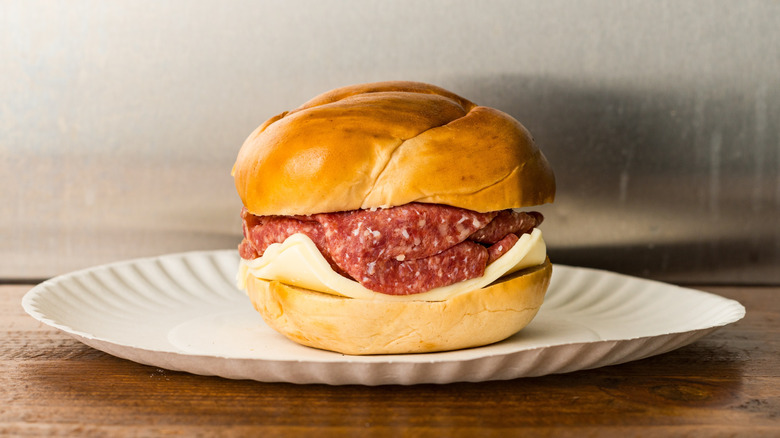
Unlike standard bologna, Lebanon bologna—named for its home in Lebanon, Pennsylvania—is a testament to the Pennsylvania Dutch tradition. It is a semi-dry, fermented, and smoked sausage with a tangy, spicy, and complex flavor profile. While it remains a cult favorite in the Mid-Atlantic, it has largely failed to achieve the national dominance of its smoother, blander counterpart. Its complexity, often requiring days of curing and smoking, made it a high-quality product that couldn’t quite compete with the rapid-fire production of ultra-processed loaves.
5. Luxury Loaf and Honey Loaf: The Vague Mysteries
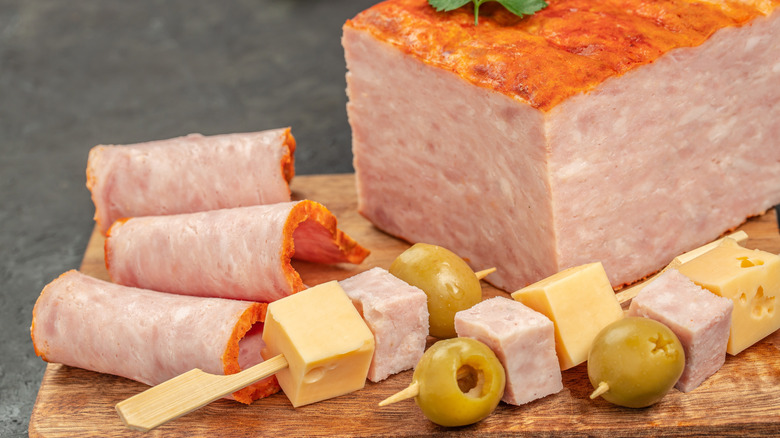
The "Luxury" and "Honey" loaves of the 1970s remain the most enigmatic items in this list. Based on vintage advertisements, these products appeared to be multi-meat composites, likely utilizing whatever protein was most abundant at the time—a combination of beef, pork, and sometimes organ meats. They serve as a reminder of an era where "processed" was a synonym for "modern," and where the specific ingredient list was often less important than the ability to slice the product thin for a sandwich.
Supporting Data: The Shift in Consumer Demographics
The decline of these meats is not merely a matter of nostalgia; it is backed by significant shifts in food consumption data. According to the USDA, sodium intake in children and adults has been a primary health concern since the late 1980s. Processed deli meats, which are typically high in sodium and nitrates, fell out of favor as public awareness campaigns regarding heart health and hypertension gained traction.
Furthermore, the "clean label" movement of the 2010s dealt a final blow to these products. As consumers began to scrutinize ingredient lists, the inclusion of binders, emulsifiers, and preservatives—essential for the structural integrity of a "loaf"—became a deterrent. The transition from the deli counter to the pre-packaged meat aisle has also favored high-quality, whole-muscle cuts like roast beef or turkey breast, leaving little room for the composite, "mystery" loaves of the 1970s.
Official Responses and Industry Adjustments
Major meat processors have responded to these changing tides by diversifying their portfolios. Where Oscar Mayer once pushed the "Luxury Loaf," they now emphasize "natural" and "no artificial preservatives" lines. Industry experts note that while there is still a market for traditional deli meats, the focus has shifted toward transparency.
"The modern consumer wants to know exactly what they are putting into their body," says food industry consultant Sarah Jenkins. "The 1970s model was built on blind trust in the manufacturer. Today, that trust must be earned through transparency and ingredient simplicity. A product like head cheese or olive loaf is inherently complex to explain, and in the social media age, products that are difficult to market effectively are often quietly discontinued."
Implications: What We Lost, What We Gained
The disappearance of these lunch meats marks the end of a specific era of American food history. There are implications for both the culinary and cultural landscapes:
- Culinary Homogenization: As we lose these regional and idiosyncratic deli meats, our food culture becomes more uniform. The "weird" and the "acquired taste" are being replaced by the "palatable" and the "safe."
- Cultural Memory: For many Gen Xers, these meats are a link to their upbringing. Their disappearance creates a sense of detachment from the food memories of their childhood, contributing to a feeling of "cultural amnesia."
- Food Safety Evolution: Conversely, the loss of these products represents a positive step toward better food safety standards. The industry has learned that when you combine multiple animal sources and process them through complex, non-sterile environments, the risk of contamination—as seen in recent outbreaks—is significantly higher.
In conclusion, while we may not miss the sight of neon-pink olive loaf or the gelatinous mystery of head cheese in our daily lives, these items served as the foundation of an era that valued innovation above all else. They were the "space age" lunch, a testament to a time when the deli counter was a place of curiosity rather than just convenience. As we move further into a future defined by clean labels and artisan craft, it is worth remembering these forgotten loaves—not necessarily for their taste, but for the story they tell about how we once lived, ate, and viewed the world.