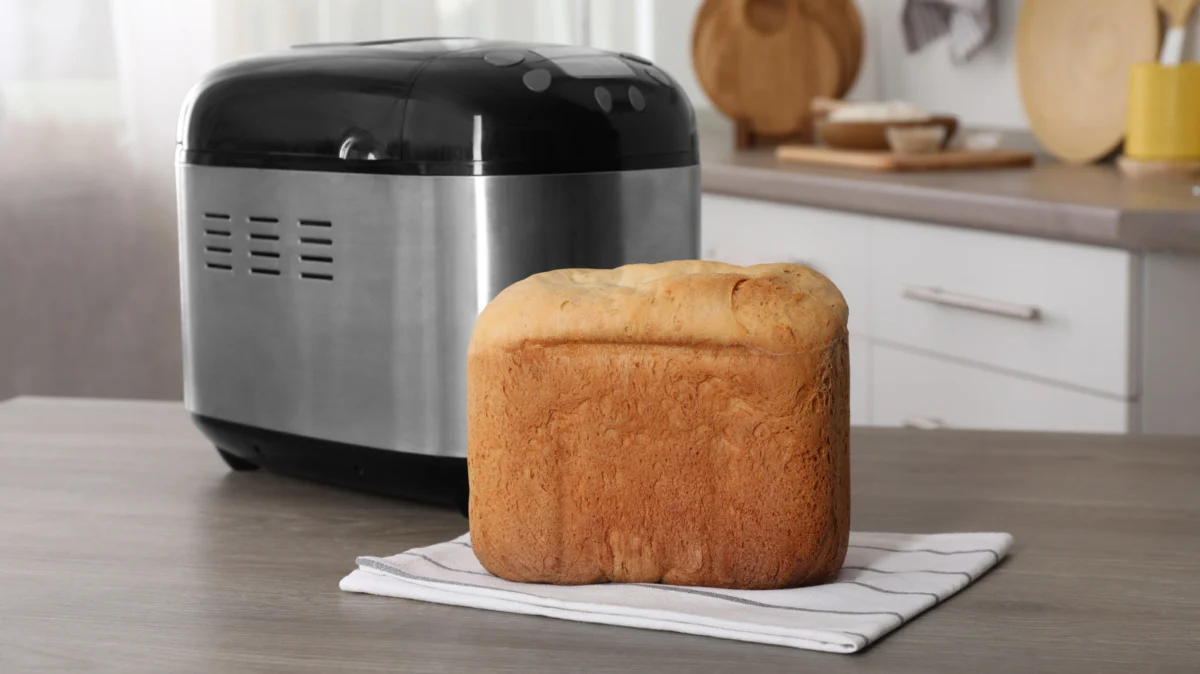
For many home cooks, the allure of the smell of freshly baked bread wafting through the house is a siren song. It is the ultimate domestic comfort, a symbol of self-sufficiency, and, theoretically, a cost-effective way to eat well. However, the barrier to entry for artisanal baking is often surprisingly steep. A high-quality, modern bread machine from industry leaders like Zojirushi or Cuisinart can easily command a price tag between $150 and $250. For a hobby that many approach with equal parts excitement and trepidation, that initial investment can feel prohibitive.
Yet, there is a secret weapon for the budget-conscious baker: the secondhand market. If you wander into almost any local Goodwill, Salvation Army, or browse through the listings on Facebook Marketplace and eBay, you will find a consistent, almost inevitable presence: the bread machine. Often barely touched and priced between $5 and $20, these appliances represent one of the best "hidden gems" in the culinary world.
The Economics of the "Registry Regret"
To understand why the secondhand market is flooded with high-end bread machines, one must look at the sociology of the kitchen appliance industry. Bread makers are a perennial favorite on wedding registries and holiday gift guides. They are aspirational items—the kind of machine that promises a lifestyle change, suggesting mornings filled with warm, crusty loaves and afternoons spent kneading dough.
However, the reality of breadmaking is a test of patience and routine that many households simply aren’t prepared for. After a flurry of initial activity—perhaps baking three or four loaves during the first week of ownership—the novelty fades. The bread machine is then relegated to the back of the pantry, eventually collecting dust for a few years before being unceremoniously donated during a spring cleaning spree.
The result for the savvy shopper is a market saturated with "barely used" machines that have seen less than a dozen cycles. When you purchase one of these units, you are effectively benefiting from someone else’s abandoned ambition, paying pennies on the dollar for a machine that is functionally indistinguishable from one pulled fresh off the shelf at a big-box retailer.
A Chronology of the Thrifted Appliance Hunt
The journey to a successful thrifted purchase is not merely about walking into a store and grabbing the first unit you see. It requires a systematic approach, a "chronology" of inspection that ensures you don’t bring home a glorified paperweight.
Step 1: The Initial Visual Assessment
Before you even consider the price, examine the exterior. While superficial scratches or minor scuffs on the plastic casing are expected and generally irrelevant to performance, look for signs of heavy abuse. Cracks in the housing, damaged power cords, or heavy grease buildup in the hinges can suggest that the machine was not treated with care.
Step 2: The Critical Component Audit
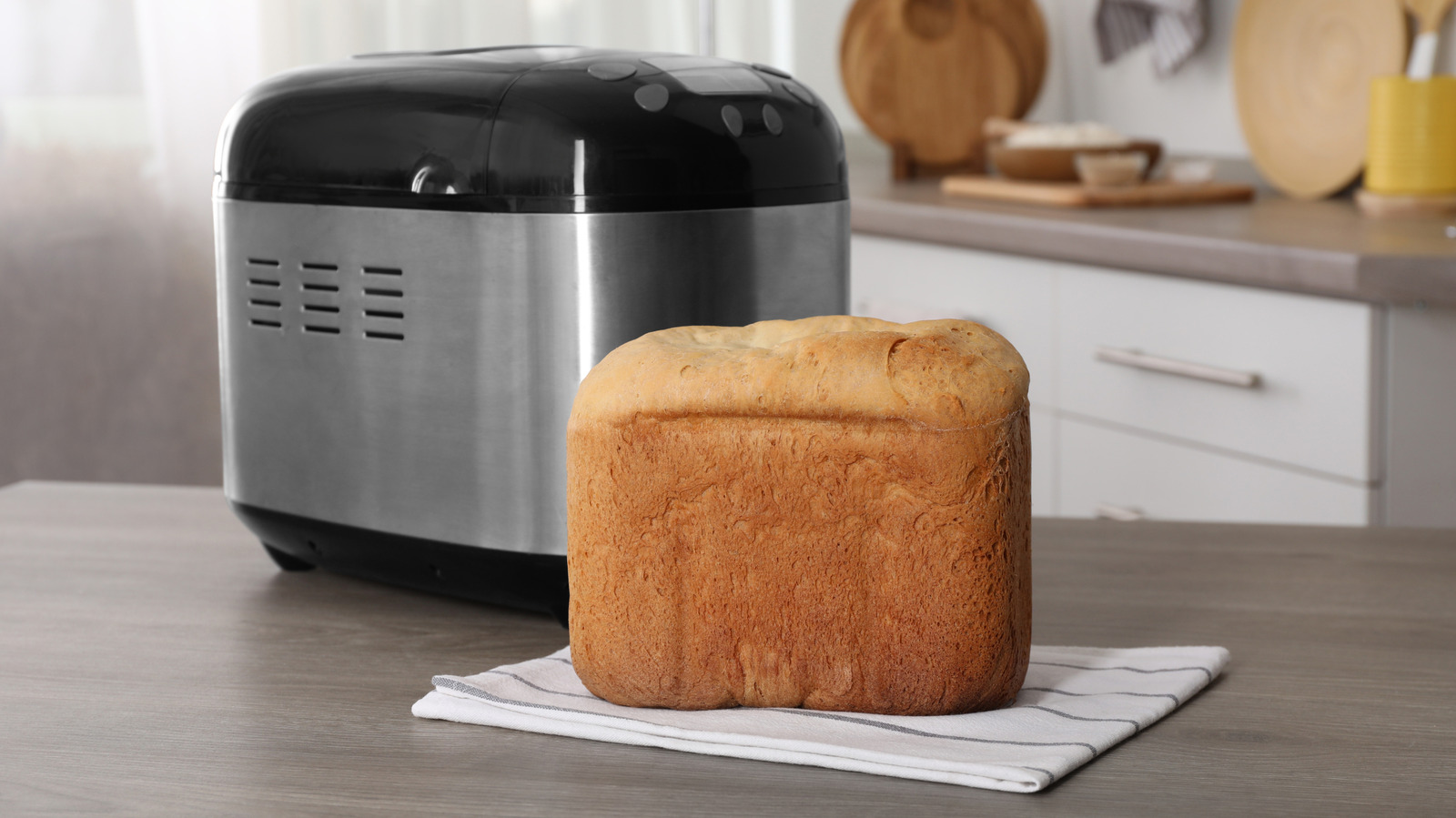
The internal components are the heart of the machine. The most important elements are the baking pan and the kneading paddle. Open the lid and inspect the non-stick coating. It should be smooth and intact. If you see deep gouges, heavy peeling, or significant flaking, put the unit back. These damaged surfaces are not only difficult to clean but can release chemicals or metal fragments into your food. Ensure the kneading paddle is present and fits snugly onto the central post; if it is missing, you are essentially looking at an expensive, specialized toaster.
Step 3: The Functional Stress Test
If the thrift store has an outlet or if you are meeting a private seller, always insist on a test run. Plug the unit in and check the digital display. Are all the segments visible? Do the buttons respond to tactile pressure? If the machine powers on, run it through a brief cycle—even if just for a minute—to ensure the motor engages the paddle. If the unit stalls, hums rhythmically without turning, or gives an error code, it is best to walk away.
Supporting Data: The Value of Used Hardware
The durability of older appliances is a point of frequent discussion among kitchen enthusiasts. While modern machines are designed with sophisticated features like fruit-and-nut dispensers and gluten-free settings, many of the older, "vintage" models found in thrift stores were built with more robust internal gears.
Data from consumer kitchen forums suggest that a secondhand machine from a reputable brand like Zojirushi, even if it is a decade old, will often outperform a budget-tier, brand-new machine. The "quality gap" is not just in the software, but in the thermal insulation and the reliability of the heating element. When you compare a $15 thrifted machine against a $150 entry-level unit, the math is overwhelmingly in favor of the secondhand market.
Furthermore, environmental impact is a significant factor. By purchasing a used appliance, you are extending the lifecycle of a product that would otherwise contribute to electronic waste. You are preventing a piece of complex machinery from ending up in a landfill, making this an environmentally sustainable choice as well as a fiscally responsible one.
Professional Perspectives on Secondhand Gear
Home economists and professional bakers often advocate for the "thrift-first" mentality when it comes to specialty kitchen tools. The consensus is clear: unless you require the absolute latest in "smart" technology or Wi-Fi-connected baking features, there is rarely a compelling reason to buy a bread machine at full retail price.
"The mechanics of breadmaking haven’t changed in thousands of years," says one industry expert. "You need a consistent heat source, a reliable motor to knead the dough, and a timer. A machine made in 2005 does those three things exactly as well as a machine made in 2025. Unless you need a specific app-controlled interface, the thrifted machine is the smarter choice."
Implications: Building a Full Kitchen on a Budget
The philosophy of thrifting a bread machine can be applied to almost every corner of the kitchen. Once you realize the savings available, the entire culinary landscape changes.
The Stand Mixer
KitchenAid stand mixers are the gold standard, but their price is a barrier for many. However, because these machines are built to last for generations, they are staples of the thrift circuit. An older, heavy-duty stand mixer found secondhand is often a better purchase than a brand-new plastic-geared mixer from a lesser brand.
The High-Performance Blender
A Vitamix or similar high-end blender is another item where the secondhand market shines. A new high-performance blender can cost $500. A used one, often found for $100-$150, will last longer than three or four cheap, entry-level blenders that burn out within a year of daily use.
The Baker’s Toolkit
Beyond appliances, the kitchen aisle is a treasure trove for bakers.
- Bannetons: These woven baskets are essential for proofing sourdough, yet they retail for $30 or more. They are frequently donated by aspiring bakers who realized they weren’t ready for the commitment of sourdough.
- Sheet Pans and Cake Pans: Often found in stacks for a few dollars, these are essential for high-volume baking.
- Pie Weights: These ceramic or metal balls are used for blind-baking crusts. They are expensive new but appear regularly in the "small goods" section of thrift stores.
Conclusion: The Strategy of Success
The ultimate rule of thrifting remains constant: Test before you buy, look for recognizable brands, and prioritize structural integrity over cosmetic beauty.
When you purchase a bread machine for $10, you are not just saving money; you are giving yourself the freedom to fail. If you bake one loaf and decide that breadmaking isn’t for you, you are out the price of a sandwich, not the price of a mid-range laptop. But if you do fall in love with the process, you have successfully acquired a tool that will provide you with years of delicious, home-baked loaves for a fraction of the cost.
Thrifting is an act of reclaiming the kitchen. By looking beyond the retail giants, you open your home to high-quality tools that are waiting for a second chance—all while keeping your hard-earned money in your pocket. The next time you walk past the appliance aisle, don’t just look at what’s on sale; look at what’s waiting to be rediscovered.