

The Strait of Malacca, one of the world’s most vital maritime arteries, is currently the backdrop for a deepening diplomatic and economic confrontation between two of Southeast Asia’s most influential neighbors. What began as a technical adjustment in energy trade has rapidly escalated into a multifaceted crisis involving natural gas supplies, environmental disputes, allegations of financial sabotage, and a fundamental shift in regional energy security strategies.
On October 23, the Indonesian government announced a 9% reduction in pipeline gas exports to Singapore, citing a domestic energy crunch. This move, while framed as a necessity for "national survival" by Jakarta, has been met with stern warnings from Singapore, which views the disruption as a breach of international commercial sanctity. As both nations navigate a post-pandemic landscape fraught with inflation and climate volatility, the gas dispute is exposing the fragility of regional interdependence.
I. Main Facts: A Sudden Pivot to "Survival Mode"
The core of the current friction lies in Indonesia’s decision to prioritize its internal market over long-standing export commitments. For decades, Indonesia has been a reliable supplier of natural gas to Singapore, providing the fuel necessary to power the city-state’s industrial and residential sectors. However, the announcement on October 23 to slash pipeline exports by 9% has sent ripples through the regional energy market.
Indonesia’s Coordinating Minister for Downstreaming and Energy Transition, Bahlil Lahadalia, framed the decision as an unavoidable consequence of domestic instability. He noted that Indonesia is currently in "survival mode," struggling to meet the energy demands of its own population amid a burgeoning fuel crisis.
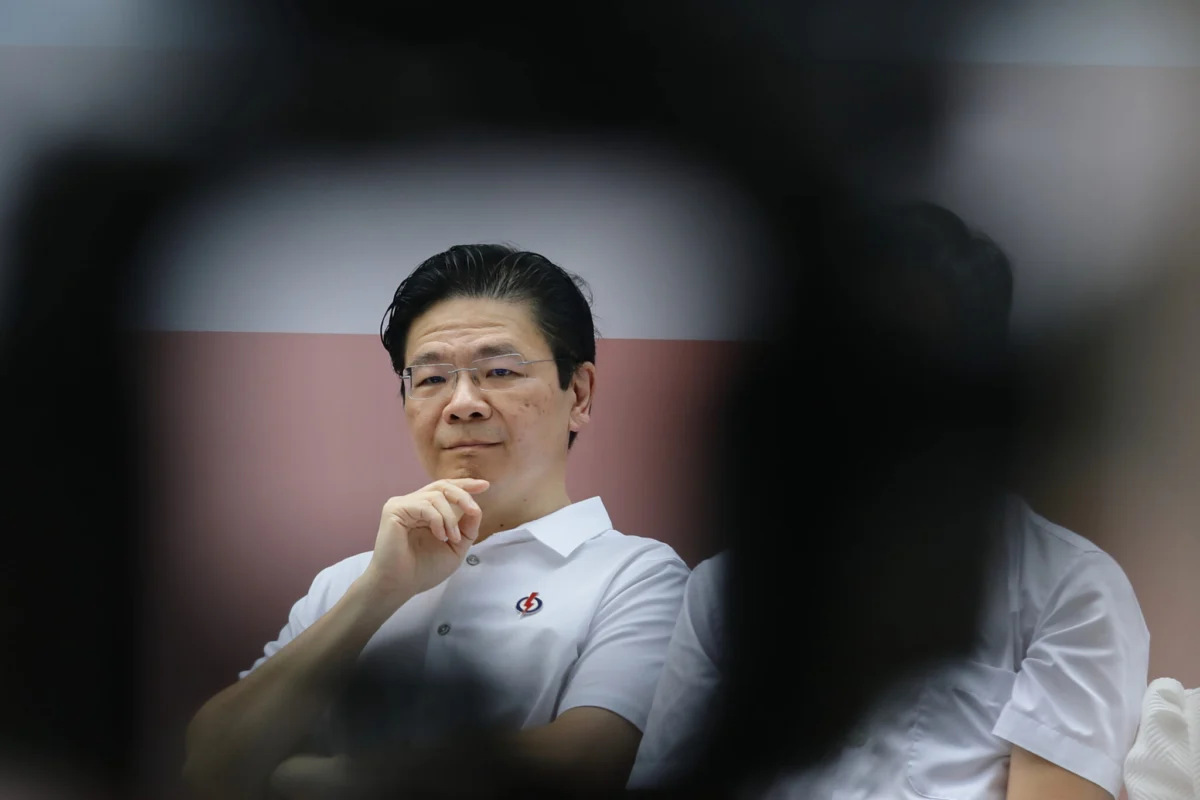
Singapore’s response was immediate and firm. Prime Minister Lawrence Wong, speaking at a party conference on October 25, emphasized that these gas supplies are governed by legally binding commercial contracts. He signaled that Singapore would not merely absorb the cut but would take "necessary steps to protect its rights and interests," implying potential legal or diplomatic recourse if the commitments are not honored.
This energy rift does not exist in a vacuum. It is compounded by a "toxic haze" currently blanketing the region—caused by Indonesian forest fires—and a looming threat by global index provider MSCI to downgrade Indonesia’s market status. The confluence of these factors has created a perfect storm of bilateral tension.
II. Chronology: The Week of Escalating Tensions
The timeline of the past week reveals a rapid deterioration in relations, characterized by domestic unrest in Indonesia and strategic maneuvering in Singapore.
- October 20: Former Indonesian Trade Minister Muhammad Lutfi makes a public and provocative allegation. He accuses Singapore’s state-owned investment giants, Temasek and GIC, of pressuring MSCI to downgrade Indonesia’s stock market status. Lutfi suggests this is a coordinated effort to drive down asset prices for a cheap "predatory" buy-in. Singapore denies these claims as "patently untrue."
- October 21: During a cabinet meeting, Minister Bahlil Lahadalia first floats the idea of halting or trimming gas exports. He tells reporters that domestic needs must take precedence over neighboring obligations.
- October 22: Massive student protests erupt in Jakarta, Bandung, and Yogyakarta. Thousands take to the streets to voice anger over the rising cost of living, government corruption, and the government’s inability to control the forest fires causing the regional haze.
- October 23: Indonesia officially implements the 9% cut in pipeline gas exports to Singapore. Simultaneously, reports emerge from Bali of motorists waiting in 24-hour queues for petrol, highlighting the severity of the domestic fuel shortage.
- October 25: Prime Minister Lawrence Wong and Energy Minister Tan See Leng address the nation. They reassure the public of Singapore’s energy resilience while warning Indonesia about the legal implications of contract breaches.
- October 26: Singapore shifts into a proactive strategic mode. The government announces a new agreement to store Saudi Arabian crude oil in rock caverns on Jurong Island and renews an energy MoU with Malaysia, effectively signaling a pivot away from over-reliance on Indonesian supply.
III. Supporting Data: The Logistics of Energy and Economics
To understand the stakes, one must look at the data governing the Singapore-Indonesia energy relationship.
The Energy Balance
Singapore is almost entirely dependent on natural gas for its electricity generation, with the resource accounting for 95% of its power sector demand. The country’s total daily gas demand exceeds 1,000 billion British thermal units per day (BBTUD). Historically, 40% of this supply has arrived via subsea pipelines from Indonesia and Malaysia. The remaining 60% is imported as Liquefied Natural Gas (LNG) from the global market.
While the 9% cut from Indonesia represents less than 2% of Singapore’s total daily power sector demand, the precedent is what alarms officials. In a tightly calibrated grid, any unpredicted drop in pipeline pressure requires immediate and often more expensive substitution via LNG spot markets.
The Domestic Crisis in Indonesia
Indonesia’s "survival mode" is backed by grim logistics. In Bali and parts of Java, the fuel distribution network has neared collapse, with petrol stations running dry and queues stretching for kilometers. This is occurring alongside an environmental disaster; forest fires have reached a scale where the "toxic haze" is not just a health hazard in Indonesia but is triggering legal threats from Singapore, which intends to prosecute companies responsible for the fires under its Transboundary Haze Pollution Act.
The MSCI Threat
The economic dimension is equally precarious. MSCI is considering downgrading Indonesia from "Emerging Market" to "Standalone" status—a drop of two rungs. Financial analysts estimate that such a downgrade could trigger a forced sell-off by passive index funds, potentially resulting in the withdrawal of billions of dollars in foreign investment. This explains the sensitivity of Indonesian officials like Muhammad Lutfi, who have sought to deflect blame toward Singaporean institutions.
IV. Official Responses: Sovereignty vs. Sanctity of Contract
The rhetoric from both capitals highlights a fundamental clash of priorities: national sovereignty versus the international rule of law.
From Jakarta:
Minister Bahlil Lahadalia’s comments reflect a populist necessity. "I, for one, might consider not extending gas exports… because we are in survival mode," he stated. For the Indonesian administration, the political cost of domestic energy riots outweighs the diplomatic cost of a 9% export trim. The administration is also battling a perception of weakness regarding the haze, leading to a more defensive and nationalistic posture in foreign policy.
From Singapore:
The Singaporean leadership has been calculated and firm. Prime Minister Lawrence Wong’s insistence that "all parties honor their commitments" is a message to global markets that Singapore will defend the legal frameworks that underpin its economy.
Minister of Energy, Trade and Industry Tan See Leng took a more pragmatic tone, focusing on resilience. "We have sufficient replacement gas from other sources like LNG," he told reporters. By downplaying the immediate physical impact of the cut, Singapore aims to prevent market panic while simultaneously preparing for a long-term shift in its energy sourcing.
From Malaysia:
Malaysia has emerged as a stabilizing partner for Singapore during this friction. Siti Safinah Salleh, CEO of Malaysia’s Energy Commission (Suruhanjaya Tenaga), emphasized the need for "close collaboration" and "cross-border electricity trade." The renewal of the MoU between Singapore and Malaysia serves as a strategic counterweight to the volatility seen in the Indonesian corridor.
V. Implications: A New Era of Energy Security
The fallout from this dispute will likely redefine the geopolitical landscape of Southeast Asia for the next decade. There are three primary areas where the impact will be most felt:
1. The Diversification of Singapore’s Energy Portfolio
Singapore is no longer content to rely on the proximity of Indonesian gas. The announcement to store Saudi Arabian crude in the Jurong Island rock caverns is a clear move toward building "multiple lines of defense." By utilizing underground storage, Singapore can insulate itself from short-term supply shocks and maritime blockades. Furthermore, the city-state is accelerating its LNG infrastructure to ensure it can pivot to global suppliers if regional pipeline partners prove unreliable.
2. The Rise of the Nuclear Option
Perhaps the most significant long-term implication is Prime Minister Wong’s public pivot toward nuclear energy. For a small, land-constrained island, nuclear power has long been considered too "difficult or controversial." However, the current gas crisis has changed the calculus. Wong’s statement that Singapore is "seriously studying the potential of nuclear energy" suggests that the government now views the risks of energy dependence on volatile neighbors as greater than the risks of modern nuclear technology.
3. Strained ASEAN Solidarity
The dispute tests the "ASEAN Way" of non-interference and consensus. Singapore’s plan to prosecute companies involved in the haze and its firm stance on gas contracts signal a move toward a more "litigious" diplomacy. Conversely, Indonesia’s inward turn suggests a period of "resource nationalism" that could hamper regional integration projects like the ASEAN Power Grid.
4. Economic Volatility for Indonesia
If Indonesia cannot stabilize its domestic fuel situation and resolve its friction with global index providers like MSCI, it faces a period of significant capital flight. The "conspiracy theories" regarding Singaporean interference may play well to a domestic audience, but they risk alienating the very foreign investors Jakarta needs to modernize its energy infrastructure.
In conclusion, the 9% reduction in gas exports is more than a supply hiccup; it is a symptom of a region in transition. As Indonesia grapples with internal discontent and Singapore seeks to fortify its sovereignty through technological and strategic shifts, the "gas diplomacy" across the Strait of Malacca will remain a critical barometer for the future of Southeast Asian relations.