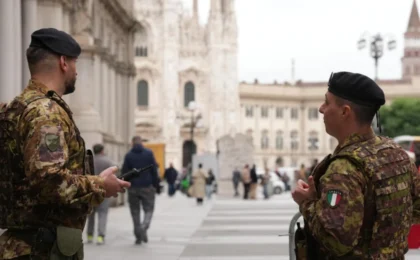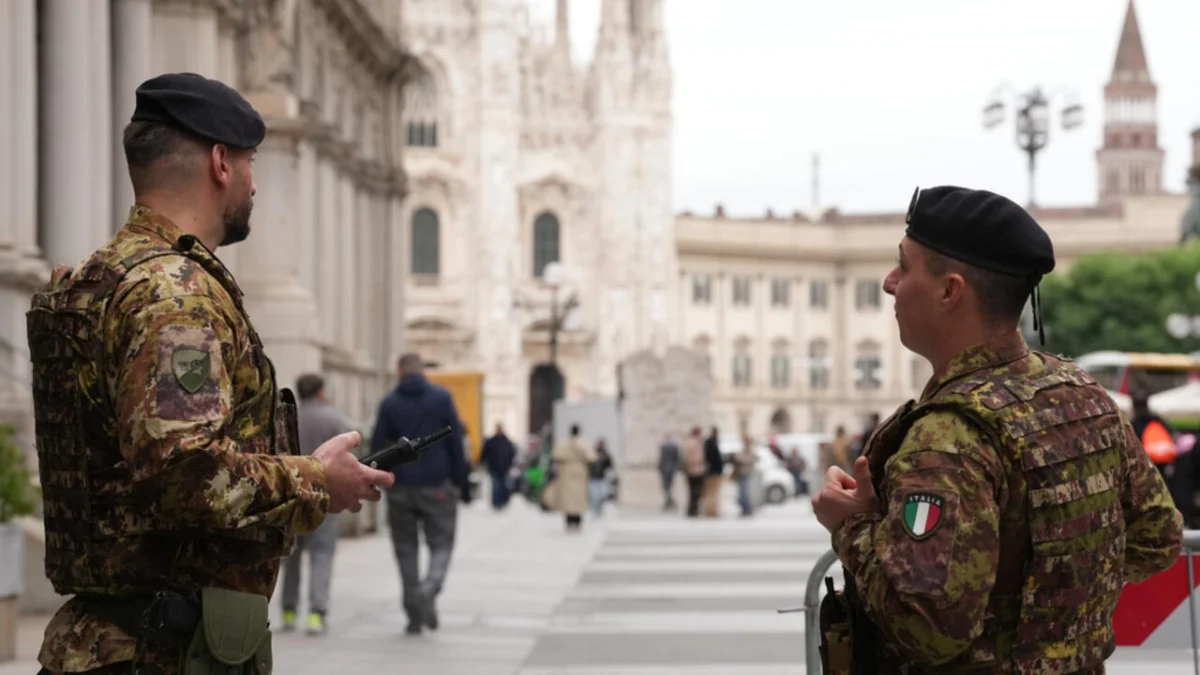
ROME – Italian authorities have launched a massive, multi-layered security operation across the country this Saturday, deploying hundreds of soldiers and utilizing advanced aerial surveillance to maintain order during a fresh wave of protests. Following a week of escalating unrest that saw violent clashes, looting, and widespread disruption, the government of Prime Minister Giorgia Meloni is attempting to strike a precarious balance between upholding the right to dissent and preventing the country’s major urban centers from descending into chaos.
The protests, which are scheduled to take place in eight major cities including Rome and Milan, represent a convergence of various grievances. From students demanding educational reform and fair economic opportunities to truck drivers and farmers protesting against the crippling cost of living, the demonstrations have become a flashpoint for widespread dissatisfaction with current government policies.
The Main Facts: A Nation at a Crossroads
The tension currently gripping Italy is the culmination of weeks of rising frustration regarding inflation, housing shortages, and the government’s fiscal approach. The "October 17 Movement," a decentralized protest collective, has organized a series of demonstrations scheduled for 13:00 GMT. The group has adopted a highly strategic and tactical approach, announcing that they will hold three simultaneous protest hubs in each city, with the final locations to be revealed only thirty minutes before the demonstrations commence. This "flash-mob" style tactic is specifically designed to overwhelm police resources and maintain mobility in the face of heavy security.
Simultaneously, the "Anti-imperialist Axis," a distinct organization, has scheduled a separate rally in Rome, focusing on anti-war sentiments and foreign policy critiques. These parallel movements have forced the Italian Ministry of the Interior to go on high alert, with police forces stating they will "saturate both physical and virtual territory" to prevent a repeat of the violence witnessed last weekend.
Chronology of the Crisis
The Build-Up: Economic Strain and Initial Unrest
The current unrest began simmering several weeks ago, driven by the dual pressures of the global energy crisis and domestic economic policy. As the cost of essential goods—including fuel, food, and energy—soared, the demographic base of the protests widened. Initially, the movement was dominated by labor unions representing truck drivers and agricultural workers. Their blockades, particularly in the south, were so effective that they caused significant supply chain issues, resulting in localized shortages of food and fuel.
The Turning Point: The Milan Riots
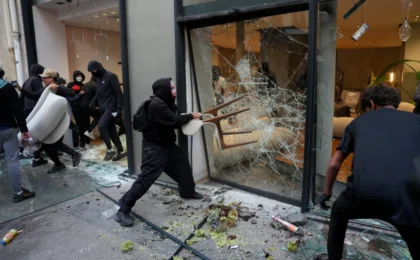
The situation deteriorated significantly last weekend. In Milan, traditionally a hub of commerce and fashion, demonstrations escalated into riots. Boutiques were looted, storefronts were smashed, and public property was damaged, prompting the government to take a harder line. The violence, which saw a significant number of minors among the arrested participants, sent shockwaves through the political establishment and forced the hand of local authorities.
The Government Response: The Security Decree
On Wednesday, Prime Minister Giorgia Meloni’s hard-right cabinet met to approve an emergency security decree. This legislative response introduces:
- Stricter Detention Rules: A streamlining of the process for detaining minors involved in violent protests.
- The Crime of "Violent Participation": A new legal designation that increases potential prison sentences for those involved in rioting.
- Parental Liability: New provisions that impose hefty fines on parents for damages caused by their children during demonstrations.
Supporting Data: The Economic and Social Impact
The protests are not merely political; they are deeply rooted in the economic reality of modern Italy. The impact of the recent trucker strikes alone has been estimated at millions of euros in lost revenue. For instance, the shutdown of logistics networks severely hampered the production of buffalo mozzarella—a key Italian export—costing producers approximately €3 million in just a few days.
Furthermore, the "cost of living" aspect of the protests is backed by sobering statistics. Italy, like much of Europe, is grappling with a housing crisis that has hit the youth and student populations particularly hard. When coupled with stagnant wages and the soaring price of fuel, the "materialist" demands of these protesters—seeking fairness and economic stability—have resonated with a broad spectrum of the Italian public.

The police response has been equally data-driven. In the wake of last weekend’s riots, intelligence units have conducted dozens of raids, utilizing forensic data and video surveillance to identify those involved in the looting. This "saturation" of the territory is not just a physical deployment; it is a digital one, involving drones and helicopters to provide a real-time tactical overview for the Carabinieri and the Polizia di Stato.
Official Responses: Between Law and Liberty
The government finds itself in a delicate position. Prime Minister Meloni has consistently emphasized the need for "law and order," framing the protestors not as legitimate voices of dissent but as threats to the stability of the state. However, the government has also attempted to address the underlying economic causes. In addition to the security decree, the cabinet has approved a series of subsidies and relief measures aimed at helping fishermen and transport workers absorb the spike in fuel costs. Most of the blockades in the south have since been cleared, but the social friction remains.
In Milan, Mayor Giuseppe Sala has emerged as a voice of calm, despite the pressure. Acknowledging that the city was under-resourced during the last wave of violence, he confirmed that additional military personnel have been deployed to patrol the city center. However, he has been adamant about one thing: the city will not be locked down.
"Last weekend there weren’t enough of us. We will simply try to be more numerous," Sala told Radio Lombardia. Addressing the business community, he urged shop owners to remain open, warning that if retailers succumb to panic and close their doors, the protesters will have achieved their goal of paralyzing the city. "If panic spreads, then everything stops," he remarked.
Implications: The Future of Italian Civil Society
The current standoff in Italy is a microcosm of a broader European trend. As the continent struggles with the long-term effects of the post-pandemic economic recovery and geopolitical instability, the "wave of anger" described by political analysts is becoming a fixture of the political landscape.
The Question of Youth Radicalization
One of the most concerning aspects for the Meloni government is the high level of participation among minors. The fact that the new security decree specifically targets parental responsibility indicates that the state is struggling to find ways to engage with, or control, a younger generation that feels largely disenfranchised by the current political system.
Long-Term Stability
The long-term implications are two-fold:
- Legislative Precedent: The "security decree" may set a precedent for how Italy handles future civil unrest. By linking participation in protests to broader criminal liability, the government risks alienating moderate protesters who may fear the legal consequences of gathering in public spaces.
- Economic Sustainability: While the government has provided temporary relief for sectors like transport, the fundamental issues—housing costs, energy prices, and wage stagnation—remain largely unaddressed. Without a comprehensive economic plan to tackle these root causes, the potential for further, perhaps more organized, unrest remains high.
As the sun sets over Rome and Milan this Saturday, the country waits to see if the increased military presence will serve as a deterrent or, conversely, as a lightning rod for further confrontation. The Italian state has drawn a line in the sand, but the protesters, organized by their encrypted networks and driven by tangible economic hardship, have signaled that they are not ready to retreat. The coming days will be a critical test for the Meloni administration’s ability to govern a nation that is increasingly finding its voice in the streets.