For decades, nutritional advice has focused almost exclusively on the "what"—the macro-nutrients, the calorie counts, and the vitamin profiles of our meals. However, a groundbreaking study from Oregon Health & Science University (OHSU) suggests that in the quest for metabolic health, we have been ignoring a critical variable: the "when."
New research published in the journal Clinical Gastroenterology and Hepatology reveals that the timing of our meals may be as influential as their composition. According to the study, individuals who consistently consume food late into the evening or after bedtime face a 20% to 30% higher risk of developing liver disease. This finding shifts the paradigm of preventative health, suggesting that the path to a healthier liver might not require a radical change in diet, but rather a simple adjustment to the clock.
The Core Findings: A 200,000-Person Snapshot
The OHSU-led research is one of the most comprehensive investigations into the relationship between meal timing and hepatic health to date. By synthesizing data from three massive, long-running longitudinal studies—the Nurses’ Health Study, the Nurses’ Health Study II, and the Health Professionals Follow-up Study—researchers were able to analyze the habits and health outcomes of nearly 200,000 participants.
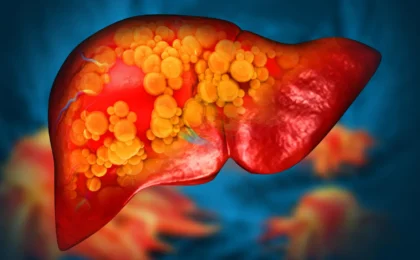
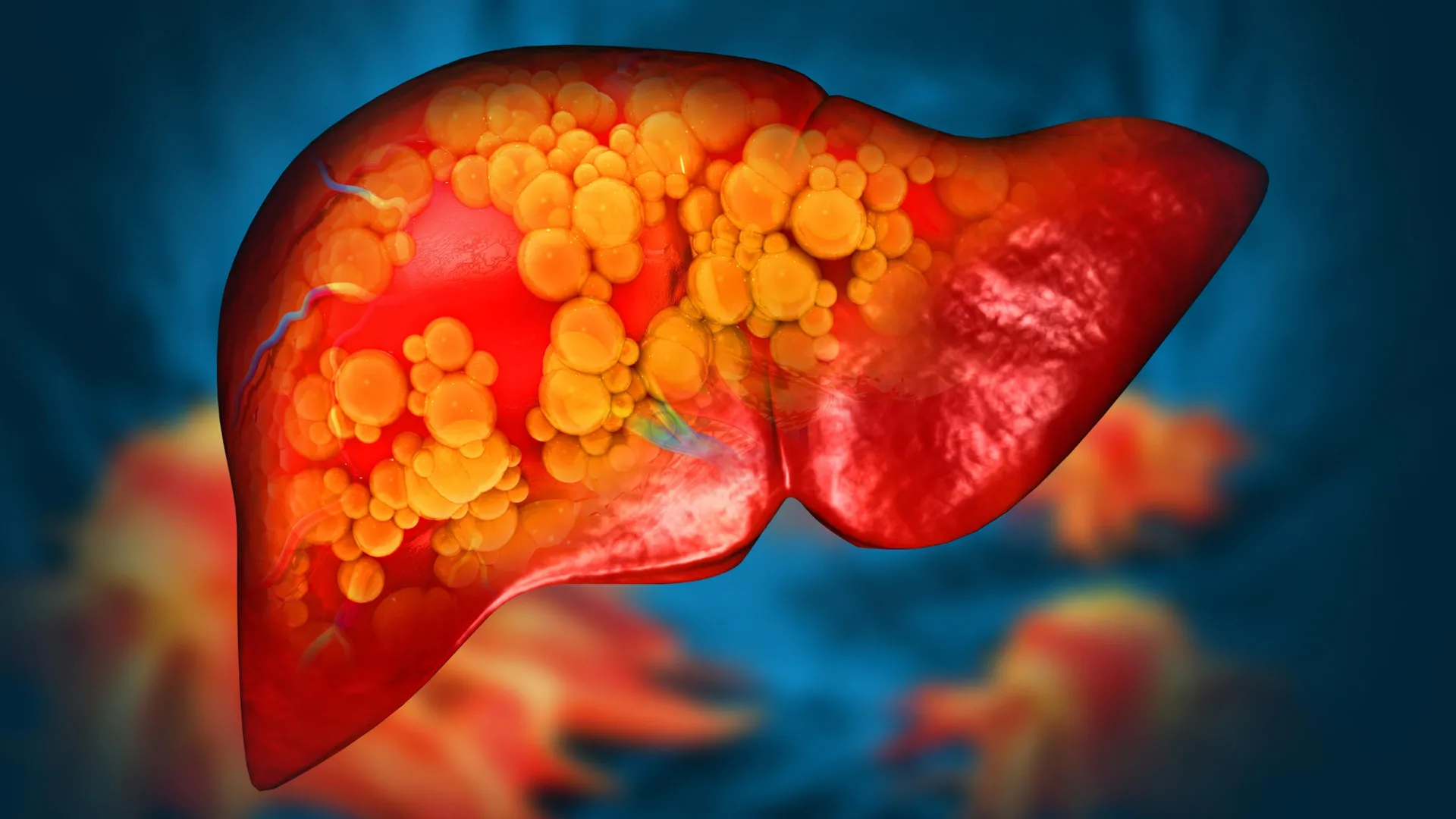
The sheer scale of this dataset allowed scientists to control for a variety of lifestyle factors, separating the impact of meal timing from other variables. The results were stark: those who made a habit of "night-owl eating" exhibited a significantly elevated incidence of metabolic dysfunction-associated steatotic liver disease (formerly known as fatty liver disease) and, in more severe cases, cirrhosis.
Fatty liver disease is a pervasive health issue in the United States, currently affecting approximately 30% of the population. It occurs when the liver becomes overwhelmed by excess fat, leading to inflammation and, in a subset of patients, permanent scarring (cirrhosis). While the majority of those with fatty liver disease do not progress to advanced scarring, the study highlights that our modern, 24-hour lifestyle may be inadvertently creating the perfect environment for the condition to take hold.
Chronology of the Research: From Observation to Analysis
The journey toward this discovery did not happen in a vacuum. Lead author Dr. Robert Wilechansky, a hepatologist specializing in liver transplantation at OHSU, noted that the medical community has long observed the negative consequences of circadian disruption.
Phase 1: The Circadian Hypothesis
The hypothesis originated from the well-documented struggles of night-shift workers. Medical literature has consistently shown that individuals whose work schedules force them to be awake and eating during hours that contradict their internal biological clocks suffer from higher rates of obesity, cardiovascular disease, and metabolic dysfunction. Dr. Wilechansky and his colleagues posited that if shifting the wake-sleep cycle leads to metabolic damage, perhaps the act of eating during the "biological night" is a primary driver of that dysfunction.
Phase 2: Statistical Synthesis
The researchers spent years aggregating data from the three primary health studies mentioned. By categorizing participants based on their reported eating windows and comparing those against medical records tracking the onset of liver conditions, the team was able to identify a consistent, statistically significant correlation. The 20% to 30% increase in risk remained robust even when adjusting for age, BMI, and other socioeconomic factors.
Phase 3: The Current Clinical Frontier
Recognizing that correlation does not equal causation, the research team has moved into a new phase. Dr. Wilechansky is currently leading a clinical trial at OHSU that seeks to move beyond self-reported data. By monitoring meal timing in a controlled environment and observing the real-time physiological response of the liver, the team hopes to confirm whether shifting calories to earlier in the day can actively reverse or mitigate the progression of fatty liver disease.
The Liver’s Internal Clock: Why Timing Matters
To understand why a midnight snack might be more damaging than an afternoon one, one must look at the liver as a finely tuned biological instrument. The liver is the body’s primary metabolic engine, responsible for nutrient processing, glucose regulation, and energy storage.
The Circadian Rhythm Connection
Every organ in the human body operates on a circadian rhythm—an internal, approximately 24-hour cycle governed by the suprachiasmatic nucleus in the brain. The liver is particularly sensitive to these rhythms. During the day, the body is primed to receive, digest, and store energy. However, as the sun sets and the body prepares for sleep, the metabolic system undergoes a shift. It moves into a "repair and recovery" mode.
When we consume food during these hours, we are essentially asking the liver to perform heavy-duty metabolic work during a time when it is biologically "clocked out." This misalignment disrupts the efficiency of insulin and glucose processing, leading to the accumulation of fat deposits within the liver—the hallmark of metabolic dysfunction.
The Expert Perspective
Dr. Andrew McHill, a co-author of the study and an associate professor specializing in sleep and circadian physiology at OHSU, emphasizes that the timing of behaviors is becoming a cornerstone of modern preventative medicine.
"We are seeing over and over again that the timing of behaviors—whether it’s sleep, eating, or exercise—really matters," Dr. McHill states. "When you eat during the night, when your internal biological clock is promoting sleep, your body is simply not equipped to metabolize that food as efficiently. Over time, that inefficiency results in chronic stress on the liver, eventually paving the way for diabetes, obesity, and liver disease."
Implications for Public Health and Lifestyle
The implications of this research are both profound and highly practical. In a world where food is available 24/7 and many people treat the hours between 8:00 p.m. and midnight as prime time for snacking, the OHSU findings serve as a necessary wake-up call.
A Low-Barrier Intervention
The most exciting aspect of this study is its accessibility. Changing one’s diet to be "healthier" often requires significant financial investment, culinary skill, and time. However, shifting the timing of one’s meals is, theoretically, free.
"The idea is appealing because changing when meals are consumed could be easier for some people than substantially changing their diets," says Dr. Wilechansky. By simply creating a "fasting window" of several hours before bedtime, individuals may be able to provide their liver with the physiological rest it requires to function optimally.
A Shift in Clinical Advice
For clinicians, the study suggests that nutritional counseling should no longer be limited to "what" a patient eats. Instead, practitioners should consider incorporating "circadian nutrition" into their treatment plans. This involves asking patients about their eating habits relative to their sleep schedule and encouraging the practice of front-loading calories to the earlier part of the day.
Limitations and Future Directions
Despite the compelling nature of the data, the authors are careful to acknowledge the limitations of their work. Because the study was observational, it cannot definitively prove that eating late causes liver disease. It is possible, for instance, that people who eat late have other underlying lifestyle habits that contribute to the risk.
Furthermore, the study relied on self-reported dietary patterns. Future research will need to utilize objective measures—such as continuous glucose monitors or wearable devices that track activity and intake—to refine our understanding of the exact metabolic pathways involved.
The upcoming clinical trial at OHSU represents the next logical step. By moving from the broad, population-level view of the Nurses’ Health Study to the granular, controlled environment of a clinical trial, researchers hope to definitively answer whether meal timing can serve as a potent therapeutic tool for patients already struggling with fatty liver disease.
Conclusion: A Simple Prescription for Longevity
As science continues to peel back the layers of how our internal biology interacts with our external habits, one thing is becoming increasingly clear: we are not meant to be active or eating around the clock. The OHSU study provides a compelling, evidence-based argument for returning to a more traditional eating schedule.
For most people, the message is simple: give your body a break. By closing the kitchen early and allowing your liver to follow its natural, nightly rhythm, you may be doing more for your long-term health than the most restrictive diet ever could. As the research team continues their work, the "midnight snack" may well become a relic of a less informed era, replaced by a mindful approach to eating that respects the biological clock we all carry within us.
The research mentioned in this article was supported by the American Association for the Study of Liver Diseases Foundation, award CTORA24-179910. The research team included Dr. Robert Wilechansky, Dr. Andrew McHill, Kevin Casey, M.P.H., Dr. Andrew Chan, and Dr. Tracey Simon.