For many urban dwellers, the true quality of a home is not defined by the square footage of the living room or the modern sheen of kitchen appliances. Instead, it is measured in the rhythmic, predictable beats of a Saturday morning: the ten-minute stroll to a favorite neighborhood roastery, the convenience of dropping a package at the post office, or the seamless transition onto a train to reach the city center. As the rental market continues to evolve, the physical environment surrounding a front door—the "walkability" of a neighborhood—has become just as critical as the floor plan itself.
Whether you are scouring listings in the historic, boutique-lined streets of Old Towne Orange, California, or navigating the bustling, high-density corridors of Philadelphia’s Center City, the blocks immediately surrounding your potential home shape your lifestyle in profound ways. This guide explores the multi-faceted concept of walkability and provides a strategic framework for using your personal routine to make an informed, long-term housing decision.
Defining Walkability: Beyond the Algorithms
At its core, walkability is a measure of how easily a resident can access their daily necessities on foot. While digital tools and mapping software have attempted to quantify this, the metric is far more nuanced than a simple percentage or a proximity radius. Urban planners typically evaluate walkability based on four key pillars: population density, the presence of diverse amenities, the connectivity of the street grid (intersection density), and the quality of the walking environment itself.
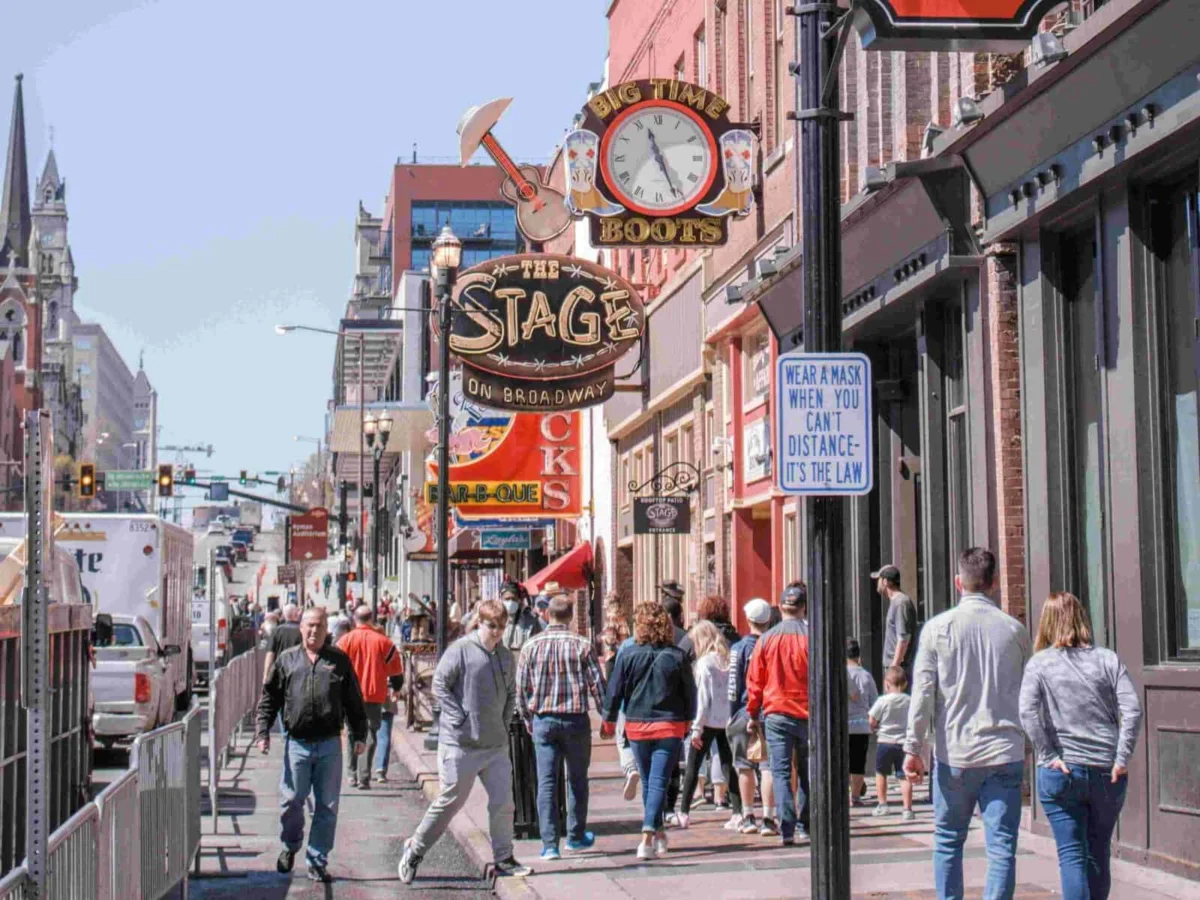
A highly walkable neighborhood is characterized by a "fine-grained" urban fabric—blocks that are short enough to encourage exploration, sidewalks that are well-maintained, and a mix of residential and commercial zoning that ensures human activity at all hours. However, the pursuit of a "high-score" neighborhood often involves a trade-off. Convenience and high-density living often come at the expense of absolute quiet, as the very vibrancy that makes a location walkable can also introduce the ambient hum of city life.
The Chronology of an Apartment Hunt: From Search to Street-Level Reality
Finding the right home requires a shift in perspective. Instead of starting with the apartment, start with the schedule.
Phase 1: The Personal Audit
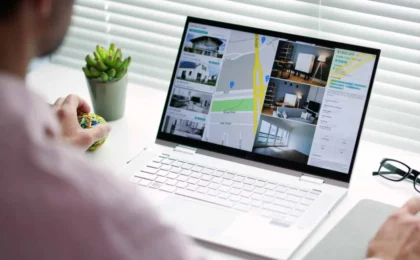
Before opening a real estate app, conduct a "Routine Inventory." List every location you frequent on a weekly basis. This might include your gym, a preferred pharmacy, a transit station, a grocery store, or a local park. Assign each location a frequency: daily, weekly, or occasional. This list becomes your "Walkability Benchmark." When viewing listings, ignore the marketing hyperbole and cross-reference the address against your list. How many of these stops are within a ten-minute walk? If you can eliminate the need for a car for 70% of your errands, you have found a high-utility location.
Phase 2: The On-Site Assessment
A listing description is a static representation of a dynamic space. To truly understand a neighborhood, you must experience it through the filter of your own lifestyle.
- The Time-Block Test: Visit the neighborhood at different times of the day. A street that feels like a tranquil urban oasis at 10:00 AM on a Tuesday may transform into a loud, congested corridor during the Friday night rush.
- The "Last Mile" Check: Even if a grocery store is nearby, is the walk safe? Are there wide, well-lit sidewalks? Is the route interrupted by high-speed arterial roads or highway on-ramps that break the pedestrian flow?
- The Nighttime Walk: Safety and comfort are subjective but critical. Always walk the path from the nearest transit stop to your potential building after dark. If the route feels uncomfortable, it will eventually become a deterrent, leading you back to your car.
Expert Perspectives: Regional Nuance
Walkability is not a universal constant; it is deeply tethered to regional planning history. In the United States, the geography of walkability is often a reflection of when and how a city was built.
Joshua Mark of Fidelity Management in Philadelphia emphasizes the practical application of this search: "The value of walkability is how many daily routines it puts within reach. When touring a neighborhood, I advise clients to look for a variety of services—barbers, salons, shipping shops, and diverse dining. I actually place less weight on walking to a massive big-box store. Those purchases are bulky and easily managed through same-day delivery or a quick car trip. The goal is to minimize the time spent in transit for your recurring, daily life."
Conversely, in regions like Southern California, the approach requires a different lens. Eric Engelbert of Orange County Real Estate, Inc. notes that in areas built primarily around the automobile, walkability is often an "underrated selling point."
"In Orange County, most of the infrastructure was designed for the car, so we look for ‘pockets’ of walkability," Engelbert explains. "Historic districts like the Orange Circle or parts of Santa Ana provide that traditional, walkable density. In other beach cities, it’s about access to paths that are set back from the main roads. If a seller has a property where a resident can reach a café or a trail without navigating a six-lane boulevard, that is a massive value-add that is often overlooked in listings."
Supporting Data and Economic Implications
The economic impact of walkability on rental markets is significant, though it remains a complex variable. Data from various urban analyses suggest that proximity to high-quality amenities typically correlates with higher rent premiums. This is often described as the "walkability dividend."
However, renters must be wary of the "premium vs. utility" trap. Paying an extra $300 per month to live in a walkable neighborhood can be a net positive if it allows you to eliminate a car payment, insurance, gas, and parking fees. Conversely, if you pay for the convenience of walkability but still find yourself driving for 90% of your errands, the financial equation fails.
When evaluating the cost, always factor in the "hidden" expenses of a neighborhood. Does the apartment come with a dedicated parking spot? If not, what is the monthly cost of a parking permit or a nearby garage? In many dense cities, the cost of parking can be a significant portion of the rent—an expense that should be factored into your walkability budget.
Implications for the Modern Renter
The modern apartment search is no longer just about the unit; it is about the integration of your life into the urban grid. By prioritizing walkability, you are essentially investing in a lifestyle of autonomy.
The Long-Term Impact
Choosing a home that supports a walking-heavy lifestyle has compounding benefits:
- Health and Wellness: Regular, incidental physical activity—walking to run errands—has been proven to improve cardiovascular health and reduce stress.
- Community Engagement: When you walk, you interact with your neighbors and local business owners. This builds a sense of "social capital" that is impossible to achieve from behind the windshield of a car.
- Environmental Impact: A reduced reliance on personal vehicles is the most effective way for an individual to lower their carbon footprint.
Frequently Asked Questions: Navigating the Walkable Rental Market
1. What does "walkable" truly mean for my daily life?
It is a spectrum. At one end, you have "pedestrian-only" living where you rarely touch a car. At the other, you have "walk-adjacent" living where you can reach a coffee shop or a park on foot, but still need a vehicle for groceries or commuting. Define your needs early: are you looking for complete car-free living or just a more active neighborhood?
2. Can I trust a "Walk Score"?
A Walk Score is an excellent starting point, but it is a data-driven tool, not a personal one. It aggregates data on proximity to amenities but cannot account for the "vibe" of a street, the quality of the sidewalk, or the subjective safety of a route. Use it as a filter, not as the final word.
3. How does walkability affect my lease terms?
High-walkability areas are often in high demand, which can lead to faster-moving markets and fewer concessions from landlords. Be prepared to act quickly, but also be diligent about reading the lease. In these areas, check for rules regarding bike storage or noise ordinances, as these become more relevant when your home is in a high-traffic zone.
4. What if my neighborhood isn’t traditionally "walkable"?
Don’t despair. Even in car-oriented cities, there are often "hidden" walking paths, greenbelts, or transit-oriented developments. Look for newer mixed-use buildings that include retail on the ground floor; these are often designed specifically to create instant walkability in otherwise suburban areas.
5. Why is it so important to walk the neighborhood at different times?
Cities are living, breathing organisms. A street that is safe and pleasant at 2:00 PM might be poorly lit or unnervingly empty at 11:00 PM. A street that is quiet on a Sunday might be a nightmare of delivery truck traffic on a Monday. Your rental is a long-term commitment; make sure you have seen the area in all its moods.
Conclusion
Your apartment is more than just a roof over your head; it is the launchpad for your daily life. By shifting the focus from the floor plan to the sidewalk, you move from a passive consumer of housing to an active curator of your lifestyle. Whether you are seeking the electric energy of a city center or the quiet charm of a walkable historic district, the secret to a happy rental experience lies in the rhythm of your own feet. Take the time to explore, ask the hard questions about the neighborhood, and choose a space that encourages you to step out and engage with the world around you.