PESHAWAR, Pakistan – A somber atmosphere has descended upon the northwestern Pakistani city of Peshawar following a catastrophic structural failure at a private school on Thursday, October 15, 2026. A roof collapse has resulted in the deaths of at least twenty-seven pupils and one teacher, marking one of the most harrowing civilian tragedies in the region in recent years. As emergency responders continue to sift through the debris, the incident has ignited a firestorm of public outrage regarding building safety standards and the regulation of private educational institutions.
The Catastrophe: A Morning Turned to Horror
The tragedy unfolded during standard morning classes. According to witnesses, there was no warning before the ceiling of the school building gave way, burying students and staff under tons of concrete, rebar, and debris.
Asim Khan, a spokesperson for the Lady Reading Hospital in Peshawar, confirmed the staggering death toll throughout the afternoon. "We have received twenty-eight bodies, including twenty-seven children and one teacher," Khan stated, his voice reflecting the gravity of the situation. Beyond the fatalities, medical facilities are struggling to manage an influx of more than thirty injured survivors. Six of these patients remain in critical condition, with doctors working around the clock to address severe trauma and crushing injuries.
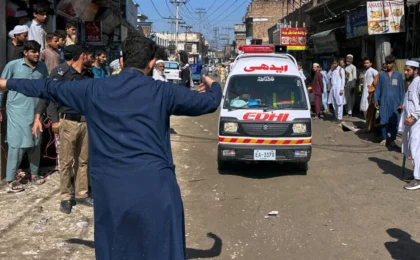
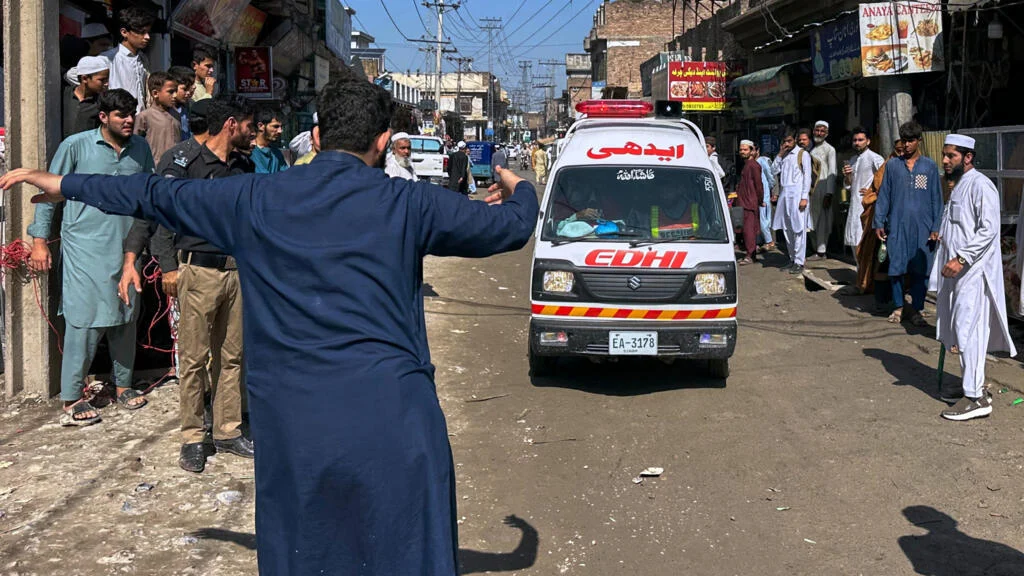
Local residents and parents rushed to the site shortly after the collapse, desperate to locate their children. The scene was characterized by chaotic scenes of grief as volunteers and first responders utilized manual tools and heavy machinery to pull victims from the wreckage. The image of volunteers clearing paths for ambulances has become the defining, heartbreaking symbol of the day’s events.
Chronology of the Disaster
The timeline of the tragedy reflects the frantic efforts of the community to manage the crisis:
- 08:30 AM: Classes officially begin at the private institution, which served a densely populated neighborhood in Peshawar.
- Approx. 10:00 AM: The roof structure suffers a catastrophic failure. Nearby residents report hearing a thunderous crash, followed by immediate silence and then panicked screaming.
- 10:15 AM: Initial distress calls reach emergency services. Local volunteers arrive on the scene within minutes, beginning the arduous process of manual excavation.
- 10:45 AM: The first wave of ambulances arrives at Lady Reading Hospital, carrying the most severely injured.
- 11:30 AM: Local authorities cordoned off the area to prevent further casualties from secondary structural shifts and to allow for organized rescue operations.
- 01:00 PM: Official confirmation of the initial death toll begins to circulate as hospital officials consolidate data from the morgue and emergency wards.
- 03:00 PM: Search and rescue operations transition into recovery efforts as the probability of finding survivors under the deep rubble wanes.
The Hidden Crisis: Infrastructure and Regulation in Pakistan
While the immediate cause of the collapse is being investigated as a structural failure, the disaster has brought long-standing issues with construction standards in Pakistan to the forefront of the national conversation.
Many private schools in Pakistan operate in converted residential buildings that were never designed to hold the weight of classrooms packed with dozens of students. Rapid urbanization and the lack of oversight by municipal authorities have allowed "low-cost" private education providers to proliferate in structures that often fail to meet basic building codes.
"This is not merely an accident; it is the inevitable outcome of negligence," says an urban planning expert based in Islamabad. "When buildings are repurposed without professional engineering assessments, and when municipal inspectors are either understaffed or susceptible to corruption, the result is a ticking time bomb. Today, that bomb went off in Peshawar."
The weight of the debris, combined with the lack of emergency exits or fire-safety protocols, likely exacerbated the death toll. Investigators are expected to look into whether recent modifications to the building—such as the addition of unauthorized floors or heavy equipment—played a role in weakening the structural integrity of the roof.

Official Responses and Political Fallout
The government of Khyber Pakhtunkhwa province has declared a period of mourning, with provincial leaders expressing deep condolences to the bereaved families. A high-level judicial inquiry has been ordered to determine the cause of the collapse and to assign liability for the negligence that led to the deaths.
"We are committed to finding out exactly how this happened," said a spokesperson for the provincial administration. "Those responsible for the structural failures at this school will be held accountable, regardless of their status. We must ensure that our children are safe in their classrooms."
However, such promises have been met with skepticism from a grieving public. Many parents, gathered outside the hospital, demanded immediate inspections of all private schools in the city. There are growing calls for the government to mandate structural audits for any facility operating as a school, with a warning that the public will not tolerate bureaucratic delays.
Socio-Economic Implications and Future Risks
The loss of twenty-seven children in a single incident is a profound demographic and social blow to the community. In a country where education is a hard-won right for many, the fear that schools themselves are dangerous traps is likely to lead to a temporary drop in attendance as parents keep their children home out of fear.
Furthermore, this tragedy occurs against a backdrop of wider instability in the region. Pakistan has been grappling with various security challenges, including the rise of drone-based threats and insurgent activity. While the collapse is currently viewed as a construction failure rather than an act of terrorism, the incident adds to the immense pressure on the provincial government’s resources and the public’s trust in state institutions.
The economic burden of the recovery—not just the medical costs but the long-term support for the grieving families—will fall heavily on the local government. Furthermore, the potential legal battles involving school owners and construction contractors could drag on for years, reflecting the broader challenges of the Pakistani judicial system in handling mass-casualty negligence cases.
The Path Forward: A Call for Reform
As the nation reflects on the tragedy, the focus must shift from reactive mourning to proactive prevention. Experts suggest several key areas for immediate reform:
- Mandatory Structural Audits: A nationwide or at least province-wide mandate requiring all educational institutions, particularly private ones in converted residential buildings, to undergo a structural safety inspection by licensed engineers.
- Stricter Zoning Laws: Enforcing regulations that prohibit schools from operating in buildings not zoned for high-density public occupancy.
- Enhanced Municipal Oversight: Increasing the funding and authority of building control departments to ensure that illegal construction—such as adding unauthorized floors—is identified and halted before it leads to disaster.
- Public Awareness Campaigns: Educating parents on how to identify warning signs of structural instability in their children’s schools, such as visible cracks in load-bearing walls or sagging ceilings.
The tragedy in Peshawar is a stark reminder that the safety of the next generation must be prioritized over the convenience of low-cost, unregulated development. For now, the city remains in shock, mourning a loss that has left a void in the hearts of families and the wider community. The coming weeks will be critical, as the inquiry begins and the country grapples with the question of how to ensure that a classroom—a place of learning and hope—never again becomes a site of such profound tragedy.
As rescue teams conclude their work, the city of Peshawar is left to bury its children, while the rest of the country looks on, wondering if the lessons of this horrific day will finally lead to the structural and regulatory reforms necessary to prevent a recurrence. The lives lost on October 15, 2026, demand nothing less than a systemic transformation of how Pakistan protects its most vulnerable citizens.