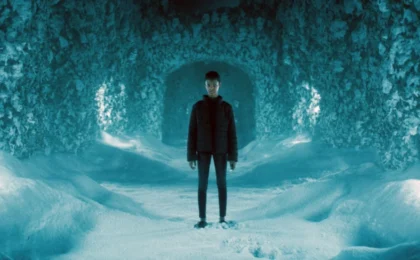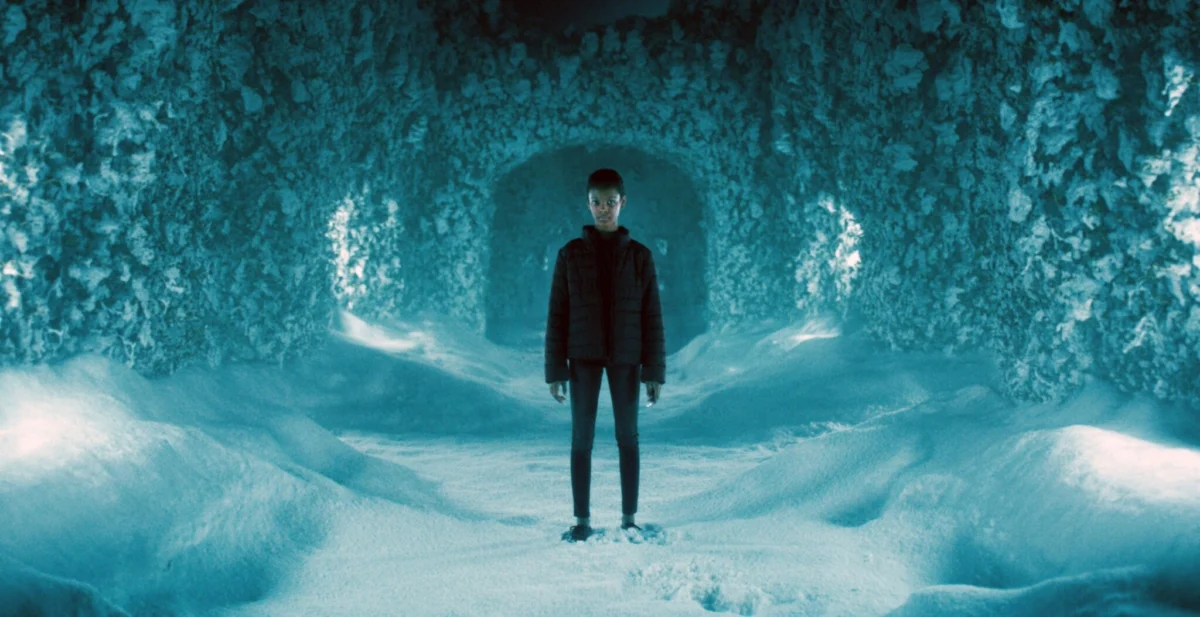
For decades, the relationship between Stephen King and the cinematic adaptation of his seminal 1977 novel, The Shining, was defined by a profound, artistic animosity. Stanley Kubrick’s 1980 film is widely regarded as a cornerstone of horror cinema, a technical masterpiece of psychological dread. Yet, to its author, it remained a "Cadillac with no engine"—a hollow, beautiful shell that stripped his story of its heart.
The rift seemed permanent. King famously lamented the casting of Jack Nicholson, whose inherent intensity lacked the "everyman" tragedy King envisioned for Jack Torrance, and he decried the treatment of Wendy Torrance, labeling the film’s portrayal of her as misogynistic. For years, the two titans of horror existed in a state of mutual exclusion. That was until Mike Flanagan, the architect behind Netflix’s The Haunting of Hill House, took on the impossible task of adapting Doctor Sleep. In doing so, he achieved the unthinkable: he bridged the gap between King’s literary soul and Kubrick’s visual ghost, ultimately redeeming a legacy that had been fractured for nearly forty years.
The Chronology of a Creative Feud
To understand the magnitude of Flanagan’s achievement, one must look at the historical friction between King and the Overlook Hotel.
In the late 1970s, King was arguably at the height of his creative powers. The Shining was a deeply personal exploration of alcoholism, fatherhood, and the generational trauma of abuse. When Kubrick—a director known for his cold, clinical precision—took the reins, the collision of styles was immediate. King’s version of Jack Torrance was a man struggling to be good, eventually consumed by the malevolent forces of the hotel. Kubrick’s version, according to King, was a man who seemed unstable from the first frame.
By the time King published his 2013 novel, Doctor Sleep, the literary world was ready for a sequel. The book was a critical triumph, offering a poignant look at an adult Danny Torrance (Dan) as he grappled with the psychic scars of his childhood. When the film rights were optioned, the challenge wasn’t just to adapt the book; it was to decide which reality to occupy. Should the film follow the canon of the novel, where the Overlook had burned to the ground, or the reality of the 1980 film, where it remained a standing monument of horror?
Bridging the Impossible: Flanagan’s Vision
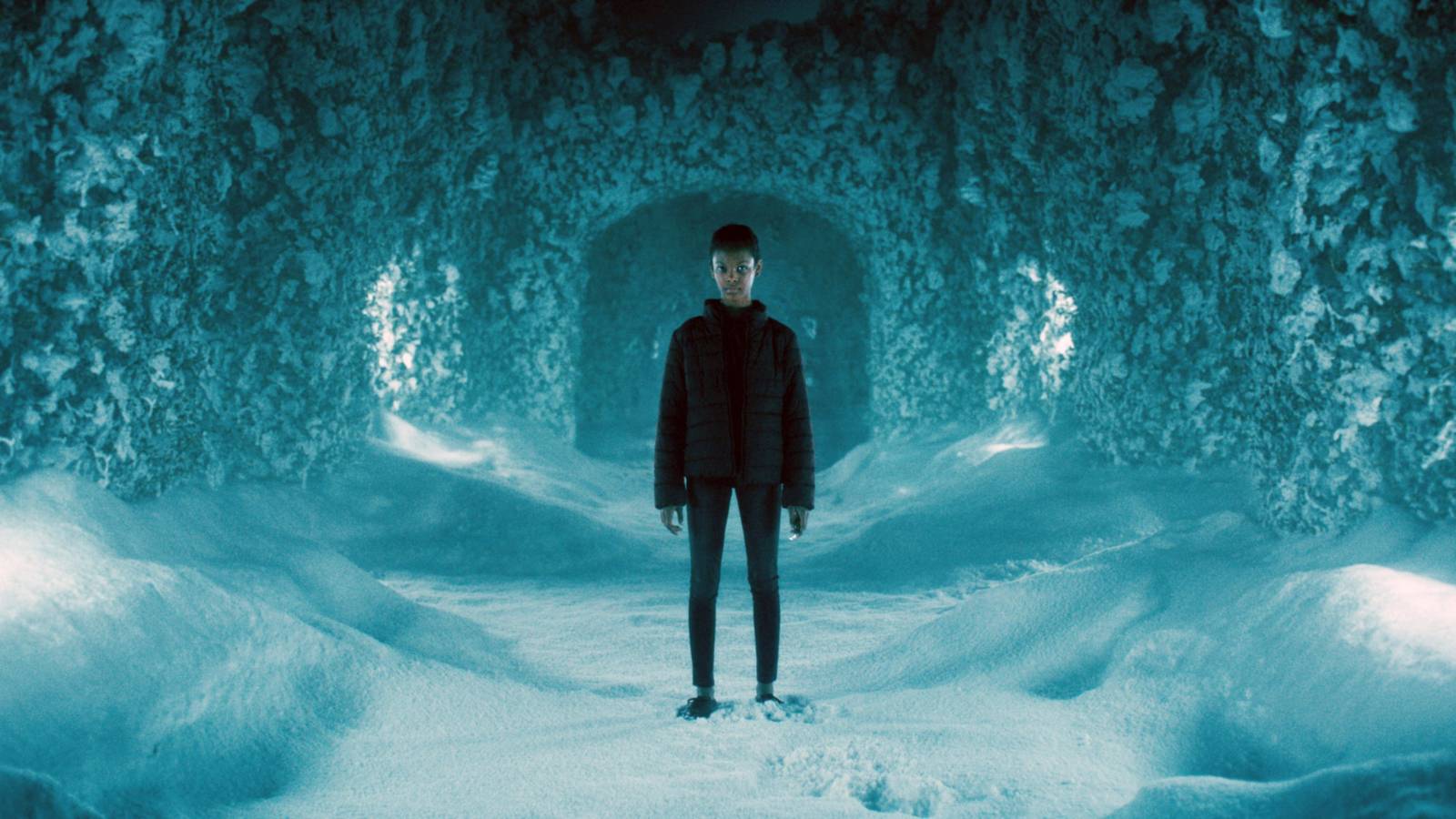
Mike Flanagan’s approach was rooted in a radical honesty that disarmed the author from the outset. Flanagan, a self-confessed "King fanatic," understood that for an audience, the idea of the Overlook was inextricably linked to Kubrick’s visual language.
"I said, ‘Look, I’m a King fanatic, I have been since I’m a kid, you are my hero, but when I read Doctor Sleep, all the images in my head were Kubrick’s images,’" Flanagan explained to Entertainment Weekly during the film’s development. "There’s no other language to tell that story in. If you say ‘Overlook Hotel,’ I see something. It lives right up in my brain because of Stanley Kubrick."
This candid admission was the key to the castle. Flanagan did not attempt to invalidate Kubrick’s work; he sought to absorb it. He proposed a narrative that would treat the 1980 film as a historical event within the universe of the new story, allowing him to reconstruct the iconic sets—the Gold Room, the maze, the lobby—with an almost forensic obsession.
The Mechanics of Reconciliation
The brilliance of Doctor Sleep lies in its structural synthesis. Flanagan had to balance the high-fantasy elements of King’s "True Knot"—a group of psychic vampires led by the charismatic Rose the Hat—with the claustrophobic, spectral dread of the Overlook.
The Return to the Overlook
In King’s novel, the Overlook is a memory, a site of ash. In the film, the hotel becomes a character, a trap, and a final battlefield. By bringing Danny Torrance back to the physical location of his trauma, Flanagan allowed for a catharsis that the original novel didn’t necessarily require but that the cinematic audience desperately needed. It was a bold narrative pivot, one that could have easily alienated King. Instead, it became the bridge.

The Characterization of Danny Torrance
Ewan McGregor’s portrayal of the adult Danny was pivotal. He embodied the weariness of a man who had spent his life trying to suppress his "Shine" through substance abuse, mirroring the very struggles his father faced. By anchoring the film in Danny’s journey toward sobriety and self-forgiveness, Flanagan honored the emotional core of King’s writing while maintaining the atmospheric tension of the Kubrick era.
Official Responses and the "Flip"
The ultimate test for Flanagan was the author’s reaction. King had been historically protective and critical of the 1980 adaptation. His endorsement was not a given.
In a surprising turn of events, the author who had spent decades distancing himself from Kubrick’s film publicly embraced Flanagan’s vision. "Mike took my material, he created a terrific story, people who have seen this movie flip for it, and I flipped for it, too," King noted. "He managed to take my novel of Doctor Sleep, the sequel, and somehow weld it seamlessly to the Kubrick version of The Shining, the movie. So, yeah, I liked it a lot."
This endorsement was not merely a PR soundbite. It represented a fundamental shift in how the creator viewed his own work in relation to its adaptations. It suggested that, through Flanagan’s intervention, King had found a way to compartmentalize his grievances with the 1980 film and appreciate the shared universe that had finally been realized.
Implications for Future Adaptations
The success of Doctor Sleep—both critically and in the eyes of its creator—has set a new standard for how legacy horror properties should be handled. It proved that adaptations do not have to be "either/or" propositions. By respecting the source material while acknowledging the cultural weight of previous interpretations, creators can build a more cohesive tapestry.
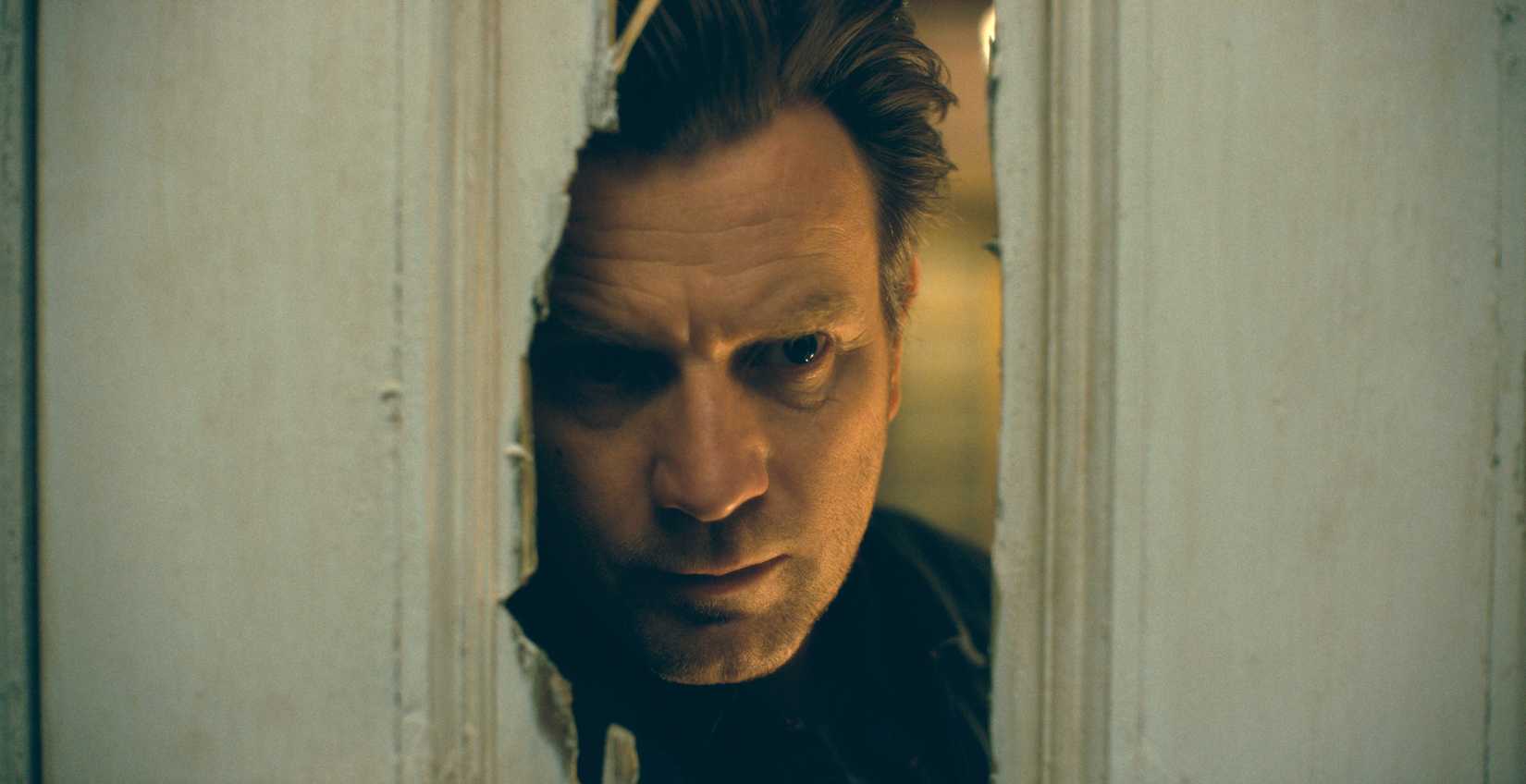
The film’s box office performance, while modest, has not diminished its cultural standing. Doctor Sleep is now widely considered one of the best King adaptations ever produced. It stands as a masterclass in adaptation, showing that even the most damaged relationships—in this case, between an author and his most famous cinematic interpretation—can be mended with empathy, technical skill, and a deep, abiding love for the lore.
Looking Back: Why It Matters
The "fractured legacy" of The Shining was never just about a bad movie or a grumpy author. It was a symptom of a larger struggle in Hollywood: the tug-of-war between the vision of the auteur and the intent of the writer.
Mike Flanagan didn’t just make a movie; he performed an act of cinematic diplomacy. He proved that Stanley Kubrick’s The Shining and Stephen King’s The Shining could coexist, provided they were held together by a story that cared about the people inside the hotel as much as the ghosts haunting the hallways.
For fans of horror, this resolution is perhaps the most satisfying element of the entire project. In a genre that often favors shock over substance, the redemption of Danny Torrance—and the peace reached between the men who created him—remains a powerful testament to the healing nature of storytelling.
As Doctor Sleep continues to find new audiences on platforms like Paramount Plus, it serves as a reminder that stories are never static. They evolve, they adapt, and in the right hands, they can even heal the wounds of the past. The Overlook Hotel may be a place of horror, but thanks to Mike Flanagan, it has finally become a place of closure.