Square Enix stands as a titan in the gaming industry, a monolith of Japanese role-playing game (JRPG) development that has defined the genre for decades. With legendary franchises like Final Fantasy, Dragon Quest, and Kingdom Hearts anchoring their portfolio, the company has consistently set the gold standard for narrative-driven experiences. However, the history of Square Enix is also paved with ambitious experiments, experimental spin-offs, and critical darlings that—for reasons ranging from shifting corporate strategies to the limitations of hardware—fell into obscurity.
As the industry pivots toward the "remake era," where titles like Final Fantasy VII Rebirth breathe new life into foundational classics, a burning question remains: What about the games left behind? Whether through direct ports, refined remasters, or ground-up reimaginings, several Square Enix titles possess the DNA of greatness but currently sit in a state of professional neglect.
The Chronology of Neglect
The timeline of these forgotten gems spans from the peak of the 32-bit console era to the experimental mobile-first gaming wave of the early 2010s.

- 1995: Chrono Trigger launches on the SNES, setting a bar for quality that has arguably never been surpassed.
- 1998: Parasite Eve debuts on the PlayStation, showcasing a bold, cinematic fusion of survival horror and RPG mechanics.
- 1998: Xenogears pushes the boundaries of narrative complexity, despite being famously unfinished in its second act.
- 2011: Final Fantasy Type-0 hits the PSP, offering a darker, more tactical take on the Final Fantasy universe.
- 2013: Bloodmasque arrives as an experimental mobile title, testing the waters of high-end storytelling on touch-based devices.
These titles represent the creative restlessness of Square Enix. They were never meant to be one-off experiments, yet in the decades since their release, they have seen varying degrees of developer support, ranging from "minimal" to "non-existent."
1. Parasite Eve: A Cinematic Masterpiece in Limbo
Parasite Eve remains one of the most unique entries in the Square Enix canon. Released in 1998, it positioned itself as a sophisticated, mature urban fantasy. Following NYPD detective Aya Brea as she confronts a mitochondrial-based supernatural threat in Manhattan, the game captured the gritty, aesthetic-focused horror trends of the late 90s.
By utilizing a modified Final Fantasy VII engine, the developers created a game that felt like an interactive Hollywood blockbuster. Critics at the time praised its innovative combat system, which blended real-time movement with tactical menu-based commands. Despite spawning two sequels, the franchise has effectively vanished from modern storefronts. The potential for a remake using contemporary visual technology is immense, especially considering the current appetite for "prestige" horror-RPGs.

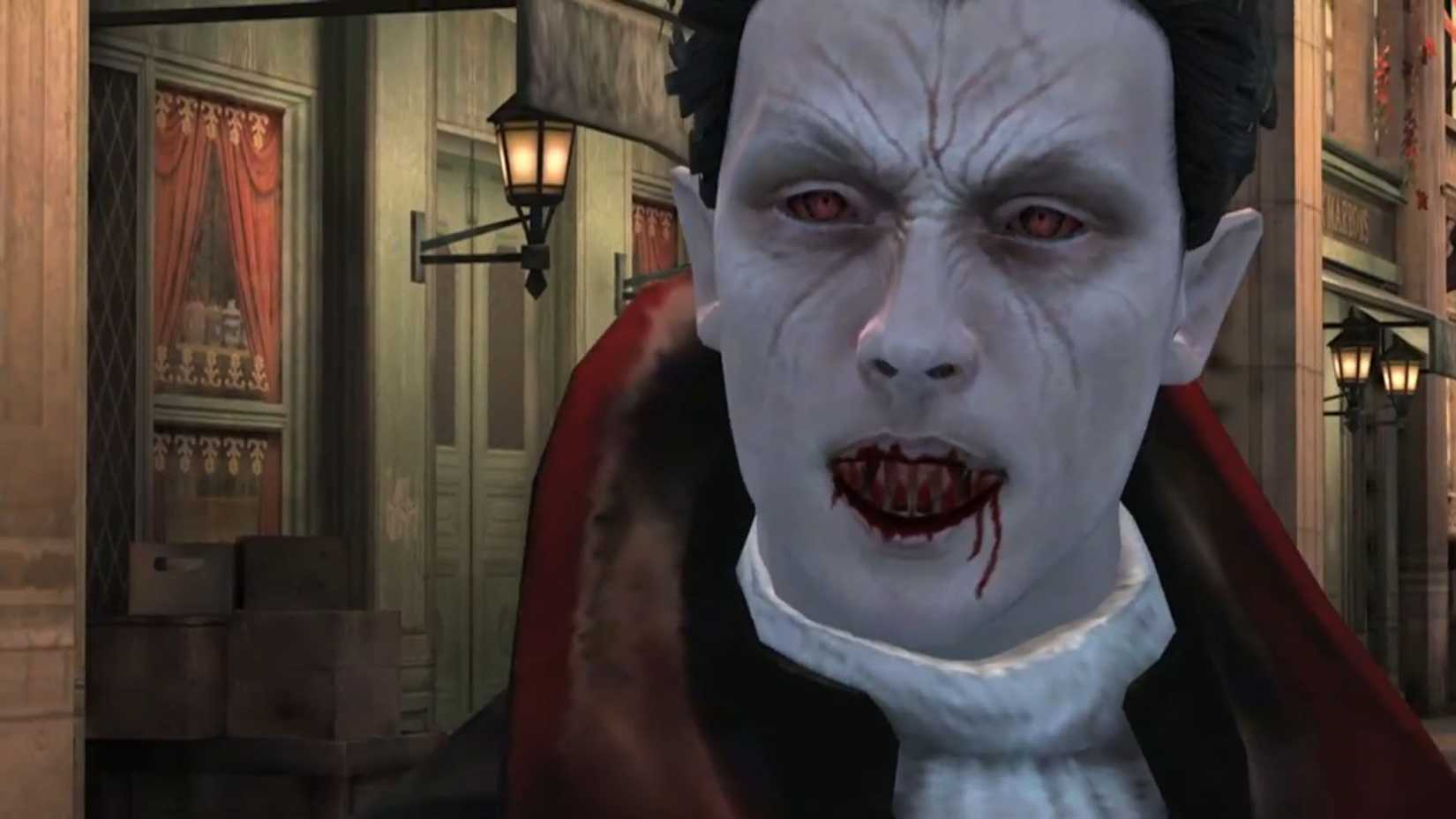
2. Bloodmasque: The Lost Lore of 19th-Century Paris
Perhaps the most obscure title on this list, 2013’s Bloodmasque serves as a case study in platform-locked fragility. Set in an alternate, vampire-infested 19th-century Paris, the game featured a highly stylized aesthetic that distinguished it from the typical high-fantasy tropes of the era.
Kazutoyo Maehiro, the director of Final Fantasy Tactics: The Ivalice Chronicles, was heavily involved in the game’s world-building, crafting over 3,000 years of lore that spanned from historical Earth to outer space. Because it was developed exclusively for mobile devices, it suffered from a lack of hardware longevity. Maehiro himself has expressed interest in revisiting the concept, noting that the modular nature of the story could support a modern revival. Bloodmasque stands as a testament to the "hidden gem" phenomenon, where a brilliant creative vision is buried under the weight of an outdated distribution model.
3. Xenogears: The Ambition of a Generation
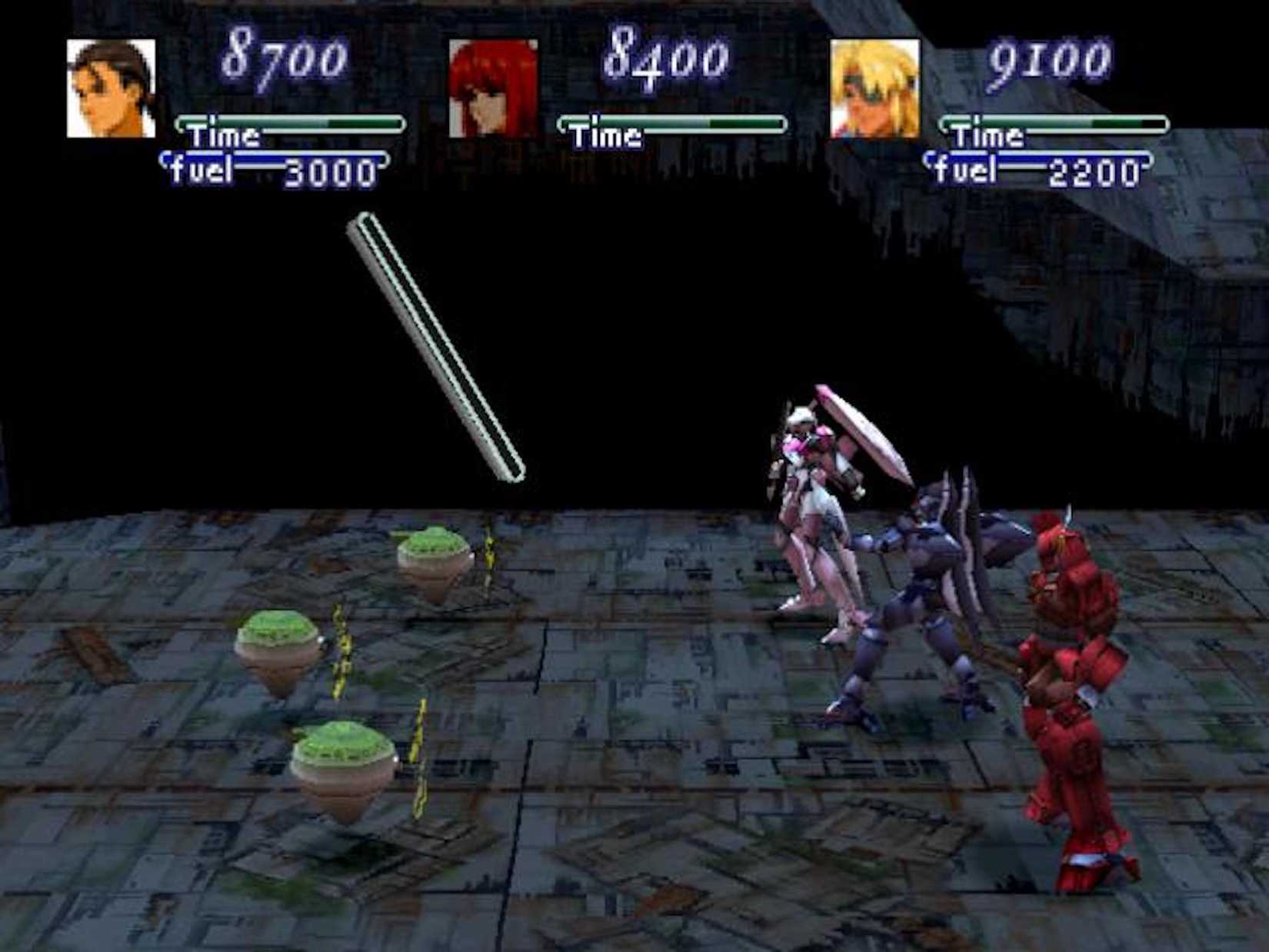
Xenogears is widely considered one of the most audacious projects Squaresoft ever greenlit. Conceived as a pitch for Final Fantasy VII before being spun off into its own intellectual property, it combined deep psychological narratives with giant mecha combat.

The game is notorious for its "unfinished" second disc, where the gameplay shifts dramatically to long, exposition-heavy narrative sequences. Despite these production issues, the game remains a cult classic. Its influence persists in the Xenoblade Chronicles series, led by creator Tetsuya Takahashi at Monolith Soft. While industry leaders like Naoki Hamaguchi have expressed concerns regarding the sheer scale required to remake such a massive, complex project, the demand for a modernized Xenogears remains one of the most persistent requests from the hardcore JRPG community.
4. Final Fantasy Type-0: The Road Not Taken
Final Fantasy Type-0 arrived at a time when Square Enix was struggling to define the future of its flagship series. By blending the social simulation elements of Persona with an ensemble-cast war drama, Type-0 offered a vision of Final Fantasy that was grounded in high-stakes tactical combat.
Though it received an HD remaster in 2015, the game has largely been relegated to the sidelines of the broader franchise history. Its unique "magical school" setting and the focus on a large, expendable cast provided a refreshing departure from the "chosen one" trope. The lack of a follow-up or a deeper integration into the Final Fantasy brand feels like a missed opportunity to explore the darker, more militaristic side of the series’ lore.
5. Chrono Trigger: The Unattainable Holy Grail
No conversation about lost RPGs is complete without Chrono Trigger. Developed by the legendary "Dream Team"—including Yuji Horii, Hironobu Sakaguchi, and the late Akira Toriyama—the game is a masterclass in pacing, music, and multi-era storytelling.
The lack of a high-fidelity remake or a definitive modern collection is a source of constant frustration for fans. While Chrono Cross received the Radical Dreamers remaster, the original Chrono Trigger remains locked to older hardware or digital storefronts that lack the polish players expect in 2026. The community consensus is clear: if any game deserves the "HD-2D" treatment popularized by Octopath Traveler, it is Chrono Trigger. The game’s 30th anniversary has passed, yet the silence from Square Enix regarding a meaningful update remains deafening.
Implications for the Future
The neglect of these titles poses a fundamental question regarding corporate stewardship of digital media. As games become more complex, the risk of "platform rot"—where a game becomes unplayable due to the obsolescence of its original hardware—increases.
Square Enix has demonstrated that it is willing to invest heavily in remakes when the commercial viability is clear, as seen with the Final Fantasy VII project. However, the company’s massive library contains dozens of titles that, while perhaps not reaching the commercial heights of Final Fantasy, represent the creative soul of the publisher.
Reviving these titles is not merely a matter of nostalgia; it is a matter of preserving the history of the medium. Whether through the "Wishlister" approach—tracking consumer demand through digital platforms—or direct investment in smaller, AA-scale remasters, there is a clear path forward. The children of the 90s and 2000s are now the primary consumers of the RPG market, and they are signaling that they want more than just the same franchises on repeat. They want the hidden gems, the experiments, and the masterpieces of the past to be brought into the light once more.
If Square Enix wishes to maintain its status as the king of RPGs, it must look back at the archives. The potential for these five games is not just in their history, but in the vibrant, untapped possibilities they hold for a modern audience.